

 プレビュー
プレビュー
 プリントを購入
 シェアする
シェアする シェアする
シェアする
 詳細を見る
詳細を見る

 ダウンロード
 似ている作品
 X線調査
X線調査 スライドショー
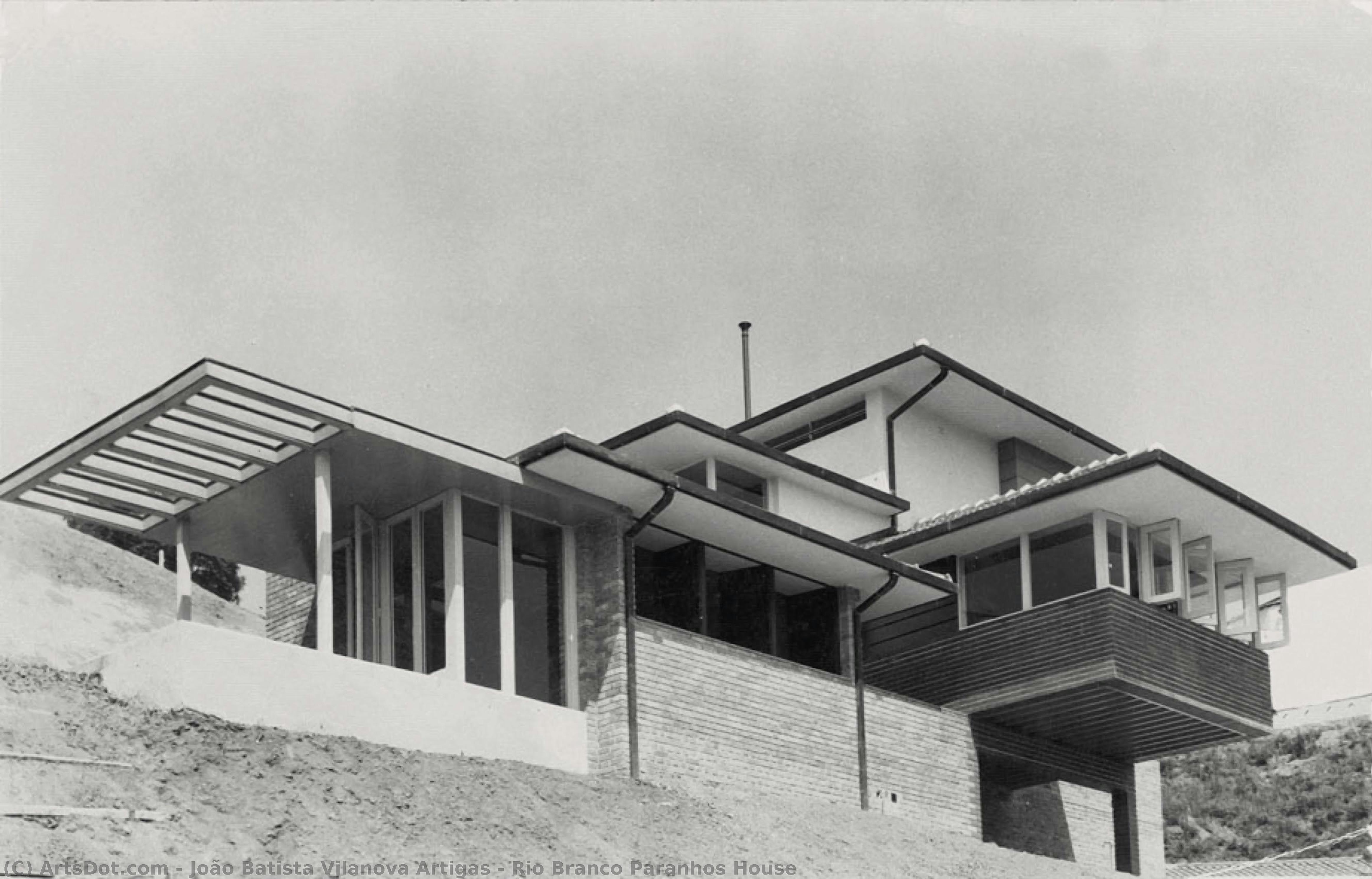
Rio Branco Paranhos House


 詳細を見る
詳細を見る
オンラインプレビューをはるかに凌ぐ、高解像度で鮮明なデジタル画像をご購入いただけます。
各ファイルは、社内の専門家が高度なツールと熟練した手作業によるレタッチを用いて、細心の注意を払って準備されています。すべての画像において、卓越した鮮明度、正確な色彩再現性、そして繊細なディテールを保証いたします。
最終ファイルは、プロフェッショナルな編集・印刷環境ですぐにご利用いただけるよう最適化された状態で、72時間以内にメールにてお届けいたします。これは、一流のデザインスタジオ、出版社、ギャラリーから信頼されているものと同等の品質です。
デジタル画像のご注文に付随する特典
高品質なデジタル画像配信を、確かな品質で。
ArtsDot.com を選ぶことは、単に画像を手に入れることではありません。それは、プロの手によって精密に仕上げられ、満足保証が付いた高品質なデジタルアートワークを受け取ることを意味します。ご注文いただいた際に自動的に付随する内容は、以下の通りです:

メールですぐにお届け
ご注文から72時間以内に、高解像度のデジタル画像ファイルがメールでお手元に届きます。すぐにそのままご利用いただけます。

AI技術で最適化されたデジタルファイル
お客様の作品は、高度なAIツールと専門家による手作業の編集を組み合わせてプロフェッショナルに最適化されており、細部のディテール、鮮明さ、そして正確な色再現性を最大限に引き出しています。

一生涯無料の再送サービス
ファイルを誤って削除したり、紛失してしまったりしましたか?ご安心ください。いつでも無料で再送いたします。

輸入手数料は一切かかりません
関税や手数料、配送料を気にすることなく、お気に入りのアートワークをすぐにお楽しみいただけます。デジタルダウンロードは常に免税です。

色彩再現の保証
プロ仕様のツールとカラーマネジメント技術を用いることで、デジタル画像が元の色を最大限に忠実に再現することを保証いたします。

60日間満足保証
ご購入いただいたデジタル画像にご満足いただけない場合は、60日以内であれば、修正または100%の返金(理由を問う必要はありません)をさせていただきます。

100% 返金保証
ご満足いただけない場合は、デジタルファイルを受け取ってから60日以内であれば、理由を問わず全額返金いたします。

まとめ買い割引
3枚購入で10%OFF - 5枚購入で15%OFF - 10枚以上購入で20%OFF。クリエイティブなプロジェクト、ギャラリー、エージェンシーに最適です。
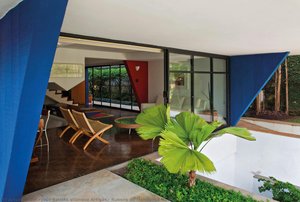
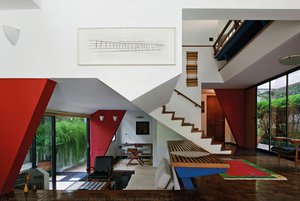
A Visionary’s Embrace: The Rio Branco Paranhos House
João Batista Vilanova Artigas's Rio Branco Paranhos House, conceived in 1942 and completed in 1943, isn’t merely a dwelling; it’s a profound statement of architectural philosophy and social conscience. Nestled into the rolling hills overlooking São Paulo, Brazil, this residence represents a pivotal moment in Brazilian modernism – a deliberate rejection of conventional norms and an embrace of radical openness, both within its walls and in its relationship with the surrounding landscape. Artigas, a key figure in the Paulista School, sought to create a space that transcended the traditional role of shelter, transforming it into a dynamic expression of social responsibility and artistic vision.
The house’s design is immediately striking – a harmonious blend of geometric precision and organic integration. Influenced by Frank Lloyd Wright's principles of “organic architecture,” Artigas employed a horizontal emphasis, mirroring the undulating terrain of the hillside upon which it sits. The structure appears to grow directly from the earth, utilizing pilotis—concrete columns that elevate the living spaces above ground level—to minimize its impact on the landscape and create an illusion of lightness and transparency. The use of exposed concrete, a hallmark of Brutalism, speaks not only to structural integrity but also to a deliberate rejection of ornamentation, prioritizing functionality and honest expression of materials.
Form and Function: A Study in Modernist Principles
Artigas’s approach is deeply rooted in the tenets of modernism, yet he transcends mere adherence to stylistic trends. The house's layout emphasizes open spaces and fluid transitions between rooms, fostering a sense of connection and interaction. The absence of a traditional kitchen-to-backyard door is particularly significant – a bold gesture that symbolically dismantles the hierarchical structure of domestic life, challenging established social conventions and reflecting Artigas’s commitment to egalitarianism. The design also incorporates elements of rationalism, prioritizing clarity of form and efficient use of space, while simultaneously embracing a dramatic aesthetic through the interplay of light and shadow.
The exterior façade is characterized by clean lines and rectangular shapes, punctuated by large expanses of glass that flood the interior with natural light. The brickwork, carefully chosen for its textural contrast against the smooth concrete surfaces, adds a tactile dimension to the design. The overall effect is one of understated elegance and sophisticated restraint – a testament to Artigas’s ability to distill complex ideas into a powerfully simple form.
Symbolism and Context: A Legacy of Social Engagement
Beyond its formal qualities, the Rio Branco Paranhos House carries profound symbolic weight. Constructed during a period of intense political upheaval in Brazil – marked by military dictatorship and social unrest – Artigas’s design can be interpreted as an act of defiance against oppressive forces. The house represents a commitment to human dignity, equality, and social justice, embodying the ideals of the Paulista School and its dedication to improving the lives of ordinary Brazilians. The influence of Gregori Warchavchik, a fellow architect and communist activist, is evident in Artigas’s embrace of functionalism and his willingness to challenge established architectural norms.
Furthermore, the house's design reflects Artigas’s broader philosophical stance – a belief that architecture should be more than just a building; it should be a catalyst for social change. His work consistently prioritized human needs and social responsibility, making him one of the most influential architects of his time. The Rio Branco Paranhos House stands as a powerful reminder of this legacy, inviting us to contemplate the transformative potential of architecture.
A Timeless Masterpiece: Reproduction and Appreciation
Today, the Rio Branco Paranhos House remains a cherished landmark in São Paulo’s architectural landscape. High-quality reproductions capture the essence of Artigas's vision, allowing enthusiasts to experience the beauty and intellectual depth of this remarkable structure. When selecting a reproduction, consider the meticulous attention to detail – the accurate rendering of materials, the nuanced play of light and shadow, and the faithful representation of the house’s unique spatial qualities. This artwork is not simply a copy; it's an invitation to engage with a profound architectural statement and appreciate the enduring legacy of João Batista Vilanova Artigas.
関連作品
作家の略歴
ブラジルモダニズムの先駆者:ジョアン・バチスタ・ヴィラノヴァ・アルティガスという生涯と遺産
1915年にブラジルのクリチバで生まれたジョアン・バチスタ・ヴィラノヴァ・アルティガスは、ブラジル建築の進化において記念碑的な存在として輝いています。彼は単なる構造物の建設者ではなく、自身のデザインに社会的な責任と芸術的表現を吹き込もうとした先見の明のある人物であり、最終的にはパウリスタ派(Paulista School)の創設者となりました。彼の歩みはサンパウロ大学工科学校から始まり、1937年に学位を取得しました。この学歴こそが、革新性とブラジル国民への深い献身によって特徴づけられるキャリアの礎となったのです。初期の形成期を過ごした経験の一つに、グレゴリ・ワルチャフチクと共にプラサ・ダ・レプブリカの大規模な改修を手掛けたことがあり、このプロジェクトは彼が後に提唱するモダニズム的な感性を予感させるものでした。1941年から1947年にかけて、アルティガスは学界に身を捧げ、サンパウロ大学で美学、建築、計画の教授として若き才能たちを育成しました。この期間は、1946年に授与された名誉あるグッゲンハイム・フェローシップによって頂点を迎え、建築界における彼の評価を確固たるものにし、国際的な経験という計り知れない機会をもたらしたのです。進化する様式と決定的な作品群
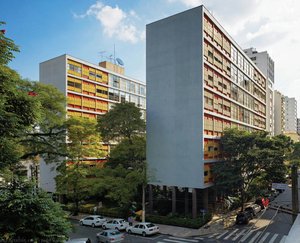
アルティガスの建築様式は静的なものではありませんでした。それは探求と洗練のダイナミックな過程であり、世界のデザインが移り変わる潮流と、彼自身の進化し続ける芸術的ビジョンを映し出していました。彼の作品は一般的に三つの明確な段階を通して理解することができます。初期の期間、1937年から1945年にかけては、特に住宅設計において、フランク・ロイド・ライトの影響が色濃く見られます。そこには有機的な形態と周囲の景観との調和のとれた統合へのこだわりが見て取れます。これに続き、約1945年から1950年代半ばにかけての過渡期があり、アルティガスは国際様式の要素を取り入れ始め、大規模なプロジェクトでカーテンウォールやピロティを実験的に用いました。しかし、真に彼自身の声を見出したのは、1960年代から1970年代という晩年の時期でした。そこでは、その生々しいコンクリートの美学と記念碑的なスケールを特徴とするブルータリズムに強く影響を受けた劇的な様式が花開きました。この段階で彼は、大胆さと表現力をもって大規模な公共建築に取り組むようになり、それが彼の代名詞となりました。最も称賛される作品の中には、ライトの影響を示す初期の例であるアリオスト・マルティラニ邸、印象的な幾何学的抽象とブルータリズムの響きを融合させたミニマリスト的な美学を示すエルザ・ベルクォ邸、そしてコンクリート表現主義を特徴とする晩年のより劇的な様式を体現するグアルーリョス体育館などがあります。これらのプロジェクト群は総じて、彼が素材――特に鉄筋コンクリート――を操る熟練度と、思慮深い建築設計を通じて社会的なニーズに応えようとする揺るぎない献身を際立たせているのです。政治的信念と芸術的表現
アルティガスの人生は、政治活動と切り離すことはできませんでした。ブラジル共産党の熱心な一員であった彼は、建築がより公正で平等な社会を形作る上で極めて重要な役割を果たすと信じていました。この確信こそが、ブラジルにおける激しい政治的抑圧の時代に、同僚の建築家パウロ・メンデス・ダ・ロシャと共に1969年にサンパウロ大学での教職を失う原因となりました。このような挫折にもかかわらず、アルティガスは自身の信念を曲げず、作品を通じて社会変革を提唱し続けました。彼の献身は最終的に認められ、彼とメンデス・ダ・ロシャの両名は1980年代に職務に復帰しました。これは彼らの不朽の影響力と、民主的理想が最終的に勝利したことの証左です。キャリア初期に得たグッゲンハイム・フェローシップは、彼の建築への多大な貢献をさらに認めました。今日、彼の作品はクリチバのアントニオ・パレイラレス美術館やオスカー・ニーマイヤー美術館といった施設に保存されており、その遺産が未来の世代にインスピレーションを与え続けています。彼は「細部(minutiae)」――小さなディテール――が、単なる構造物を芸術作品へと高め、あらゆるプロジェクトに独自の個性と場所の感覚を吹き込む力を持つと深く信じていたのです。パウリスタ派と永続する影響
ジョアン・バチスタ・ヴィラノヴァ・アルティガスがブラジル建築にもたらした影響は計り知れません。彼は単なる建築家ではなく、教師であり、政治活動家であり、国家のアイデンティティを定義する手助けをした文化的な象徴でした。彼が創設したパウリスタ派は、機能的なデザイン、特に鉄筋コンクリートといった構造要素の露出、そして社会的なニーズに対する深い配慮を重視しました。このアプローチは従来の建築規範に挑戦し、ブラジルの新世代の建築家たちが革新的な形態と素材を探求するための道を開きました。美観的でありながら社会的に責任ある空間を創造するという彼の強調点は、今なお世界中の現代の実践者たちに響き渡っています。アルティガスの作品は、芸術的ビジョン、社会的な価値観、そして奉仕する人々の生活を向上させるという深いコミットメントが建築にもたらし得る可能性を示す力強い記念碑です。彼が残したのは単なる建物群ではなく、一つの哲学――建築こそが世界における前向きな変化の原動力となり得るという信念でした。彼の遺産は残り続け、建築家たちに美しくも意味のある空間を創造するよう鼓舞し続けているのです。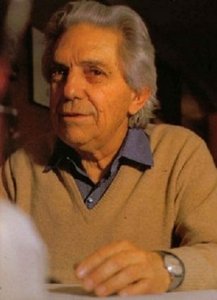
ジョアン・バチスタ・ヴィラノヴァ・アルティガス
1915 - 1985 , ブラジル
プロフィール概要
- Artistic Movement Or Style: モダニズム、ブルータリズム
- Artists Or Movements Influenced By This Artist: ['パウリスタ・スクール']
- Artists Who Influenced This Artist: ['フランク・ロイド・ライト']
- Date Of Birth: 1915年
- Date Of Death: 1985年
- Full Name: ジョアン・バチスタ・ヴィラノヴァ・アルティガス
- Nationality: ブラジル人
- Notable Artworks:
- アリオスト・マルティラニの家
- エルザ・ベルクォの家
- グアルーリョス体育館
- Place Of Birth: クリチバ、ブラジル

