

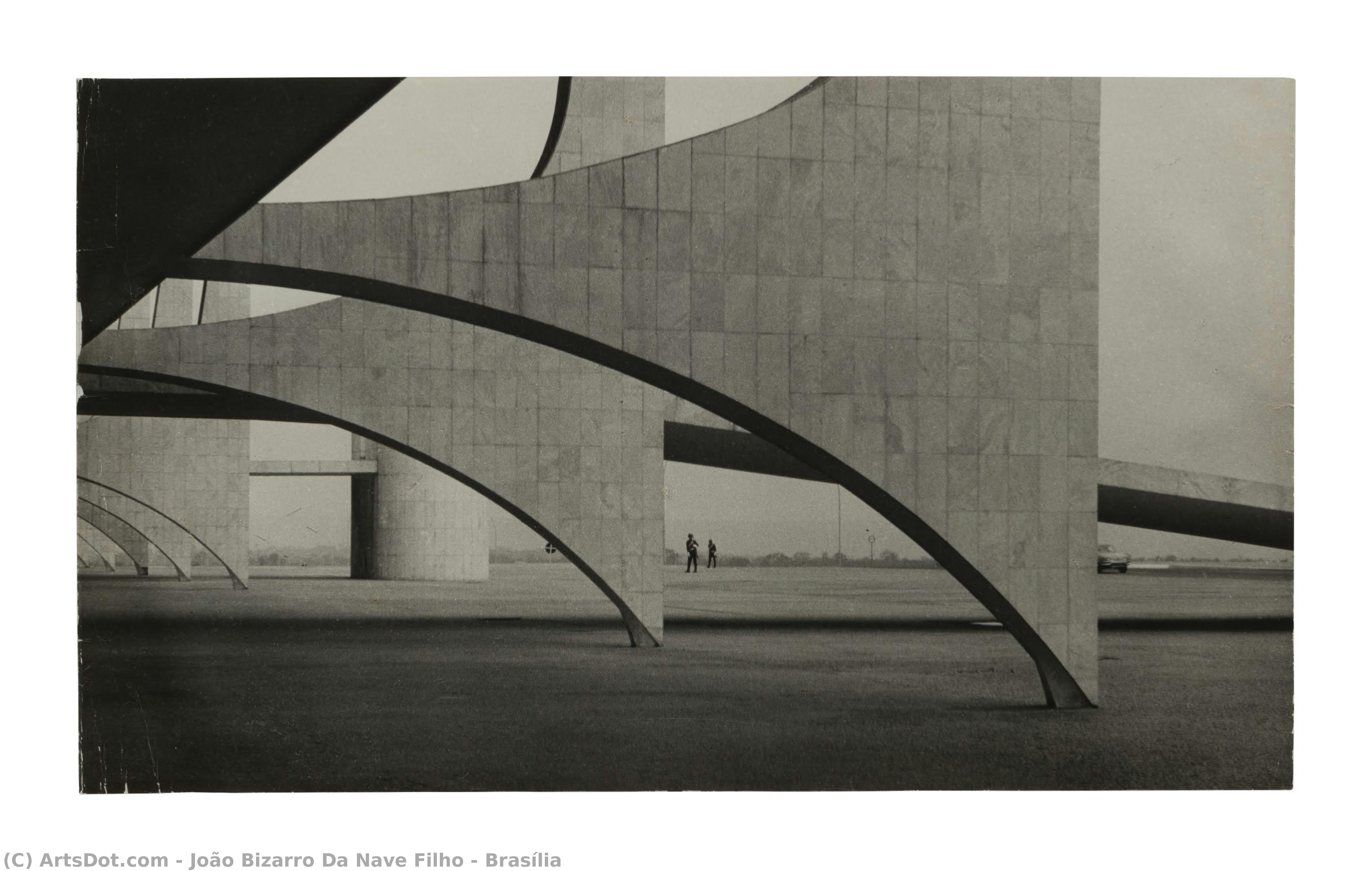
 プレビュー
プレビュー
 シェアする
シェアする シェアする
シェアする
 詳細を見る
詳細を見る

 ダウンロード
 似ている作品
 X線調査
X線調査 スライドショー
 Stats
StatsBrasília

 詳細を見る
詳細を見る
手描き油彩複製画
当社のアーティストが、お客様のご希望のサイズと額縁に合わせて、キャンバスに手描きで制作する油彩画です。 ( Switch to Print Switch to Digital Image)




































作品のオリジナル比率に合わせた、当店の規定サイズからお選びください。

特定のフレームやスペースに合わせて、ご希望のサイズをご入力いただけます。選択されたサイズが元の画像の比率と異なる場合、アートワークをトリミングするか、手描きで要素を追加して絵画を拡張いたします。デジタルモックアップ を制作し、制作開始前にご確認(承認)をいただきます。
画面上のプレビューは、実際のトリミングや拡張を正確に反映しているものではありません。最終的な構図は、モックアップによってのみ正確にご確認いただけます。
カスタムサイズもご利用いただけますが、元の比率を維持するためには、あらかじめ用意されたリストからサイズを選択することをお勧めいたします。
ご注文後、ArtsDot.com チームより詳細な指示をお送りするとともに、仕上がりイメージ(モックアップ)をご提供いたします。


 ガラスオプションは、110cm未満のサイズでのみご利用いただけます。

Brasília
複製技法
複製画のサイズ
-


合計金額
$ 263
関連作品





アーティストの略歴
João Bizarro da Nave Filho: Chronicler of Brasília’s Concrete Dreams
João Bizarro da Nave Filho, a Portuguese-born Brazilian photographer, stands as a pivotal figure in the documentation and interpretation of Brasília, the ambitious capital city conceived by Juscelino Kubitschek. His work transcends mere architectural photography; it's a profound exploration of urban transformation, social dynamics, and the very soul of a nation striving to forge a new identity. Born in 1908, Filho’s career unfolded during a period of intense national optimism and rapid modernization in Brazil, mirroring the fervor surrounding Brasília’s construction – a project that promised to catapult the country into the twentieth century.
Early influences on Filho's artistic vision are somewhat elusive, though his background as a photographer likely shaped his keen eye for composition and detail. He began his career documenting Brazilian landscapes and rural life, capturing the essence of Brazil’s diverse regions. However, it was his arrival in Brasília in 1957 – just months before the city's official opening – that irrevocably altered his trajectory. He immediately recognized the monumental undertaking unfolding before him, a sprawling concrete jungle rising from the Brazilian cerrado (savanna). Unlike many of his contemporaries who focused solely on showcasing the architectural grandeur, Filho sought to capture the lived experience within this nascent metropolis.
The Lens on Brasília’s Human Landscape
Filho's photographic approach was remarkably intimate and observational. He wasn’t interested in grand vistas or heroic poses; instead, he meticulously documented the daily lives of Brasília’s residents – workers, bureaucrats, families, and laborers – amidst the city’s construction and early development. His images reveal a vibrant tapestry of social interactions, showcasing the challenges and triumphs of building a new capital from scratch. He frequently photographed ordinary people engaged in their routines: children playing in the streets, workers returning home after long shifts, families gathering for meals in modest apartments.
Crucially, Filho’s work wasn't simply a record of construction; it was a commentary on the social and cultural implications of this massive project. He captured the stark contrast between the utopian ideals of Brasília – a city designed to be “the Athens of South America” – and the realities of its implementation. His photographs expose the displacement of indigenous communities, the influx of migrants from across Brazil, and the inherent tensions associated with rapid urbanization. His images are imbued with a subtle critique, revealing the human cost often obscured by grand architectural narratives.
Technique and Style: A Quietly Powerful Voice
Filho’s photographic style is characterized by its understated elegance and remarkable clarity. He favored natural light and avoided elaborate manipulation, allowing his subjects to speak for themselves. His compositions are carefully balanced, often employing geometric patterns and strong lines – a reflection of Brasília's architectural design. He utilized a medium format camera, affording him the detail necessary to capture the nuances of human expression and the textures of the city’s concrete surfaces.
His most celebrated work, “Brasília,” is a testament to his ability to distill complex social and political themes into compelling visual narratives. This series, comprising numerous photographs taken throughout the 1960s, offers an intimate portrait of Brasília's early years – a city still grappling with its identity and struggling to fulfill its ambitious promises. The images are imbued with a sense of melancholy and quiet observation, reflecting Filho’s nuanced understanding of the city’s complexities.
Legacy and Historical Significance
João Bizarro da Nave Filho's contribution to Brazilian photography is profound. He moved beyond conventional architectural documentation to create a deeply humanistic record of Brasília’s birth and early development. His work serves as a vital historical archive, offering invaluable insights into the social, cultural, and political dynamics that shaped this iconic city. His photographs are not merely images; they are windows into a pivotal moment in Brazilian history – a testament to both the ambition and the challenges inherent in nation-building.
Today, Filho’s work is recognized as a cornerstone of Brazilian modernism and a significant example of documentary photography. His legacy continues to inspire artists and scholars who seek to understand the complex relationship between architecture, society, and identity. His images remain powerfully relevant, prompting us to reflect on the enduring questions raised by Brasília's creation – questions about urban planning, social justice, and the pursuit of national dreams.
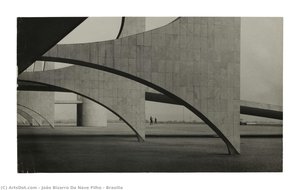
joão bizarro da nave filho
Brazil
基本情報
- Artistic Movement Or Style: Photography
- Date Of Birth: 1908
- Full Name: João Bizarro Da Nave Filho
- Nationality: Brazilian
- Notable Artworks: ['Brasília']
- Place Of Birth: Portugal