


 シェアする
シェアする シェアする
シェアする
 詳細を見る
詳細を見る

 ダウンロード
 似ている作品
 スライドショー
 統計情報
統計情報Rosa Fronteiras
 Black and White Photography
- Photo
- Contemporary Realism
 2020
2020- Contemporary
 Pinacoteca do Estado de São Paulo
 詳細を見る
詳細を見る
オンラインプレビューをはるかに凌ぐ、高解像度で鮮明なデジタル画像をご購入いただけます。
各ファイルは、社内の専門家が高度なツールと熟練した手作業によるレタッチを用いて、細心の注意を払って準備されています。すべての画像において、卓越した鮮明度、正確な色彩再現性、そして繊細なディテールを保証いたします。
最終ファイルは、プロフェッショナルな編集・印刷環境ですぐにご利用いただけるよう最適化された状態で、72時間以内にメールにてお届けいたします。これは、一流のデザインスタジオ、出版社、ギャラリーから信頼されているものと同等の品質です。
デジタルアート
個人での鑑賞、印刷、クリエイティブなプロジェクト用に、高解像度ファイルをダウンロードできます。 ( プリント版に切り替え 手描きの絵画を購入)
デジタル画像のご注文に付随する特典
高品質なデジタル画像配信を、確かな品質で。
ArtsDot.com を選ぶことは、単に画像を手に入れることではありません。それは、プロの手によって精密に仕上げられ、満足保証が付いた高品質なデジタルアートワークを受け取ることを意味します。ご注文いただいた際に自動的に付随する内容は、以下の通りです:

メールですぐにお届け
ご注文から72時間以内に、高解像度のデジタル画像ファイルがメールでお手元に届きます。すぐにそのままご利用いただけます。

AI技術で最適化されたデジタルファイル
お客様の作品は、高度なAIツールと専門家による手作業の編集を組み合わせてプロフェッショナルに最適化されており、細部のディテール、鮮明さ、そして正確な色再現性を最大限に引き出しています。

一生涯無料の再送サービス
ファイルを誤って削除したり、紛失してしまったりしましたか?ご安心ください。いつでも無料で再送いたします。

輸入手数料は一切かかりません
関税や手数料、配送料を気にすることなく、お気に入りのアートワークをすぐにお楽しみいただけます。デジタルダウンロードは常に免税です。

色彩再現の保証
プロ仕様のツールとカラーマネジメント技術を用いることで、デジタル画像が元の色を最大限に忠実に再現することを保証いたします。

100日間満足保証
ご購入いただいたデジタル画像にご満足いただけない場合は、100日以内であれば、理由を問わず修正または100%の返金対応をさせていただきます。

100% 返金保証
ご満足いただけない場合は、デジタルファイルを受け取ってから100日以内であれば、理由を問わず全額返金いたします。

まとめ買い割引
3枚購入で10%OFF - 5枚購入で15%OFF - 10枚以上購入で20%OFF。クリエイティブなプロジェクト、ギャラリー、エージェンシーに最適です。
A Tender Encounter in Monochrome
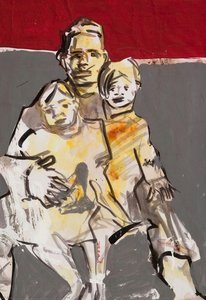
In the evocative piece Rosa Fronteiras, the Brazilian artist joão da motta invites us into a deeply intimate moment of human connection. At first glance, the viewer is struck by the profound stillness captured within the frame, where a woman cradles a baby in an embrace that feels both timeless and incredibly fragile. Though the description suggests a splash of yellow in her attire, the soul of the work resides in its monochromatic depth, creating a visual language that transcends color to focus entirely on form, texture, and emotion. The composition is populated by other figures, shadows of caregivers and children that suggest a communal gathering—a shared ritual of nurturing that connects the individual to the collective experience of life.
The artist’s technique reflects a masterful command over light and shadow, utilizing a palette that emphasizes the weight of the moment. By stripping away the distractions of a full spectrum, da Motta directs our gaze toward the subtle contours of the faces and the delicate way the infant rests against its mother. This approach lends the artwork a documentary-like quality, reminiscent of mid-century street photography, yet it is infused with a contemporary sensitivity. The interplay between the light hitting the subjects and the receding darkness of the background creates a sense of depth that pulls the observer into the heart of this quiet, communal event.
Symbolism and the Soul of Saquarema
To understand Rosa Fronteiras, one must look toward the roots of its creator. Born in Saquarema, within the vibrant rhythms of Rio de Janeiro, João da Motta—often known by his moniker Mulambö—draws heavily from the textures of everyday life and the marginalized communities that shape the soul of Brazil. The title itself, suggesting "Rose Borders" or "Pink Frontiers," hints at a delicate boundary between the personal and the social, between the private act of motherhood and the public space of the community. The presence of other infants and caregivers in the periphery serves as a powerful symbol of continuity and the cyclical nature of existence.
There is an inherent symbolism in the way the figures are layered; they represent a tapestry of identity and surroundings. The artwork explores themes of belonging and the shared responsibility of care, making it much more than a simple portrait. It is an exploration of how we exist within our environments, how our personal histories are woven into the larger social fabric. For the collector, this piece offers a profound meditation on the beauty found in simplicity and the strength found in communal bonds.
An Essential Addition to Sophisticated Interiors
For interior designers and art enthusiasts alike, Rosa Fronteiras serves as a sophisticated focal point that brings emotional intelligence to a space. Its monochromatic elegance allows it to integrate seamlessly into various decor styles, from the minimalist and modern to the more classic and textured. Because the work relies on tonal depth rather than jarring colors, it provides a sense of calm and contemplative luxury, making it an ideal choice for living rooms, private studies, or serene bedroom environments.
Owning a high-quality reproduction of this piece means bringing a fragment of Brazilian soul into one's home. It is a conversation starter that invites guests to linger on the details—the way a hand rests, the gaze of a bystander, the quiet gravity of a new life. As an investment in art, it offers much more than aesthetic pleasure; it provides a window into a narrative of resilience, tenderness, and the enduring beauty of the human spirit.
関連作品

作家の略歴
The Soul of the Periphery: The Art of Mulambö
In the vibrant coastal landscape of Saquarema, Rio de Janeiro, a unique artistic voice emerged from the rhythms of everyday life. João Gabriel da Motta, known to the world as Mulambö, carries a name that is itself a piece of storytelling. Born in 1995, his moniker is a playful, nostalgic nod to his childhood; it stems from the Portuguese term esmolambado, a word his mother used to describe him when he would return home from playing football, covered in the dust and sweat of the streets. This transition—from João to Mulambö—perfectly encapsulates his creative mission: to take the overlooked, the "scruffy," and the marginalized elements of Brazilian suburban life and elevate them into the realm of high art.
Mulambö’s artistic journey began not with grand canvases, but with the intimate worlds of comic books and digital illustrations. Growing up in the Praia da Vila region, his early years were steeped in a family heritage of creativity that encouraged him to look beyond conventional boundaries. As he matured, his focus shifted toward painting, where he found a medium capable of capturing the raw textures of his environment. His work is deeply anchored in the popular culture of Brazil, acting as a bridge between the local and the global. By utilizing symbols from the periphery, he re-signifies the narratives of suburban characters, transforming the mundane into something profound and monumental.
Materiality and the Poetics of the Everyday
What distinguishes Mulambö’s technique is his radical approach to materiality. He does not merely paint on canvas; he breathes life into the discarded and the underestimated. His practice involves a deliberate integration of elements drawn from the daily reality of Brazil's outskirts, using materials such as cardboard, brick, tires, and even photographs of family moments to construct his visual language. This method allows him to explore themes of identity through the very substances that compose his world. In one striking example, he uses a broom made of piaçava to paint a trident—a symbol of both Neptune and the deity Exu—effectively turning a common household tool into a sacred instrument of creation.
This tactile connection to his surroundings extends to his use of symbolism. His work often features a delicate tension between comfort and hardship, such as when he replaces the rubber straps of a classic Havaianas® flip-flop with barbed wire. Through these interventions, Mulambö explores the complexities of the human condition, weaving together four central pillars of his poetics: family, popular culture (including the rhythms of samba and the passion of football), faith, and the everyday. His art is a continuous dialogue with the textures of Saquarema, ensuring that his roots remain inseparable from his global artistic presence.
Legacy and Cultural Significance
The significance of Mulambö’s work lies in its ability to legitimize the aesthetics of the marginalized. By bringing the symbols of the subúrbio into prestigious institutions like the Pinacoteca do Estado de São Paulo, he challenges traditional hierarchies of what is considered "worthy" of artistic contemplation. His presence at major art fairs, such as SP-Arte, marks him as a vital figure in contemporary Brazilian art—an artist who refuses to separate his identity from his origin.
As his career continues to evolve, Mulambö remains a steadfast observer of the human spirit within the landscape of Rio de Janeiro. His achievements are not measured solely by exhibitions, but by his ability to make the viewer see the beauty in the "scruffy" and the sacred in the common. Through his bold strokes and profound use of local iconography, he ensures that the stories of Saquarema and its people are etched permanently into the broader tapestry of global contemporary art.

joão da motta
1995 - , Brazil
プロフィール概要
- Artistic Movement Or Style: Contemporary Art
- Artists Or Movements Influenced By This Artist: ['Flamengo']
- Artists Who Influenced This Artist: ['Hugo Motta']
- Date Of Birth: September 11, 1989
- Date Of Death: Living
- Full Name: João Gabriel da Motta Wanderley da Nóbrega
- Nationality: Brazilian
- Notable Artworks:
- Rosa Fronteiras
- Três Orixás
- Place Of Birth: Saquarema, Brazil