

 プレビュー
プレビュー
 プリントを購入
 シェアする
シェアする シェアする
シェアする
 詳細を見る
詳細を見る

 ダウンロード
 似ている作品
 X線調査
X線調査 スライドショー
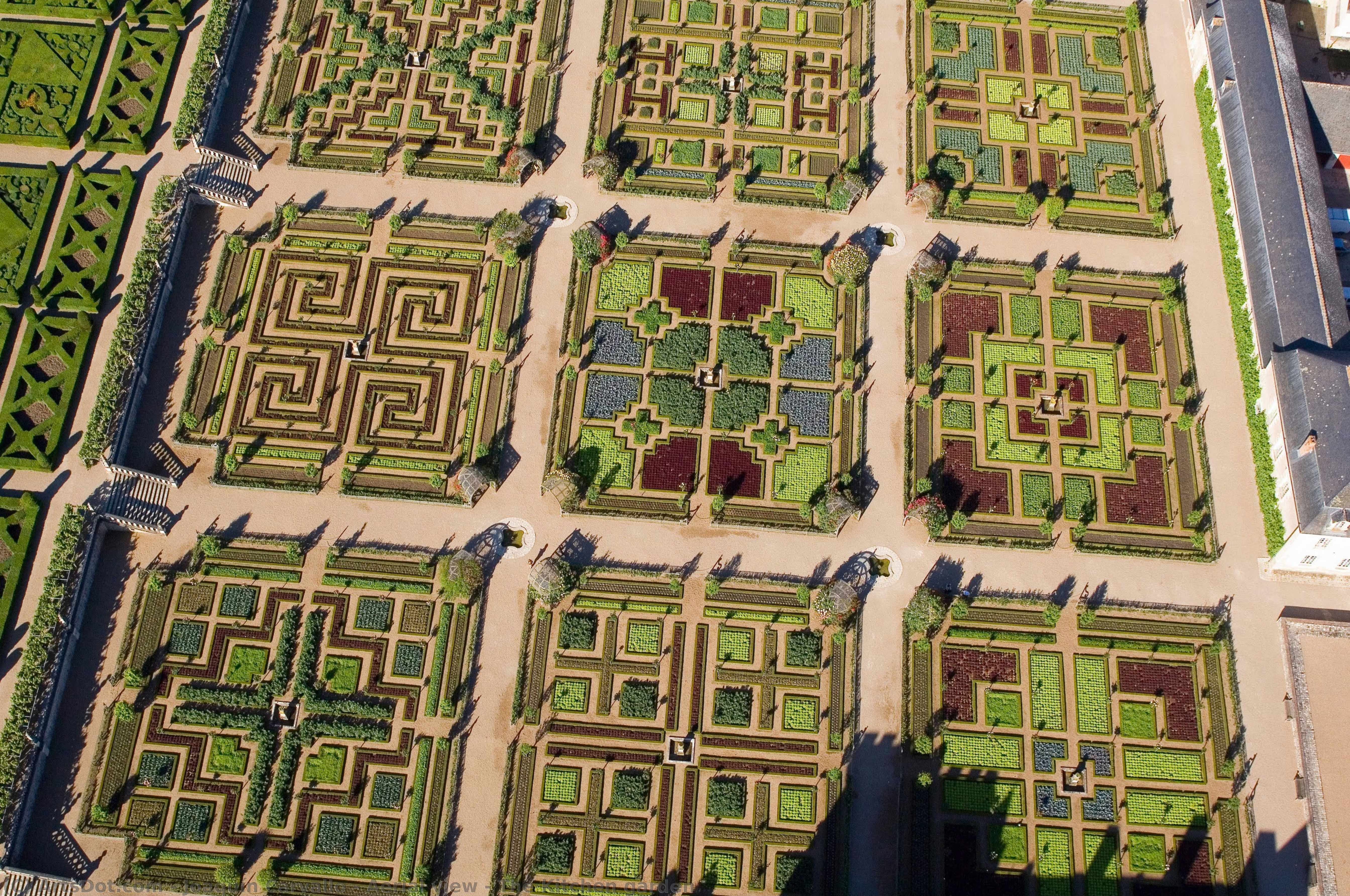
Aerial view - The Kitchen garden


 詳細を見る
詳細を見る




P118B $10

P118H $10

P118W $10

P438Z $10

P508JH $12

P508YH $12

P805H $10

P805Z $10

P919BZ $10

P919G $10

P919XJ $10

P959ZH $10

P968JZ $12

W106C $8

W218G $10

W218JH $8

W218Y $10

W307PJ $10

W316G $10

W316PJ $8

W316Y $10

W398PJ $8

W4111J $10

W500HY $15

W500JH $15

W692G $12

W849H $8

W940BG $15

W953PJ $8




作品のオリジナル比率に合わせた、当店の規定サイズからお選びください。

特定のフレームやスペースに合わせて、ご希望のサイズをご入力いただけます。選択されたサイズが元の画像の比率と異なる場合、アートワークをトリミングするか、手描きで要素を追加して絵画を拡張いたします。デジタルモックアップ を制作し、制作開始前にご確認(承認)をいただきます。
画面上のプレビューは、実際のトリミングや拡張を正確に反映しているものではありません。最終的な構図は、モックアップによってのみ正確にご確認いただけます。
カスタムサイズもご利用いただけますが、元の比率を維持するためには、あらかじめ用意されたリストからサイズを選択することをお勧めいたします。
ご注文後、ArtsDot.com チームより詳細な指示をお送りするとともに、仕上がりイメージ(モックアップ)をご提供いたします。


 ガラスオプションは、110cm未満のサイズでのみご利用いただけます。

Aerial view - The Kitchen garden
複製技法
複製画のサイズ
-


合計金額
$ 263
A Tapestry of Earth and Geometry
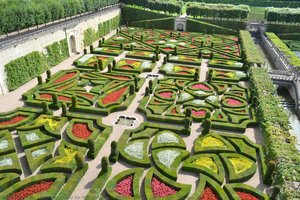
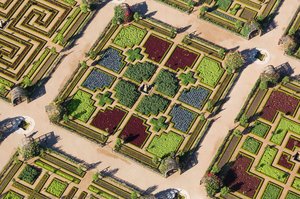
In the breathtaking aerial perspective of "Aerial view - The Kitchen garden," we are invited to witness a living masterpiece where horticulture meets high art. This stunning depiction by Joaquín Carvallo captures the soul of the Château de Villandry, presenting the ornamental kitchen garden not merely as a place of cultivation, but as an intricate, multicolored chessboard of life. From this elevated vantage point, the viewer is mesmerized by a rhythmic dance of geometric motifs, where the deep blues of leeks, the rich crimsons of beetroot and cabbage, and the vibrant jade of carrot tops coalesce into a singular, breathtaking pattern. It is a vision that transcends simple gardening, offering instead a profound meditation on order, symmetry, and the vibrant vitality of the natural world.
The artistry of this piece lies in its ability to transform the utilitarian into the sublime. Carvallo, a man who balanced the precision of a medical doctor with the romantic eye of a landscape enthusiast, utilizes a technique that emphasizes the structural brilliance of the Renaissance style. Each patch of the garden is meticulously rendered, showcasing a scientific approach to design that honors the historical layers of the site. The painting captures the essence of the potager décoratif—a decorative kitchen garden where the boundaries between food production and aesthetic pleasure dissolve. For the collector or interior designer, this work serves as a window into a world of structured elegance, bringing a sense of lush, organized tranquility to any sophisticated space.
A Legacy of Monastic Devotion and Renaissance Splendor
To gaze upon this artwork is to journey through centuries of European history. The composition breathes with the echoes of medieval monasticism, where monks once laid out their vegetable patches in sacred geometric shapes, often incorporating rose plants to symbolize spiritual devotion. Carvallo’s perspective allows us to trace these ancient influences, seeing how the cross-shaped layouts evoke a sense of quiet, contemplative piety. Yet, the painting also radiates the exuberant energy of the Italian Renaissance, an era that transformed functional gardens into jardins d’agrément—gardens of delight. The influence of Italian design is palpable in the way the paths and beds are skillfully laid out to divert and enchant the stroller, turning a simple walk through a garden into a sensory odyssey.
The emotional impact of "Aerial view - The Kitchen garden" is one of profound harmony. There is a restorative quality to the sight of such perfect alignment; it speaks to the human desire to find beauty within structure and to cultivate grace from the earth. As a hand-painted reproduction, this piece offers more than just decoration; it provides an atmospheric anchor for a room, evoking the timeless prestige of the French Renaissance. Whether placed in a sunlit gallery or a refined study, Carvallo’s vision remains a captivating testament to the enduring dialogue between man and nature, making it an essential acquisition for those who find inspiration in the intersection of history, science, and breathtaking botanical beauty.
関連作品

アーティストの略歴
Joaquín Carvallo: The Doctor, the Gardener, and the Soul of Villandry
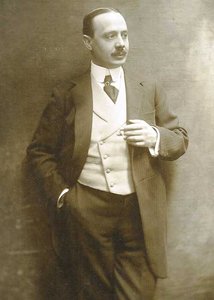
Joaquín Carvallo (1869-1936) was a figure of remarkable duality – a respected Spanish medical doctor and researcher, and an equally passionate, albeit largely unsung, creator of one of France’s most celebrated gardens. Born in Don Benito, Spain, his life unfolded across continents, culminating in the breathtaking restoration of Château de Villandry, transforming it from a crumbling relic into a vibrant testament to French horticultural artistry. Carvallo's story is not simply that of an artist; it’s one of intellectual curiosity, serendipitous encounters, and a profound love for both medicine and beauty.
Carvallo’s early life was marked by academic achievement. He studied at the Universidad Complutense de Madrid, quickly establishing himself as a brilliant physician. His medical career led him to Paris, where he joined the research team of Dr. Charles Richet, a pioneer in physiology and a Nobel laureate (1913). This association exposed Carvallo to cutting-edge scientific inquiry, particularly in the field of digestion – a subject that would later inform his meticulous approach to garden design. However, it was an unexpected meeting that irrevocably altered the course of his life: through a chance encounter with Ann Coleman, an intern from Lebanon, Pennsylvania, he fell deeply in love. Miss Coleman, inheriting a substantial business fortune, shared a keen interest in art and architecture, and together they embarked on a journey far removed from the sterile environment of Parisian laboratories.
A Love Affair and a Dream Takes Root
The couple’s relocation to France was driven by both love and a shared vision. They sought refuge in a peaceful setting, eventually acquiring the dilapidated Château de Villandry in the Loire Valley. The château, originally constructed in 1536, had fallen into disrepair over centuries, its magnificent gardens largely forgotten. Ann Coleman’s considerable wealth provided the means to realize Carvallo's ambitious dream: to restore the château and its gardens to their former glory – a task that would consume much of his remaining years. This wasn’t merely a restoration project; it was an attempt to recapture the essence of French garden design, a deliberate act of cultural revival.
Carvallo's medical background profoundly influenced his approach to gardening. He meticulously studied historical treatises on horticulture, particularly those attributed to André Le Nôtre, the renowned designer of Versailles. He understood that a garden was not simply an arrangement of plants but a carefully orchestrated composition – a reflection of mathematical precision, geometric harmony, and a deep appreciation for natural forms. His work involved painstaking research into ancient techniques, employing innovative irrigation systems, and selecting plants that would thrive in the Loire Valley’s climate.
A Collection of Art and a Legacy of Beauty
Beyond his horticultural endeavors, Carvallo cultivated a remarkable collection of Spanish art from the 17th century. This passion for art mirrored his appreciation for beauty in all its forms – a sensibility that permeated both his medical practice and his garden design. The château’s walls now display works by masters such as Zurbarán, Alonso Cano, Juan de Arellano, and Berruguete, reflecting the couple's refined taste and their commitment to preserving cultural heritage. The collection stands as a testament to their shared love of art and their desire to create a space that embodied both beauty and intellectual curiosity.
Villandry Today: A Living Masterpiece
Today, Château de Villandry remains one of France’s most popular tourist destinations. Its spectacular gardens – a breathtaking display of geometric patterns, water features, and meticulously arranged flowerbeds – continue to captivate visitors from around the world. Henri Carvallo, the doctor's great-grandson, carries on his ancestor’s legacy, diligently maintaining and expanding the gardens while preserving their historical integrity. The work of Joaquín Carvallo is not confined to a single discipline; it represents a harmonious blend of medicine, art, horticulture, and a profound respect for the past – a testament to a life lived with passion, purpose, and an unwavering dedication to beauty.
joaquín carvallo
1869 - 1936 , Spain
基本情報
- Artistic Movement Or Style: Botanical Art
- Artists Or Movements Influenced By This Artist:
- Zurbarán
- Alonso Cano
- Juan de Arellano
- Berruguete
- Artists Who Influenced This Artist: ['Charles Richet']
- Date Of Birth: 1869
- Date Of Death: 1936
- Full Name: Joaquín Carvallo”
- Nationality: Spanish
- Notable Artworks:
- Aerial view - The Kitchen garden
- French la femme et le
- Place Of Birth: Don Benito, Spain
関連記事
Cultivating Paradise: A Historical & Artistic Exploration of Gardens in Painting
Explore the rich history of gardens in painting! Discover masterpieces from Renaissance to Impressionism & beyond. Learn about symbolism, artists like Monet & Klimt, and find your perfect artwork at ArtsDot.

幾何学的抽象絵画を定義した傑作10選|アート、アーティスト、インテリア装飾
モンドリアン、マレーヴィチ…幾何学的抽象絵画を代表する傑作10選。各作品の背景や色彩構成、アーティストの情熱に迫ります。美術館品質の複製画はArtsDot.comで。オンラインでアートコレクションをご覧ください。

Beyond Form & Color: Geometric Abstraction's Evolution in 20th/21st Century Art
Explore the evolution of geometric abstraction from Cubism to contemporary art. Discover key artists like Malevich & Mondrian, investment insights, and expert collecting advice at ArtsDot.
Geometric Design in Art: A Historical Survey & Contemporary Appeal for Collectors
Explore the enduring legacy of geometric abstraction! Discover key artists, historical movements & investment insights for discerning art collectors. Expert guidance from ArtsDot.
The Enduring Appeal of Geometric Patterns in Art: A Historical & Contemporary Exploration
Explore the captivating history of geometric abstraction in art, from ancient roots to contemporary masters. Expert insights for collectors & enthusiasts. Discover key artists, movements & investment potential.