 プレビュー
プレビュー
 プリントを購入
 シェアする
シェアする シェアする
シェアする
 詳細を見る
詳細を見る

 ダウンロード
 似ている作品
 X線調査
X線調査 スライドショー
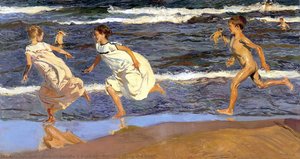
海岸沿いの散歩


 詳細を見る
詳細を見る




P118B $10

P118H $10

P118W $10

P438Z $10

P508JH $12

P508YH $12

P805H $10

P805Z $10

P919BZ $10

P919G $10

P919XJ $10

P959ZH $10

P968JZ $12

W106C $8

W218G $10

W218JH $8

W218Y $10

W307PJ $10

W316G $10

W316PJ $8

W316Y $10

W398PJ $8

W4111J $10

W500HY $15

W500JH $15

W692G $12

W849H $8

W940BG $15

W953PJ $8




作品のオリジナル比率に合わせた、当店の規定サイズからお選びください。

特定のフレームやスペースに合わせて、ご希望のサイズをご入力いただけます。選択されたサイズが元の画像の比率と異なる場合、アートワークをトリミングするか、手描きで要素を追加して絵画を拡張いたします。デジタルモックアップ を制作し、制作開始前にご確認(承認)をいただきます。
画面上のプレビューは、実際のトリミングや拡張を正確に反映しているものではありません。最終的な構図は、モックアップによってのみ正確にご確認いただけます。
カスタムサイズもご利用いただけますが、元の比率を維持するためには、あらかじめ用意されたリストからサイズを選択することをお勧めいたします。
ご注文後、ArtsDot.com チームより詳細な指示をお送りするとともに、仕上がりイメージ(モックアップ)をご提供いたします。


 ガラスオプションは、110cm未満のサイズでのみご利用いただけます。

海岸沿いの散歩
複製技法
複製画のサイズ
-


合計金額
$ 263
陽光の中に凍りついた瞬間:ジョアキン・ソローラの「海岸の散歩」
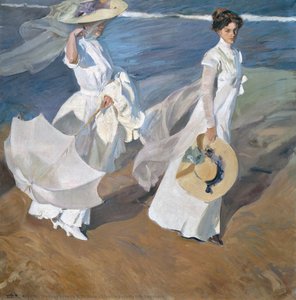
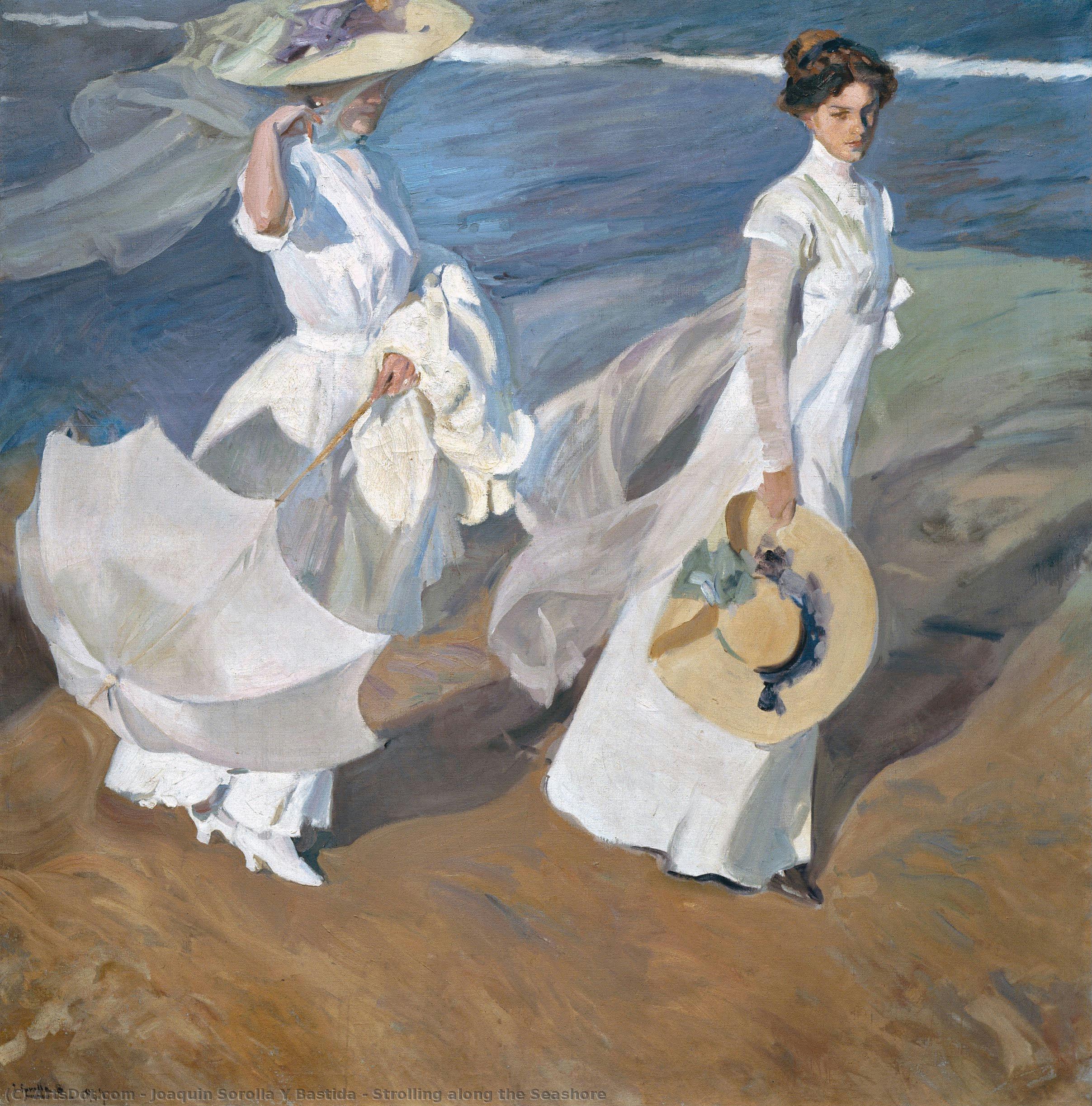
1909年に描かれたジョアキン・ソローラ・イ・バスティダの「海岸の散歩」は、単なる夏の午後の情景を描いたものではありません。それは、光と動き、そして日常に潜む儚い美しさを極めて精緻に抽出した結晶なのです。アメリカでの華々しい展覧会を経て、このスペイン人画家が絶頂期を迎えていた時期に生み出された本作は、ソローラの画風における重要な転換点を示しています。鮮やかな色彩と空気感のある奥行きを捉える彼特有の卓越した技術を維持しながらも、より印象派的で情緒的なアプローチへと進化を遂げたのです。この絵画は、私たちを陽光降り注ぐバレンシアの海岸へと誘います。それは単なる受動的な観察者としてではなく、ゆったりとした優雅さと静かな喜びに満ちた場面の当事者として、その世界へ引き込んでくれるのです。海岸沿いののどかな散歩という、至ってシンプルな主題にさえ深い感情的な響きを吹き込むソローラの才能が、ここに如実に示されています。
光と色彩のダンス
ソローラは、屋外で直接自然光の効果を観察し、描き出す「外光派(アン・プレネール)」の画家としてその名を馳せていました。「海岸の散歩」はこの信念を体現しており、色彩と筆致に対する驚くべき制御力を披露しています。画家はターコイズ、パープル、ブルーを用いた長く流れるような筆致を用いることで、きらめく地中海の広がりを描き出し、触れられそうなほどの躍動感と奥行きを生み出しています。これらの色彩は滑らかに混ざり合っているのではなく、むしろ明確で目に見える層として重ねられており、水面に反射する日光の様子を見事に模倣しています。砂浜は温かみのあるオーカー(黄土色)のパレットで描かれ、太陽の光が砂粒を捉える部分には明るいハイライトが添えられています。ソローラがいかに「分割された色彩」――対照的な色調の小さな点描――を用いて、人物の衣服や肌の上で踊る光と影を表現しているかに注目してください。それが驚くべき写実性と生命力を与えているのです。また、クロティルデの帽子を切り取る写真のようなフレーム(構図)は、単なる技法的な仕掛けではありません。それは女性たちをさりげなく際立たせ、彼女たちの優雅な動きや表情へと私たちの視線を惹きつける役割を果たしています。
ある時代の肖像:ブルジョワジーの優雅さ
海岸沿いの散歩を楽しむブルジョワ一家という主題は、20世紀初頭のスペイン社会を覗き見る魅力的な窓となります。ソローラは、広いつばの麦わら帽子と日傘を身にまとい、流行の装いに身を包んだ妻クロティルデと娘マリアを描くことで、当時の洗練された優雅さを見事に捉えました。この情景は決して素朴な田舎の風景ではなく、むしろ社会的な品格とレジャーが緻密に構成された一場面なのです。海岸を散策する身なりの良い人々の姿は、当時のバレンシアにおける繁栄と文化的洗練の高まりを物語っています。ソローラは単に美しい絵を描いたのではありません。彼は歴史の特定の瞬間を記録し、ある特定の社会階級の精神と、彼らが愛した美や悦びを捉えようとしたのです。
象徴性と感情の共鳴
表面的な描写を超えて、「海岸の散歩」には豊かな象徴的意味が込められています。女性たちの衣類を揺らす穏やかな微風の示唆は、自由と軽やかさを呼び起こし、遠くに広がる水平線は無限の可能性を暗示しています。作品全体のムードは、平穏と充足感に満ちており、家族、美、そして人生のささやかな喜びを祝福しています。ソローラによる光と色彩の見事な使い方は、温かさと楽観主義を感じさせ、鑑賞者をこの牧歌的な瞬間へと招き入れます。写真のようなフレームは、まるで過ぎ去った記憶や、大切に保存されたスナップショットを捉えたかのような、どこか一歩引いたような情緒的な距離感を添えています。
光の遺産:ソローラが放ち続ける魅力
ジョアキン・ソローラの「海岸の散歩」は、今なお彼の最も愛され、時代を超えて語り継がれる傑作の一つです。その輝かしい色彩、ダイナミックな構図、そして情緒豊かな空気感は、現代の観衆をも魅了し続けています。この名画の複製(レプリカ)を手にすることは、あらゆる空間にスペインの陽光を運び込む素晴らしい機会となり、人生の最も単純な瞬間の中に見出せる美しさと静寂を私たちに思い出させてくれます。それは、繋がりや喜び、そして自然界の儚い驚異を慈しむという、私たちの根源的な欲求に語りかける絵画なのです。まさに、ジョアキン・ソローラ・イ・バスティダという天才の、時代を超えた証といえるでしょう。
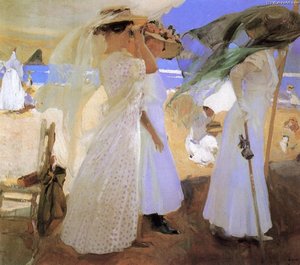
関連作品
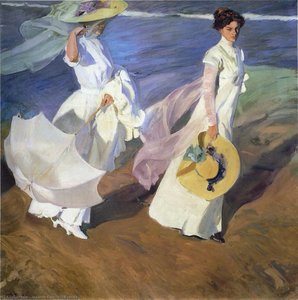
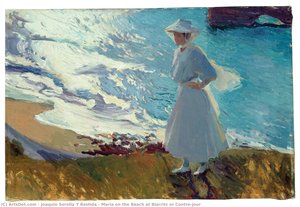
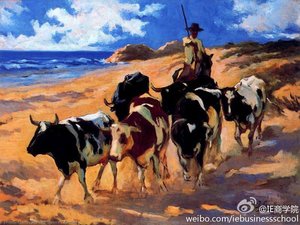
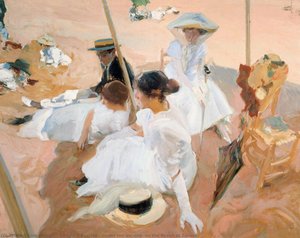
アーティストの略歴
Joaquín Sorolla y Bastida - A Life Bathed in Light
Joaquín Sorolla y Bastida, a name synonymous with the radiant light and vibrant energy of Spain, was more than just a painter; he was a chronicler of his nation’s soul. Born in Valencia in 1863, Sorolla's early life was marked by tragedy. Orphaned at the tender age of two following a cholera epidemic that claimed both parents, young Joaquín and his sister were raised by their maternal aunt and uncle. This early experience with loss perhaps instilled within him a profound appreciation for the fleeting beauty of life – a sentiment that would permeate his art. Though hardship shadowed his beginnings, it did not dim the spark of artistic talent that quickly became apparent. He received initial instruction in Valencia, demonstrating an aptitude that led to studies under established artists like Cayetano Capuz and José Benlliure, eventually culminating in a four-year grant to study in Rome. It was there, amidst the classical grandeur of Italy, that Sorolla began to forge his unique artistic path, absorbing influences while simultaneously developing a style distinctly his own.Early Life and Influences
Joaquín Sorolla y Bastida was born on February 27, 1863, in Valencia, Spain – the eldest child of Joaquín Sorolla, a tradesman, and Concepción Bastida. His sister, Concha, arrived a year later. The devastating cholera epidemic that swept through Valencia in 1865 tragically claimed the lives of his parents, leaving him and his sister orphaned at just two years old. They were subsequently cared for by their maternal aunt and uncle, fostering an early awareness of vulnerability and loss—themes that would subtly inform Sorolla’s artistic vision throughout his career. His formative education took place in Valencia, where he honed his skills under the tutelage of Cayetano Capuz and José Benlliure, artists who championed realism and celebrated Valencian culture. Recognizing his exceptional talent, Sorolla secured a prestigious scholarship to study at the Accademia di Belle Arti di Roma (Roman Academy), propelling him toward artistic maturity amidst the intellectual ferment of Italy’s Belle Époque. Here, he encountered the monumental canvases of Francisco Pradilla Ortiz, director of the Spanish Academy in Rome, who instilled in him a deep respect for classical tradition and established a stylistic benchmark that would guide his future endeavors. Furthermore, Sorolla immersed himself in the burgeoning Impressionist movement, captivated by exhibitions showcasing Jules Bastien-Lepage and Adolf von Menzel—artists whose innovative techniques challenged academic conventions and championed capturing fleeting moments of light and color. These influences coalesced into Sorolla’s distinctive artistic voice – a harmonious blend of realism and Impressionistic luminosity that would become his hallmark.From Historical Narratives to Sun-Drenched Realism
Sorolla's initial artistic explorations leaned toward historical painting, mirroring the prevailing trends of his time—large-scale depictions of mythological and biblical scenes intended to inspire awe and reverence. However, a pivotal transformation occurred upon his return to Spain, where he discovered an irresistible fascination with the everyday lives of his countrymen – particularly those inhabiting the picturesque Valencian coast. The intense Mediterranean sunlight, shimmering sea breezes, and vibrant energy of coastal communities became Sorolla’s primary subjects—a deliberate rejection of formal grandeur in favor of capturing the immediacy and beauty of ordinary existence. This stylistic shift wasn't abrupt; Sorolla continued to engage with social realism, exemplified by his poignant portrayal of polio sufferers bathing in the sea – Sad Inheritance (1899)—a painting that garnered considerable acclaim but also revealed a compassionate sensitivity to human suffering. The exhibition of this artwork at the Paris Salon solidified Sorolla’s reputation as a leading voice in Spanish art and underscored his commitment to portraying the realities of contemporary life with honesty and empathy. Sorolla's technique—characterized by bold brushstrokes, loose compositions, and an unwavering dedication to *plein air* painting—became instantly recognizable. He prioritized capturing the ephemeral effects of sunlight on surfaces – skin, water, sand – striving not merely to represent what he saw but to convey its essence—its warmth, vibrancy, and transformative power. This approach distinguished him from many of his contemporaries who adhered to stricter academic standards, establishing Sorolla as a pioneer of Luminism—a style that sought to illuminate the human experience through radiant light. His canvases pulsated with life, infused with an unparalleled sense of spontaneity and dynamism—a testament to his mastery of artistic expression.Major Achievements & Legacy
Sorolla’s prolific output spanned decades, encompassing portraits, landscapes, monumental murals, and numerous genre scenes—each imbued with a distinctive blend of observation and imagination. He achieved international renown through exhibitions in Munich, Paris, Chicago, Vienna, Venice, Buenos Aires, and countless others—receiving accolades from critics and collectors alike. His artistic success was particularly evident in 1892 when he secured the gold medal at the National Exhibition in Madrid for his painting *Another Marguerite*, marking a pivotal moment in his career. He cemented his position as one of Spain’s foremost artists by winning first prize at the Chicago International Exposition in 1893—a triumph that underscored his ability to captivate audiences with evocative imagery and masterful technique. Sorolla's magnum opus, *Vision of Spain*, commissioned by the Hispanic Society of America, represents an extraordinary undertaking—a series of fourteen colossal canvases depicting the regional costumes and customs of Spain’s provinces. Completed posthumously in 1928, this ambitious project stands as a testament to Sorolla’s artistic vision and technical prowess—a monumental achievement that continues to inspire admiration for its grandeur and beauty. Today, Sorolla's paintings reside in prestigious museums worldwide—including the Museo Sorolla in Madrid—where they serve as enduring symbols of Spanish art history and exemplify the transformative power of capturing light and emotion on canvas. His legacy extends beyond his artistic accomplishments; Sorolla remains a beacon of Luminism—a painter whose work continues to resonate with audiences across generations, reminding us that true beauty lies in embracing spontaneity and conveying the profound essence of human experience.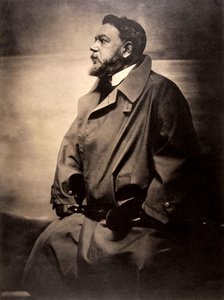
ジョアキン・ソローラ イ バスティダ
1863 - 1923 , スペイン
基本情報
- Artistic Movement Or Style: Impressionisme en Luminisme
- Artists Or Movements Influenced By This Artist: ['Monet']
- Artists Who Influenced This Artist:
- Francisco Pradilla
- Jules Bastien-Lepage
- Date Of Birth: 27 Februari 1863
- Date Of Death: 10 Agustus 1923
- Full Name: Joaquín Sorolla y Bastida
- Nationality: Spaanse kunstenaar
- Notable Artworks:
- Marguerite
- Het terugkomen van het vissen
- Zwaarlijvige meisje
- Kinderen op het strand
- Place Of Birth: Valencia, Spanien
関連記事
Joaquín Sorolla: Capturing Spanish Light & Life – A Legacy of Impressionism
Explore the luminous world of Joaquín Sorolla, Spanish master of Impressionism. Discover his life, techniques & legacy – a guide for art collectors and enthusiasts. Invest in timeless beauty.
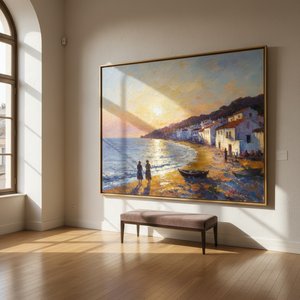
Manuel Benedito Vives: A Study of Light, Color & Emotional Resonance in Contemporary Spanish Painting
Explore the captivating world of Manuel Benedito Vives, a celebrated Spanish painter influenced by Sorolla. Discover his masterful portraits, luminous landscapes & enduring legacy – a favorite of the Spanish Royal Family. Art collectors will appreciate this in-depth study.
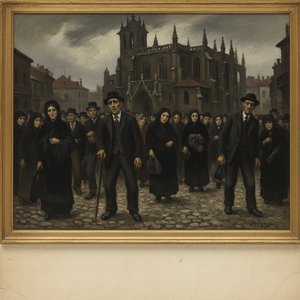
José Gutiérrez Solana: A Chronicle of Spanish Society Through Expressionist Vision
Explore the captivating world of José Gutiérrez Solana, a pivotal Spanish Expressionist painter. Discover his haunting depictions of early 20th-century Spain, influenced by Goya & El Greco. Learn about his key works and lasting legacy.
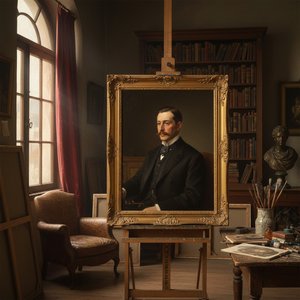
Rafael de Penagos: A Study in Spanish Portraiture & Artistic Identity
Explore the life & art of Rafael de Penagos, a leading Spanish Art Deco illustrator. Discover his iconic 'Penagos Woman', commercial work, and lasting legacy. Learn about this pivotal figure in 20th-century Spanish art history.
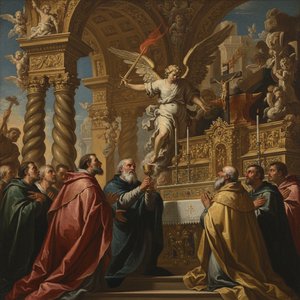
The Golden Age Reforged: Dramatic Realism & Religious Zeal in Spanish Baroque Art
Explore the dramatic world of Spanish Baroque art! Discover masters like Zurbarán & the powerful influence of religious zeal on painting techniques – a guide for collectors and enthusiasts.