 プレビュー
プレビュー
 シェアする
シェアする シェアする
シェアする
 詳細を見る
詳細を見る

 ダウンロード
 似ている作品
 X線調査
X線調査 スライドショー
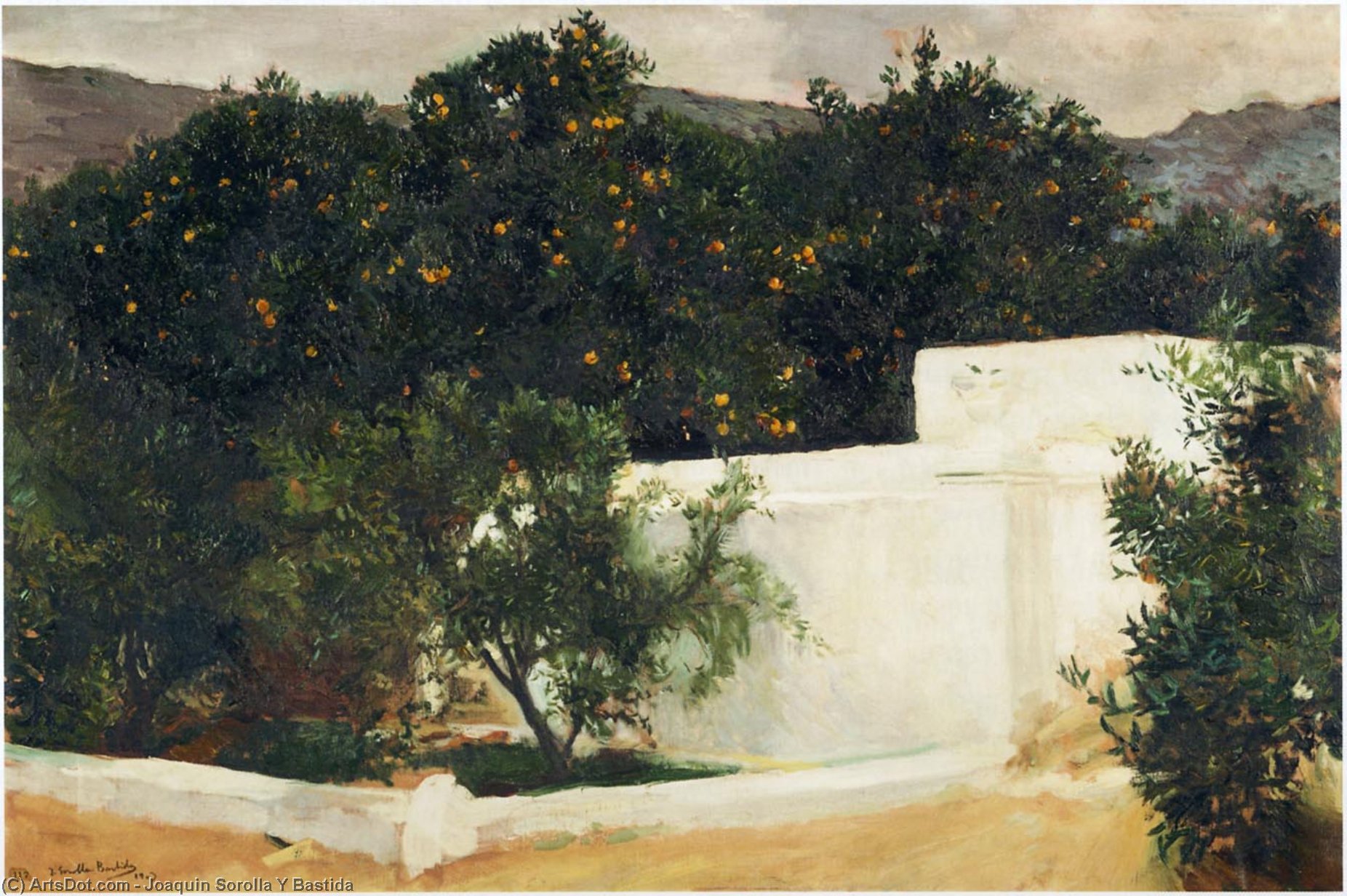
Orange trees on the road to Seville
 Oil On Canvas
- WallArt
- Impressionism
 1903
1903- 19th Century
 65.0 x 97.0 cm
 詳細を見る
詳細を見る
ジークレー/アートプリント
迅速な制作と多彩な仕上げオプションを備えた、ミュージアムクオリティのジークレーまたはキャンバスプリント。 ( 手描きの絵画を購入 画像を購入)




P118B $10

P118H $10

P118W $10

P438Z $10

P508JH $12

P508YH $12

P805H $10

P805Z $10

P919BZ $10

P919G $10

P919XJ $10

P959ZH $10

P968JZ $12

W106C $8

W218G $10

W218JH $8

W218Y $10

W307PJ $10

W316G $10

W316PJ $8

W316Y $10

W398PJ $8

W4111J $10

W500HY $15

W500JH $15

W692G $12

W849H $8

W940BG $15

W953PJ $8




作品のオリジナル比率に合わせた、当店の規定サイズからお選びください。

特定のフレームやスペースに合わせて、ご自身でサイズを指定することも可能です。選択されたサイズが元の画像の比率と一致しない場合、作品をトリミングするか、鏡面反射または単色での塗りつぶしによって画像を拡張いたします。制作を開始する前に、ご確認用のデジタルモックアップをお送りいたします。
画面上のプレビューには、実際のトリミングや拡張は反映されませんのでご注意ください。最終的な構図を正確に確認できるのは、モックアップのみとなります。
カスタムサイズも承っておりますが、元の比率を維持するためには、あらかじめ用意されたリストからサイズを選択することをお勧めいたします。


 ガラスオプションは、110cm未満のサイズでのみご利用いただけます。

Orange trees on the road to Seville
ジークレー/アートプリント
複製画のサイズ
-


合計金額
$ 62
A Sun-Drenched Ode to Spanish Life
To gaze upon Orange Trees on the Road to Seville is to be instantly transported to the golden heart of Andalusia. Joaquín Sorolla y Bastida did not merely paint a scene; he captured a moment saturated with Mediterranean light, transforming a simple roadside vista into an effervescent celebration of life itself. The very air seems thick with warmth and the sweet perfume of ripe citrus. This painting is more than just a depiction of fruit-laden branches; it is a vibrant testament to Sorolla’s profound connection to his native Spain, a place where light dictates mood and color sings out from every corner.
Mastery in Light and Luminous Color
Sorolla's technique here is nothing short of breathtaking. He was a painter obsessed with the quality of natural illumination, and in this work, that obsession shines through every visible stroke. Observe how the brilliant yellow of the oranges pops against the deep, verdant tapestry of the foliage. This contrast is not accidental; it is a calculated symphony orchestrated by an artist who understood light as his most potent pigment. The way the sunlight catches the curve of a fruit or dapples across the leaves speaks to years of dedicated study under the Iberian sun. It gives the entire composition a palpable, almost tangible luminosity that modern reproductions strive so hard to emulate.
The Context of Place and Time
Set on the road leading toward Seville, the painting grounds its natural splendor within human history. The subtle inclusion of architecture in the background serves as an anchor, reminding us that this idyllic moment unfolds against a backdrop of enduring culture and civilization. Sorolla masterfully balances the wild exuberance of nature—the overflowing bounty of the orange trees—with the steadfast presence of man-made structures. This dialogue between the organic and the built is central to understanding his vision: life flourishes where human endeavor meets natural grace.
Symbolism of Abundance and Joy
Beyond its technical brilliance, the painting resonates with deep symbolism. The orange blossom and fruit have long been potent symbols in Spanish culture, representing fertility, joy, and the cyclical abundance of life. For the collector or decorator, owning this piece is acquiring more than just art; it is inviting a spirit of Mediterranean warmth into your own space. It evokes memories of leisurely strolls, sun-drenched afternoons, and simple, profound pleasures—a visual balm for the modern soul.
Bringing Sorolla Home
For those who wish to capture this radiant essence in their own homes or galleries, a high-quality reproduction allows one to experience the emotional impact of Orange Trees on the Road to Seville without the constraints of its original scale. It offers an accessible portal into the luminous world of Joaquín Sorolla y Bastida, allowing you to bathe your interior in his signature glow.
関連作品
アーティストの略歴
Joaquín Sorolla y Bastida - A Life Bathed in Light
Joaquín Sorolla y Bastida, a name synonymous with the radiant light and vibrant energy of Spain, was more than just a painter; he was a chronicler of his nation’s soul. Born in Valencia in 1863, Sorolla's early life was marked by tragedy. Orphaned at the tender age of two following a cholera epidemic that claimed both parents, young Joaquín and his sister were raised by their maternal aunt and uncle. This early experience with loss perhaps instilled within him a profound appreciation for the fleeting beauty of life – a sentiment that would permeate his art. Though hardship shadowed his beginnings, it did not dim the spark of artistic talent that quickly became apparent. He received initial instruction in Valencia, demonstrating an aptitude that led to studies under established artists like Cayetano Capuz and José Benlliure, eventually culminating in a four-year grant to study in Rome. It was there, amidst the classical grandeur of Italy, that Sorolla began to forge his unique artistic path, absorbing influences while simultaneously developing a style distinctly his own.Early Life and Influences
Joaquín Sorolla y Bastida was born on February 27, 1863, in Valencia, Spain – the eldest child of Joaquín Sorolla, a tradesman, and Concepción Bastida. His sister, Concha, arrived a year later. The devastating cholera epidemic that swept through Valencia in 1865 tragically claimed the lives of his parents, leaving him and his sister orphaned at just two years old. They were subsequently cared for by their maternal aunt and uncle, fostering an early awareness of vulnerability and loss—themes that would subtly inform Sorolla’s artistic vision throughout his career. His formative education took place in Valencia, where he honed his skills under the tutelage of Cayetano Capuz and José Benlliure, artists who championed realism and celebrated Valencian culture. Recognizing his exceptional talent, Sorolla secured a prestigious scholarship to study at the Accademia di Belle Arti di Roma (Roman Academy), propelling him toward artistic maturity amidst the intellectual ferment of Italy’s Belle Époque. Here, he encountered the monumental canvases of Francisco Pradilla Ortiz, director of the Spanish Academy in Rome, who instilled in him a deep respect for classical tradition and established a stylistic benchmark that would guide his future endeavors. Furthermore, Sorolla immersed himself in the burgeoning Impressionist movement, captivated by exhibitions showcasing Jules Bastien-Lepage and Adolf von Menzel—artists whose innovative techniques challenged academic conventions and championed capturing fleeting moments of light and color. These influences coalesced into Sorolla’s distinctive artistic voice – a harmonious blend of realism and Impressionistic luminosity that would become his hallmark.From Historical Narratives to Sun-Drenched Realism
Sorolla's initial artistic explorations leaned toward historical painting, mirroring the prevailing trends of his time—large-scale depictions of mythological and biblical scenes intended to inspire awe and reverence. However, a pivotal transformation occurred upon his return to Spain, where he discovered an irresistible fascination with the everyday lives of his countrymen – particularly those inhabiting the picturesque Valencian coast. The intense Mediterranean sunlight, shimmering sea breezes, and vibrant energy of coastal communities became Sorolla’s primary subjects—a deliberate rejection of formal grandeur in favor of capturing the immediacy and beauty of ordinary existence. This stylistic shift wasn't abrupt; Sorolla continued to engage with social realism, exemplified by his poignant portrayal of polio sufferers bathing in the sea – Sad Inheritance (1899)—a painting that garnered considerable acclaim but also revealed a compassionate sensitivity to human suffering. The exhibition of this artwork at the Paris Salon solidified Sorolla’s reputation as a leading voice in Spanish art and underscored his commitment to portraying the realities of contemporary life with honesty and empathy. Sorolla's technique—characterized by bold brushstrokes, loose compositions, and an unwavering dedication to *plein air* painting—became instantly recognizable. He prioritized capturing the ephemeral effects of sunlight on surfaces – skin, water, sand – striving not merely to represent what he saw but to convey its essence—its warmth, vibrancy, and transformative power. This approach distinguished him from many of his contemporaries who adhered to stricter academic standards, establishing Sorolla as a pioneer of Luminism—a style that sought to illuminate the human experience through radiant light. His canvases pulsated with life, infused with an unparalleled sense of spontaneity and dynamism—a testament to his mastery of artistic expression.Major Achievements & Legacy
Sorolla’s prolific output spanned decades, encompassing portraits, landscapes, monumental murals, and numerous genre scenes—each imbued with a distinctive blend of observation and imagination. He achieved international renown through exhibitions in Munich, Paris, Chicago, Vienna, Venice, Buenos Aires, and countless others—receiving accolades from critics and collectors alike. His artistic success was particularly evident in 1892 when he secured the gold medal at the National Exhibition in Madrid for his painting *Another Marguerite*, marking a pivotal moment in his career. He cemented his position as one of Spain’s foremost artists by winning first prize at the Chicago International Exposition in 1893—a triumph that underscored his ability to captivate audiences with evocative imagery and masterful technique. Sorolla's magnum opus, *Vision of Spain*, commissioned by the Hispanic Society of America, represents an extraordinary undertaking—a series of fourteen colossal canvases depicting the regional costumes and customs of Spain’s provinces. Completed posthumously in 1928, this ambitious project stands as a testament to Sorolla’s artistic vision and technical prowess—a monumental achievement that continues to inspire admiration for its grandeur and beauty. Today, Sorolla's paintings reside in prestigious museums worldwide—including the Museo Sorolla in Madrid—where they serve as enduring symbols of Spanish art history and exemplify the transformative power of capturing light and emotion on canvas. His legacy extends beyond his artistic accomplishments; Sorolla remains a beacon of Luminism—a painter whose work continues to resonate with audiences across generations, reminding us that true beauty lies in embracing spontaneity and conveying the profound essence of human experience.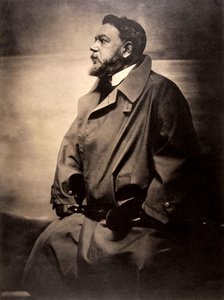
ジョアキン・ソローラ イ バスティダ
1863 - 1923 , スペイン
基本情報
- Artistic Movement Or Style: Impressionisme en Luminisme
- Artists Or Movements Influenced By This Artist: ['Monet']
- Artists Who Influenced This Artist:
- Francisco Pradilla
- Jules Bastien-Lepage
- Date Of Birth: 27 Februari 1863
- Date Of Death: 10 Agustus 1923
- Full Name: Joaquín Sorolla y Bastida
- Nationality: Spaanse kunstenaar
- Notable Artworks:
- Marguerite
- Het terugkomen van het vissen
- Zwaarlijvige meisje
- Kinderen op het strand
- Place Of Birth: Valencia, Spanien
関連記事

ポール・セザンヌ:至高の25選 - 傑作と革新の軌跡 | ArtsDot
ポール・セザンヌの至高の25選。ポスト印象派を代表する画家、セザンヌの傑作と革新的な技法を紐解きます。ArtsDotで高品質な複製画やインテリアアートを見つけ、芸術の世界をご自宅に。今すぐコレクションをご覧ください。
Joaquín Sorolla: Capturing Spanish Light & Life – A Legacy of Impressionism
Explore the luminous world of Joaquín Sorolla, Spanish master of Impressionism. Discover his life, techniques & legacy – a guide for art collectors and enthusiasts. Invest in timeless beauty.

葛飾北斎:25の傑作が語る浮世絵の世界 - ArtsDot
葛飾北斎の25選:『神奈川沖浪裏』や『富嶽三十六景』など、浮世絵の世界を深く探求。木版画の技法と日本美術の美をArtsDotで。高品質なアートプリントで空間に感動を。コレクションはこちら。

Evocations of Place: A Historical Journey Through Landscape Art
Explore the rich history of landscape art with ArtsDot. Discover renowned artists, movements like Impressionism & Romanticism, and expert guidance for collecting timeless pieces. Find your perfect serene escape today!

ロマン派ランドスケープ:時代を彩る巨匠の10選|アートとインテリアの世界
ロマン派絵画の時代を彩る10選。巨匠たちの風景が織りなす感動の世界へ。ターナー、ルーベンスなど、名作の裏話と高精細複製でアートをお部屋に。ArtsDot.comで至福のアート体験を。