

 プレビュー
プレビュー
 プリントを購入
 シェアする
シェアする シェアする
シェアする
 詳細を見る
詳細を見る

 ダウンロード
 似ている作品
 X線調査
X線調査 スライドショー
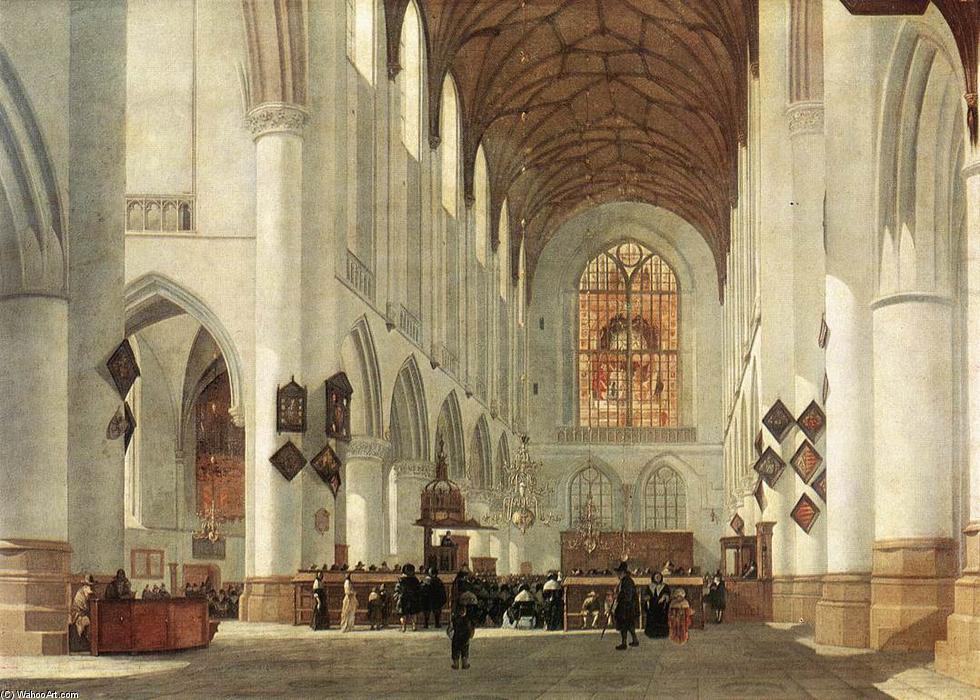
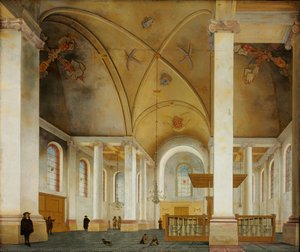
Interior of the St Bavo Church at Haarlem
 Acrylic On Canvas
- WallArt
- Baroque
 1665
1665 61.0 x 85.0 cm
 Gemäldegalerie Alte Meister
 詳細を見る
詳細を見る
オンラインプレビューをはるかに凌ぐ、高解像度で鮮明なデジタル画像をご購入いただけます。
各ファイルは、社内の専門家が高度なツールと熟練した手作業によるレタッチを用いて、細心の注意を払って準備されています。すべての画像において、卓越した鮮明度、正確な色彩再現性、そして繊細なディテールを保証いたします。
最終ファイルは、プロフェッショナルな編集・印刷環境ですぐにご利用いただけるよう最適化された状態で、72時間以内にメールにてお届けいたします。これは、一流のデザインスタジオ、出版社、ギャラリーから信頼されているものと同等の品質です。
デジタル画像のご注文に付随する特典
高品質なデジタル画像配信を、確かな品質で。
ArtsDot.com を選ぶことは、単に画像を手に入れることではありません。それは、プロの手によって精密に仕上げられ、満足保証が付いた高品質なデジタルアートワークを受け取ることを意味します。ご注文いただいた際に自動的に付随する内容は、以下の通りです:

メールですぐにお届け
ご注文から72時間以内に、高解像度のデジタル画像ファイルがメールでお手元に届きます。すぐにそのままご利用いただけます。

AI技術で最適化されたデジタルファイル
お客様の作品は、高度なAIツールと専門家による手作業の編集を組み合わせてプロフェッショナルに最適化されており、細部のディテール、鮮明さ、そして正確な色再現性を最大限に引き出しています。

一生涯無料の再送サービス
ファイルを誤って削除したり、紛失してしまったりしましたか?ご安心ください。いつでも無料で再送いたします。

輸入手数料は一切かかりません
関税や手数料、配送料を気にすることなく、お気に入りのアートワークをすぐにお楽しみいただけます。デジタルダウンロードは常に免税です。

色彩再現の保証
プロ仕様のツールとカラーマネジメント技術を用いることで、デジタル画像が元の色を最大限に忠実に再現することを保証いたします。

60日間満足保証
ご購入いただいたデジタル画像にご満足いただけない場合は、60日以内であれば、修正または100%の返金(理由を問う必要はありません)をさせていただきます。

100% 返金保証
ご満足いただけない場合は、デジタルファイルを受け取ってから60日以内であれば、理由を問わず全額返金いたします。

まとめ買い割引
3枚購入で10%OFF - 5枚購入で15%OFF - 10枚以上購入で20%OFF。クリエイティブなプロジェクト、ギャラリー、エージェンシーに最適です。
A Glimpse of Faith and Community: Job Adriaensz Berckheyde’s Masterpiece
Job Adriaenszoon Berckheyde's “Interior of the St Bavo Church at Haarlem” isn’t merely a painting; it’s a meticulously crafted portal into 17th-century Dutch life. Completed around 1665, this oil on oak panel offers an intimate and remarkably detailed depiction of a sacred space – not as a grand, imposing cathedral, but as a vibrant hub of community and faith. Berckheyde, a key figure in Haarlem’s artistic landscape alongside his brother Gerrit, eschewed the dramatic theatricality favored by some of his contemporaries, instead choosing to capture a scene of quiet devotion and everyday activity within the familiar walls of St Bavo.
Baroque Detail and the Skill of Observation
Berckheyde’s genius lies in his painstaking attention to detail, a hallmark of the Baroque style he embraced. The painting is awash in rich, warm colors – deep reds, browns, and golds – that imbue the scene with an almost tangible sense of warmth and reverence. Notice the masterful use of light; it streams through the high vaulted ceiling, illuminating the faces of the congregants and highlighting the intricate carvings of the wooden benches and pews. The artist’s brushwork is remarkably subtle, creating a sense of depth and texture that invites the viewer to step into the scene. The composition itself is carefully balanced, drawing the eye towards the central altar while simultaneously showcasing the diverse range of individuals present – men in somber robes, women in modest attire, children attentively listening, all united in their shared devotion.
A Window into Haarlem’s Soul
St Bavo Church wasn't just a place of worship; it was the heart of Haarlem. Berckheyde’s painting captures this essence perfectly. The church served as a focal point for civic life, hosting not only religious services but also town meetings and social gatherings. The inclusion of details like the clock on the wall – a symbol of time and order – and the various furniture pieces further emphasize the church's role as a central gathering place. Berckheyde’s work offers a rare glimpse into the daily rhythms of 17th-century Haarlem, revealing a community deeply rooted in tradition and faith.
Symbolism and Historical Context
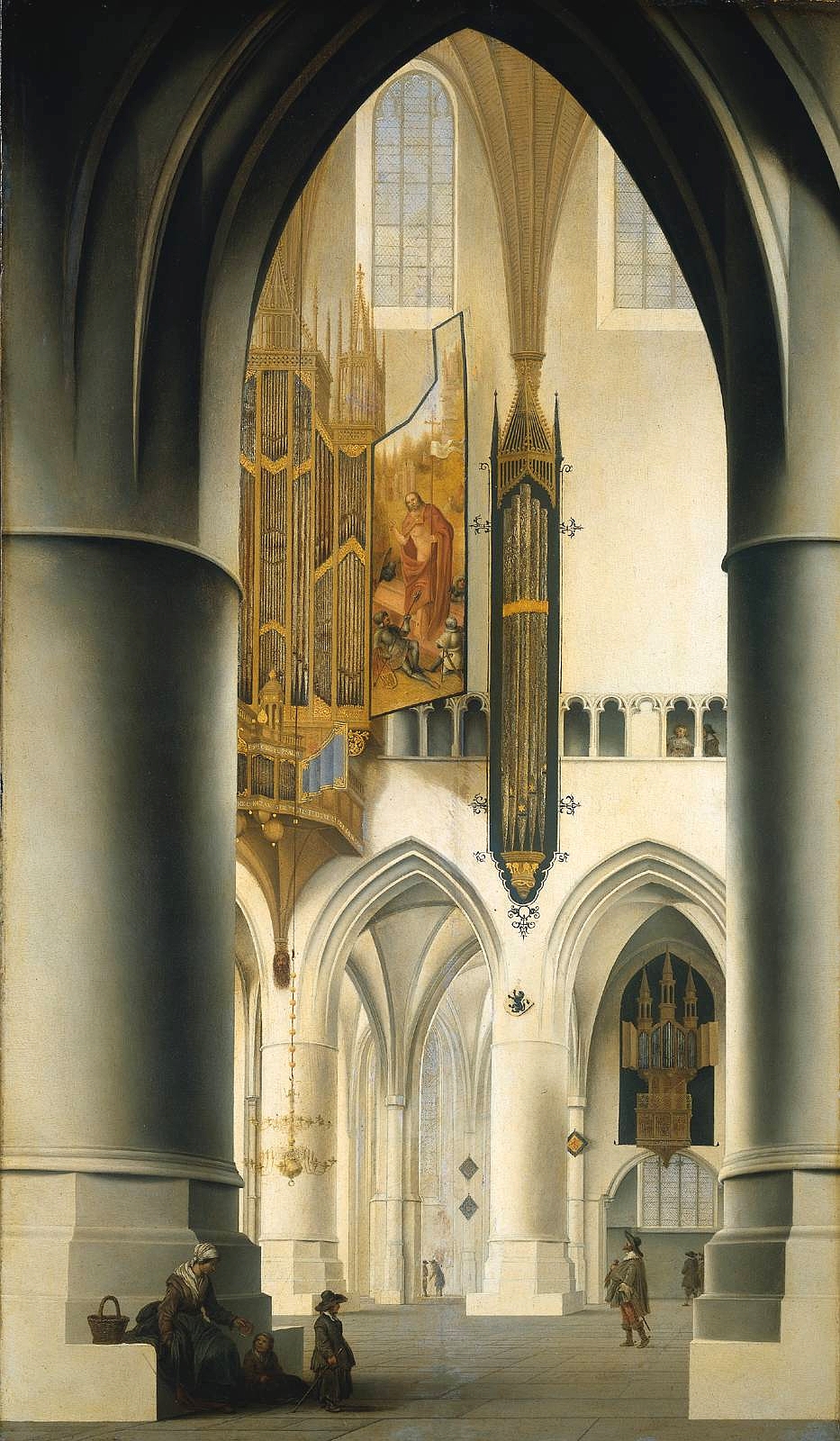
The painting is steeped in symbolism reflective of its time. The architecture itself—a grand example of Gothic design—represents stability, permanence, and the enduring power of the church. The presence of numerous individuals underscores the importance of community and collective faith. Berckheyde’s choice to depict a scene of quiet contemplation rather than elaborate ceremony speaks volumes about the prevailing religious climate of the period – a time when piety and humility were valued above ostentation. The painting is also linked to the broader artistic legacy of Pieter Jansz Saenredam, whose own interiors of Haarlem churches share a similar focus on architectural detail and atmospheric perspective.
Bringing Berckheyde’s Vision Home
Reproductions of “Interior of the St Bavo Church at Haarlem” offer a beautiful way to bring this captivating scene into your home or office. Whether you choose a large-scale canvas print or a smaller, framed version, you'll be investing in a piece of art that not only enhances your décor but also connects you to the rich artistic and cultural heritage of the Netherlands. Consider how the painting’s warm colors and intimate atmosphere can create a sense of peace and reflection within your space – a reminder of the enduring power of faith, community, and artistic skill.
関連作品

作家の略歴
The Master of Haarlem’s Quiet Moments
Job Adriaenszoon Berckheyde, born in the vibrant Dutch city of Haarlem around 1630, remains a profound voice of the Dutch Golden Age, a period where light and shadow danced across the canvases of a burgeoning nation. While history often casts a bright spotlight on his brother, Gerrit Berckheyde, Job carved out a legacy defined by an intimate, almost whispered, approach to reality. His life was deeply intertwined with the artistic pulse of Haarlem, a city that served as both his sanctuary and his primary subject. Through his brush, the mundane became monumental, and the quiet corners of seventeenth-century Dutch life were elevated to the status of high art.
The foundations of Berckheyde’s talent were laid under the guidance of Jacob Willemsz de Wet, a master whose command over chiaroscuro—the dramatic interplay of light and dark—left an indelible mark on the young artist's technique. In early works such as Christ Preaching to the Children (1661), one can sense the heavy, emotive influence of Rembrandt. This early period was characterized by a certain theatricality, where religious narratives were imbued with a palpable, human tension. As he matured, however, Berckheyde’s focus shifted from the dramatic shadows of the pulpit to the luminous clarity of the Dutch interior and the sprawling elegance of the cityscape.
A Journey Through Light and Landscape
Artistic growth for Berckheyde was not a solitary endeavor but a collaborative exploration. Between 1656 and 1660, he and his brother embarked on an ambitious journey through the German territories, traversing the Rhine from Cologne to the scenic landscapes of Mannheim and Heidelberg. This period of travel acted as a catalyst for stylistic evolution. Exposed to new vistas and the pioneering approaches of artists like Vincent van der Vinne, Berckheyde began to refine his ability to capture atmosphere. The influence of German patronage, particularly under Charles I Louis, allowed him to diversify his repertoire, moving into portraiture and hunting scenes that demanded a different kind of precision and grace.
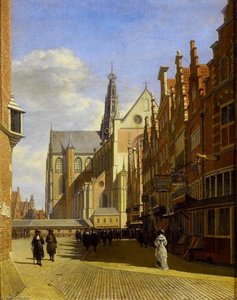
Upon returning to the Netherlands, his work became increasingly synonymous with the architectural soul of Haarlem. He possessed a singular ability to render the structural majesty of Dutch landmarks, most notably in his breathtaking depictions of the Sint-Bavokerk. In these paintings, he did not merely document stone and mortar; he captured the way light filtered through sacred spaces, creating an atmosphere of reverence and stillness. His mastery of perspective allowed viewers to step into the very heart of the choir screen, making the architectural triumphs of his era feel immediate and alive.
The Legacy of Observational Brilliance
As his career progressed, Berckheyde’s oeuvre expanded to include genre scenes and cityscapes that served as windows into a vanished world. His View of a Dutch Canal stands as a testament to his skill in Baroque realism, where the reflections on the water and the intricate details of the canal-side buildings evoke a sense of profound peace. Whether he was capturing the dignified likeness of a merchant like Nicolaes Eichelberg or the bustling energy of a waterfront, his work remained anchored in meticulous observation.
The historical significance of Job Adriaenszoon Berckheyde lies in his role as a chronicler of the Dutch spirit. His paintings are more than mere aesthetic objects; they are cultural artifacts that preserve the light, the architecture, and the social fabric of the seventeenth century. Through his evolution from a student of dramatic shadows to a master of luminous clarity, he helped define the visual language of the Dutch Golden Age, ensuring that the quiet, dignified beauty of Haarlem would endure long after the era itself had passed into legend.
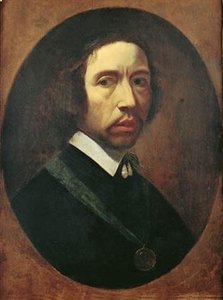
ヨブ・ベルクハイデ
1630 - 1693 , オランダ

