

 プレビュー
プレビュー
 プリントを購入
 シェアする
シェアする シェアする
シェアする
 詳細を見る
詳細を見る

 ダウンロード
 似ている作品
 X線調査
X線調査 スライドショー
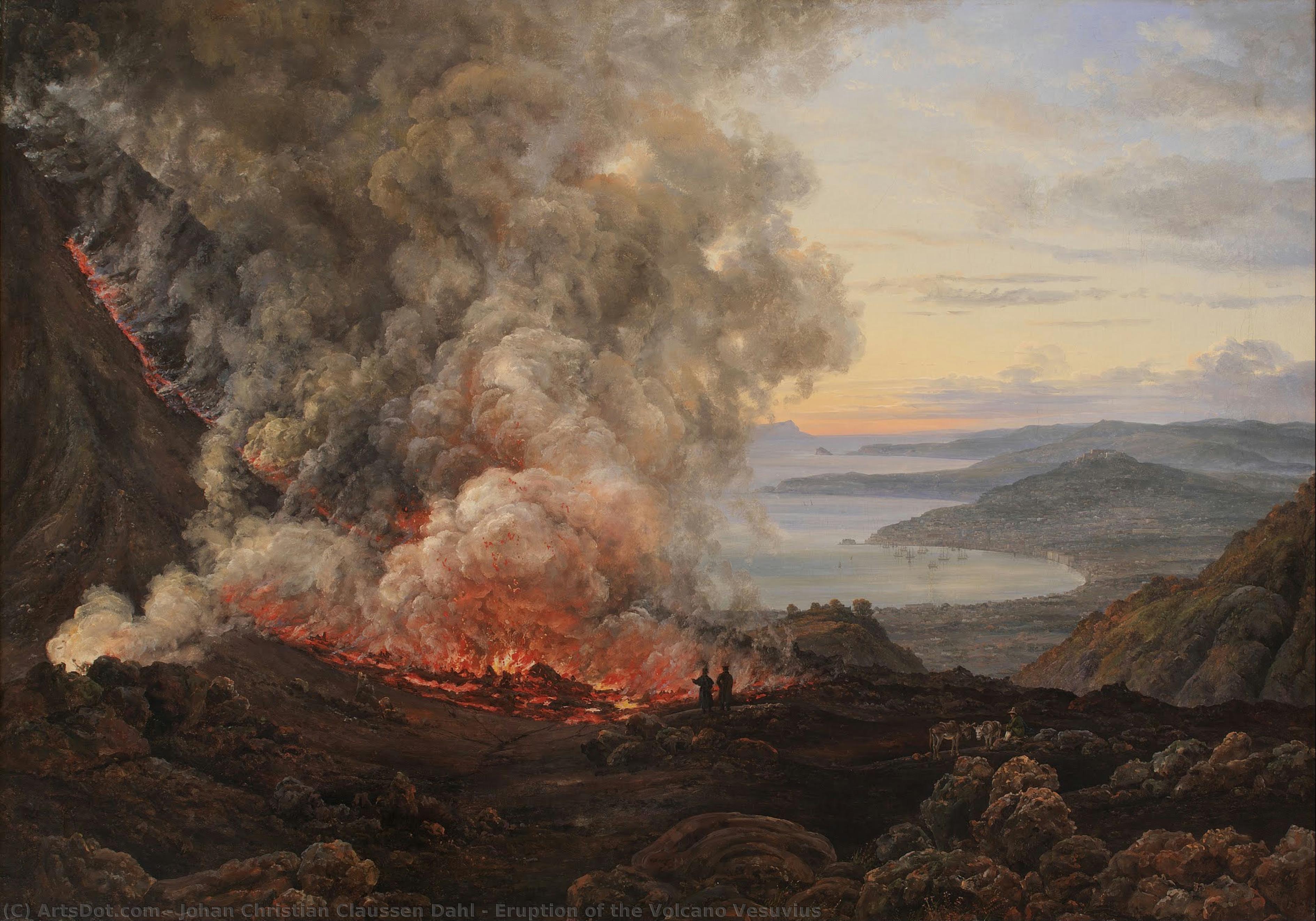
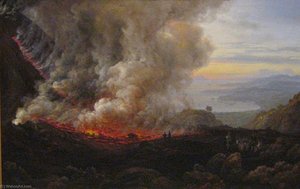
Eruption of the Volcano Vesuvius
 Oil On Canvas
- WallArt
- Romanticism
 1821
1821- 19th Century
 137.0 x 98.0 cm
 National Gallery of Denmark
 詳細を見る
詳細を見る




P118B $10

P118H $10

P118W $10

P438Z $10

P508JH $12

P508YH $12

P805H $10

P805Z $10

P919BZ $10

P919G $10

P919XJ $10

P959ZH $10

P968JZ $12

W106C $8

W218G $10

W218JH $8

W218Y $10

W307PJ $10

W316G $10

W316PJ $8

W316Y $10

W398PJ $8

W4111J $10

W500HY $15

W500JH $15

W692G $12

W849H $8

W940BG $15

W953PJ $8




作品のオリジナル比率に合わせた、当店の規定サイズからお選びください。

特定のフレームやスペースに合わせて、ご希望のサイズをご入力いただけます。選択されたサイズが元の画像の比率と異なる場合、アートワークをトリミングするか、手描きで要素を追加して絵画を拡張いたします。デジタルモックアップ を制作し、制作開始前にご確認(承認)をいただきます。
画面上のプレビューは、実際のトリミングや拡張を正確に反映しているものではありません。最終的な構図は、モックアップによってのみ正確にご確認いただけます。
カスタムサイズもご利用いただけますが、元の比率を維持するためには、あらかじめ用意されたリストからサイズを選択することをお勧めいたします。
ご注文後、ArtsDot.com チームより詳細な指示をお送りするとともに、仕上がりイメージ(モックアップ)をご提供いたします。


 ガラスオプションは、110cm未満のサイズでのみご利用いただけます。

Eruption of the Volcano Vesuvius
複製技法
複製画のサイズ
-


合計金額
$ 288
作品解説
A Symphony of Fire and Wonder
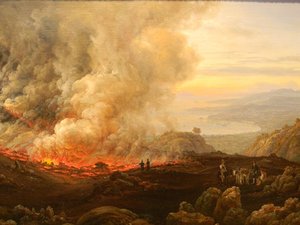
In the annals of Norwegian Romanticism, few works command the senses as profoundly as Johan Christian Dahl’s “Eruption of the Volcano Vesuvius.” Completed in 1821, this monumental oil on canvas is far more than a mere geological record; it is a breathtaking window into the 19th-century soul, capturing that precise, heart-stopping moment where terror meets transcendence. As the viewer approaches this masterpiece, they are immediately swept into a landscape of immense scale and raw, unbridled energy. The scene unfolds across a dramatic vista of Naples Bay, where the sky is bruised with heavy, dark clouds, pierced only by the incandescent, molten glow of Mount Vesuvius in the throes of an eruption. It is a composition that breathes with the heat of the earth itself, inviting us to witness the terrifying beauty of the sublime.
Dahl, often revered as the father of Norwegian landscape painting, utilized his formative travels through Italy to master the art of emotional resonance. In this work, he achieves a perfect balance between meticulous observation and poetic expression. The technique is nothing short of masterful; the artist employs a layered approach that creates an incredible sense of depth. One’s eye travels from the rugged, textured foreground—where dark, cooling lava fields meet the wet, reflective surfaces of the earth—through the middle ground of the erupting peak, and finally toward the distant, hazy coastline of Naples. The brushstrokes, while precise enough to render the billowing smoke and jagged rocks with startling realism, retain a vital energy that mirrors the chaotic movement of the volcanic ash and fire.
The Human Element and the Sublime
What truly elevates this painting from a spectacular landscape to a profound philosophical statement is Dahl’s deliberate use of scale. Tucked into the lower right corner, two diminutive figures stand as silent witnesses to the unfolding catastrophe. These small, human silhouettes serve a dual purpose: they provide a necessary anchor for our gaze and act as a poignant symbol of human insignificance when confronted by the overwhelming forces of nature. This is the very essence of the Romantic movement—the concept of the "Sublime," where beauty is found in that which is vast, powerful, and even slightly dangerous. The figures do not flee; they observe, embodying the bittersweet state of dread and "titillating awe" that Dahl himself sought to evoke.
For the discerning collector or interior designer, this artwork offers a commanding presence that can transform any space. The color palette is a sophisticated study in contrasts, dominated by warm, visceral tones of deep reds, fiery oranges, and earthy browns, which are brilliantly offset by the cooler, somber blues and grays of the twilight sky and distant sea. Such a dynamic range of color makes it an ideal centerpiece for a room designed to inspire contemplation or evoke a sense of drama and grandeur. Whether placed in a private study, a grand gallery, or a contemporary living space, a high-quality reproduction of this work brings with it the historical weight of the Golden Age of Norwegian art and the eternal, flickering light of Vesuvius.
関連作品


アーティストの略歴
幼少期とキャリア
ヨハン・クリスティアン・クラウセン・ダールは、1888年2月24日にノルウェーで生まれました。彼はノルウェーにおける最初の偉大なロマン派画家とされ、「ノルウェー絵画の黄金時代」の創始者として広く認識されています。ダールの初期のキャリアは、ベルゲンの芸術家コミュニティでの訓練から始まり、自然への深い愛情と細部へのこだわりがすぐに明らかになりました。彼はデンマーク王立美術アカデミーで学び、古典的な技術を習得しましたが、ノルウェーの風景に独自の視点を持ち込みました。芸術的貢献
ダールの作品はノルウェーのアート界に大きな影響を与え、「ノルウェーランドスケープ絵画の父」という称号を獲得しました。彼の絵画は、卓越した技術力だけでなく、ノルウェーへの深い愛情も反映しています。注目すべき作品には、以下のようなものがあります:- ヴォーディングボア近郊の冬景色(油彩、コペンハーゲンのデンマーク国立美術館)は、自然の本質を捉える彼の才能を示す証です。
- 他の作品として、ソールズベリー近郊のハーンハム教会は、ロマン主義運動の特徴である光と色のバランスを巧みに示しています。
遺産と文化的影響
ダールの影響力は彼の作品を超えて広がっています。彼はオスロ(ノルウェー)にあるナショナルギャレリートの創設に重要な役割を果たしました。この美術館は、ノルウェー国内外のアート作品を保存・振興することを目的に設立されました。ダールの努力は、ノルウェー文化に永続的な影響を与えました。彼はまた、多くの若い画家たちにインスピレーションを与え、ノルウェーのナショナルアイデンティティの形成にも貢献しました。他のアーティストとの比較
ジョン・コンスタブル(ウォーウィックシャーのマルヴァーンホール)やカスパール・ダーヴィト・フリードリヒ(テプリッツ城の廃墟)のような他のロマン派画家と比較すると、ダールのユニークなスタイルと技術は際立っています。コンスタブルがイングランドの田園風景に焦点を当てたのに対し、フリードリヒがドイツの神秘的な風景を描いたのに対して、ダールはノルウェーの自然の壮大さと厳しさを表現することに情熱を注ぎました。彼の作品は、北欧の光と色彩、そして独特な地形の特徴を捉えています。結論
ヨハン・クリスティアン・クラウセン・ダールの遺産は、アーティストやアート愛好家たちに今もなおインスピレーションを与え続けています。ノルウェーのアートへの彼の貢献は、アート史の中で確固たる地位を築き、ロマン主義の世界において不可欠な存在となっています。ArtsDotで彼の作品をもっと探求し、ロマン主義のムーブメントを発見してください。- ヨハン・クリスティアン・クラウセン・ダールのページを訪れて、彼の作品の包括的なコレクションをご覧ください。
- ダールが共同設立した美術館であるナショナルギャレリート(オスロ、ノルウェー)とその広大なコレクションを発見してください。
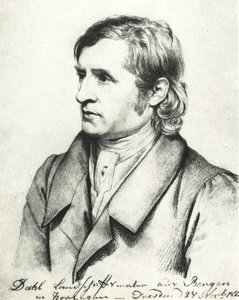
ヨハン・クリスチャン・ダール
1788 - 1857 , ノルウェー
基本情報
- Artistic Movement Or Style: ロマン主義
- Artists Or Movements Influenced By This Artist: ['クヌート・バーデ']
- Artists Who Influenced This Artist:
- ジョン・コンスタブル
- カスパール・ダーヴィト・フリードリヒ
- Date Of Birth: 1788年2月24日
- Date Of Death: 1857年10月14日
- Full Name: ヨハン・クリスティアン・クラウセン・ダール
- Nationality: ノルウェー人
- Notable Artworks (List Of Titles):
- ヴェルディングボルグの冬景色
- サルズベリー近くのハーンハム教会
- Place Of Birth (City And Country): ノルウェー、ベルゲン
関連記事

ロマン派ランドスケープ:時代を彩る巨匠の10選|アートとインテリアの世界
ロマン派絵画の時代を彩る10選。巨匠たちの風景が織りなす感動の世界へ。ターナー、ルーベンスなど、名作の裏話と高精細複製でアートをお部屋に。ArtsDot.comで至福のアート体験を。

Evocations of Place: A Historical Journey Through Landscape Art
Explore the rich history of landscape art with ArtsDot. Discover renowned artists, movements like Impressionism & Romanticism, and expert guidance for collecting timeless pieces. Find your perfect serene escape today!
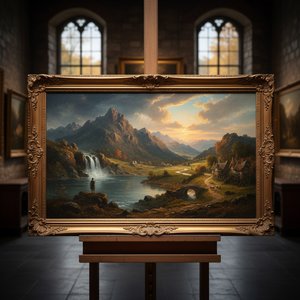
The Sublime and the Picturesque: Exploring Emotion & Nature in Romantic Landscape Painting
Explore the emotional power of Romantic landscape painting! Discover the sublime & picturesque traditions, key artists like Friedrich & Cole, and find your perfect artwork at ArtsDot.

ジョン・コンスタブルの傑作25選:英国風景画の巨匠が描く自然と光の詩 | ArtsDot
ジョン・コンスタブルの傑作25選。英国風景画の巨匠が描く自然と光の詩の世界へ。ロマン主義を代表する絵画、デダム・ヴェールやヘイ・ウェインなど、ArtsDotで高品質なアートプリントをお楽しみください。インテリアに深みと感動を。コレクションはこちら。
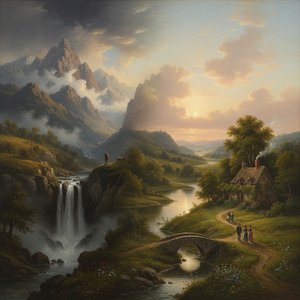
The Sublime and the Picturesque: Exploring Emotion & Nature in Romantic Landscape Painting
Explore the emotional power of Romantic landscape painting! Discover the sublime & picturesque aesthetics, key artists like Friedrich & Cole, and lasting influence on art history. Find your perfect piece at ArtsDot.

