

 プレビュー
プレビュー
 シェアする
シェアする シェアする
シェアする
 詳細を見る
詳細を見る

 ダウンロード
 似ている作品
 X線調査
X線調査 スライドショー
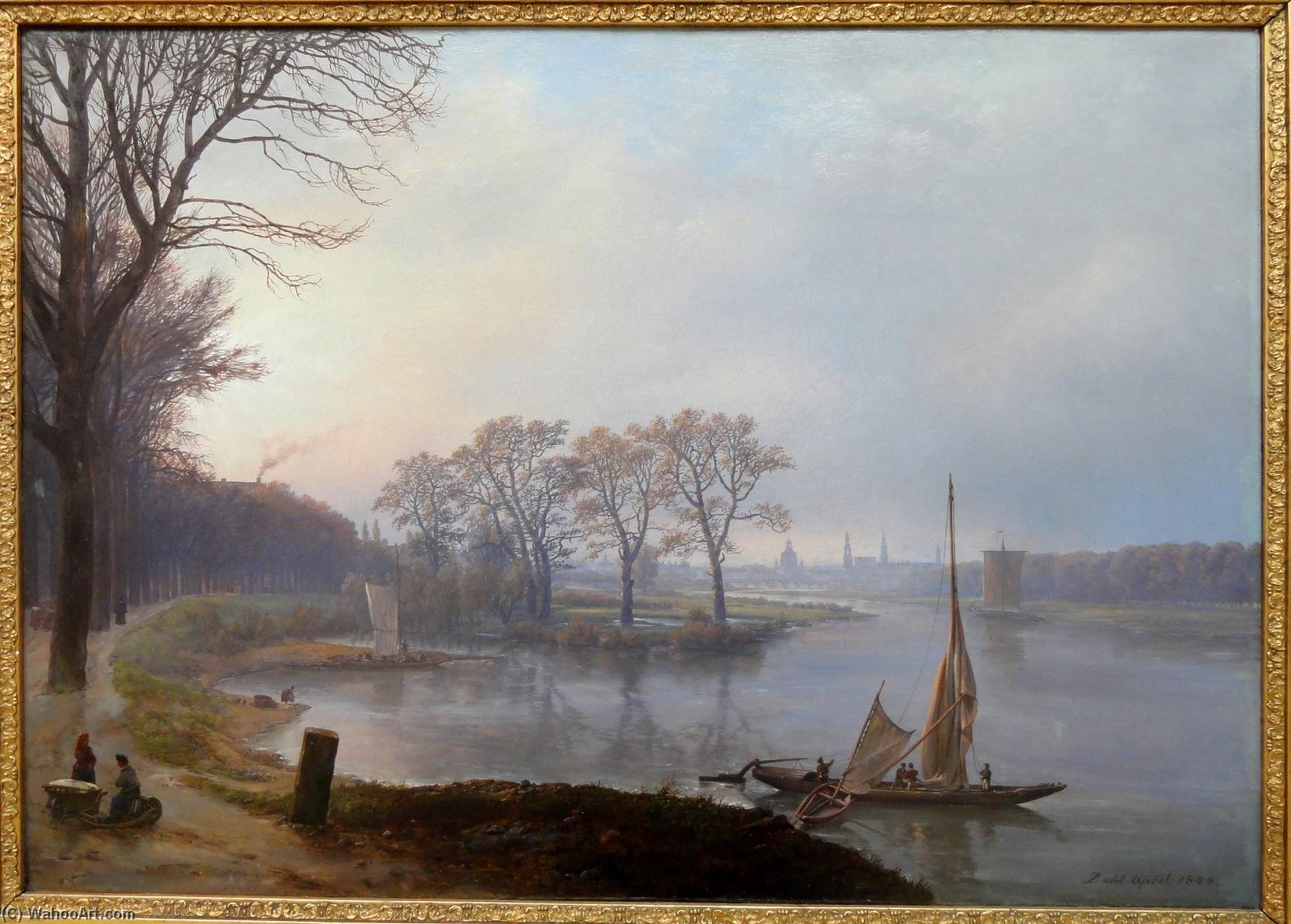
Prospect of Dresden Seen from Pieschen, March Haze
 Acrylic On Canvas
- WallArt
- Romanticism
 1844
1844 54.0 x 75.0 cm
 Ny Carlsberg Glyptotek
 詳細を見る
詳細を見る
ジークレー/アートプリント
迅速な制作と多彩な仕上げオプションを備えた、ミュージアムクオリティのジークレーまたはキャンバスプリント。 ( 手描きの絵画を購入 画像を購入)




P118B $10

P118H $10

P118W $10

P438Z $10

P508JH $12

P508YH $12

P805H $10

P805Z $10

P919BZ $10

P919G $10

P919XJ $10

P959ZH $10

P968JZ $12

W106C $8

W218G $10

W218JH $8

W218Y $10

W307PJ $10

W316G $10

W316PJ $8

W316Y $10

W398PJ $8

W4111J $10

W500HY $15

W500JH $15

W692G $12

W849H $8

W940BG $15

W953PJ $8




作品のオリジナル比率に合わせた、当店の規定サイズからお選びください。

特定のフレームやスペースに合わせて、ご自身でサイズを指定することも可能です。選択されたサイズが元の画像の比率と一致しない場合、作品をトリミングするか、鏡面反射または単色での塗りつぶしによって画像を拡張いたします。制作を開始する前に、ご確認用のデジタルモックアップをお送りいたします。
画面上のプレビューには、実際のトリミングや拡張は反映されませんのでご注意ください。最終的な構図を正確に確認できるのは、モックアップのみとなります。
カスタムサイズも承っておりますが、元の比率を維持するためには、あらかじめ用意されたリストからサイズを選択することをお勧めいたします。


 ガラスオプションは、110cm未満のサイズでのみご利用いただけます。

Prospect of Dresden Seen from Pieschen, March Haze
ジークレー/アートプリント
複製画のサイズ
-


合計金額
$ 62
A Frozen Moment of Serenity: Exploring Dahl’s “Prospect of Dresden Seen from Pieschen”
Johan Christian Claussen Dahl's "Prospect of Dresden Seen from Pieschen, March Haze" (1844) isn’t merely a landscape painting; it’s a carefully constructed distillation of Romanticism’s core tenets – a profound meditation on nature, memory, and the melancholic beauty of the fleeting moment. Painted during a period of intense artistic evolution in Norway, this work stands as a pivotal example of Dahl's unique style, blending meticulous observation with deeply felt emotion. The scene unfolds along the Elbe River near Dresden, capturing not just a visual representation but an atmosphere saturated with both the chill of approaching spring and the lingering vestiges of winter’s grip.
Dahl, often hailed as “the father of Norwegian landscape painting,” was profoundly influenced by the artistic currents sweeping through Europe. He absorbed the dramatic lighting and emotional intensity of German Romanticism – particularly the works of Caspar David Friedrich – while simultaneously forging a distinctly Scandinavian sensibility. This is evident in the painting’s muted palette dominated by greys, blues, and browns, creating a sense of subdued grandeur rather than vibrant spectacle. The hazy atmosphere, achieved through delicate layering of paint and subtle shifts in tone, evokes a feeling of distance and introspection, inviting the viewer to step into the scene and contemplate its quiet beauty.
The Techniques of Romantic Detail
Dahl’s technical mastery is immediately apparent in the painting's remarkable detail. He employed a technique known as ‘pointillé,’ meticulously applying tiny dots of paint to build up texture and create an illusion of depth and atmosphere. This method, reminiscent of Japanese woodblock prints, adds a subtle shimmering quality to the water and snow-covered trees, imbuing the landscape with a tactile realism. The artist’s use of light is particularly noteworthy; it's not harsh or dramatic but rather diffused and atmospheric, casting long shadows and highlighting the delicate details of the winter foliage. The composition itself is carefully balanced, drawing the eye along the riverbank towards the distant cityscape of Dresden, creating a sense of spatial depth and inviting the viewer to lose themselves in the scene.
Symbolism Within the Landscape
Beyond its purely visual appeal, “Prospect of Dresden Seen from Pieschen” is rich with symbolic meaning. The painting’s title explicitly references "Pieschen," a suburb of Dresden, suggesting a connection between the natural world and the urban landscape. The hazy March weather itself symbolizes transition – the end of winter and the beginning of spring, representing both loss and renewal. The boats on the river evoke themes of travel, commerce, and human interaction within the vastness of nature. The solitary figure in the foreground, partially obscured by the mist, could be interpreted as a symbol of introspection or perhaps a longing for connection with the natural world.
A Legacy of Romantic Vision
“Prospect of Dresden Seen from Pieschen” is more than just a beautiful painting; it’s a testament to Dahl's artistic vision and his profound understanding of the relationship between humanity and nature. It exemplifies the core values of the Romantic movement – an emphasis on emotion, imagination, and the sublime power of the natural world. Dahl’s work continues to resonate with viewers today, offering a glimpse into a bygone era while simultaneously reminding us of the enduring beauty and mystery of the landscape. Reproductions of this iconic painting provide a tangible connection to this pivotal moment in art history, allowing us to experience the emotional depth and technical brilliance of one of Norway's greatest artistic figures.
関連作品


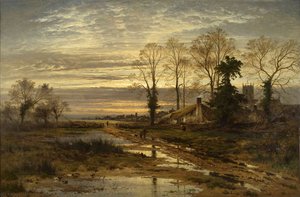
アーティストの略歴
幼少期とキャリア
ヨハン・クリスティアン・クラウセン・ダールは、1888年2月24日にノルウェーで生まれました。彼はノルウェーにおける最初の偉大なロマン派画家とされ、「ノルウェー絵画の黄金時代」の創始者として広く認識されています。ダールの初期のキャリアは、ベルゲンの芸術家コミュニティでの訓練から始まり、自然への深い愛情と細部へのこだわりがすぐに明らかになりました。彼はデンマーク王立美術アカデミーで学び、古典的な技術を習得しましたが、ノルウェーの風景に独自の視点を持ち込みました。芸術的貢献
ダールの作品はノルウェーのアート界に大きな影響を与え、「ノルウェーランドスケープ絵画の父」という称号を獲得しました。彼の絵画は、卓越した技術力だけでなく、ノルウェーへの深い愛情も反映しています。注目すべき作品には、以下のようなものがあります:- ヴォーディングボア近郊の冬景色(油彩、コペンハーゲンのデンマーク国立美術館)は、自然の本質を捉える彼の才能を示す証です。
- 他の作品として、ソールズベリー近郊のハーンハム教会は、ロマン主義運動の特徴である光と色のバランスを巧みに示しています。
遺産と文化的影響
ダールの影響力は彼の作品を超えて広がっています。彼はオスロ(ノルウェー)にあるナショナルギャレリートの創設に重要な役割を果たしました。この美術館は、ノルウェー国内外のアート作品を保存・振興することを目的に設立されました。ダールの努力は、ノルウェー文化に永続的な影響を与えました。彼はまた、多くの若い画家たちにインスピレーションを与え、ノルウェーのナショナルアイデンティティの形成にも貢献しました。他のアーティストとの比較
ジョン・コンスタブル(ウォーウィックシャーのマルヴァーンホール)やカスパール・ダーヴィト・フリードリヒ(テプリッツ城の廃墟)のような他のロマン派画家と比較すると、ダールのユニークなスタイルと技術は際立っています。コンスタブルがイングランドの田園風景に焦点を当てたのに対し、フリードリヒがドイツの神秘的な風景を描いたのに対して、ダールはノルウェーの自然の壮大さと厳しさを表現することに情熱を注ぎました。彼の作品は、北欧の光と色彩、そして独特な地形の特徴を捉えています。結論
ヨハン・クリスティアン・クラウセン・ダールの遺産は、アーティストやアート愛好家たちに今もなおインスピレーションを与え続けています。ノルウェーのアートへの彼の貢献は、アート史の中で確固たる地位を築き、ロマン主義の世界において不可欠な存在となっています。ArtsDotで彼の作品をもっと探求し、ロマン主義のムーブメントを発見してください。- ヨハン・クリスティアン・クラウセン・ダールのページを訪れて、彼の作品の包括的なコレクションをご覧ください。
- ダールが共同設立した美術館であるナショナルギャレリート(オスロ、ノルウェー)とその広大なコレクションを発見してください。
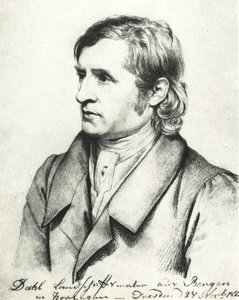
ヨハン・クリスチャン・ダール
1788 - 1857 , ノルウェー
基本情報
- Artistic Movement Or Style: ロマン主義
- Artists Or Movements Influenced By This Artist: ['クヌート・バーデ']
- Artists Who Influenced This Artist:
- ジョン・コンスタブル
- カスパール・ダーヴィト・フリードリヒ
- Date Of Birth: 1788年2月24日
- Date Of Death: 1857年10月14日
- Full Name: ヨハン・クリスティアン・クラウセン・ダール
- Nationality: ノルウェー人
- Notable Artworks (List Of Titles):
- ヴェルディングボルグの冬景色
- サルズベリー近くのハーンハム教会
- Place Of Birth (City And Country): ノルウェー、ベルゲン
関連記事
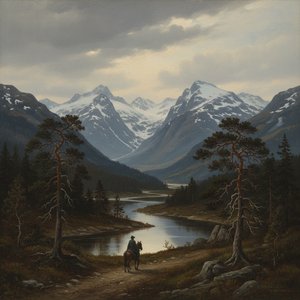
Johan Christian Dahl: Pioneering Norwegian Romantic Landscape Painting
Explore the life & art of Johan Christian Dahl, Norway's first great Romantic painter. Discover his iconic landscapes, cultural impact, and lasting legacy with ArtsDot.

ロマン派ランドスケープ:時代を彩る巨匠の10選|アートとインテリアの世界
ロマン派絵画の時代を彩る10選。巨匠たちの風景が織りなす感動の世界へ。ターナー、ルーベンスなど、名作の裏話と高精細複製でアートをお部屋に。ArtsDot.comで至福のアート体験を。

ジョン・コンスタブルの傑作25選:英国風景画の巨匠が描く自然と光の詩 | ArtsDot
ジョン・コンスタブルの傑作25選。英国風景画の巨匠が描く自然と光の詩の世界へ。ロマン主義を代表する絵画、デダム・ヴェールやヘイ・ウェインなど、ArtsDotで高品質なアートプリントをお楽しみください。インテリアに深みと感動を。コレクションはこちら。

Evocations of Place: A Historical Journey Through Landscape Art
Explore the rich history of landscape art with ArtsDot. Discover renowned artists, movements like Impressionism & Romanticism, and expert guidance for collecting timeless pieces. Find your perfect serene escape today!

Evocations of Place: A Historical Journey Through Landscape Art
Explore the rich history of landscape art with ArtsDot. Discover renowned artists, movements like Impressionism & tonalism, and expert guidance for collecting timeless pieces. Find your perfect serene escape today!