

 プレビュー
プレビュー
 シェアする
シェアする シェアする
シェアする
 詳細を見る
詳細を見る

 ダウンロード
 似ている作品
 X線調査
X線調査 スライドショー
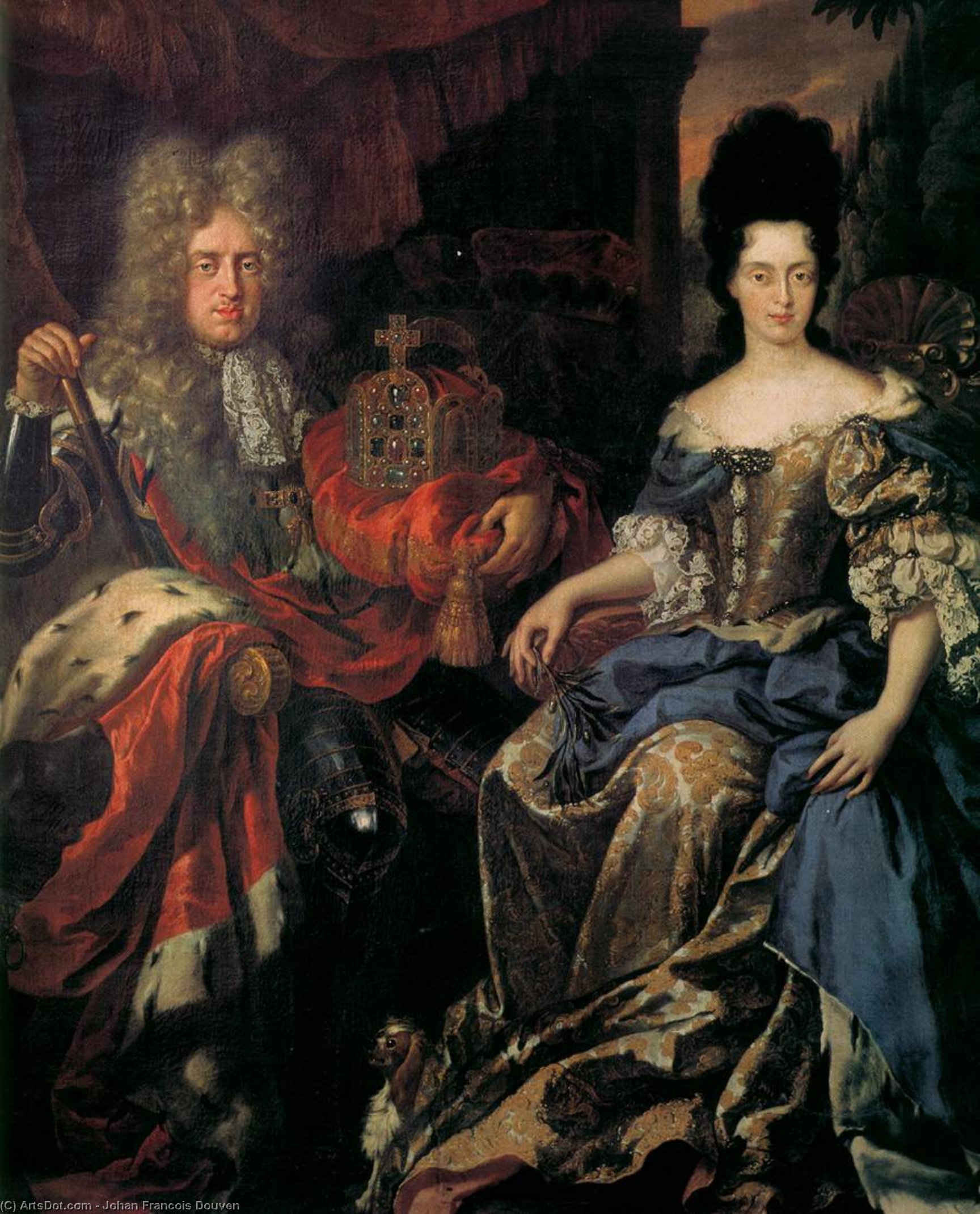
Elector Palatine Johann Wilhelm von Pfalz-Neuburg and Anna Maria Luisa de' Medici
 Acrylic On Canvas
- WallArt
- Baroque Portraiture
 243.0 x 182.0 cm
 ウフィツィ美術館
 詳細を見る
詳細を見る
ジークレー/アートプリント
迅速な制作と多彩な仕上げオプションを備えた、ミュージアムクオリティのジークレーまたはキャンバスプリント。 ( 手描きの絵画を購入 画像を購入)




P118B $10

P118H $10

P118W $10

P438Z $10

P508JH $12

P508YH $12

P805H $10

P805Z $10

P919BZ $10

P919G $10

P919XJ $10

P959ZH $10

P968JZ $12

W106C $8

W218G $10

W218JH $8

W218Y $10

W307PJ $10

W316G $10

W316PJ $8

W316Y $10

W398PJ $8

W4111J $10

W500HY $15

W500JH $15

W692G $12

W849H $8

W940BG $15

W953PJ $8




作品のオリジナル比率に合わせた、当店の規定サイズからお選びください。

特定のフレームやスペースに合わせて、ご自身でサイズを指定することも可能です。選択されたサイズが元の画像の比率と一致しない場合、作品をトリミングするか、鏡面反射または単色での塗りつぶしによって画像を拡張いたします。制作を開始する前に、ご確認用のデジタルモックアップをお送りいたします。
画面上のプレビューには、実際のトリミングや拡張は反映されませんのでご注意ください。最終的な構図を正確に確認できるのは、モックアップのみとなります。
カスタムサイズも承っておりますが、元の比率を維持するためには、あらかじめ用意されたリストからサイズを選択することをお勧めいたします。


 ガラスオプションは、110cm未満のサイズでのみご利用いただけます。

Elector Palatine Johann Wilhelm von Pfalz-Neuburg and Anna Maria Luisa de' Medici
ジークレー/アートプリント
複製画のサイズ
-


合計金額
$ 62
Elector Palatine Johann Wilhelm von Pfalz-Neuburg and Anna Maria Luisa de' Medici: A Portrait of Power and Grace
The painting by Jan Frans van Douven, “Elector Palatine Johann Wilhelm von Pfalz-Neuberg and Anna Maria Luisa de’ Medici,” stands as a cornerstone of Düsseldorf’s artistic heritage and exemplifies the zenith of Baroque portraiture. Executed in 1708, this monumental oil on canvas – measuring an impressive 243 x 182 cm – currently resides within the Galleria degli Uffizi in Florence, Italy, offering visitors a rare glimpse into the opulent court life of the Holy Roman Empire. Douven’s masterful skill lies not merely in capturing likeness but in conveying character and status with breathtaking precision, cementing his place among the most celebrated artists of his era.The Artist and His Style: A Legacy of Leiden School Realism
Johan François Douven (1656 – 1727), born in Roermond, Netherlands, was a son of Gerard Douven, himself a respected artist who had honed his craft during formative years in Rome. This lineage instilled within Douven an unwavering dedication to meticulous observation and the pursuit of idealized realism—a hallmark of the Leiden School, which profoundly influenced his artistic vision. Unlike the dramatic flourishes favored by Rubens or Rembrandt, Douven’s style prioritized subtle tonal gradations and nuanced rendering of textures, creating images imbued with a palpable sense of atmosphere and psychological depth. His father's influence ensured that Douven absorbed the principles of Roman art, emphasizing clarity and precision—a stylistic choice that would define his oeuvre for decades to come.A Symbol of Habsburg Stability Amidst Turbulent Times
The painting depicts Johann Wilhelm II, Elector Palatine – ruler of Bavaria and a descendant of Mary Stuart – alongside his wife, Anna Maria Luisa de’ Medici, granddaughter of Cosimo I de' Medici and Duchess of Tuscany. This union represented a strategic alliance designed to bolster the Habsburg dynasty’s influence during a period marked by escalating political instability across Europe. Douven skillfully portrays the couple seated on chairs, bathed in soft light emanating from an unseen source—a compositional device that underscores their dignity and reinforces the grandeur of the setting. The meticulous detail with which Douven captures the fabrics of their garments – crimson velvet for Wilhelm and azure silk for Anna Maria Luisa – speaks volumes about the wealth and prestige associated with the Habsburg court.Technical Mastery: Layers of Color and Texture
Douven’s technique is characterized by a painstaking layering process—a hallmark of Baroque painting—that allowed him to achieve unparalleled luminosity and depth. He began by applying thin glazes over a preparatory underpainting, gradually building up tonal variations through successive applications of oil paint. This method ensured that every brushstroke contributed to the overall effect, resulting in an image replete with subtle nuances of color and texture. The artist’s meticulous attention to detail extends beyond mere representation; he strives to evoke emotion by subtly modulating light and shadow—a technique that imbues the portrait with a sense of immediacy and psychological resonance.A Window into Eighteenth-Century Court Culture
Beyond its aesthetic beauty, “Elector Palatine Johann Wilhelm von Pfalz-Neuberg and Anna Maria Luisa de’ Medici” serves as invaluable documentation of eighteenth-century court culture—a realm defined by formality, ritual, and elaborate displays of wealth. The inclusion of a dog – positioned prominently in the lower portion of the canvas – symbolizes loyalty and nobility, reflecting the values upheld by the Habsburg elite. This painting transcends mere portraiture; it encapsulates the spirit of an era preoccupied with maintaining social order and projecting an image of imperial grandeur—a legacy that continues to inspire admiration and fascination today.関連作品

アーティストの略歴
The Master of the Palatine Court: The Life and Legacy of Johan François Douven
In the grand, gilded corridors of the seventeenth-century European courts, few artists captured the essence of sovereign power and aristocratic grace as effectively as Johan François Douven. Born in 1656 in Roermond, Netherlands, Douven emerged from a lineage steeped in artistic appreciation. His father, Gerard Douven, a canon priest with a profound love for the Roman masters, instilled in his son an early reverence for the classical traditions of Italy. This foundational connection to the warmth and light of Rome would later permeate Douven’s work, even as he navigated the distinct stylistic landscapes of the Southern Netherlands and Germany. Though his father passed away when Johan was young, the seeds of technical mastery had already been sown, nurtured by a childhood rich in Latinity and the burgeoning techniques of fine art.
Douven’s artistic journey was one of continuous refinement and geographical movement, each stage adding a new layer to his stylistic repertoire. Following an apprenticeship under Hendrick van Balen I in Antwerp, he absorbed the lingering elegance of Mannerism and the robust energy of the Early Baroque. This period in Antwerp allowed him to master the intricate details and compositional complexities that would become hallmarks of his later portraiture. His training was further enriched by a pivotal two-on-year apprenticeship in Liège under Gabriel Lambertin, whose own Roman influences provided Douven with a sophisticated understanding of light and shadow. As he moved through the artistic circles of the era, including studies with his cousin Christoffel Puytlinck, Douven developed a singular ability to blend the meticulous realism of the Dutch Leyden School with the dramatic, emotive flair of the Baroque.
A Splendor in Düsseldorf: The Court Painter’s Zenith
The true turning point in Douven’s career arrived in 1682, when he transitioned from a rising talent to a central figure in the cultural life of the Rhineland. Settling in Düsseldorf, he secured the prestigious position of official court painter to Elector Johann Wilhelm von Pfalz-Neuburg, affectionately known as Jan Wellem. This appointment was more than a mere job; it was an invitation to document the very heartbeat of the Palatine Court. Within the walls of the ducal residence, Douven became the visual biographer of an era, tasked with translating the political might and personal dignity of his patrons into enduring oil on canvas.
His work during this period represents the pinnacle of Baroque portraiture, characterized by a profound psychological depth that transcends mere physical likeness. When one gazes upon his portraits of the Elector or the elegant Anna Maria Luisa de’ Medici, there is an unmistakable sense of presence. Douven did not merely paint faces; he painted status, character, and the weight of responsibility. His technique utilized dramatic lighting—often referred to as chiaroscuro—to pull subjects from the darkness, highlighting the rich textures of silk, lace, and velvet. This meticulous attention to material detail served to reinforce the opulence of the court, making his canvases essential instruments of royal propaganda and historical record.
Artistic Significance and Enduring Impression
The legacy of Johan François Douven resides not only in the individual masterpieces that now grace museums like the Galleria degli Uffizi but also in his role as a bridge between different European artistic traditions. By synthesizing the precision of the Netherlandish tradition with the grandiosity of the German Baroque, he helped define the visual language of the Palatine Court. His ability to capture the "inner character" through subtle gestures and expressive facial expressions marked him as a master of the human condition.
Today, Douven is remembered as a cornerstone of Düsseldorf’s artistic heritage. His contributions can be summarized through several key achievements:
- Mastery of Realism: His unwavering dedication to technical precision and the realistic depiction of textures and light.
- Courtly Documentation: The creation of an invaluable visual archive of the Elector Palatine’s reign, capturing the political and social zenith of the era.
- Stylistic Synthesis: The successful integration of Antwerp’s Mannerist influences, Liège’s Roman-inspired light, and the Dutch Leyden School's observational rigor.
Though time has passed since his death in 1727, the luminous presence of his subjects continues to command attention, reminding modern viewers of a time when art was the ultimate mirror of power, grace, and the enduring human spirit.
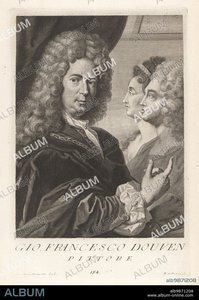
johan francois douven
1656 - 1727 , Netherlands
基本情報
- Artistic Movement Or Style: Düsseldorf School
- Artists Who Influenced This Artist:
- Rembrandt van Rijn
- Peter Paul Rubens
- Date Of Birth: 1656
- Full Name: Johan François Douven
- Nationality: Dutch
- Notable Artworks:
- Portrait Of Johann Wilhelm, Elector Of The Palatinate
- Portrait Of Johann Wilhelm, Elector Palatine
- Place Of Birth: Roermond, Netherlands

