

 プレビュー
プレビュー
 シェアする
シェアする シェアする
シェアする
 詳細を見る
詳細を見る

 ダウンロード
 似ている作品
 X線調査
X線調査 スライドショー
 統計情報
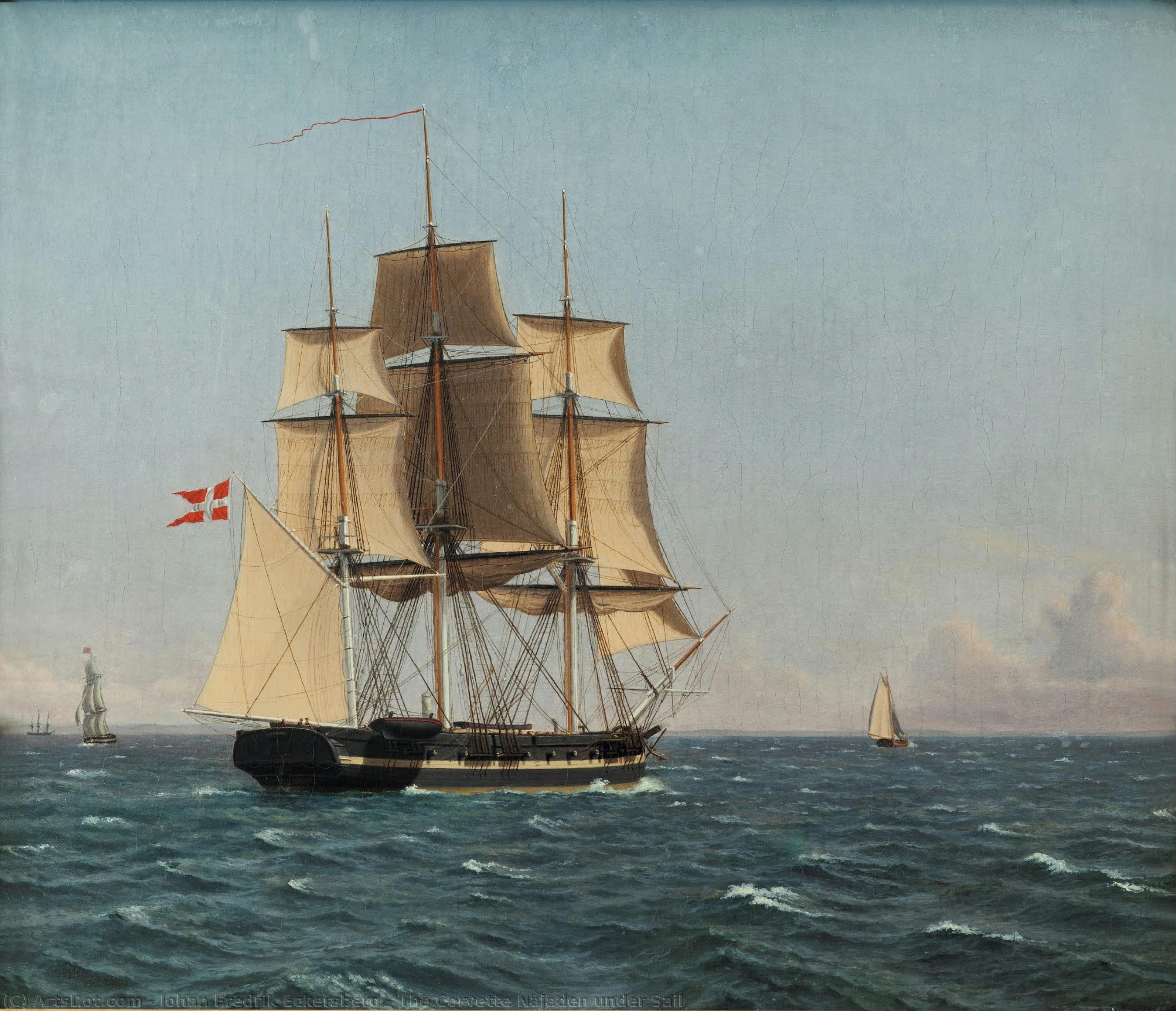
統計情報The Corvette Najaden under Sail
 1834
1834 48.0 x 56.0 cm
 詳細を見る
詳細を見る
ジークレー/アートプリント
迅速な制作と多彩な仕上げオプションを備えた、ミュージアムクオリティのジークレーまたはキャンバスプリント。 ( 手描きの絵画を購入 デジタル画像販売へ切り替え)




































標準サイズ
オーダーメイド
CM
INCH
作品のオリジナル比率に合わせた、当店の規定サイズからお選びください。
Loading sizes...

幅
高さ
特定のフレームやスペースに合わせて、ご自身でサイズを指定することも可能です。選択されたサイズが元の画像の比率と一致しない場合、作品をトリミングするか、鏡面反射または単色での塗りつぶしによって画像を拡張いたします。制作を開始する前に、ご確認用のデジタルモックアップをお送りいたします。
画面上のプレビューには、実際のトリミングや拡張は反映されませんのでご注意ください。最終的な構図を正確に確認できるのは、モックアップのみとなります。
カスタムサイズも承っておりますが、元の比率を維持するためには、あらかじめ用意されたリストからサイズを選択することをお勧めいたします。


 ガラスオプションは、110cm未満のサイズでのみご利用いただけます。

The Corvette Najaden under Sail
ジークレー/アートプリント
複製画のサイズ
-


合計金額
$ 62
In the 1830s and 1840s, Eckersberg was fascinated with marine painting. Despite the loss of the fleet in 1807, Denmark remained a seafaring nation. The ships’ aesthetic must have appealed to Eckersberg’s interest in perspective and at the time, he was the leading painter of marine art. In 1833, Eckersberg took a two-week trip with the corvette Najaden. In the following years, he painted the ship at least five times. The artist carried out many of this type of shorter or longer trips onboard the ships he was interested in. Along the way, he took detailed notes regarding weather conditions, the appearance of waves in various kinds of wind, about which sails the ships used, as well as about the route and manoeuvres in general.About the artist:Eckersberg studied under Nicolai Abildgaard and art historically, he has been proclaimed the Father of Danish Painting, because he was the first professor to establish a school and his students include many of the most famous Golden Age painters. He broke with the idealising art of the 1700s and introduced a new form of realism based on nature studies and compositional principles. In 1810, he won the Academy’s prestigious gold medal, and subsequently spent a year in Paris studying under the great neo-classical painter Jacques-Louis David. Eckersberg was the very first to introduce direct study from nature at the Art Academy, and in doing so, had a decisive impact on the development of Golden Age art in Denmark. He was greatly influential for numerous young artists such as Martinus Rørbye, Christen Købke, Constantin Hansen, Jørgen Roed and Wilhelm Marstand.
関連作品








アーティストの略歴
Johan Fredrik Eckersberg: Painter of Norwegian Romanticism
Johan Fredrik Eckersberg (1803 – 1876) stands as a pivotal figure in the history of Norwegian art, embodying the spirit of Romanticism and establishing himself as one of Norway’s foremost landscape painters. Born in Bergen, Eckersberg's artistic journey began with formal training in Düsseldorf under Anton Graff, immersing him in the German Romantic tradition – a movement characterized by an intense fascination for emotion, imagination, and the sublime beauty of nature. This formative experience profoundly shaped his stylistic sensibilities and cemented his dedication to capturing the grandeur of the Norwegian fjord landscape.- Early Life & Training: Eckersberg’s upbringing instilled in him a deep appreciation for craftsmanship and artistic rigor. His father, a shipbuilder, fostered an early interest in precision and observation—skills that would prove invaluable as he honed his painting technique. Düsseldorf's academy provided him with access to the latest artistic innovations, exposing him to artists like Caspar David Friedrich and influencing his approach to portraying dramatic landscapes.
- Return to Norway & National Identity: Upon returning to Bergen in 1830, Eckersberg actively championed Norwegian national identity through his art. He embraced the burgeoning nationalist fervor of the era, depicting iconic Norwegian scenes—particularly fjord vistas adorned with traditional costumes—to celebrate the country’s heritage and foster a sense of collective pride. This commitment extended beyond mere visual representation; he served as professor at Bergen Kunstakademi, nurturing the talents of younger artists and shaping the artistic landscape of Norway.
The Fjord Landscape: Eckersberg's Signature Style
Eckersberg’s artistic legacy rests primarily on his masterful depictions of Norwegian fjords. Unlike earlier Romantic painters who often idealized landscapes, Eckersberg achieved remarkable realism—capturing the subtle nuances of light and atmosphere with unparalleled accuracy. His canvases pulsate with vibrant color palettes—deep blues and greens reflecting the crystalline waters of the fjords—and meticulously rendered details conveying the rugged textures of mountainsides and rocky shores. He skillfully employed atmospheric perspective, creating a sense of depth and grandeur that transported viewers into the heart of Norwegian wilderness.- Technique & Composition: Eckersberg’s technique involved painstaking layering of glazes—thin translucent washes of paint—to build up tonal gradations and achieve luminous effects. He meticulously studied geological formations and utilized scientific observation to inform his artistic renderings, demonstrating a commitment to both aesthetic beauty and intellectual rigor. His compositions often featured dramatic viewpoints, emphasizing the immensity of the landscape and conveying a feeling of awe.
- Notable Paintings: Among Eckersberg’s most celebrated works are “Devotions at Porta Santa,” showcasing his ability to convey emotion through architectural grandeur; “Norwegian Nydalen fabrikker malt av Johan Fredrik Eckersberg i 1851”, which powerfully juxtaposes industrial progress with the unspoiled beauty of Norwegian nature; and "Figures in a mountainous river landscape," demonstrating Eckersberg's masterful command of tonal harmony and spatial illusion.
Influences & Legacy
Eckersberg’s artistic vision drew inspiration from German Romanticism, particularly Friedrich’s exploration of sublime landscapes and his preoccupation with spiritual contemplation. However, he also absorbed elements of Dutch Realism—influenced by artists like Rembrandt—resulting in a distinctive blend of stylistic approaches. Eckersberg's unwavering dedication to portraying Norwegian scenery solidified his position as the foremost landscape painter of his time and profoundly impacted subsequent generations of Norwegian artists. His influence extended beyond mere visual style; Eckersberg championed artistic integrity and intellectual curiosity, establishing Bergen Kunstakademi as a beacon of Norwegian art education. Today, Eckersberg’s paintings continue to inspire admiration for their beauty and technical brilliance—serving as enduring symbols of Norwegian Romanticism and testament to the transformative power of art.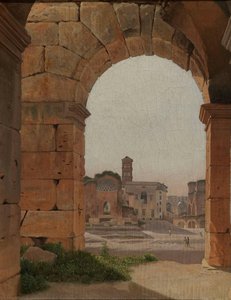
基本情報
- Artistic Movement Or Style: Romantic Landscape Painting
- Artists Or Movements Influenced By This Artist: ['Romanticism']
- Artists Who Influenced This Artist: ['Caspar David Friedrich']
- Date Of Death: Living
- Full Name: Johan Fredrik Eckersberg
- Nationality: Norwegian
- Notable Artworks:
- Figures in a mountainous river landscape
- Devotions at the Porta Santa of St. Peter
- Norwegian Nydalen fabrikker malt av Johan Fredrik Eckersberg i 1851
- Place Of Birth: Christiania (Oslo)