

 プレビュー
プレビュー
 シェアする
シェアする シェアする
シェアする
 詳細を見る
詳細を見る

 ダウンロード
 似ている作品
 X線調査
X線調査 スライドショー
 統計情報
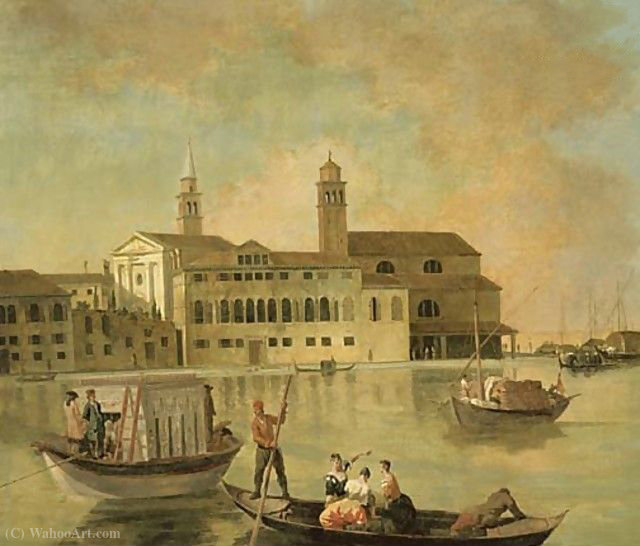
統計情報Venice, a view of San Biagio and the church of San Biagio e Cataldo on the Giudecca with elegant figures in a burchiello

 詳細を見る
詳細を見る
ジークレー/アートプリント
迅速な制作と多彩な仕上げオプションを備えた、ミュージアムクオリティのジークレーまたはキャンバスプリント。 ( 手描きの絵画を購入 デジタル画像販売へ切り替え)




































作品のオリジナル比率に合わせた、当店の規定サイズからお選びください。

特定のフレームやスペースに合わせて、ご自身でサイズを指定することも可能です。選択されたサイズが元の画像の比率と一致しない場合、作品をトリミングするか、鏡面反射または単色での塗りつぶしによって画像を拡張いたします。制作を開始する前に、ご確認用のデジタルモックアップをお送りいたします。
画面上のプレビューには、実際のトリミングや拡張は反映されませんのでご注意ください。最終的な構図を正確に確認できるのは、モックアップのみとなります。
カスタムサイズも承っておりますが、元の比率を維持するためには、あらかじめ用意されたリストからサイズを選択することをお勧めいたします。


 ガラスオプションは、110cm未満のサイズでのみご利用いただけます。

Venice, a view of San Biagio and the church of San Biagio e Cataldo on the Giudecca with elegant figures in a burchiello
ジークレー/アートプリント
複製画のサイズ
-


合計金額
$ 62
A Venetian Vista: "Venice, a view of San Biagio" by Johan Richter
Johan Richter (Giovanni Richter)'s captivating painting, "Venice, a view of San Biagio and the church of San Biagio e Cataldo on the Giudecca with elegant figures in a burchiello," offers a vibrant glimpse into 18th-century Venetian life. This work isn't merely a depiction of scenery; it’s an evocative snapshot of leisure, architecture, and the unique atmosphere that defined La Serenissima.
Subject & Style: Capturing Everyday Grandeur
The painting centers on a lively scene unfolding on the Giudecca canal. A burchiello – a traditional Venetian boat often used for pleasure cruises – is filled with elegantly dressed figures, seemingly enjoying a leisurely outing. In the background rises the imposing San Biagio e Cataldo church, its twin towers and dome dominating the skyline. Richter’s style leans towards topographical realism, meticulously rendering architectural details and capturing the play of light on water. However, it's not purely documentary; there's an artistic sensibility at work, evident in the composition and the warm, inviting color palette. The scene is imbued with a sense of movement and vitality, reflecting the bustling nature of Venice.
Technique & Historical Context: 18th-Century Venetian Painting
Richter, working during the mid-18th century, was part of a wave of artists documenting the beauty and grandeur of Italy for an increasingly affluent European market. Venice, with its unique canals, stunning architecture, and vibrant culture, proved to be a particularly popular subject. The painting likely utilizes oil on canvas, a common medium during this period, allowing for rich color saturation and detailed rendering. Richter’s work reflects the influence of earlier Venetian masters while establishing his own distinct style – one that balances meticulous observation with artistic interpretation. The presence of the burchiello and the attire of the figures provide valuable insights into the social customs and fashion of the time.
Symbolism & Emotional Impact: A Moment in Time
Beyond its visual appeal, the painting carries subtle symbolic weight. The church, a prominent feature, represents Venice's enduring faith and spiritual heritage. The burchiello, with its occupants enjoying leisure, symbolizes the city’s prosperity and its role as a center for trade and pleasure. The overall effect is one of tranquility and contentment – a moment frozen in time, inviting viewers to step into the scene and experience the charm of Venice firsthand. Richter masterfully evokes a sense of nostalgia and romanticism, capturing the essence of a bygone era.
Why Acquire This Reproduction?
A reproduction of "Venice, a view of San Biagio" is more than just a decorative piece; it's an investment in art history. It’s ideal for:
- Art Collectors: Adding a beautiful example of 18th-century Venetian topographical painting to your collection.
- Interior Designers: Incorporating a touch of classic elegance and Italian charm into any space, particularly well-suited for rooms with nautical or historical themes.
- Art Enthusiasts: Enjoying the beauty and detail of this iconic scene in your home without the expense of an original.
Bring the timeless allure of Venice into your life with a hand-painted reproduction of Johan Richter’s masterpiece.
関連作品
アーティストの略歴
Johan Richter (Giovanni Richter): Venetian Visionary
Johan Richter, born in Stockholm around 1665, emerged as a prominent Swedish Baroque painter during the early 18th century, establishing himself as a significant figure within the artistic landscape of Venice. While biographical details remain somewhat sparse—records indicate he died in Venezia in 1745—his legacy rests firmly on his captivating Venetian vedute and landscapes, demonstrating an undeniable influence from Luca Carlevarijs and other contemporaries who championed the genre’s expressive potential.- Early Life & Training: Richter's formative years were spent honing his artistic skills in Stockholm, though precise details of his training remain elusive. He likely studied under Elias Dahlgren, a respected Swedish painter known for his portraits and landscapes.
- Arrival in Venice (1717): Driven by an irresistible allure to the artistic fervor of Venice—a city brimming with innovation and patronage—Richter embarked on a journey south around 1717. This pivotal decision irrevocably altered his career trajectory, immersing him in the Venetian milieu and propelling him toward unparalleled creative heights.
Venetian Landscape Painting: A Synthesis of Style
Richter’s artistic output in Venice is characterized by a masterful blend of Swedish Baroque tradition with the burgeoning Venetian landscape style. He skillfully adopted techniques pioneered by Luca Carlevarijs, embracing atmospheric perspective and dramatic chiaroscuro to convey the grandeur and subtlety of the Venetian environment. His canvases depict iconic locations—St Mark's Square, the Grand Canal—rendered with meticulous detail and imbued with a palpable sense of movement and emotion. The artist’s compositions are not merely representations of scenery; they serve as conduits for conveying psychological states and capturing fleeting moments of beauty.- Notable Works: Among Richter's celebrated paintings are “Venice, a view of the Fondaco dei Turchi,” showcasing the bustling commercial heart of Venice alongside serene canal vistas; "Venice, a view of San Biagio and the church of San Biagio e Cataldo," capturing the spiritual atmosphere of a Venetian basilica; and “A capriccio with figures amongst ruins,” presenting an imaginative panorama infused with classical references.
- Influence & Technique: Richter’s artistic approach—marked by careful observation, masterful brushwork, and a profound understanding of tonal gradation—established him as a cornerstone of Venetian landscape painting. His canvases exemplify the Baroque ideal of conveying emotion through visual form, cementing his place within art history.
Symbolism & Artistic Vision
Beyond mere topographical accuracy, Richter’s paintings resonate with symbolic meaning and reflect an artistically ambitious vision. The ruins depicted in “A capriccio” hark back to classical antiquity—a deliberate gesture intended to elevate the landscape beyond the purely descriptive realm—while simultaneously conveying themes of decay and regeneration. His canvases are imbued with a contemplative spirit, inviting viewers to contemplate the sublime beauty of nature alongside reflections on human existence. Richter’s oeuvre embodies the Baroque preoccupation with grandeur, emotion, and spiritual contemplation, solidifying his contribution to the artistic heritage of Sweden and Italy alike.Legacy & Historical Significance
Johan Richter's Venetian landscapes continue to captivate audiences today, testifying to the enduring power of his artistic vision. His work stands as a testament to the transformative potential of artistic exchange—demonstrating how stylistic innovations can transcend national boundaries and achieve universal acclaim. Richter’s legacy extends beyond individual masterpieces; he represents an emblematic figure within the Baroque movement, embodying its commitment to expressive realism and elevating landscape painting to new heights of artistic sophistication. His paintings remain treasured examples of Venetian art history and continue to inspire artists and scholars alike.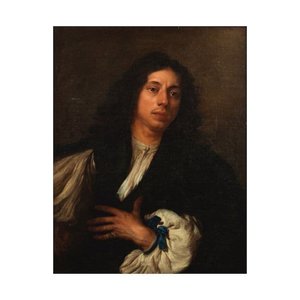
johan richter (giovanni richter)
1665 - 1745 , Sweden
基本情報
- Artistic Movement Or Style: Baroque
- Artists Who Influenced This Artist: ['Luca Carlevarijs']
- Date Of Birth: 1665
- Full Name: Johan Richter (Giovanni Richter)
- Nationality: Swedish
- Notable Artworks:
- Venice, a view of the Fondaco dei Turchi...
- A capriccio with figures amongst ruins...
- Venice, a view of San Biagio...
- Place Of Birth: Stockholm, Sweden
関連記事

Johan Hendrik Weissenbruch: Capturing Dutch Light & Atmosphere – A Master of Realism
Discover Johan Hendrik Weissenbruch (1824-1903), a leading Dutch Hague School painter renowned for his atmospheric watercolours & oil landscapes. Explore his beautiful depictions of the Dutch countryside and skies – a master of light & detail.
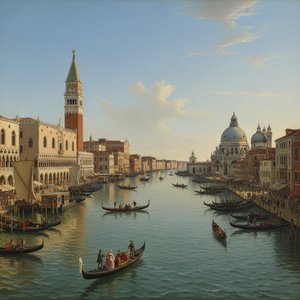
Giovanni Antonio Canal (Canaletto): A Venetian Master of Light, Space & Societal Observation
Explore the life & art of Giovanni Antonio Canal (Canaletto), a Venetian master renowned for his breathtaking cityscapes. Discover his techniques, legacy, and captivating depictions of 18th-century Venice & London.
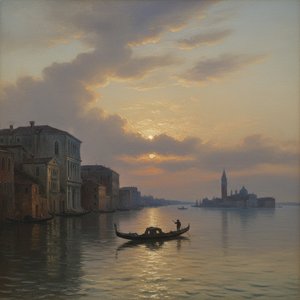
Michelangelo Morlaiter: Venetian Landscapes & the Pursuit of Atmospheric Realism
Explore the captivating landscapes of Michelangelo Morlaiter, a key figure in 18th-century Venetian painting. Discover his mastery of atmospheric perspective and lasting influence on Italian art history. Learn more at ArtsDot.

ジャコポ・ティンコレット:至高の25選 – ヴェネツィア巨匠のドラマと光の世界 | ArtsDot
ジャコポ・ティンコレットの至高の25選。ドラマと光の世界を彩るヴェネツィア派巨匠の名画を紐解きます。ルネサンス絵画からバロック絵画まで、ArtsDotで高品質な複製画やインテリアアートを見つけましょう。傑作コレクションをオンラインで探求してください。

Carlo Crivelli: Mysticism & Materiality in Renaissance Venice
Explore the captivating world of Carlo Crivelli, a Renaissance master blending Gothic detail with profound symbolism. Discover his unique style & lasting influence on Venetian art history.