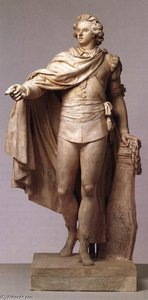
 プレビュー
プレビュー
 シェアする
シェアする シェアする
シェアする
 詳細を見る
詳細を見る

 ダウンロード
 似ている作品
 X線調査
X線調査 スライドショー
 Stats
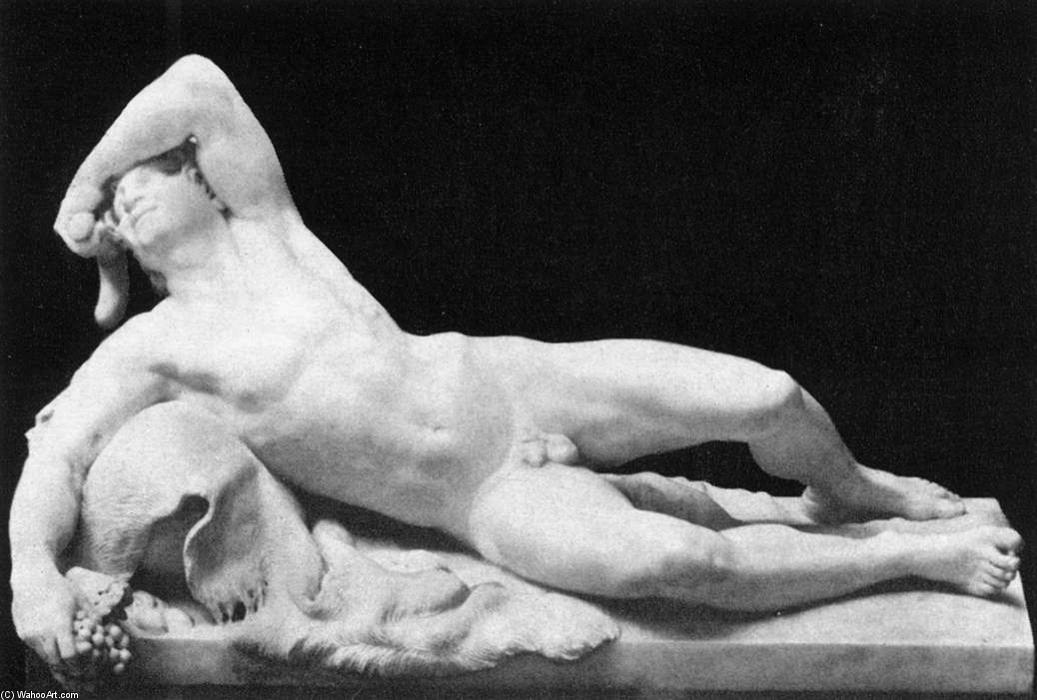
StatsThe Drunken Faun


 詳細を見る
詳細を見る
手描き油彩複製画
当社のアーティストが、お客様のご希望のサイズと額縁に合わせて、キャンバスに手描きで制作する油彩画です。 ( Switch to Print Switch to Digital Image)




































作品のオリジナル比率に合わせた、当店の規定サイズからお選びください。

特定のフレームやスペースに合わせて、ご希望のサイズをご入力いただけます。選択されたサイズが元の画像の比率と異なる場合、アートワークをトリミングするか、手描きで要素を追加して絵画を拡張いたします。デジタルモックアップ を制作し、制作開始前にご確認(承認)をいただきます。
画面上のプレビューは、実際のトリミングや拡張を正確に反映しているものではありません。最終的な構図は、モックアップによってのみ正確にご確認いただけます。
カスタムサイズもご利用いただけますが、元の比率を維持するためには、あらかじめ用意されたリストからサイズを選択することをお勧めいたします。
ご注文後、ArtsDot.com チームより詳細な指示をお送りするとともに、仕上がりイメージ(モックアップ)をご提供いたします。


 ガラスオプションは、110cm未満のサイズでのみご利用いただけます。

The Drunken Faun
複製技法
複製画のサイズ
-


合計金額
$ 263
関連作品




アーティストの略歴
Johan Tobias Sergel: Sculptor of Emotion and Myth
Johan Tobias Sergel (1740-1814) stands as a pivotal figure in 18th and 19th-century Swedish art, a sculptor whose expressive portraits and dramatic mythological scenes captured the spirit of his time. Born in Stockholm, he rose from humble beginnings to become one of Sweden’s most celebrated artists, leaving behind a legacy that continues to resonate through his powerful works. Sergel's career unfolded during a period of significant artistic transition – moving from the Rococo’s ornate flourishes towards the burgeoning Neoclassical ideals while retaining a distinctly personal and emotionally charged style.
His early training was shaped by a diverse range of influences. Initially apprenticed to Pierre Hubert L’Archevêque, he later benefited from instruction in Paris, absorbing the techniques and aesthetics of the era. Crucially, his time in Rome proved transformative. There, amidst the ruins of antiquity, Sergel immersed himself in classical sculpture, developing a profound understanding of form, anatomy, and narrative. This experience fueled his ambition to create works that not only depicted beauty but also conveyed complex emotions and stories – a hallmark of his later career.
A Life Shaped by Art and Emotion
Sergel’s life was far from solely dedicated to artistic pursuits; it was interwoven with personal drama, melancholy, and a deep connection to the world around him. Born into a family of artists—his father, Christoffer Sergel, was a decorator—he inherited a creative lineage that profoundly shaped his path. However, his early years were marked by financial struggles and a sense of displacement, contributing to a lifelong tendency towards introspection and occasional bouts of despair.
A pivotal moment arrived when he was summoned to Stockholm by King Gustav III, who recognized Sergel’s talent and offered him a position at the Royal Palace. This appointment brought both prestige and responsibility, but also exposed Sergel to the pressures of court life. Despite his success, he struggled with personal demons, experiencing periods of intense sadness and contemplating suicide – a struggle reflected in some of his most poignant works. His relationship with Anna-Rella Hellström, an innkeeper who became his mistress and muse, provided a source of profound joy and inspiration, culminating in the birth of four children. Her untimely death in 1796 marked a devastating blow, leaving Sergel deeply affected for the remainder of his life.
Sculpting Myth and Majesty
Sergel’s artistic output spanned a remarkable range of subjects, encompassing portraits, mythological scenes, historical monuments, and even satirical drawings. His sculptures are characterized by their dramatic intensity, expressive gestures, and meticulous attention to detail. He skillfully employed marble and bronze to capture the essence of his subjects – whether regal figures like King Gustav III or tormented heroes from classical tales.
Among his most celebrated works are the monumental “Diomedes Stealing the Palladium,” a powerful depiction of a legendary hero’s transgression, and “The Muse of History Recording the Deeds of Gustavus Adolphus,” a complex allegorical composition celebrating the achievements of King Gustav II Adolf. His portrait of King Gustav III, later cast in bronze and installed in Stockholm's Sergels torg, remains an iconic representation of the Swedish monarch. Furthermore, his work extended beyond grand monuments; he created intimate portraits that captured the personalities and emotions of his subjects with remarkable sensitivity.
Legacy and Influence
Johan Tobias Sergel’s impact on Swedish art is undeniable. He bridged the gap between Rococo and Neoclassical styles, forging a unique artistic voice characterized by emotional depth and dramatic flair. His sculptures continue to be admired for their technical skill, expressive power, and ability to evoke profound human experiences.
Sergels torg, named in his honor, stands as a testament to his enduring legacy – a public space designed to reflect the spirit of the artist and celebrate Swedish history. His influence can also be seen in the works of subsequent generations of Swedish sculptors, who drew inspiration from his innovative approach to portraying human emotion and mythic narratives. Sergel’s work remains a vital part of Sweden's cultural heritage, offering a window into the artistic sensibilities of a transformative era.
Further Exploration: Plunging into Despair (1795) – A dramatic black & white Romantic drawing showcasing expressive lines and intense emotion. Johan Tobias Sergel - Explore his significant contributions to 18th & 19th century European art.
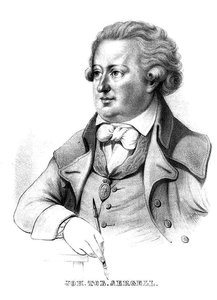
Johan Tobias Sergel
1740 - 1814 , Sweden
基本情報
- Artistic Movement Or Style: Neoclassical & Rococo
- Artists Or Movements Influenced By This Artist:
- Gustav III
- Romanticism
- Artists Who Influenced This Artist:
- Pierre Hubert Larchevêsque
- Thomas Rowlandson
- Date Of Birth: September 7, 1740
- Date Of Death: February 26, 1814
- Full Name: Johan Tobias Sergel
- Nationality: Swedish
- Notable Artworks:
- Plunging into Despair
- Diomedes Stealing Palladium
- Muse of History Recording Deeds
- Place Of Birth: Stockholm, Sweden