

 プレビュー
プレビュー
 プリントを購入
 シェアする
シェアする シェアする
シェアする
 詳細を見る
詳細を見る

 ダウンロード
 似ている作品
 X線調査
X線調査 スライドショー
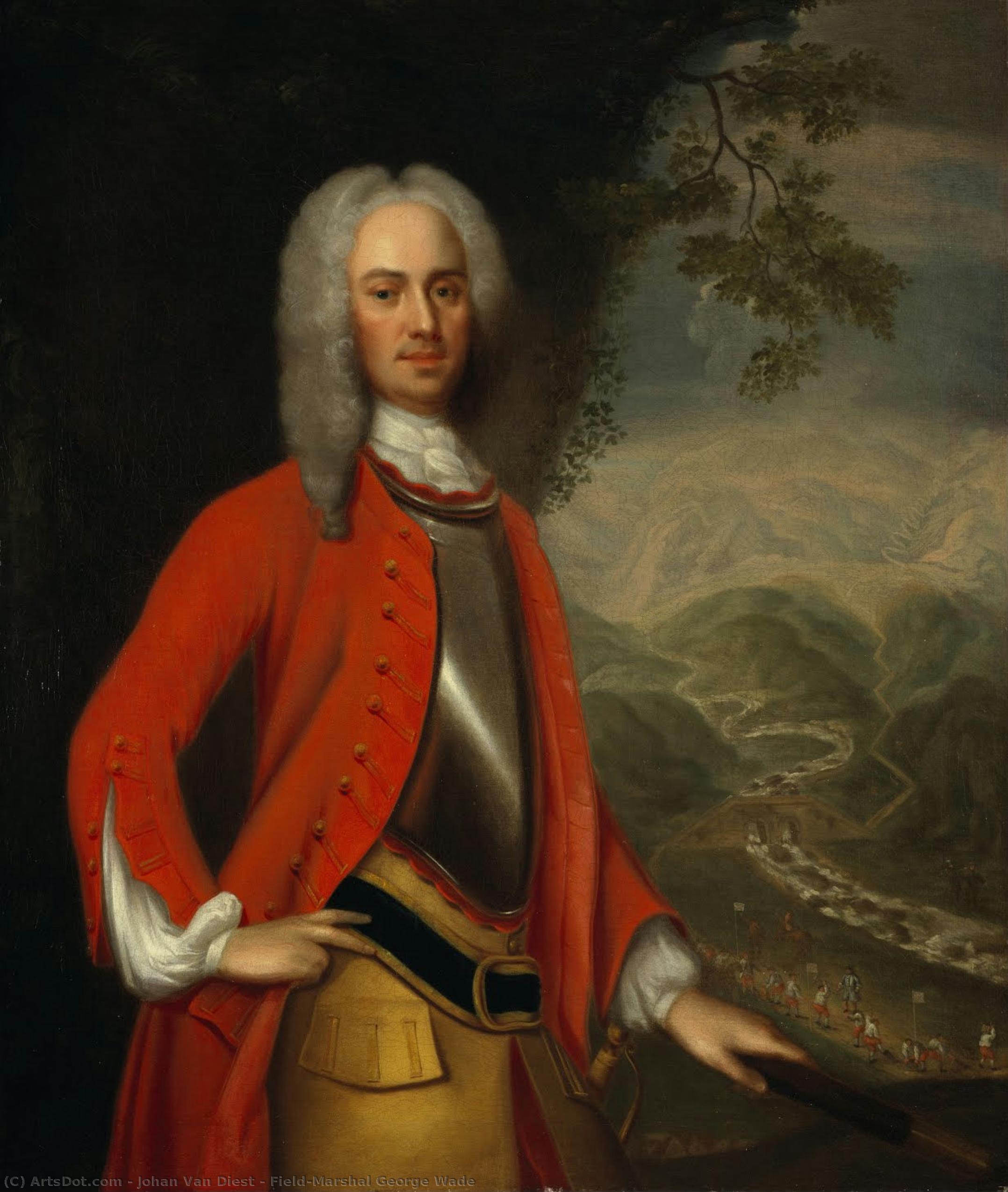
Field-Marshal George Wade


 詳細を見る
詳細を見る




P118B $10

P118H $10

P118W $10

P438Z $10

P508JH $12

P508YH $12

P805H $10

P805Z $10

P919BZ $10

P919G $10

P919XJ $10

P959ZH $10

P968JZ $12

W106C $8

W218G $10

W218JH $8

W218Y $10

W307PJ $10

W316G $10

W316PJ $8

W316Y $10

W398PJ $8

W4111J $10

W500HY $15

W500JH $15

W692G $12

W849H $8

W940BG $15

W953PJ $8




作品のオリジナル比率に合わせた、当店の規定サイズからお選びください。

特定のフレームやスペースに合わせて、ご希望のサイズをご入力いただけます。選択されたサイズが元の画像の比率と異なる場合、アートワークをトリミングするか、手描きで要素を追加して絵画を拡張いたします。デジタルモックアップ を制作し、制作開始前にご確認(承認)をいただきます。
画面上のプレビューは、実際のトリミングや拡張を正確に反映しているものではありません。最終的な構図は、モックアップによってのみ正確にご確認いただけます。
カスタムサイズもご利用いただけますが、元の比率を維持するためには、あらかじめ用意されたリストからサイズを選択することをお勧めいたします。
ご注文後、ArtsDot.com チームより詳細な指示をお送りするとともに、仕上がりイメージ(モックアップ)をご提供いたします。


 ガラスオプションは、110cm未満のサイズでのみご利用いただけます。

Field-Marshal George Wade
複製技法
複製画のサイズ
-


合計金額
$ 263
A Vision of Command: The Presence of Field-Marshal George Wade
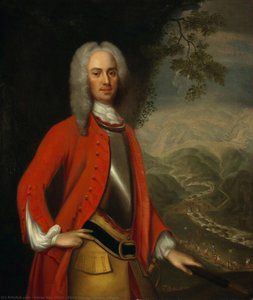
In the grand tradition of eighteenth-century portraiture, few works capture the intersection of military authority and natural majesty as effectively as Johan van Diest’s 1731 masterpiece, Field-Marshal George Wade. This striking oil painting serves as more than a mere likeness; it is a profound study of power, duty, and the indomitable spirit of an era defined by expansion and conflict. As the viewer encounters the subject, they are immediately struck by the commanding presence of the Field-Marshal, whose vibrant red attire—the iconic hue of British military distinction—commands the center of the composition. Van Diest utilizes a masterful command of light to illuminate the textures of the man's uniform, creating a tactile experience that brings the historical weight of the 1730s directly into the modern collector's gaze.
The artistry of Johan van Diest is deeply rooted in the dramatic legacy of the Dutch masters, particularly through his sophisticated use of chiaroscuro. By orchestrating a delicate interplay between deep shadows and brilliant highlights, Van Diest breathes life into the subject’s features, lending an air of contemplative wisdom to the Field-Marshal's expression. The meticulous detail found in the lace of his cravat, the sheen of his military regalia, and the subtle contours of his wig reflects a technical precision that was hallmark to the Enlightenment period. This level of craftsmanship ensures that every brushstroke contributes to a narrative of dignity, making the piece an exquisite focal point for those who appreciate the rigorous standards of classical European portraiture.
Beyond the individual, the painting offers a breathtaking dialogue between man and the wild landscape. The backdrop of rugged, soaring mountains provides a dramatic contrast to the structured, formal elegance of the Field-Marshal’s attire. This juxtaposition serves as a powerful symbol: it represents the imposition of order and civilization upon the untamed frontiers of the world. The distant, smaller figures scattered within the landscape add a sense of immense scale and historical movement, suggesting the vast theaters of war and governance that Wade oversaw. For the interior designer or art enthusiast, this composition offers a unique emotional depth, blending the intimacy of a personal portrait with the epic scope of a historical landscape.
Integrating such a distinguished work into a curated space brings an atmosphere of timeless sophistication and intellectual gravity. Whether placed in a stately library, a formal dining room, or a contemporary gallery setting, this reproduction of Van Diest’s work acts as a window into the past. It invites conversation about leadership, the evolution of military history, and the enduring beauty of the Baroque-influenced style. For collectors seeking to invest in pieces that evoke both prestige and emotional resonance, Field-Marshal George Wade stands as an unparalleled choice, offering a permanent connection to the grandeur of the eighteenth century.
関連作品
アーティストの略歴
The Painter of Dignified Presence
Johan van Diest (1695 – 1757) stands as a singular figure in Dutch portraiture during the Enlightenment, distinguished not merely by his technical skill but by an unwavering commitment to capturing the essence of character and conveying profound dignity. Unlike many of his contemporaries who prioritized superficial beauty or flamboyant display, Van Di Diest’s canvases offer glimpses into the inner lives of his subjects—nobles, statesmen, and military leaders—presenting them as embodiments of virtue and intellect. His work serves as a window into an era where the portrait was more than a mere likeness; it was a profound study of power, duty, and the indomitable spirit of a changing world.
Born in Leiden, Van Diest received a rigorous artistic education that deeply embedded the legacy of the Dutch Masters within his technique. The influence of Rembrandt Harmensz van Rijn is particularly palpable in his approach to light; the masterful use of chiaroscuro—the dramatic interplay between deep shadows and brilliant highlights—became a cornerstone of his style. This ability to orchestrate light allowed him to breathe life into his subjects, lending an air of contemplative wisdom to even the most formidable military figures. While the shadows provided depth, his application of thin glazes over meticulous underdrawings achieved a remarkable luminosity, allowing him to render the textures of silk, lace, and heavy military regalia with astonishing realism.
Mastery of Detail and Command
The technical precision of Van Diest’s oeuvre is characterized by an almost sculptural quality. He employed a painstaking layering process that allowed for a tactile experience, where the viewer can almost feel the sheen of a commander's uniform or the delicate crispness of a cravat. This meticulous attention to detail was not merely decorative but served a narrative purpose, reinforcing the status and authority of his sitters. His portraits often juxtapose the structured, formal elegance of human attire against dramatic, rugged landscapes, creating a powerful symbolic dialogue between the order of civilization and the untamed majesty of nature.
His notable commissions reflect the high esteem in which he was held by the European elite. Among his most celebrated works are depictions of:
- Willem III, Prince of Orange, capturing the weight of royal responsibility.
- Field-Marshal George Wade, a masterpiece from 1731 that exemplifies the intersection of military authority and natural majesty through vibrant red attire and commanding presence.
- General George Wade, where Baroque elegance meets the raw power of a seasoned leader.
- Cornelis Tromp, the commander-in-chief of the Dutch West Indies fleet, rendered with psychological insight.
Legacy of the Enlightenment
While the shadows of Rembrandt, Rubens, and Caravaggio loom large over his formative years, Van Diest forged a path uniquely his own. His artistic legacy is defined by an uncompromising pursuit of dignity and a refusal to succumb to the purely ornamental. In an age of expansion and conflict, his portraits provided a sense of permanence and moral weight. Through his ability to capture both the physical likeness and the psychological depth of his subjects, Johan van Diest ensured that his work would remain a vital record of the individuals who shaped the political and military landscape of the eighteenth century.
johan van diest
1695 - 1757
基本情報
- Artistic Movement Or Style: Classical Portraiture
- Artists Who Influenced This Artist:
- Peter Paul Rubens
- Rembrandt
- Date Of Birth: 1695
- Date Of Death: 1757
- Full Name: Johan van Diest
- Nationality: Dutch
- Notable Artworks:
- Portrait of Willem III
- Portrait of Johan Casimir van Nassau-Siegen
- Place Of Birth: Amsterdam, Netherlands
関連記事

ジョルジュ・ブラック傑作25選:革新的なキュビスムの世界と装飾への誘い
ジョルジュ・ブラックの傑作25選。キュビスムを代表する画家、その革新的な色彩と技法に迫ります。名画から知られざる逸品まで、美術史に残る作品群をArtsDot.comで鑑賞。お部屋を彩るアートプリントも多数ご用意。今すぐオンラインでコレクションをご覧ください。

ジョルジュ・スーラ傑作25選:光と色彩の科学が織りなす芸術の世界|ArtsDot
ジョルジュ・スーラの傑作25選。点描画の光と色彩、印象派から新印象派へ—ArtsDotで美術史を紐解き、リビングやダイニングを彩る高品質なアートプリントを見つけましょう。セーラ作品集をオンラインで鑑賞ください。

レンブラント傑作25選:光と影の巨匠、魂を揺さぶる名画の世界 | ArtsDot
レンブラントの傑作25選。光と影の魔術師が描いた魂を揺さぶる名画の世界へ。美術史に残る自画像、夜警、宗教画…ArtsDotで高品質なアートプリントやインテリアアートをお楽しみください。コレクションはこちら→
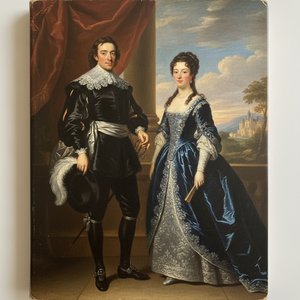
Sir Anthony van Dyck: Courtly Portraiture & the Shaping of Baroque Identity
Explore the life & legacy of Sir Anthony van Dyck, the leading court painter of his era. Discover his innovative portraiture, Baroque masterpieces, and investment potential for discerning collectors. Learn more at ArtsDot.

バロック美術を極めた至宝:時代を彩る10大名作の世界
バロック美術の華!カラヴァッジョ、ベルニーニら巨匠が創り上げた10大名作を徹底解剖。ドラマチックな色彩と豪華絢爛の世界観に触れ、至宝のアートプリントで空間を彩ろう。ArtsDot.comで美術館品質の複製と洗練されたインテリアを見つけましょう!

