

 プレビュー
プレビュー
 プリントを購入
 シェアする
シェアする シェアする
シェアする
 詳細を見る
詳細を見る

 ダウンロード
 似ている作品
 X線調査
X線調査 スライドショー
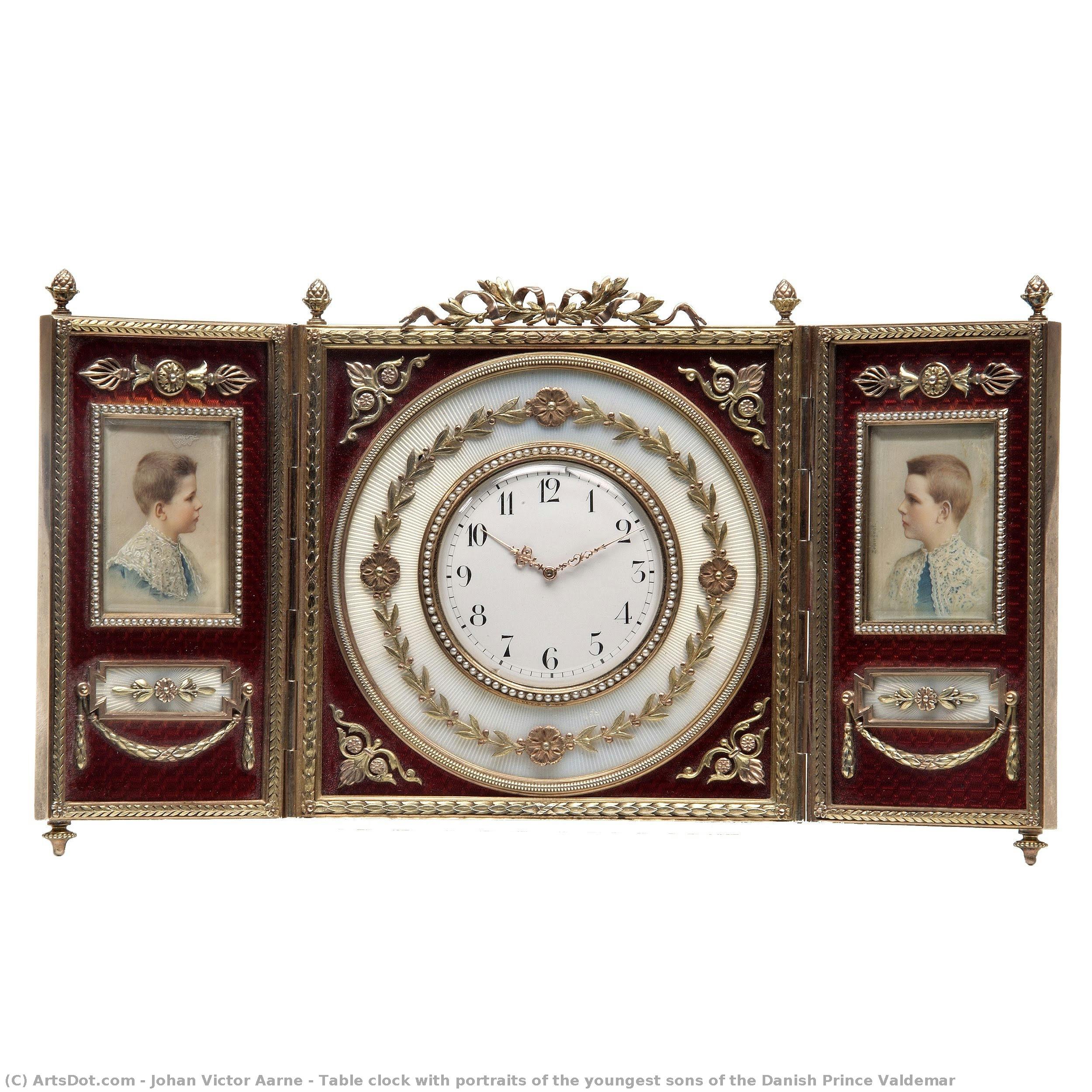
Table clock with portraits of the youngest sons of the Danish Prince Valdemar


 詳細を見る
詳細を見る




P118B $10

P118H $10

P118W $10

P438Z $10

P508JH $12

P508YH $12

P805H $10

P805Z $10

P919BZ $10

P919G $10

P919XJ $10

P959ZH $10

P968JZ $12

W106C $8

W218G $10

W218JH $8

W218Y $10

W307PJ $10

W316G $10

W316PJ $8

W316Y $10

W398PJ $8

W4111J $10

W500HY $15

W500JH $15

W692G $12

W849H $8

W940BG $15

W953PJ $8




作品のオリジナル比率に合わせた、当店の規定サイズからお選びください。

特定のフレームやスペースに合わせて、ご希望のサイズをご入力いただけます。選択されたサイズが元の画像の比率と異なる場合、アートワークをトリミングするか、手描きで要素を追加して絵画を拡張いたします。デジタルモックアップ を制作し、制作開始前にご確認(承認)をいただきます。
画面上のプレビューは、実際のトリミングや拡張を正確に反映しているものではありません。最終的な構図は、モックアップによってのみ正確にご確認いただけます。
カスタムサイズもご利用いただけますが、元の比率を維持するためには、あらかじめ用意されたリストからサイズを選択することをお勧めいたします。
ご注文後、ArtsDot.com チームより詳細な指示をお送りするとともに、仕上がりイメージ(モックアップ)をご提供いたします。


 ガラスオプションは、110cm未満のサイズでのみご利用いただけます。

Table clock with portraits of the youngest sons of the Danish Prince Valdemar
複製技法
複製画のサイズ
-


合計金額
$ 263
A Glimpse into Royal Sentiment: Johan Victor Aarne’s Masterpiece
Johan Victor Aarne's “Table Clock with Portraits of the Youngest Sons of the Danish Prince Valdemar” is more than a mere timepiece; it’s a meticulously crafted miniature world, brimming with historical significance and profound emotional resonance. Created around 1899-1904 in Saint Petersburg, Russia, during Aarne's tenure as a key artisan within Fabergé’s workshop, this exquisite piece offers a rare window into the lives of European royalty and the delicate artistry that defined the era.
The clock itself is a testament to the jeweler’s skill – a flawlessly executed example of neo-classical design. Its twin-color guilloché enamel panels, shimmering in translucent apple-green and oyster-white, evoke the colors of the Danish royal family, subtly reinforcing the portrait's connection to Prince Valdemar. The intricate engine-turned background, a hallmark of Fabergé’s technique, adds layers of visual complexity and tactile interest. At its heart lies an 8-day clock movement by Hry Möser & Cie, meticulously crafted with white enamel dials and delicate gold hands – a testament to the precision engineering that underpinned the entire creation.
The Faces of Legacy: Portraits and Princely Lineage
However, it is the portraits themselves that truly captivate. They depict the two youngest sons of Prince Valdemar – Erik (born 1890) and Viggo (born 1893) – rendered in miniature ivory panels by Johannes Zehngraf, a renowned miniaturist within Fabergé’s workshop. These weren't simply portraits; they were carefully considered representations of the young princes, capturing their youthful features with remarkable detail and sensitivity. The inclusion of these familial likenesses speaks volumes about Prince Valdemar’s desire to honor his lineage and preserve the memory of his children, a poignant sentiment reflected in the clock’s overall design.
The choice of ivory as the medium for the portraits is significant. Ivory was highly prized during this period, associated with nobility and luxury. Its cool, creamy tone provides a beautiful contrast to the vibrant enamel work, further enhancing the piece's visual appeal. The subtle details – the careful rendering of their eyes, the delicate folds in their clothing – reveal the artist’s dedication to capturing not just physical likeness but also a sense of personality and character.
A Royal Gift: Context and Symbolism
This clock was likely commissioned as a gift from Empress Maria Feodorovna, Prince Valdemar's wife, who held a deep affection for Fabergé’s creations. Her personal connection to the piece is further underscored by the inclusion of the workmaster’s initials “BA” in Cyrillic on the clock’s base – a subtle mark of authenticity and craftsmanship. The heart-shaped laurel wreath adorning the frame symbolizes love, adding another layer of meaning to this intimate gift.
The clock's design also reflects broader artistic trends of the late 19th century, drawing inspiration from ancient Greek aesthetics—a deliberate choice by Fabergé to evoke a sense of timeless elegance and classical beauty. It’s a harmonious blend of historical reference, royal patronage, and exquisite craftsmanship – a miniature masterpiece that embodies the spirit of an era.
Collecting a Legacy: Reproduction and Appreciation
Today, reproductions of “Table Clock with Portraits of the Youngest Sons of the Danish Prince Valdemar” offer art enthusiasts a chance to own a piece of this remarkable history. ArtsDot.com provides high-quality giclée prints that faithfully capture the original’s intricate details and vibrant colors, allowing you to bring this exquisite artwork into your home or office. Consider it not just a decorative object, but a tangible connection to a bygone era of European royalty and unparalleled artistry.
関連作品
アーティストの略歴
エドヴァルド・ムンク:魂の露出
エドヴァルド・ムンク(1863年12月12日 – 1944年1月23日)は、近代美術において最も影響力があり、感情に深く響く芸術家の一人として知られています。ノルウェーのローテンで生まれた彼の人生は、病気、喪失、そして人間の苦しみに鋭敏な意識という絶え間ない闘いの記録でした。これらの経験こそが、彼の芸術的ビジョンそのものの礎となったのです。ムンクは単に風景を描写するのではなく、内面の動揺を外在化させようと試み、象徴主義と表現主義の両方に深く影響を与える独自の表現様式を通じて、近代人が抱える不安や精神的な苦悩を捉えました。彼の遺産は、『叫び』という象徴的なイメージに留まらず、人間の精神の最も暗い隅々を描き出す際に彼がもたらした生々しい正直さと脆さの中に今なお息づいています。初期の生活と影響:影を落とした幼年時代
ムンクの幼少期は、決して牧歌的ではありませんでした。彼はわずか5歳の時に、母と2人の兄弟を結核で亡くすという、悲劇的な喪失を経験します。敬虔なキリスト教の牧師であった父からは、深い罪悪感と死すべき運命を感じさせられ、兄のアンドレアスは精神疾患に屈しました。これらの出来事は、ムンクが死や病気への関心を深める大きな要因となりました。こうした形成期の経験は、彼の芸術的感受性を深く形作り、彼を病気、悲しみ、そして生命の儚さといったテーマを探求へと導きました。当初はクリスティアニア美術学校で学んでいましたが、彼はすぐに当時の自然主義的な潮流を拒否し、自らの主観的な感情の現実を表現する方法を模索するようになりました。ポール・ゴーギャンやフィンセント・ファン・ゴッホといった、客観的な描写よりも個人的な表現を優先した芸術たちから影響を受け、ムンクは大胆な色彩、歪んだフォルム、そして不安を掻き立てるイメージの実験を始めます。クリスティアニアのボヘミアンなサークルは、型にはまらないアイデアが受け入れられる環境を提供し、ムンクが心理的なテーマを探求し、ブルジョワジーの規範を拒絶する精神的基盤を育みました。独自の様式の発展:象徴主義とその先へ
ムンクの芸術様式は、キャリアを通じて劇的に進化し、同時代の運動の影響を受けながら様々な段階を経てきました。当初は、示唆に富むイメージと主観的な経験の重視を特徴とする象徴主義的な美学に惹かれ、感情的な強さに根ざした非常に個人的な視覚言語を発展させました。『マドンナ』(1893-94年)や『吸血鬼』(1893-95年)といった初期の作品は、象徴的な表現を通じて心理状態を探求する方向への移行を示しています。しかし、ムンクの様式はすぐに象徴主義の限界を超越し、生の感情と歪んだ現実を伝えるという焦点を持つ表現主義の教義を予見していました。決定的な作品である『叫び』(元題:『自然の叫び』)は、1893年に制作され、この進化を見事に凝縮しています。夕暮れ時に「巨大で無限の叫び」を聞いたという個人的な体験から生まれたこの絵画は、渦巻く線、不協和音の色彩、そして深く不安を掻き立てる構図によって、実存的な恐怖に打ちひしがれる人物を描いています。後に制作された『死』(1894年)や『独身』(1895年)といった作品は、死すべき運命、孤立、精神的な苦痛というテーマを探求し続け、ムンクを感情表現の巨匠として確固たる地位を築きました。主要作品と永続する遺産
『叫び』以外にも、ムンクは絵画、版画、素描、彫刻にわたる膨大な作品群を生み出しました。愛、不安、嫉妬、そして死の段階を描いた連作『生命のフリーズ』(1893-1900年)は、人間存在の探求に対する力強い証言であり続けています。特に『血の犠牲』に基づいたリトグラフは、その物悲しい美しさと心理的な深さで名高いものです。ムンクの影響は絵画の領域を遥かに超えており、彼の作品は世代を超えた観客の心に深く響き渡り、近代の不安と実存的苦悩の象徴となりました。内面の動揺に対する彼の一筋縄ではいかない描写は、エルンスト・ルドリヒ・キルヒナーやエミール・ノルデといった後続の表現主義の芸術家たちの道を開き、色彩とフォルムの探求は今日なお現代の芸術家たちにインスピレーションを与え続けています。オスロのムンク美術館には彼の広範なコレクションが収蔵されており、来館者たちにこの芸術家の極めて個人的で深く感動的なビジョンと向き合う深い機会を提供しています。複雑な人物像:死と認識
エドヴァルド・ムンクは1944年1月23日、80歳でオスロ近郊のエケリで亡くなりました。生涯を通じて、特に『叫び』が国際的な認知を得た後、彼の名声は高まりましたが、彼は個人的な不安と根強い孤立感に苦しみました。晩年は精神的な不安定さの時期を迎え、1908年には短期入院を余儀なくされました。驚くべきことに、ナチスの占領下で作品制作に制限が課されたにもかかわらず、彼の多くの絵画は第二次世界大戦を生き延び、その遺産が永続することを保証しました。今日、エドヴァルド・ムンクは近代において最も重要で影響力のある芸術家の一人と広く認められています。彼は比類なき正直さと感情的な力をもって、人間の魂の最も暗い深淵に挑むことを恐れなかった先見の明を持った人物なのです。
ヨハン・ヴィクター・アーン
1863 - 1934 , フィンランド
基本情報
- Artistic Movement Or Style: 表現主義、象徴主義
- Artists Or Movements Influenced By This Artist: ['ドイツ表現主義']
- Artists Who Influenced This Artist:
- ポール・ゴーギャン
- フィンセント・ファン・ゴッホ
- Date Of Birth: 1863年12月12日
- Date Of Death: 1944年1月23日
- Full Name: エドヴァルド・ムンク
- Nationality: ノルウェー人
- Notable Artworks:
- 叫び
- マドンナ
- Place Of Birth: ローテン、ノルウェー
関連記事
Golden Glow: How to Use Metallic Gold Artworks to Elevate Your Home Decor with Timeless Luxury
Discover how to elevate your home with the timeless elegance of metallic gold artworks. From sculptural metal pieces to gilded oil paintings, learn expert interior design tips for integrating luxurious gold accents into your space with sophistication and grace.
The Allure of Gold in Art History: Symbolism, Technique & Cultural Significance
Explore the rich history of gold in art! Discover symbolism, techniques & cultural significance from ancient civilizations to Klimt's masterpieces. Expert insights for collectors at ArtsDot.
Golden Masterpieces: 10 Paintings That Define Art History | ArtsDot
Explore 10 breathtaking paintings where gold leaf shines! From Klimt to Byzantine icons, discover art history’s most gilded masterpieces. Find museum-quality reproductions & elevate your home decor with ArtsDot. Explore the full collection online.
グスタフ・クリムト傑作25選:華麗なる装飾性と象徴が織りなす世界 | ArtsDot
グスタフ・クリムトの傑作25選。華麗なる装飾性と象徴が織りなす世界を紐解きます。キス、ポートレートなど、美術史に残る名画の物語と技法をArtsDotで。高品質複製画やインテリアアートも豊富に。今すぐコレクションをご覧ください。
Peder Mørk Mønsted: Capturing the Danish Golden Age Landscape – A Study in Atmospheric Realism
Explore the captivating landscapes of Peder Mørk Mønsted, a master of Danish Golden Age realism. Discover his atmospheric techniques, influences, and enduring legacy in our expert analysis.