

 プレビュー
プレビュー
 シェアする
シェアする シェアする
シェアする
 詳細を見る
詳細を見る

 ダウンロード
 似ている作品
 X線調査
X線調査 スライドショー
 統計情報
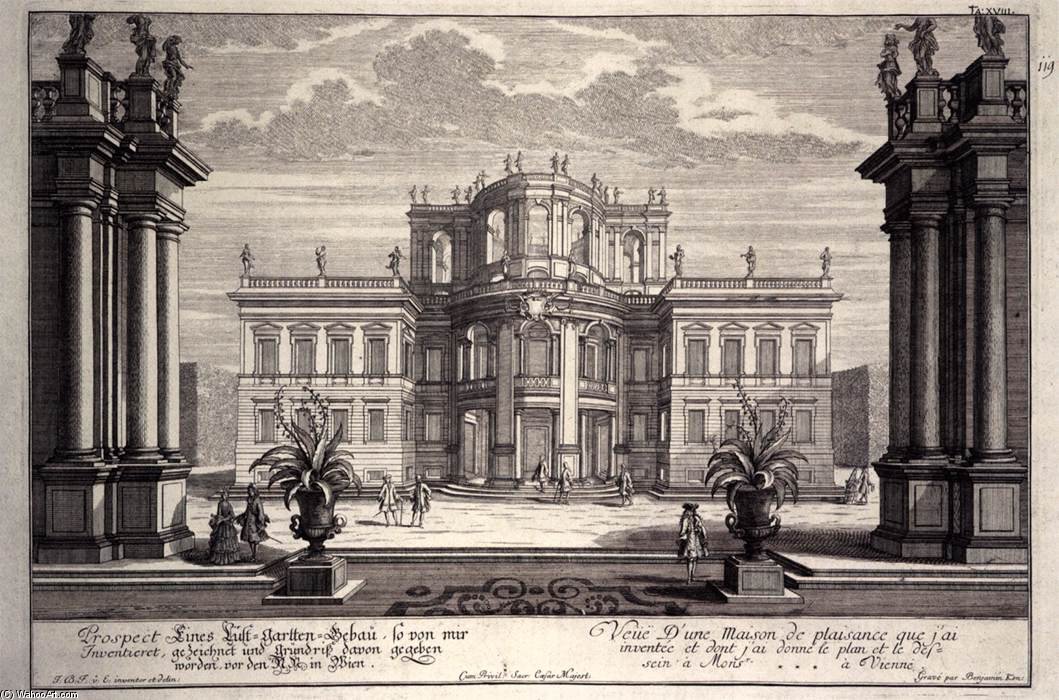
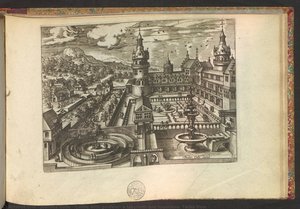
統計情報View Of A Garden Pavilion

 詳細を見る
詳細を見る
ジークレー/アートプリント
迅速な制作と多彩な仕上げオプションを備えた、ミュージアムクオリティのジークレーまたはキャンバスプリント。 ( 手描きの絵画を購入 デジタル画像販売へ切り替え)




































作品のオリジナル比率に合わせた、当店の規定サイズからお選びください。

特定のフレームやスペースに合わせて、ご自身でサイズを指定することも可能です。選択されたサイズが元の画像の比率と一致しない場合、作品をトリミングするか、鏡面反射または単色での塗りつぶしによって画像を拡張いたします。制作を開始する前に、ご確認用のデジタルモックアップをお送りいたします。
画面上のプレビューには、実際のトリミングや拡張は反映されませんのでご注意ください。最終的な構図を正確に確認できるのは、モックアップのみとなります。
カスタムサイズも承っておりますが、元の比率を維持するためには、あらかじめ用意されたリストからサイズを選択することをお勧めいたします。


 ガラスオプションは、110cm未満のサイズでのみご利用いただけます。

View Of A Garden Pavilion
ジークレー/アートプリント
複製画のサイズ
-


合計金額
$ 62
関連作品
アーティストの略歴
Johann Adam Delsenbach: A Window into 18th-Century Nuremberg
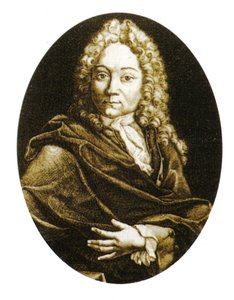
Johann Adam Delsenbach, born in Nuremberg, Germany in 1687 and passing away in 1765, remains a remarkably significant figure in the history of European art. While he may not be as widely celebrated as some of his contemporaries, Delsenbach’s meticulous cityscapes – particularly those depicting Nuremberg and Vienna – offer an unparalleled glimpse into daily life, architectural detail, and the burgeoning artistic trends of the 18th century. His work transcends mere documentation; it's a vibrant tapestry woven with Baroque influences, reflecting both the grandeur of the era and the pragmatic realities of urban existence.
Delsenbach’s early life was steeped in the artistic traditions of Nuremberg. He apprenticed under portrait painters, gaining a foundational understanding of technique and observation. However, his true passion lay in capturing the dynamism of cityscapes. He spent considerable time in Vienna, working for prominent figures like Fischer von Erlach – a key influence on his style, particularly in its emphasis on classical forms and architectural precision. This period significantly shaped his approach to composition and perspective, elements that are readily apparent in his later works.
The Nuremberg Prospecten: A Comprehensive Record
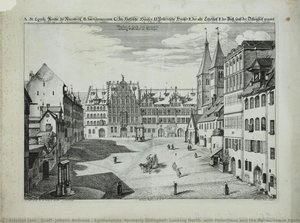
Delsenbach’s most enduring legacy is undoubtedly the “Nuremberg Prospecten,” a series of over 120 copperplate engravings produced between 1725 and 1753. These meticulously detailed views of Nuremberg – its streets, buildings, markets, and inhabitants – are considered one of the most complete visual records of the city during that period. They were commissioned by the city council as a form of civic pride and historical documentation, and they quickly became immensely popular, selling widely throughout Europe.
The Prospecten aren’t simply picturesque scenes; Delsenbach was a keen observer of human behavior. He captured merchants haggling in the marketplace, children playing in the streets, artisans at work, and the everyday rituals that defined Nuremberg life. His use of light and shadow is masterful, creating a sense of depth and realism rarely achieved by his contemporaries. The engravings showcase a remarkable level of detail – from the intricate carvings on buildings to the folds of clothing worn by passersby – offering invaluable insights into the city’s architecture, social customs, and economic activity.
Technique and Style
Delsenbach's style is often described as a blend of Dutch Golden Age realism with Baroque theatricality. He employed techniques honed during his time in Vienna, incorporating classical principles of perspective and composition. His engravings are characterized by their sharp lines, precise detailing, and a remarkable ability to convey both the grandeur and the grit of urban life. He skillfully utilized hatching and cross-hatching to create tonal variations and suggest texture – particularly evident in depictions of fabrics and architectural surfaces.
While heavily influenced by his time in Vienna, Delsenbach’s work retains a distinctly Nuremberg sensibility. The city's unique character—its medieval walls, its bustling markets, and its strong civic identity—is vividly rendered in the Prospecten. His meticulous attention to detail and his ability to capture the essence of a place make him one of the most important urban landscape artists of the 18th century.
Legacy and Historical Significance
Johann Adam Delsenbach’s work holds immense historical significance, serving as an invaluable primary source for understanding Nuremberg in the early 18th century. The “Nuremberg Prospecten” provide a remarkably detailed record of the city's architecture, social life, and economic activity – far surpassing any other comparable visual documentation from that period. His engravings are not merely beautiful works of art; they are windows into the past, offering a tangible connection to a bygone era.
Furthermore, Delsenbach’s influence extends beyond his immediate artistic output. His meticulous approach to observation and his mastery of engraving techniques set a precedent for later urban landscape artists. His work continues to be studied by historians, art scholars, and anyone interested in gaining a deeper understanding of 18th-century European life.
johann adam delsenbach
1687 - 1765 , Germany
基本情報
- Artistic Movement Or Style: Baroque, Dutch Golden Age
- Date Of Birth: 1687
- Date Of Death: 1765
- Full Name: Johann Adam Delsenbach
- Nationality: German
- Notable Artworks:
- Bridge over the Pegnitz
- Mehlgrube Vienna neuer markt delsenbach
- Place Of Birth: Nuremberg, Germany
関連記事

Etching: A Historical Survey of Technique, Aesthetic Qualities & Enduring Artistic Significance
Explore the rich history of etching, from its origins to Rembrandt's masterful innovations. Discover the technique, aesthetic qualities & enduring legacy of this captivating art form. Expert insights for collectors and enthusiasts.
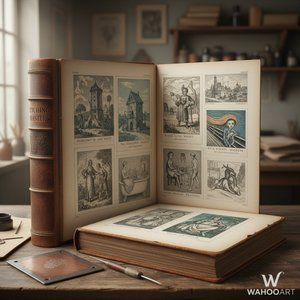
Etching Masters: 10 Legendary Prints That Revolutionized Art | ArtsDot
Journey through 10 legendary etching masterpieces by Rembrandt, Dürer & Goya. Explore the history of printmaking and discover timeless art for your home. Find museum-quality reproductions at ArtsDot.com.

バロックのドラマ:現代のインテリアに壮麗さと情感を取り込む
バロック様式の歴史、絵画、家具の魅力をご紹介。ArtsDotでは、高品質な油絵複製やカスタムポートレートをご提供し、現代のインテリアに壮麗さと情感を取り入れます。アートコンサルテーションも承ります。

The Intricate World of Etching: A Historical Survey of Technique, Aesthetic Evolution, and Enduring Artistic Impact
Explore the rich history of etching, from its origins to modern practice. Discover techniques, key artists like Rembrandt, and insights for collectors. A comprehensive guide by ArtsDot.
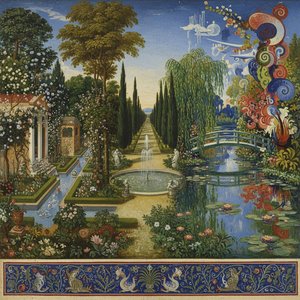
Cultivating Paradise: A Historical & Artistic Exploration of Gardens in Painting
Explore the rich history of gardens in painting! Discover masterpieces from Renaissance to Impressionism & beyond. Learn about symbolism, artists like Monet & Klimt, and find your perfect artwork at ArtsDot.