 プレビュー
プレビュー
 プリントを購入
 シェアする
シェアする シェアする
シェアする
 詳細を見る
詳細を見る

 ダウンロード
 似ている作品
 X線調査
X線調査 スライドショー
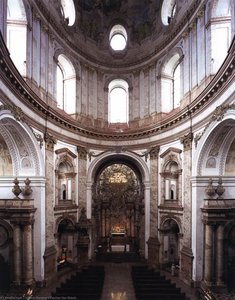
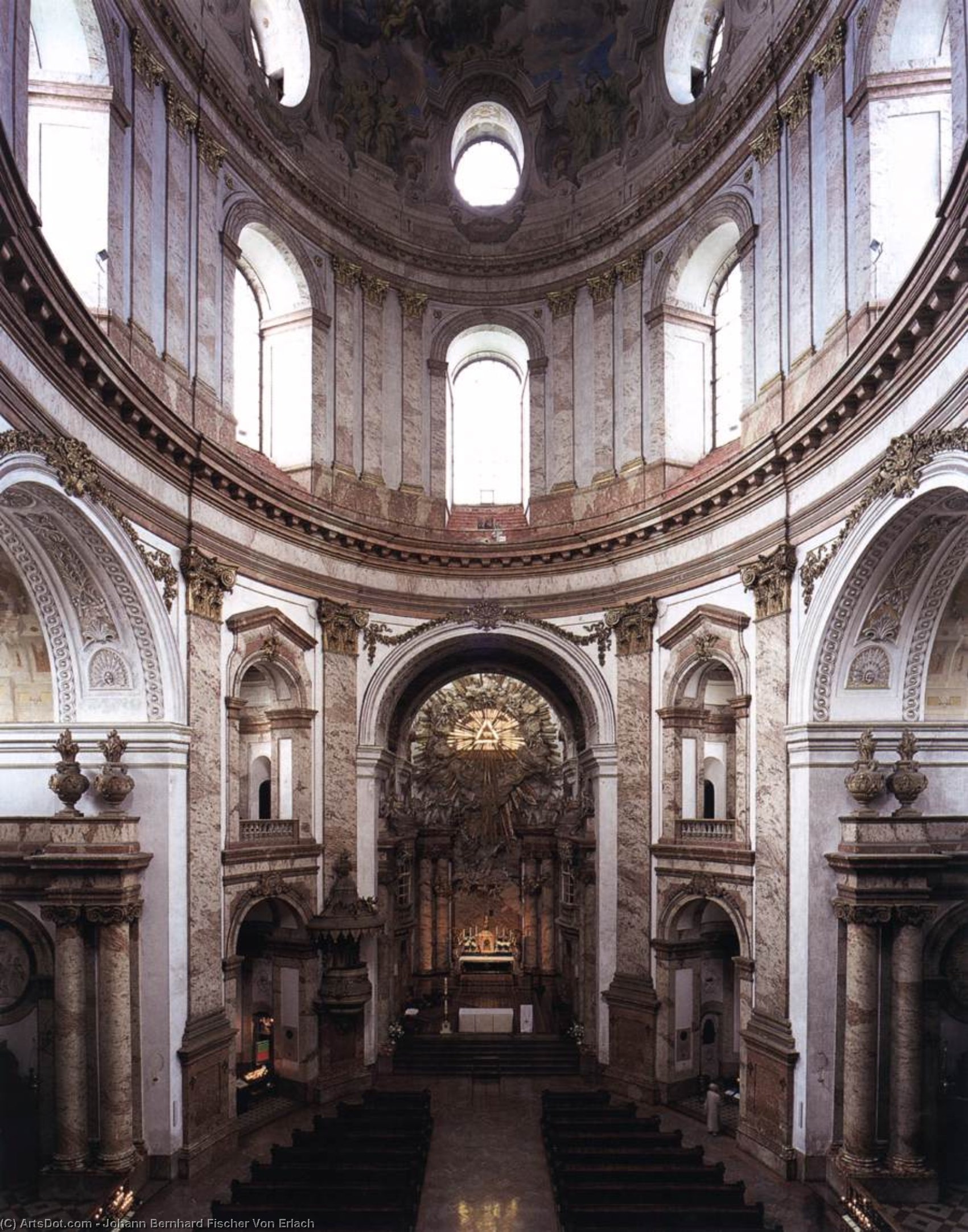
聖堂の眺め


 詳細を見る
詳細を見る




P118B $10

P118H $10

P118W $10

P438Z $10

P508JH $12

P508YH $12

P805H $10

P805Z $10

P919BZ $10

P919G $10

P919XJ $10

P959ZH $10

P968JZ $12

W106C $8

W218G $10

W218JH $8

W218Y $10

W307PJ $10

W316G $10

W316PJ $8

W316Y $10

W398PJ $8

W4111J $10

W500HY $15

W500JH $15

W692G $12

W849H $8

W940BG $15

W953PJ $8




作品のオリジナル比率に合わせた、当店の規定サイズからお選びください。

特定のフレームやスペースに合わせて、ご希望のサイズをご入力いただけます。選択されたサイズが元の画像の比率と異なる場合、アートワークをトリミングするか、手描きで要素を追加して絵画を拡張いたします。デジタルモックアップ を制作し、制作開始前にご確認(承認)をいただきます。
画面上のプレビューは、実際のトリミングや拡張を正確に反映しているものではありません。最終的な構図は、モックアップによってのみ正確にご確認いただけます。
カスタムサイズもご利用いただけますが、元の比率を維持するためには、あらかじめ用意されたリストからサイズを選択することをお勧めいたします。
ご注文後、ArtsDot.com チームより詳細な指示をお送りするとともに、仕上がりイメージ(モックアップ)をご提供いたします。


 ガラスオプションは、110cm未満のサイズでのみご利用いただけます。

聖堂の眺め
複製技法
複製画のサイズ
-


合計金額
$ 263
フイッシャー・フォン・エルラッヒの傑作「聖母マリアと幼子イエス」:静謐な美しさをたたえるバロック建築の壮麗な内観
この作品は、オーストリア出身の画家ヨハンのベルンハルト・フィッシャー・フォン・エルラッヒが制作した1715年の傑作「聖母マリアと幼子イエス」です。この絵画は、バロック建築の洗練された内観を捉えたものであり、その壮麗さは見る者を圧倒します。特に印象的なのは、光と色彩の調和による深い精神性であり、宗教美術におけるバロック様式の典型的な表現と言えるでしょう。- 画家について:ヨハンのベルンハルト・フィッシャー・フォン・エルラッヒは、1656年にグラツで生まれ、1723年に亡くなりました。彼はアントワープで初期の芸術家としての訓練を受け、その後イギリスに渡り、レンブラントなどのフランドル美術の影響を強く受けました。彼の作品は、その繊細な表現力とバロック様式の特徴的な技術によって高く評価されています。
- 絵画の詳細:この絵画は、聖母マリアと幼子イエスを描いた宗教画であり、バロック建築の洗練された内観を捉えたものであります。特に注目すべきは、天井に施された豪華なフレスコ画とステンドグラスによる光の表現です。これらの要素は、当時の信仰心の高さを示すとともに、バロック美術における理想的な美しさを追求した画家たちの技芸の高さを物語っています。
- バロック様式の特徴:バロック様式は、17世紀ヨーロッパで発展した芸術様式であり、力強い表現とダイナミックな動きを特徴としています。この絵画における天井のフレスコ画やステンドグラスは、その代表的な要素であり、見る者に感動を与えます。また、柱や彫刻などの装飾も、バロック様式の壮麗さを増す役割を果たしています。
- 歴史的背景:この絵画が制作された時代は、ヨーロッパにおける宗教改革後のカトリック教会が権力を握っていた時期であり、聖母マリアと幼子イエスをモチーフにした宗教画は、当時の信仰心を反映したものであります。フィッシャー・フォン・エルラッヒの作品は、バロック美術の黄金時代に制作され、その芸術的な価値は今なお高く評価されています。
- 絵画の感動:この絵画は、静謐な色彩と光の表現によって見る者に深い感動を与えます。聖母マリアと幼子イエスが描かれたこの絵画は、信仰と慈愛を象徴しており、宗教美術におけるバロック様式の美しさを堪能することができます。
関連作品

アーティストの略歴
Nicolas de Largillière: The Master of Subtle Grace
Born in Paris in 1656 and passing away in the same city in 1746, Nicolas de Largillière stands as a pivotal figure in the history of French portraiture. While often overshadowed by his more flamboyant contemporaries like Rigaud, Largillière cultivated a unique style characterized by an exquisite sensitivity to light, texture, and the quiet dignity of his subjects. His career spanned nearly fifty years, during which he established himself as one of the leading portraitists of his time, particularly renowned for capturing the refined elegance of the French middle class – a demographic largely overlooked by the grander commissions favored by the aristocracy.
Largillière’s early artistic development unfolded in Antwerp and London. He began his training with Antoine Goubeau in Antwerp, absorbing the Flemish tradition of meticulous detail and realistic representation. A subsequent period working for Lely in England exposed him to the burgeoning influence of Caravaggio's dramatic use of light and shadow, a technique that would profoundly shape his own artistic approach. This early exposure to both Flemish realism and Italian drama provided a rich foundation upon which he built his distinctive style.
A Portraitist for the Rising Middle Class
Returning to Paris in 1679, Largillière swiftly established himself as a sought-after portraitist. Unlike many of his contemporaries who primarily catered to royal and aristocratic clientele, Largillière focused on depicting members of the wealthy merchant class – individuals whose fortunes were rising alongside the prosperity of Louis XIV’s France. This shift in focus offered him a steady stream of commissions and allowed him to develop a nuanced understanding of his subjects' personalities and social standing. His portraits weren’t merely representations of appearance; they aimed to convey character, refinement, and a sense of inner composure.
His success was remarkable, particularly considering the competitive landscape of Parisian art at the time. Largillière’s ability to capture subtle expressions – a fleeting smile, a thoughtful gaze – set him apart. He employed a technique of *sfumato*, softening outlines and blending colors to create an atmosphere of hazy beauty and intimacy. This approach, combined with his masterful use of light, resulted in portraits that possess a remarkable sense of realism and psychological depth.
Technique and Artistic Influences
Largillière’s technical skill was honed through years of diligent observation and practice. He meticulously studied the anatomy of the human form, paying particular attention to the play of light on skin and fabric. His brushwork is characterized by a delicate layering of colors, creating a sense of texture and volume that brings his subjects to life. The influence of Caravaggio is undeniable in Largillière’s use of chiaroscuro – the dramatic contrast between light and shadow – which he employed not for theatrical effect but to heighten the emotional impact of his portraits.
Furthermore, Largillière drew inspiration from Flemish masters like Anthony van Dyck, whose elegant compositions and refined portraiture served as a model for many French artists. However, Largillière’s style evolved beyond mere imitation; he synthesized these influences into a uniquely personal vision, characterized by an understated elegance and a profound sensitivity to human emotion.
Legacy and Historical Significance
Throughout his long career, Largillière produced an astonishing number of portraits – contemporary sources estimate around 1,500. While he also engaged in religious works, still lifes, and landscapes, it is his portraiture that remains his most enduring legacy. He was appointed director of the Académie Royale in his eighties (1734–5 and 1738–42), a testament to his continued influence and respect within the artistic community.
Largillière’s portraits offer a valuable glimpse into the social and cultural landscape of 18th-century France. They reveal the aspirations, values, and anxieties of the rising middle class – a group that played an increasingly important role in shaping the nation's destiny. His work continues to be admired for its exquisite beauty, technical mastery, and profound understanding of human nature. He is often considered the French equivalent of Van Dyck, a title he certainly deserved.
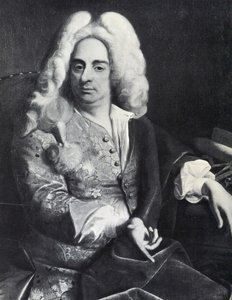
johann bernhard fischer von erlach
1656 - 1723 , Austria
基本情報
- Artistic Movement Or Style: Portraiture
- Artists Or Movements Influenced By This Artist: ['Van Dyck']
- Artists Who Influenced This Artist:
- Lely
- Verrio
- Date Of Birth: 1656
- Date Of Death: 1746
- Full Name: Nicolas de Largillière
- Nationality: French
- Notable Artworks:
- The Apotheosis of Homer
- Portrait of a Young Man
- Portrait of a Woman
- Place Of Birth: Paris, France
関連記事

Art That Lives With You: The Emotional Power of a Custom Interior Fresco
Discover the emotional power & timeless beauty of custom interior frescoes. Explore history, design tips & expert guidance from – creating lasting legacies.

家族の遺産を壁画で彩る:伝統技法が紡ぐ、時を超越する美と記憶
古代から現代までの壁画の歴史と技法を解説。日本の壁画文化やカスタムオーダーによる家族の遺産表現、保存・修復技術まで網羅。専門家が時を超越する美と記憶を紡ぐ芸術的価値をご案内します。

バロックのドラマ:現代のインテリアに壮麗さと情感を取り込む
バロック様式の歴史、絵画、家具の魅力をご紹介。ArtsDotでは、高品質な油絵複製やカスタムポートレートをご提供し、現代のインテリアに壮麗さと情感を取り入れます。アートコンサルテーションも承ります。

The Enduring Legacy of Fresco Painting: Techniques, History & Contemporary Relevance
Explore the rich history & enduring artistry of fresco painting – from Giotto to Michelangelo! Discover techniques, conservation efforts, & modern applications. Learn how ArtsDot brings this timeless art form to your home.

The Enduring Legacy of Fresco: Technique, History & Artistic Expression Across Cultures
Explore the rich history & enduring legacy of fresco painting! Discover ancient techniques, Giotto's masterpieces, and modern applications. Expert insights for art lovers & professionals.