

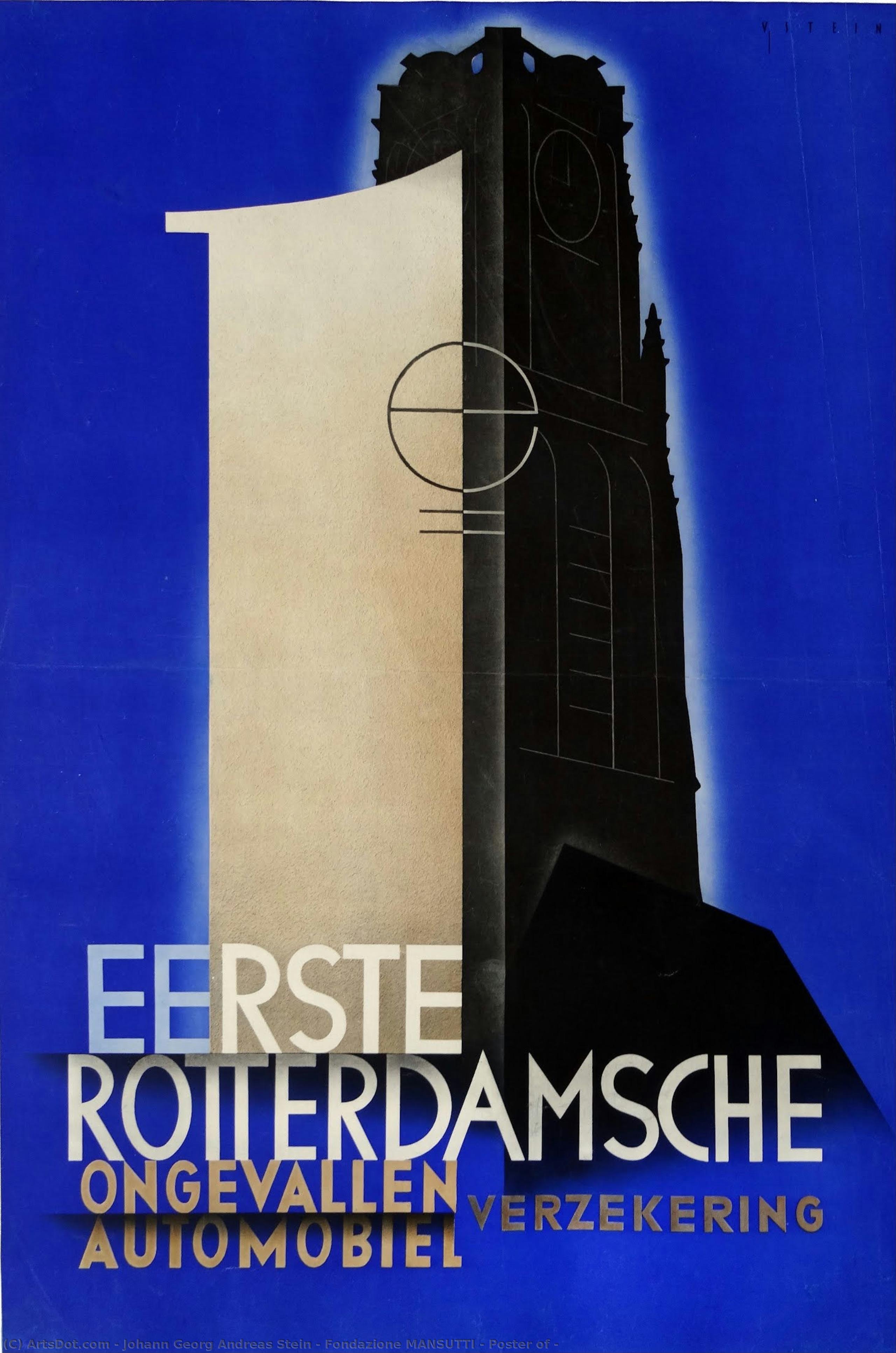
 プレビュー
プレビュー
 プリントを購入
 シェアする
シェアする シェアする
シェアする
 詳細を見る
詳細を見る

 ダウンロード
 似ている作品
 X線調査
X線調査 スライドショー
Fondazione MANSUTTI - Poster of
 1936
1936 104.0 x 73.0 cm
 詳細を見る
詳細を見る
オンラインプレビューをはるかに凌ぐ、高解像度で鮮明なデジタル画像をご購入いただけます。
各ファイルは、社内の専門家が高度なツールと熟練した手作業によるレタッチを用いて、細心の注意を払って準備されています。すべての画像において、卓越した鮮明度、正確な色彩再現性、そして繊細なディテールを保証いたします。
最終ファイルは、プロフェッショナルな編集・印刷環境ですぐにご利用いただけるよう最適化された状態で、72時間以内にメールにてお届けいたします。これは、一流のデザインスタジオ、出版社、ギャラリーから信頼されているものと同等の品質です。
デジタル画像のご注文に付随する特典
高品質なデジタル画像配信を、確かな品質で。
ArtsDot.com を選ぶことは、単に画像を手に入れることではありません。それは、プロの手によって精密に仕上げられ、満足保証が付いた高品質なデジタルアートワークを受け取ることを意味します。ご注文いただいた際に自動的に付随する内容は、以下の通りです:

メールですぐにお届け
ご注文から72時間以内に、高解像度のデジタル画像ファイルがメールでお手元に届きます。すぐにそのままご利用いただけます。

AI技術で最適化されたデジタルファイル
お客様の作品は、高度なAIツールと専門家による手作業の編集を組み合わせてプロフェッショナルに最適化されており、細部のディテール、鮮明さ、そして正確な色再現性を最大限に引き出しています。

一生涯無料の再送サービス
ファイルを誤って削除したり、紛失してしまったりしましたか?ご安心ください。いつでも無料で再送いたします。

輸入手数料は一切かかりません
関税や手数料、配送料を気にすることなく、お気に入りのアートワークをすぐにお楽しみいただけます。デジタルダウンロードは常に免税です。

色彩再現の保証
プロ仕様のツールとカラーマネジメント技術を用いることで、デジタル画像が元の色を最大限に忠実に再現することを保証いたします。

60日間満足保証
ご購入いただいたデジタル画像にご満足いただけない場合は、60日以内であれば、修正または100%の返金(理由を問う必要はありません)をさせていただきます。

100% 返金保証
ご満足いただけない場合は、デジタルファイルを受け取ってから60日以内であれば、理由を問わず全額返金いたします。

まとめ買い割引
3枚購入で10%OFF - 5枚購入で15%OFF - 10枚以上購入で20%OFF。クリエイティブなプロジェクト、ギャラリー、エージェンシーに最適です。
関連作品




作家の略歴
Anton Raphael Mengs: The Architect of Neoclassicism
Anton Raphael Mengs, a name often whispered in the halls of art history, stands as a pivotal figure in the transition from the opulent Baroque to the refined ideals of Neoclassicism. Born in 1728 in Ústí nad Labem, Bohemia – now part of the Czech Republic – his life was marked by both artistic brilliance and familial intrigue. His early years were shaped by a complex family history; his father, Ismael Mengs, a Danish-born painter who eventually found patronage in Dresden, engaged in an affair with the housekeeper, Charlotte Bormann, resulting in Mengs’s birth alongside his sister, Therese. This unconventional origin story subtly informed his artistic approach – a blend of classical study and personal observation. Mengs's journey began not in a formal academy but within the walls of his father’s studio in Dresden, where he honed his skills under Ismael’s tutelage, absorbing the traditions of German painting. However, it was his relocation to Rome at the age of 16 that truly ignited his artistic ambitions and set him on a path toward mastering the principles of antiquity.Rome: A Crucible of Artistic Transformation
Rome became Mengs’s intellectual and creative sanctuary. He immersed himself in the study of classical sculpture, architecture, and literature, driven by an almost obsessive desire to revive the aesthetic values of ancient Greece and Rome. This dedication was further fueled by his close friendship with Johann Joachim Winckelmann, a German archaeologist and art critic who profoundly shaped the burgeoning Neoclassical movement. Winckelmann’s emphasis on clarity, order, and restraint deeply influenced Mengs's artistic philosophy, encouraging him to move away from the dramatic emotionalism of the Baroque and embrace a more restrained, idealized representation of the human form and subject matter. Mengs’s time in Rome was not merely a period of study; it was a period of intense creative output. He secured commissions for portraits, frescoes, and decorative works, rapidly establishing himself as a leading artist within the Roman art scene. His early works, particularly his portraiture, were characterized by their bright colors and lively compositions – a departure from the muted tones often associated with Neoclassicism.Parnassus: A Defining Masterpiece
Perhaps Mengs’s most significant achievement was *Parnassus*, a monumental fresco commissioned for the Villa Albani in Rome around 1761. This ambitious work, depicting the nine Muses presiding over the realm of poetry and art, became a watershed moment in the development of Neoclassicism. The fresco showcased Mengs’s mastery of perspective, composition, and color, while simultaneously drawing inspiration from Raphael, Correggio, and Titian – artists he deeply admired. *Parnassus* wasn't simply a decorative piece; it was a deliberate statement about the revival of classical ideals. The figures were rendered with an almost sculptural quality, their poses echoing those found in ancient sculptures. The use of light and shadow created a sense of depth and atmosphere, while the overall composition adhered to strict principles of order and harmony. This fresco cemented Mengs’s reputation as the leading proponent of Neoclassicism and established a visual language that would influence generations of artists.Beyond Rome: Courtly Commissions and Continued Influence
Following his success in Rome, Mengs accepted commissions from various European courts, including those of Spain and England. He spent time decorating palaces in Madrid and London, adapting his style to suit the tastes of his patrons while maintaining a consistent commitment to classical principles. His work for the Spanish court involved elaborate frescoes and decorative panels, showcasing his versatility as an artist. In London, he produced a remarkably accurate copy of Raphael’s *The School of Athens* for Northumberland House, a testament to his meticulous study of ancient art. Throughout his career, Mengs remained a dedicated teacher and theorist, publishing influential treatises on painting technique and the principles of classical art. His writings helped disseminate Neoclassical ideas throughout Europe, shaping the artistic landscape of the late 18th century.Legacy and Historical Significance
Anton Raphael Mengs died in Rome in 1779 at the age of 51. While his career was relatively short, his impact on art history is undeniable. He is widely considered the first major artist to champion Neoclassicism, establishing its core principles and paving the way for artists like David, Ingres, and Canova. His emphasis on order, clarity, and restraint profoundly influenced the development of Western painting, shaping artistic styles for decades to come. Mengs’s legacy extends beyond his individual works; he played a crucial role in fostering a renewed appreciation for classical antiquity, contributing significantly to the intellectual and cultural climate of the Enlightenment era. He remains a fascinating figure – a product of complex family circumstances, a brilliant artist, and a pivotal architect of one of Western art's most enduring movements.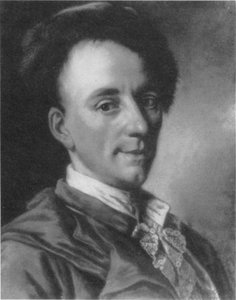
johann georg andreas stein
1728 - 1792 , Germany
プロフィール概要
- Artistic Movement Or Style: Neoclassical
- Artists Or Movements Influenced By This Artist:
- Winckelmann
- Neoclassicism
- Artists Who Influenced This Artist:
- Raphael
- Correggio
- Titian
- Date Of Birth: March 22, 1728
- Date Of Death: June 29, 1779
- Full Name: Anton Raphael Mengs
- Nationality: German (Saxon)
- Notable Artworks:
- Parnassus
- The School of Athens
- Place Of Birth: Ústí nad Labem, Bohemia

