

 プレビュー
プレビュー
 プリントを購入
 シェアする
シェアする シェアする
シェアする
 詳細を見る
詳細を見る

 ダウンロード
 似ている作品
 X線調査
X線調査 スライドショー
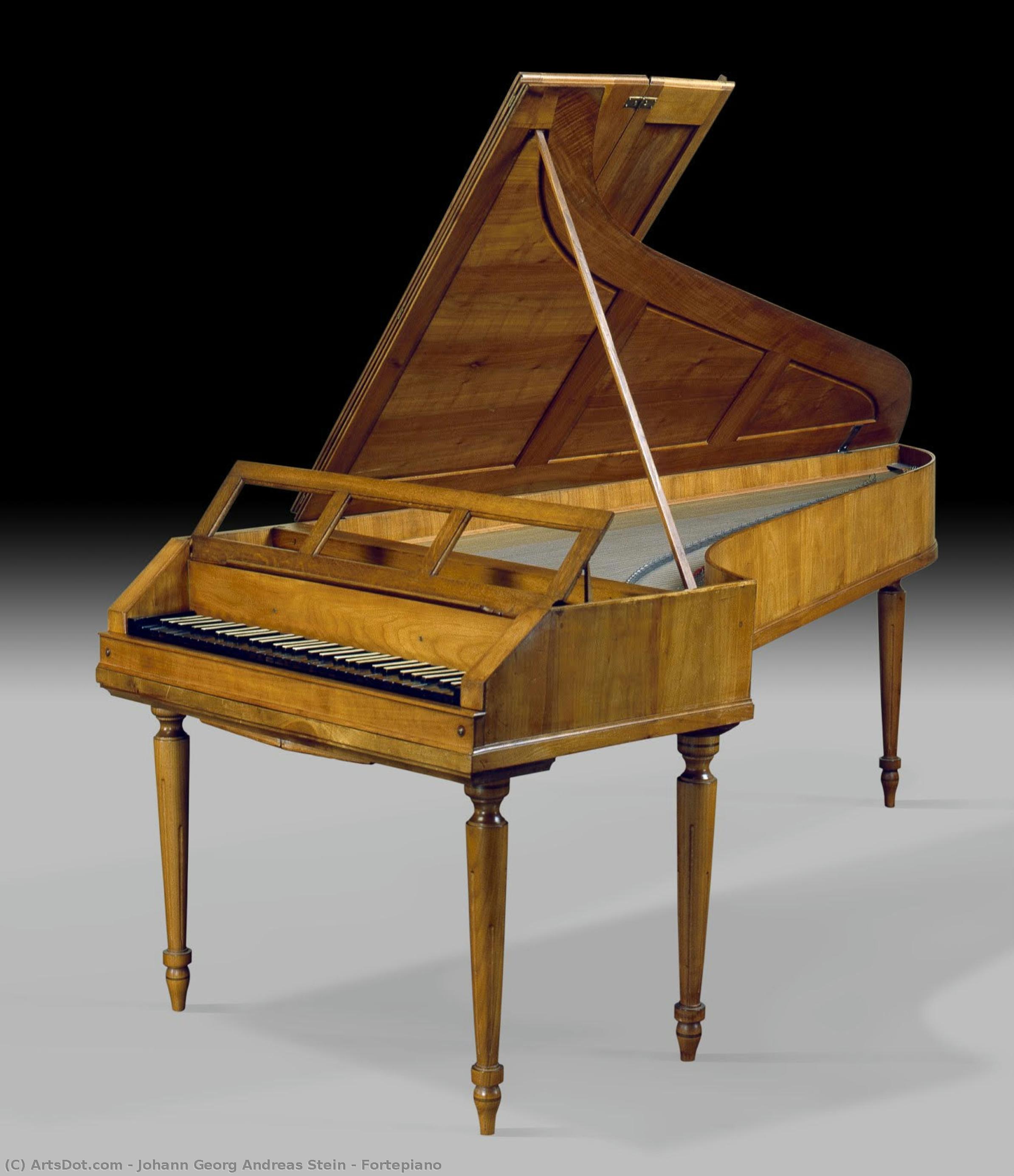
Fortepiano
 1784
1784 83.0 x 98.0 cm
 Landesmuseum Württemberg
 詳細を見る
詳細を見る




































作品のオリジナル比率に合わせた、当店の規定サイズからお選びください。

特定のフレームやスペースに合わせて、ご希望のサイズをご入力いただけます。選択されたサイズが元の画像の比率と異なる場合、アートワークをトリミングするか、手描きで要素を追加して絵画を拡張いたします。デジタルモックアップ を制作し、制作開始前にご確認(承認)をいただきます。
画面上のプレビューは、実際のトリミングや拡張を正確に反映しているものではありません。最終的な構図は、モックアップによってのみ正確にご確認いただけます。
カスタムサイズもご利用いただけますが、元の比率を維持するためには、あらかじめ用意されたリストからサイズを選択することをお勧めいたします。
ご注文後、ArtsDot.com チームより詳細な指示をお送りするとともに、仕上がりイメージ(モックアップ)をご提供いたします。


 ガラスオプションは、110cm未満のサイズでのみご利用いただけます。

Fortepiano
複製技法
複製画のサイズ
-


合計金額
$ 263
関連作品








アーティストの略歴
Anton Raphael Mengs: The Architect of Neoclassicism
Anton Raphael Mengs, a name often whispered in the halls of art history, stands as a pivotal figure in the transition from the opulent Baroque to the refined ideals of Neoclassicism. Born in 1728 in Ústí nad Labem, Bohemia – now part of the Czech Republic – his life was marked by both artistic brilliance and familial intrigue. His early years were shaped by a complex family history; his father, Ismael Mengs, a Danish-born painter who eventually found patronage in Dresden, engaged in an affair with the housekeeper, Charlotte Bormann, resulting in Mengs’s birth alongside his sister, Therese. This unconventional origin story subtly informed his artistic approach – a blend of classical study and personal observation. Mengs's journey began not in a formal academy but within the walls of his father’s studio in Dresden, where he honed his skills under Ismael’s tutelage, absorbing the traditions of German painting. However, it was his relocation to Rome at the age of 16 that truly ignited his artistic ambitions and set him on a path toward mastering the principles of antiquity.Rome: A Crucible of Artistic Transformation
Rome became Mengs’s intellectual and creative sanctuary. He immersed himself in the study of classical sculpture, architecture, and literature, driven by an almost obsessive desire to revive the aesthetic values of ancient Greece and Rome. This dedication was further fueled by his close friendship with Johann Joachim Winckelmann, a German archaeologist and art critic who profoundly shaped the burgeoning Neoclassical movement. Winckelmann’s emphasis on clarity, order, and restraint deeply influenced Mengs's artistic philosophy, encouraging him to move away from the dramatic emotionalism of the Baroque and embrace a more restrained, idealized representation of the human form and subject matter. Mengs’s time in Rome was not merely a period of study; it was a period of intense creative output. He secured commissions for portraits, frescoes, and decorative works, rapidly establishing himself as a leading artist within the Roman art scene. His early works, particularly his portraiture, were characterized by their bright colors and lively compositions – a departure from the muted tones often associated with Neoclassicism.Parnassus: A Defining Masterpiece
Perhaps Mengs’s most significant achievement was *Parnassus*, a monumental fresco commissioned for the Villa Albani in Rome around 1761. This ambitious work, depicting the nine Muses presiding over the realm of poetry and art, became a watershed moment in the development of Neoclassicism. The fresco showcased Mengs’s mastery of perspective, composition, and color, while simultaneously drawing inspiration from Raphael, Correggio, and Titian – artists he deeply admired. *Parnassus* wasn't simply a decorative piece; it was a deliberate statement about the revival of classical ideals. The figures were rendered with an almost sculptural quality, their poses echoing those found in ancient sculptures. The use of light and shadow created a sense of depth and atmosphere, while the overall composition adhered to strict principles of order and harmony. This fresco cemented Mengs’s reputation as the leading proponent of Neoclassicism and established a visual language that would influence generations of artists.Beyond Rome: Courtly Commissions and Continued Influence
Following his success in Rome, Mengs accepted commissions from various European courts, including those of Spain and England. He spent time decorating palaces in Madrid and London, adapting his style to suit the tastes of his patrons while maintaining a consistent commitment to classical principles. His work for the Spanish court involved elaborate frescoes and decorative panels, showcasing his versatility as an artist. In London, he produced a remarkably accurate copy of Raphael’s *The School of Athens* for Northumberland House, a testament to his meticulous study of ancient art. Throughout his career, Mengs remained a dedicated teacher and theorist, publishing influential treatises on painting technique and the principles of classical art. His writings helped disseminate Neoclassical ideas throughout Europe, shaping the artistic landscape of the late 18th century.Legacy and Historical Significance
Anton Raphael Mengs died in Rome in 1779 at the age of 51. While his career was relatively short, his impact on art history is undeniable. He is widely considered the first major artist to champion Neoclassicism, establishing its core principles and paving the way for artists like David, Ingres, and Canova. His emphasis on order, clarity, and restraint profoundly influenced the development of Western painting, shaping artistic styles for decades to come. Mengs’s legacy extends beyond his individual works; he played a crucial role in fostering a renewed appreciation for classical antiquity, contributing significantly to the intellectual and cultural climate of the Enlightenment era. He remains a fascinating figure – a product of complex family circumstances, a brilliant artist, and a pivotal architect of one of Western art's most enduring movements.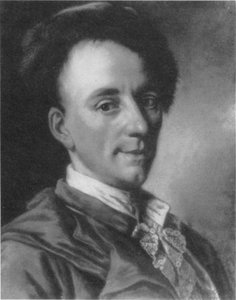
johann georg andreas stein
1728 - 1792 , Germany
基本情報
- Artistic Movement Or Style: Neoclassical
- Artists Or Movements Influenced By This Artist:
- Winckelmann
- Neoclassicism
- Artists Who Influenced This Artist:
- Raphael
- Correggio
- Titian
- Date Of Birth: March 22, 1728
- Date Of Death: June 29, 1779
- Full Name: Anton Raphael Mengs
- Nationality: German (Saxon)
- Notable Artworks:
- Parnassus
- The School of Athens
- Place Of Birth: Ústí nad Labem, Bohemia

