

 プレビュー
プレビュー
 プリントを購入
 シェアする
シェアする シェアする
シェアする
 詳細を見る
詳細を見る

 ダウンロード
 似ている作品
 X線調査
X線調査 スライドショー
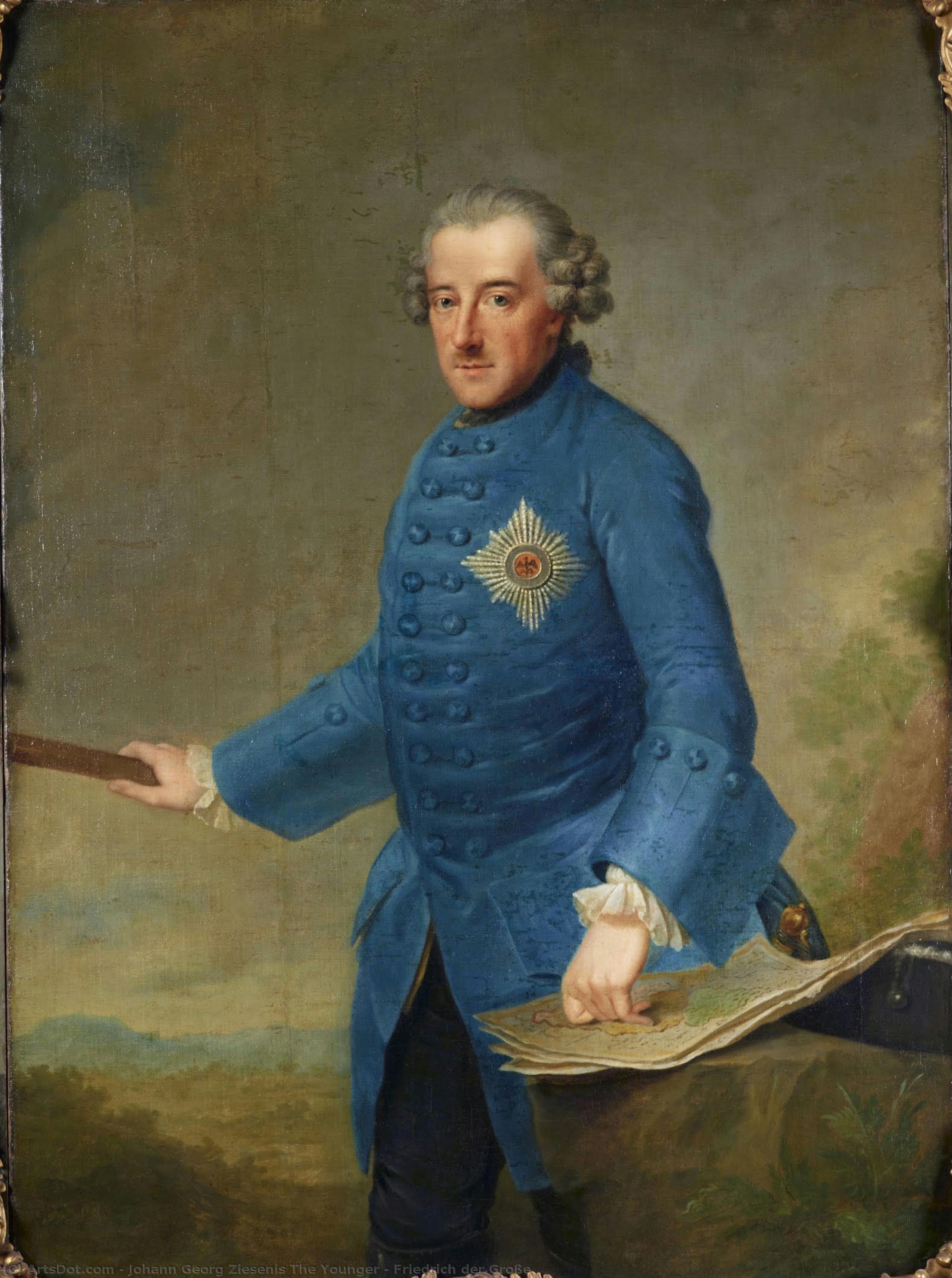
Friedrich der Große
 Oil On Canvas
- WallArt
- Baroque Rococo
 1763
1763- Early Modern
 142.0 x 98.0 cm
 Sanssouci Palace
 詳細を見る
詳細を見る
オンラインプレビューをはるかに凌ぐ、高解像度で鮮明なデジタル画像をご購入いただけます。
各ファイルは、社内の専門家が高度なツールと熟練した手作業によるレタッチを用いて、細心の注意を払って準備されています。すべての画像において、卓越した鮮明度、正確な色彩再現性、そして繊細なディテールを保証いたします。
最終ファイルは、プロフェッショナルな編集・印刷環境ですぐにご利用いただけるよう最適化された状態で、72時間以内にメールにてお届けいたします。これは、一流のデザインスタジオ、出版社、ギャラリーから信頼されているものと同等の品質です。
デジタル画像のご注文に付随する特典
高品質なデジタル画像配信を、確かな品質で。
ArtsDot.com を選ぶことは、単に画像を手に入れることではありません。それは、プロの手によって精密に仕上げられ、満足保証が付いた高品質なデジタルアートワークを受け取ることを意味します。ご注文いただいた際に自動的に付随する内容は、以下の通りです:

メールですぐにお届け
ご注文から72時間以内に、高解像度のデジタル画像ファイルがメールでお手元に届きます。すぐにそのままご利用いただけます。

AI技術で最適化されたデジタルファイル
お客様の作品は、高度なAIツールと専門家による手作業の編集を組み合わせてプロフェッショナルに最適化されており、細部のディテール、鮮明さ、そして正確な色再現性を最大限に引き出しています。

一生涯無料の再送サービス
ファイルを誤って削除したり、紛失してしまったりしましたか?ご安心ください。いつでも無料で再送いたします。

輸入手数料は一切かかりません
関税や手数料、配送料を気にすることなく、お気に入りのアートワークをすぐにお楽しみいただけます。デジタルダウンロードは常に免税です。

色彩再現の保証
プロ仕様のツールとカラーマネジメント技術を用いることで、デジタル画像が元の色を最大限に忠実に再現することを保証いたします。

100日間満足保証
ご購入いただいたデジタル画像にご満足いただけない場合は、100日以内であれば、修正または100%の返金(理由を問う必要はありません)をさせていただきます。

100% 返金保証
ご満足いただけない場合は、デジタルファイルを受け取ってから100日以内であれば、理由を問わず全額返金いたします。

まとめ買い割引
3枚購入で10%OFF - 5枚購入で15%OFF - 10枚以上購入で20%OFF。クリエイティブなプロジェクト、ギャラリー、エージェンシーに最適です。
Friedrich der Große: A Portrait of Majesty Embodied
Johann Georg Ziesenis the Younger’s depiction of Friedrich II, King of Prussia, stands as one of the most iconic images of the Enlightenment era and a testament to Rococo artistic sensibilities. Completed in 1763 at Schloss Salzdahlum, commissioned by Princess Charlotte Braunschweig-Wolfenbüttel, this oil sketch transcends mere likeness; it captures the very essence of royal authority and contemplative grandeur. Ziesenis skillfully employed a muted palette—dominated by blues and browns—to convey not just physical appearance but also psychological depth. The king’s gaze is direct yet serene, reflecting his renowned intellect and unwavering resolve.- Style: Rococo – Characterized by delicate ornamentation, asymmetrical compositions, and pastel hues, Ziesenis's work exemplifies the artistic trends prevalent in Prussia during Friedrich II’s reign.
- Technique: The artist utilized a glazing technique—applying thin layers of translucent oil paint over subsequent coats—to achieve luminous effects and subtle tonal variations. This meticulous approach ensured that every nuance of texture and color was faithfully reproduced.
- Historical Context: Friedrich II, known as “The Great,” was a formidable ruler who championed scientific inquiry and philosophical debate alongside military prowess. Ziesenis’s portrait reflects this intellectual climate, portraying the king not merely as a warrior but also as a man of profound contemplation.
Symbolism Within the Composition
The inclusion of a map—likely representing Prussia's expanding territories—serves as a subtle yet powerful symbol of Friedrich II’s ambition and strategic vision. Positioned beneath his feet, it anchors him firmly to his kingdom while simultaneously hinting at his aspirations for future conquests. The rock beside the king is interpreted as representing stability and resilience – mirroring Friedrich II’s steadfast leadership during turbulent times.- Color Palette: The dominant blues evoke feelings of nobility and trustworthiness, aligning with the king's reputation for integrity.
- Posture: Friedrich II’s upright stance conveys confidence and dignity—a deliberate choice by Ziesenis to project an image of regal composure.
Beyond Appearance: Capturing Character
Ziesenis’s genius lies in his ability to convey more than just a visual representation; he captures Friedrich II's inner spirit. The artist skillfully rendered the king’s facial features—particularly his eyes—to express intelligence and thoughtfulness. This nuanced portrayal distinguishes Ziesenis’s masterpiece from simpler portraits of the period, elevating it to an enduring symbol of Prussian monarchy and intellectual enlightenment. It remains a captivating study in psychological portraiture, demonstrating Ziesenis's mastery of capturing not just what was seen but what was felt.Legacy and Reproduction
The Kniestück version—featuring Friedrich II in civilian attire alongside the rock—offers a glimpse into the king’s private life and underscores his commitment to humanist ideals. Today, reproductions of this remarkable artwork continue to inspire admiration for its artistic excellence and historical significance. ArtsDot.com provides high-quality prints that allow collectors and enthusiasts alike to experience the beauty and depth of Ziesenis's vision.関連作品

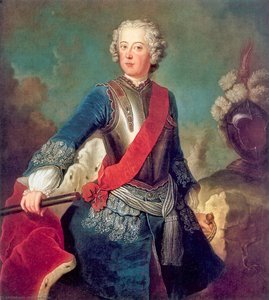
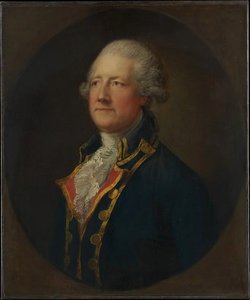
作家の略歴
The Legacy of Johann Georg Ziesenis the Younger
In the grand tapestry of eighteenth-century European portraiture, few names evoke the refined elegance of the Rococo era quite like Johann Georg Ziesenis the Younger. Born in Copenhagen in 1716, Ziesenis emerged from a lineage deeply rooted in the artistic traditions of Northern Europe. His father, Johan Jürgen Ziesenis, a Hanoverian painter who had embraced Danish citizenship, served as his first and most vital mentor. This early immersion in the disciplined world of drawing and classical technique provided the foundation upon which Johann Georg would build a career defined by grace, precision, and an uncanny ability to capture the psychological depth of his subjects.
The trajectory of Ziesenis’s life was one of movement and prestige, tracing a path through the most influential courts of his time. After refining his skills under his father's watchful eye, he moved to Düsseldorf, a pivotal moment that would elevate his status from a student of tradition to a master of the royal portrait. It was here that he began to attract the attention of the nobility, honing a style that balanced the delicate ornamentation of the Rococo period with a profound sense of character. His ability to render the textures of silk, the luster of pearls, and the subtle nuances of human expression allowed him to become a preferred chronicler of the era's most significant figures.
A Master of Royal Likeness
The true brilliance of Ziesenis lies in his capacity to serve as a visual historian for the monarchies of Europe. His oeuvre is not merely a collection of faces, but a window into the power structures and social graces of the mid-18th century. Throughout his prolific career, he produced approximately 260 works, including portraits, paintings, and sketches that documented the very essence of royalty. Among his most celebrated achievements are his depictions of the Danish royal family, such as his portraits of Crown Prince Frederik, which remain preserved in the splendor of Fredensborg Palace.
His influence extended far beyond the borders of Denmark, reaching into the courts of Brunswick and Berlin. Ziesenis possessed a unique versatility that allowed him to navigate different cultural landscapes with ease. One of his most historically significant works includes his portrait of Hans Egede, painted in 1764. Furthermore, his connection to the British monarchy is immortalized through his portraits of Charlotte of Mecklenburg-Strelitz, the woman who would become the future Queen of Great Britain as the wife of King George III. Through these works, Ziesenis did more than paint likenesses; he captured the political and social intersections of a continent in transition.
Artistic Lineage and Enduring Significance
The artistry of Johann Georg Ziesenis was not an isolated phenomenon but part of a larger family tradition of creative excellence. The painter’s daughters, Maria and Margaretha, both pursued paths as painters, suggesting that the technical mastery and aesthetic sensibility he possessed were deeply embedded in his domestic life. This familial dedication to the craft ensured that the Ziesenis name remained synonymous with the high standards of European portraiture during a period of immense stylistic evolution.
Today, the historical significance of Ziesenis is preserved within the hallowed halls of major institutions, most notably the National Gallery of Denmark. His works serve as vital touchstones for art historians studying the transition from the ornate flourishes of the Rococo to the more structured sensibilities that followed. When we look upon a Ziesenis portrait, we are not merely observing a face; we are witnessing the meticulous craftsmanship of an artist who mastered the art of the gaze, leaving behind a legacy that continues to inspire awe and admiration in the hearts of art lovers worldwide.
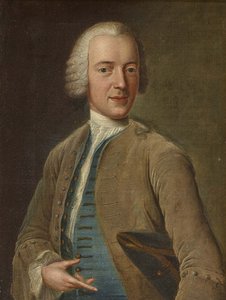
johann georg ziesenis the younger
1716 - 1776 , Denmark
プロフィール概要
- Artistic Movement Or Style: Rococo
- Artists Who Influenced This Artist: ['Johann Jürgen Ziesenis']
- Date Of Birth: 1716
- Date Of Death: 1776
- Full Name: Johann Georg Ziesenis the Younger
- Nationality: German-Danish
- Notable Artworks:
- Portrait of Crown Prince Frederik
- Portrait of Frederick II
- Portrait of Charlotte of Mecklenburg-Strelitz
- Place Of Birth: Copenhagen, Denmark