

 プレビュー
プレビュー
 プリントを購入
 シェアする
シェアする シェアする
シェアする
 詳細を見る
詳細を見る

 ダウンロード
 似ている作品
 X線調査
X線調査 スライドショー
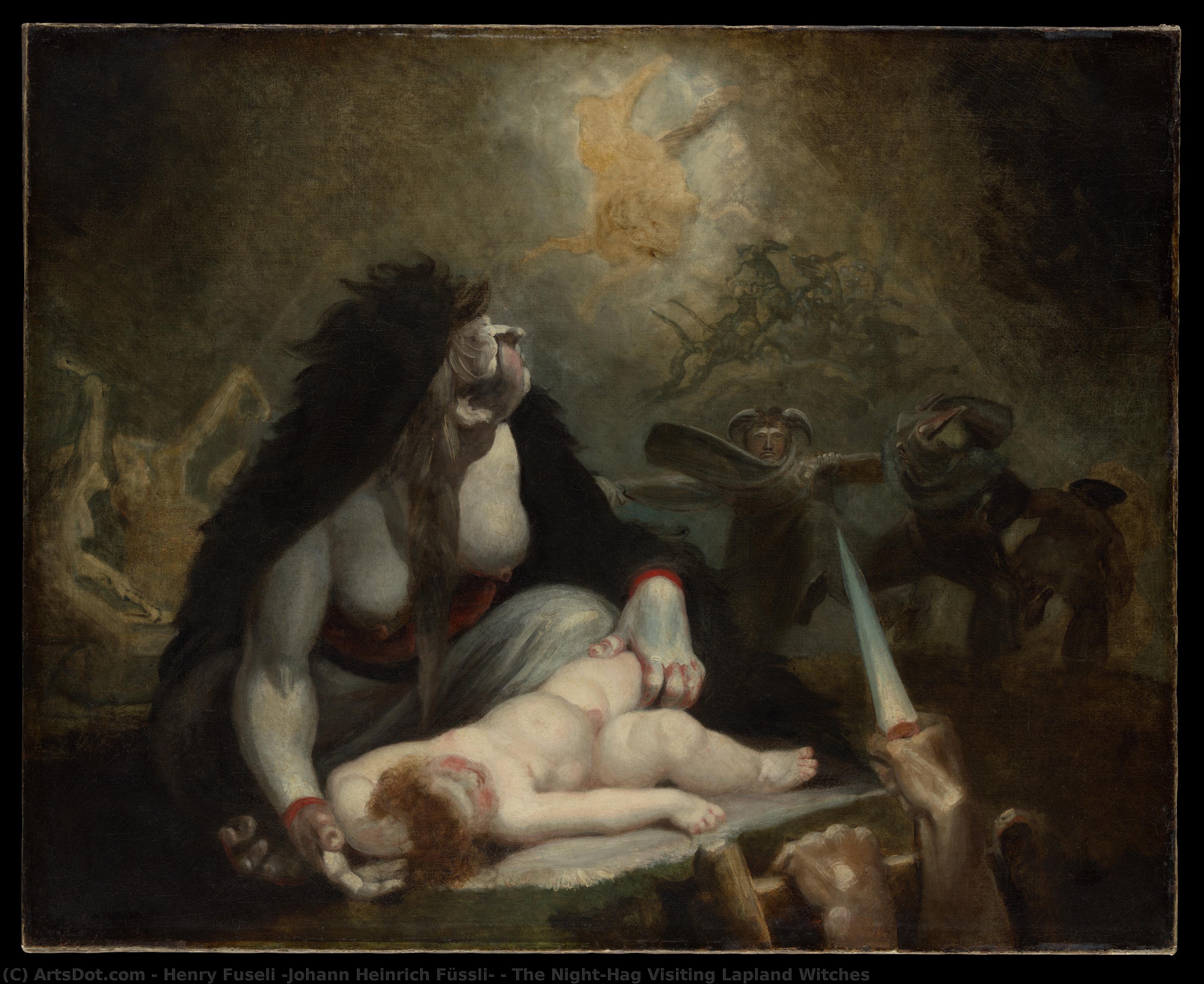
The Night-Hag Visiting Lapland Witches
 Oil On Canvas
- WallArt
- Romanticism
 1796
1796 102.0 x 126.0 cm
 メトロポリタン美術館
 詳細を見る
詳細を見る
オンラインプレビューをはるかに凌ぐ、高解像度で鮮明なデジタル画像をご購入いただけます。
各ファイルは、社内の専門家が高度なツールと熟練した手作業によるレタッチを用いて、細心の注意を払って準備されています。すべての画像において、卓越した鮮明度、正確な色彩再現性、そして繊細なディテールを保証いたします。
最終ファイルは、プロフェッショナルな編集・印刷環境ですぐにご利用いただけるよう最適化された状態で、72時間以内にメールにてお届けいたします。これは、一流のデザインスタジオ、出版社、ギャラリーから信頼されているものと同等の品質です。
デジタル画像のご注文に付随する特典
高品質なデジタル画像配信を、確かな品質で。
ArtsDot.com を選ぶことは、単に画像を手に入れることではありません。それは、プロの手によって精密に仕上げられ、満足保証が付いた高品質なデジタルアートワークを受け取ることを意味します。ご注文いただいた際に自動的に付随する内容は、以下の通りです:

メールですぐにお届け
ご注文から72時間以内に、高解像度のデジタル画像ファイルがメールでお手元に届きます。すぐにそのままご利用いただけます。

AI技術で最適化されたデジタルファイル
お客様の作品は、高度なAIツールと専門家による手作業の編集を組み合わせてプロフェッショナルに最適化されており、細部のディテール、鮮明さ、そして正確な色再現性を最大限に引き出しています。

一生涯無料の再送サービス
ファイルを誤って削除したり、紛失してしまったりしましたか?ご安心ください。いつでも無料で再送いたします。

輸入手数料は一切かかりません
関税や手数料、配送料を気にすることなく、お気に入りのアートワークをすぐにお楽しみいただけます。デジタルダウンロードは常に免税です。

色彩再現の保証
プロ仕様のツールとカラーマネジメント技術を用いることで、デジタル画像が元の色を最大限に忠実に再現することを保証いたします。

100日間満足保証
ご購入いただいたデジタル画像にご満足いただけない場合は、100日以内であれば、理由を問わず修正または100%の返金対応をさせていただきます。

100% 返金保証
ご満足いただけない場合は、デジタルファイルを受け取ってから100日以内であれば、理由を問わず全額返金いたします。

まとめ買い割引
3枚購入で10%OFF - 5枚購入で15%OFF - 10枚以上購入で20%OFF。クリエイティブなプロジェクト、ギャラリー、エージェンシーに最適です。
The Night Hag’s Descent: A Study in Gothic Horror and Romantic Symbolism
Henry Fuseli's "The Night-Hag Visiting Lapland Witches," painted in 1796, isn’t merely a depiction of a scene; it’s an immersion into the shadowed heart of human psychology. This arresting oil on canvas, currently residing within the hallowed halls of The Metropolitan Museum of Art in New York City, pulsates with a potent blend of gothic horror and nascent Romanticism – a visual embodiment of fear, superstition, and the unsettling allure of the unknown. Fuseli, a Swiss artist deeply influenced by his time in London’s vibrant art scene and his fascination with classical antiquity and the macabre, crafted an image that continues to grip viewers centuries later.
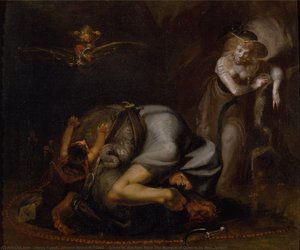
The painting immediately commands attention through its stark contrast: a predominantly monochrome palette dominated by blacks, whites, and greys. This deliberate restriction of color amplifies the sense of dread and isolation, drawing the eye to the central figures and their unsettling tableau. The composition is meticulously arranged, guiding the viewer’s gaze across the scene with an almost hypnotic quality. A woman, often interpreted as a night hag or demonic figure, dominates the foreground, her horned head and skeletal features radiating an aura of ancient power and malevolence. She holds a baby aloft, a symbol simultaneously of innocence and vulnerability – a chilling juxtaposition that underscores the painting’s central themes.
A Literary Echo: Paradise Lost and the Dark Side of Myth
Fuseli's inspiration for "The Night-Hag Visiting Lapland Witches" stems directly from John Milton’s epic poem, *Paradise Lost*. Specifically, he was captivated by a passage describing the hellhounds following the night-hag as she rides through the air, lured by the smell of infant blood to dance with Lapland witches under an eclipsed moon. This literary source imbues the painting with layers of symbolic meaning, connecting it to broader themes of temptation, corruption, and the consequences of transgression. The scene echoes Milton’s exploration of fallen angels and the eternal struggle between good and evil, translating a complex theological concept into a visceral visual experience.
The Lapland witches themselves – depicted in the background as shadowy figures engaged in a frenzied ritual – represent the darker aspects of human nature: superstition, irrationality, and the willingness to embrace forbidden knowledge. The presence of the baby, held by the night hag, introduces a poignant element of tragedy, suggesting that even innocence is susceptible to corruption and manipulation. The overall effect is profoundly unsettling, tapping into primal fears about darkness, vulnerability, and the forces beyond human control.
Technique and Atmosphere: A Masterclass in Dramatic Lighting
Fuseli’s masterful technique is crucial to the painting's impact. He employs a dramatic chiaroscuro – a stark contrast between light and shadow – to sculpt the figures and create a sense of depth and atmosphere. The strong directional lighting, emanating from an unseen source, highlights the night hag’s face and hands, emphasizing her power and menace while plunging the surrounding scene into darkness. This use of light and shadow isn't merely aesthetic; it serves to heighten the emotional intensity of the image, creating a sense of claustrophobia and foreboding.
Furthermore, Fuseli’s brushwork is remarkably expressive, conveying a sense of movement and frenzy through swirling lines and textured surfaces. The figures appear almost animated, caught in a moment of chaotic ritual. The painting's overall effect is one of intense drama and psychological depth – a testament to Fuseli’s ability to capture the complexities of human emotion and experience on canvas.
A Legacy of Gothic Imagination
"The Night-Hag Visiting Lapland Witches" remains a powerfully evocative work, influencing generations of artists and writers. Its exploration of dark themes—fear, superstition, and the corruption of innocence—resonates deeply with viewers today. It’s a painting that invites contemplation, prompting us to confront our own anxieties about the unknown and the shadows lurking within the human psyche. Reproductions of this iconic artwork continue to captivate audiences, offering a glimpse into the visionary imagination of Henry Fuseli and his enduring contribution to the history of art.
関連作品

作家の略歴
生い立ちと教育
1741年2月7日、スイスのチューリッヒに生まれたヨハン・ハインリヒ・フュースリーは、画家であり版画家、そして美術理論家でもありました。父ヨハン・カスパル・フュースリーは肖像画家であり、18人の子供たちのうちの一人として、幼い頃から芸術的な環境の中で育ちました。チューリッヒのカロリヌム大学で古典教育を受け、その後の芸術への道を歩むための基礎を築きました。ロンドンでのキャリアとイタリア滞在
1764年、フュースリーはロンドンに移り住み、サー・ジョシュア・レイノルズとの出会いを果たします。レイノルズの励ましを受け、絵画に専念することを決意しました。その後8年間をイタリアで過ごし、古代美術やティツィアーノ、カラヴァッジョ、マニエリスムといった巨匠たちの作品を研究に没頭しました。このイタリア滞在は、フュースリーの芸術的感性を大きく開花させる重要な時期となりました。超自然的な表現と象徴性
フュースリーの絵画は、しばしば夢や悪夢といった超自然的な体験を描いています。「悪夢」はその代表作であり、独特なスタイルを確立しました。また、ジョン・ミルトンの作品に基づいた一連の絵画も制作し、ボイドールのシェイクスピア・ギャラリーに匹敵する「ミルトン・ギャラリー」の創設を目指しました。彼の作品には、常に深遠な象徴性が込められており、見る者の想像力を掻き立てます。主要作品と芸術界への影響
フュースリーは、シェイクスピアの妖精譚をモチーフにした「ティタニア、ボトムと妖精たち」など、数多くの傑作を生み出しました。ロイヤル・アカデミーでは絵画教授および学芸員を務め、ウィリアム・ブレイクをはじめとする若いイギリス人芸術家たちに大きな影響を与えました。彼の作品は、当時の芸術界に新たな潮流をもたらし、ロマン主義の幕開けを告げるものとなりました。遺産と後世への貢献
フュースリーのスタイルは、多くの若いイギリス人芸術家に多大な影響を与え、その超自然的なテーマは今もなお美術愛者を魅了し続けています。チューリッヒ美術館(Kunsthaus Zürich)には「悪夢」をはじめとする彼の作品が幅広く所蔵されており、アルベルティーナ美術館(Wien, Austria)では、「オデュッセウスに未来を告げるテイレスイアス」という水彩画を見ることができます。フュースリーの遺産は、彼の数多くの作品を通して、様々な美術館やコレクションで探求することができます。 参考文献: ArtsDotでさらに多くのフュースリー作品を見る: ヨハン・ハインリヒ・フュースリー | 12点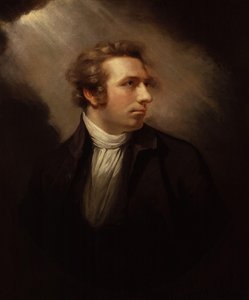
ヨハン・ハインリヒ・フュースリー
1741 - 1825 , スイス
プロフィール概要
- Artistic Movement Or Style: ロマン主義、新古典主義
- Artists Or Movements Influenced By This Artist: ['ウィリアム・ブレイク']
- Artists Who Influenced This Artist:
- ティツィアーノ
- カラヴァッジョ
- Date Of Birth: 1741年2月7日
- Date Of Death: 1825年
- Full Name: ヨハン・ハインリヒ・フュースリー
- Nationality: スイス人
- Notable Artworks (List Of Titles):
- 悪夢
- ティタニアと妖精たち
- Place Of Birth (City And Country): スイス、チューリッヒ