 プレビュー
プレビュー
 プリントを購入
 シェアする
シェアする シェアする
シェアする
 詳細を見る
詳細を見る

 ダウンロード
 似ている作品
 X線調査
X線調査 スライドショー
The Nightmare
 Oil On Canvas
- WallArt
- Gothic Romanticism
 1790
1790- 19th Century
 77.0 x 64.0 cm
 ゲーテハウス
 詳細を見る
詳細を見る




P118B $10

P118H $10

P118W $10

P438Z $10

P508JH $12

P508YH $12

P805H $10

P805Z $10

P919BZ $10

P919G $10

P919XJ $10

P959ZH $10

P968JZ $12

W106C $8

W218G $10

W218JH $8

W218Y $10

W307PJ $10

W316G $10

W316PJ $8

W316Y $10

W398PJ $8

W4111J $10

W500HY $15

W500JH $15

W692G $12

W849H $8

W940BG $15

W953PJ $8




作品のオリジナル比率に合わせた、当店の規定サイズからお選びください。

特定のフレームやスペースに合わせて、ご希望のサイズをご入力いただけます。選択されたサイズが元の画像の比率と異なる場合、アートワークをトリミングするか、手描きで要素を追加して絵画を拡張いたします。デジタルモックアップ を制作し、制作開始前にご確認(承認)をいただきます。
画面上のプレビューは、実際のトリミングや拡張を正確に反映しているものではありません。最終的な構図は、モックアップによってのみ正確にご確認いただけます。
カスタムサイズもご利用いただけますが、元の比率を維持するためには、あらかじめ用意されたリストからサイズを選択することをお勧めいたします。
ご注文後、ArtsDot.com チームより詳細な指示をお送りするとともに、仕上がりイメージ(モックアップ)をご提供いたします。


 ガラスオプションは、110cm未満のサイズでのみご利用いただけます。

The Nightmare
複製技法
複製画のサイズ
-


合計金額
$ 288
作品解説
Henry Fuseli’s ‘The Nightmare’: A Descent into the Subconscious
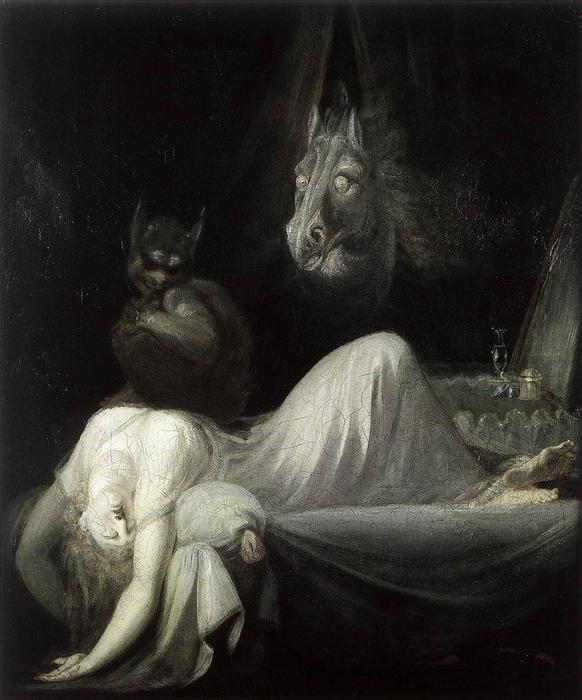
Henry Fuseli's "The Nightmare," completed in 1790, remains one of the most arresting and unsettling images in art history. More than just a depiction of a sleeping woman, it is a profound exploration of the subconscious, a gateway to anxieties and hidden desires rendered with masterful Romantic sensibility. The painting’s enduring power lies not only in its dramatic composition but also in its ability to tap into universal fears – those lurking within our own dreams and shadowed by the potential for darkness within humanity.
The scene itself is deceptively simple: a woman, seemingly lost in slumber, lies prone on a bed. Yet, surrounding her are elements that immediately evoke unease. A horse’s head, grotesquely large and hanging over the edge of the bed, dominates the upper portion of the canvas, its presence simultaneously menacing and suggestive. Below, a sleek black cat sits calmly, an emblem of indifference or perhaps a harbinger of impending doom. And on the right, a diminutive gnome-like figure observes the scene with unsettling intensity – often interpreted as Fuseli himself, intruding upon this private nightmare.
A Symphony of Shadow and Light: Technique and Style
Fuseli’s technical skill is immediately apparent in his use of chiaroscuro, the dramatic contrast between light and dark. The pale skin of the woman is illuminated by a single, unseen source, casting the rest of the scene into deep shadow. This technique isn't merely stylistic; it actively contributes to the painting’s emotional impact, isolating the figure and amplifying her vulnerability. He employed oil paints on canvas, layering thin glazes to achieve a luminous effect while utilizing bold brushstrokes to define the forms – particularly the muscular physique of the horse and the angular features of the gnome.
The overall style is firmly rooted in the Romantic movement, characterized by an emphasis on emotion, imagination, and the sublime. Fuseli’s work anticipates the darker currents of Gothic horror that would flourish in subsequent decades, yet it possesses a unique sensitivity and psychological depth. The flattened perspective, deliberately eschewing traditional spatial realism, further enhances the dreamlike quality of the scene, transporting the viewer into the unsettling realm of the subconscious.
Symbolism and Interpretation: Unraveling the Dream
“The Nightmare” is rich in symbolic meaning, inviting multiple interpretations. The horse, a recurring motif in Fuseli’s work, has been variously interpreted as representing sexual desire, repressed emotions, or even the destructive forces of nature. The cat, with its enigmatic gaze, embodies indifference and perhaps a lurking presence – a subtle reminder of the dangers that can lie hidden beneath the surface. The gnome figure is particularly intriguing, suggesting the artist's own engagement with the dreamscape, blurring the lines between observer and participant.
Beyond these specific symbols, the painting speaks to broader themes of vulnerability, fear, and the struggle against internal demons. It’s a potent reminder that our dreams are not merely random firings of neurons but reflections of our deepest anxieties and desires. The woman's posture – limp, helpless, and filled with terror – resonates powerfully across time, tapping into a primal human experience.
A Timeless Masterpiece: Historical Context and Legacy
"The Nightmare" was initially met with considerable controversy, its unsettling imagery shocking audiences of the late 18th century. However, it quickly gained recognition as a masterpiece of Romantic art, profoundly influencing subsequent generations of artists and writers. Currently housed in the Goethe-Museum in Frankfurt, Germany, this painting continues to captivate viewers with its haunting beauty and enduring psychological resonance. Its impact can be seen in countless works that followed, solidifying Fuseli’s place as a pioneer of Gothic horror and a master of evoking emotional intensity through art.
関連作品
アーティストの略歴
生い立ちと教育
1741年2月7日、スイスのチューリッヒに生まれたヨハン・ハインリヒ・フュースリーは、画家であり版画家、そして美術理論家でもありました。父ヨハン・カスパル・フュースリーは肖像画家であり、18人の子供たちのうちの一人として、幼い頃から芸術的な環境の中で育ちました。チューリッヒのカロリヌム大学で古典教育を受け、その後の芸術への道を歩むための基礎を築きました。ロンドンでのキャリアとイタリア滞在
1764年、フュースリーはロンドンに移り住み、サー・ジョシュア・レイノルズとの出会いを果たします。レイノルズの励ましを受け、絵画に専念することを決意しました。その後8年間をイタリアで過ごし、古代美術やティツィアーノ、カラヴァッジョ、マニエリスムといった巨匠たちの作品を研究に没頭しました。このイタリア滞在は、フュースリーの芸術的感性を大きく開花させる重要な時期となりました。超自然的な表現と象徴性
フュースリーの絵画は、しばしば夢や悪夢といった超自然的な体験を描いています。「悪夢」はその代表作であり、独特なスタイルを確立しました。また、ジョン・ミルトンの作品に基づいた一連の絵画も制作し、ボイドールのシェイクスピア・ギャラリーに匹敵する「ミルトン・ギャラリー」の創設を目指しました。彼の作品には、常に深遠な象徴性が込められており、見る者の想像力を掻き立てます。主要作品と芸術界への影響
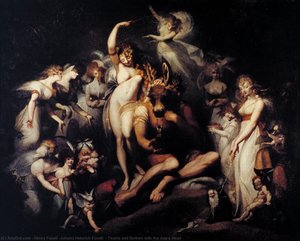
フュースリーは、シェイクスピアの妖精譚をモチーフにした「ティタニア、ボトムと妖精たち」など、数多くの傑作を生み出しました。ロイヤル・アカデミーでは絵画教授および学芸員を務め、ウィリアム・ブレイクをはじめとする若いイギリス人芸術家たちに大きな影響を与えました。彼の作品は、当時の芸術界に新たな潮流をもたらし、ロマン主義の幕開けを告げるものとなりました。遺産と後世への貢献
フュースリーのスタイルは、多くの若いイギリス人芸術家に多大な影響を与え、その超自然的なテーマは今もなお美術愛者を魅了し続けています。チューリッヒ美術館(Kunsthaus Zürich)には「悪夢」をはじめとする彼の作品が幅広く所蔵されており、アルベルティーナ美術館(Wien, Austria)では、「オデュッセウスに未来を告げるテイレスイアス」という水彩画を見ることができます。フュースリーの遺産は、彼の数多くの作品を通して、様々な美術館やコレクションで探求することができます。 参考文献: ArtsDotでさらに多くのフュースリー作品を見る: ヨハン・ハインリヒ・フュースリー | 12点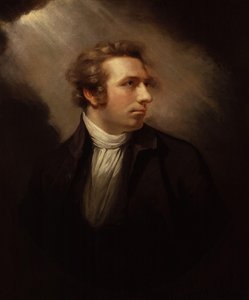
ヨハン・ハインリヒ・フュースリー
1741 - 1825 , スイス
基本情報
- Artistic Movement Or Style: ロマン主義、新古典主義
- Artists Or Movements Influenced By This Artist: ['ウィリアム・ブレイク']
- Artists Who Influenced This Artist:
- ティツィアーノ
- カラヴァッジョ
- Date Of Birth: 1741年2月7日
- Date Of Death: 1825年
- Full Name: ヨハン・ハインリヒ・フュースリー
- Nationality: スイス人
- Notable Artworks (List Of Titles):
- 悪夢
- ティタニアと妖精たち
- Place Of Birth (City And Country): スイス、チューリッヒ
関連記事

The Enduring Legacy of Oil on Canvas: Technique, History & Aesthetic Impact
Explore the rich history & techniques of oil painting – from Renaissance masters to Impressionism. Discover pigments, layering methods, and why this timeless medium endures. Expert insights for artists & art enthusiasts.

Oil on Canvas: A Historical & Technical Exploration of a Timeless Artistic Medium
Explore the rich history & enduring techniques of oil painting on canvas. Discover the science behind its longevity, conservation practices, and contemporary relevance. Expert insights for art enthusiasts.

The Enduring Power of Painting: A Historical & Contemporary Exploration of Form and Emotion
Explore the rich history & enduring techniques of oil painting with ArtsDot. Discover masterpieces, learn about art collecting, and find authentic handmade reproductions crafted by skilled artists.
Romantic Realism's Finest: 10 Masterpieces for Your Home | ArtsDot
Explore 10 defining masterpieces of Romantic Realism! Discover Courbet, Millet & Daumier's powerful paintings—capturing emotion and social realities. Find museum-quality reproductions for your home at ArtsDot.com.

油彩のキャンバス:技法、歴史、そして現代の実践 - 古典美術愛好家へ
油彩の技法、歴史、巨匠たちの秘密を徹底解説。古典美術愛好家向けに、初期フランドル絵画から現代の実践まで深く掘り下げます。ArtsDotで高品質な複製画やカスタムオーダーも承ります。