 プレビュー
プレビュー
 シェアする
シェアする シェアする
シェアする
 詳細を見る
詳細を見る

 ダウンロード
 似ている作品
 X線調査
X線調査 スライドショー
 統計情報
統計情報Woman Sitting, Curled up
 Oil On Canvas
- WallArt
- Rococo style
 1778
1778 26.0 x 21.0 cm
 National Gallery of Denmark
 詳細を見る
詳細を見る
ジークレー/アートプリント
迅速な制作と多彩な仕上げオプションを備えた、ミュージアムクオリティのジークレーまたはキャンバスプリント。 ( 手描きの絵画を購入 デジタル画像販売へ切り替え)




P118B $10

P118H $10

P118W $10

P438Z $10

P508JH $12

P508YH $12

P805H $10

P805Z $10

P919BZ $10

P919G $10

P919XJ $10

P959ZH $10

P968JZ $12

W106C $8

W218G $10

W218JH $8

W218Y $10

W307PJ $10

W316G $10

W316PJ $8

W316Y $10

W398PJ $8

W4111J $10

W500HY $15

W500JH $15

W692G $12

W849H $8

W940BG $15

W953PJ $8




作品のオリジナル比率に合わせた、当店の規定サイズからお選びください。

特定のフレームやスペースに合わせて、ご自身でサイズを指定することも可能です。選択されたサイズが元の画像の比率と一致しない場合、作品をトリミングするか、鏡面反射または単色での塗りつぶしによって画像を拡張いたします。制作を開始する前に、ご確認用のデジタルモックアップをお送りいたします。
画面上のプレビューには、実際のトリミングや拡張は反映されませんのでご注意ください。最終的な構図を正確に確認できるのは、モックアップのみとなります。
カスタムサイズも承っておりますが、元の比率を維持するためには、あらかじめ用意されたリストからサイズを選択することをお勧めいたします。


 ガラスオプションは、110cm未満のサイズでのみご利用いただけます。

Woman Sitting, Curled up
ジークレー/アートプリント
複製画のサイズ
-


合計金額
$ 62
A Moment of Quiet Contemplation: Füssli’s “Woman Sitting, Curled up”
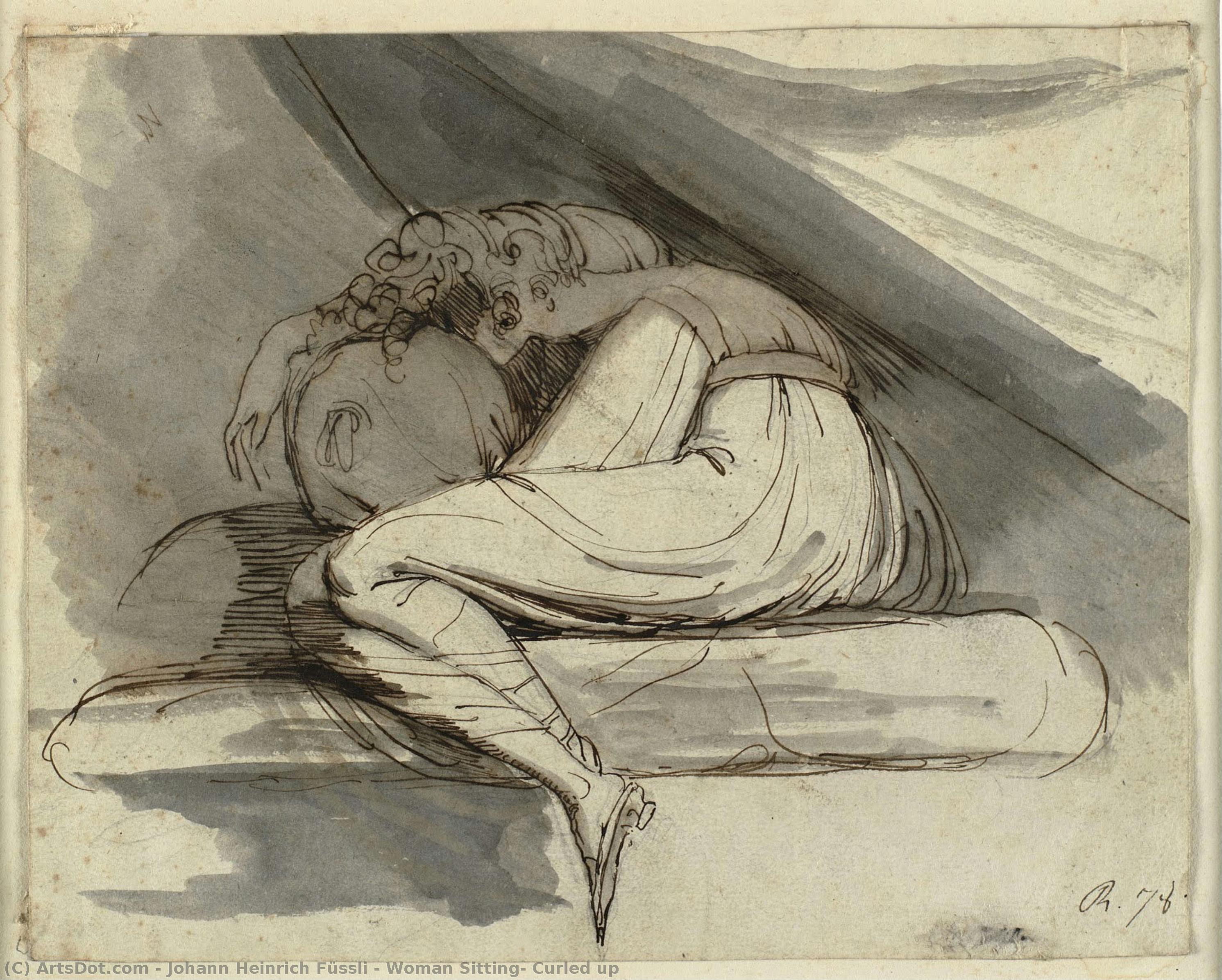
Johann Heinrich Füssli's "Woman Sitting, Curled up," executed in 1778, is a deceptively simple yet profoundly evocative drawing that speaks to the core of human experience – rest, vulnerability, and perhaps even a touch of melancholy. Measuring just 26 x 21 cm, this intimate work transcends its modest size through Füssli’s masterful handling of line and form. It's not a narrative piece in the traditional sense; rather, it presents an arresting self-referential image where the subject itself dictates the picture’s content. The woman, rendered with a delicate precision characteristic of Füssli’s later work, embodies a state of serene repose, her head nestled against her hand, suggesting either sleep or deep contemplation. This isn't a portrait intended to capture a specific identity but rather an exploration of the human condition itself.
The Artist and His Vision
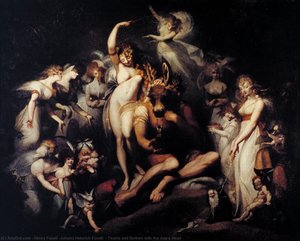
Born in Zurich in 1741, Johann Heinrich Füssli was a pivotal figure in the late 18th-century art world. Initially trained in classical traditions, he later embraced a distinctly Baroque style influenced by his extensive travels through Italy and England. Füssli’s artistic journey was marked by a fascination with the supernatural – a trait evident in works like "Titania, Bottom, and the Fairies," showcasing his ability to blend mythological themes with a deeply personal vision. His ambition extended beyond mere painting; he envisioned creating a “Milton Gallery,” mirroring Boydell's Shakespeare collection, demonstrating an intellectual curiosity that informed his artistic output. His early exposure to the works of Titian, Caravaggio, and Mannerist painters undoubtedly shaped his approach to composition and light, contributing to the dramatic intensity often found in his oeuvre.
Technique and Style
The drawing itself is executed with remarkable sensitivity. Füssli’s use of charcoal creates a rich tonal range, subtly defining the contours of the woman's figure and the folds of her clothing. The loose, expressive lines contribute to an atmosphere of intimacy and vulnerability. Notice the careful rendering of the flowers adorning her head – a detail that elevates the piece beyond a simple depiction of repose. This attention to detail, combined with Füssli’s understanding of light and shadow, imbues the drawing with a palpable sense of realism despite its stylized nature. The background figures, though secondary, reinforce the feeling of a private moment, hinting at a world continuing around her.
Symbolism and Emotional Resonance
"Woman Sitting, Curled up" invites interpretation beyond its surface appearance. The posture itself – relaxed, vulnerable, almost fetal – speaks to themes of rest, recovery, and perhaps even surrender. The crown of flowers adds an element of beauty and fragility, suggesting a connection to nature and the ephemeral quality of life. While devoid of explicit narrative, the drawing possesses a powerful emotional resonance, tapping into universal feelings of peace, solitude, and introspection. It’s a reminder that amidst the demands of daily existence, moments of quiet contemplation are essential for our well-being.
関連作品


アーティストの略歴
生い立ちと教育
1741年2月7日、スイスのチューリッヒに生まれたヨハン・ハインリヒ・フュースリーは、画家であり版画家、そして美術理論家でもありました。父ヨハン・カスパル・フュースリーは肖像画家であり、18人の子供たちのうちの一人として、幼い頃から芸術的な環境の中で育ちました。チューリッヒのカロリヌム大学で古典教育を受け、その後の芸術への道を歩むための基礎を築きました。ロンドンでのキャリアとイタリア滞在
1764年、フュースリーはロンドンに移り住み、サー・ジョシュア・レイノルズとの出会いを果たします。レイノルズの励ましを受け、絵画に専念することを決意しました。その後8年間をイタリアで過ごし、古代美術やティツィアーノ、カラヴァッジョ、マニエリスムといった巨匠たちの作品を研究に没頭しました。このイタリア滞在は、フュースリーの芸術的感性を大きく開花させる重要な時期となりました。超自然的な表現と象徴性
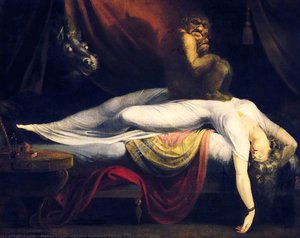
フュースリーの絵画は、しばしば夢や悪夢といった超自然的な体験を描いています。「悪夢」はその代表作であり、独特なスタイルを確立しました。また、ジョン・ミルトンの作品に基づいた一連の絵画も制作し、ボイドールのシェイクスピア・ギャラリーに匹敵する「ミルトン・ギャラリー」の創設を目指しました。彼の作品には、常に深遠な象徴性が込められており、見る者の想像力を掻き立てます。主要作品と芸術界への影響
フュースリーは、シェイクスピアの妖精譚をモチーフにした「ティタニア、ボトムと妖精たち」など、数多くの傑作を生み出しました。ロイヤル・アカデミーでは絵画教授および学芸員を務め、ウィリアム・ブレイクをはじめとする若いイギリス人芸術家たちに大きな影響を与えました。彼の作品は、当時の芸術界に新たな潮流をもたらし、ロマン主義の幕開けを告げるものとなりました。遺産と後世への貢献
フュースリーのスタイルは、多くの若いイギリス人芸術家に多大な影響を与え、その超自然的なテーマは今もなお美術愛者を魅了し続けています。チューリッヒ美術館(Kunsthaus Zürich)には「悪夢」をはじめとする彼の作品が幅広く所蔵されており、アルベルティーナ美術館(Wien, Austria)では、「オデュッセウスに未来を告げるテイレスイアス」という水彩画を見ることができます。フュースリーの遺産は、彼の数多くの作品を通して、様々な美術館やコレクションで探求することができます。 参考文献: ArtsDotでさらに多くのフュースリー作品を見る: ヨハン・ハインリヒ・フュースリー | 12点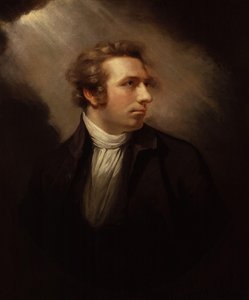
ヨハン・ハインリヒ・フュースリー
1741 - 1825 , スイス
基本情報
- Artistic Movement Or Style: ロマン主義、新古典主義
- Artists Or Movements Influenced By This Artist: ['ウィリアム・ブレイク']
- Artists Who Influenced This Artist:
- ティツィアーノ
- カラヴァッジョ
- Date Of Birth: 1741年2月7日
- Date Of Death: 1825年
- Full Name: ヨハン・ハインリヒ・フュースリー
- Nationality: スイス人
- Notable Artworks (List Of Titles):
- 悪夢
- ティタニアと妖精たち
- Place Of Birth (City And Country): スイス、チューリッヒ
関連記事

ロマン派ランドスケープ:時代を彩る巨匠の10選|アートとインテリアの世界
ロマン派絵画の時代を彩る10選。巨匠たちの風景が織りなす感動の世界へ。ターナー、ルーベンスなど、名作の裏話と高精細複製でアートをお部屋に。ArtsDot.comで至福のアート体験を。

Beyond Myth & Madness: Exploring the Visionary Art of Johann Heinrich Füssli
Explore the captivating world of Johann Heinrich Füssli (Henry Fuseli), a master of Romantic art. Discover his iconic 'The Nightmare' and Shakespearean scenes, plus insights for collectors & enthusiasts.
The Nuances of Graphite: Exploring Emotional Depth & Technical Mastery in Pencil Drawing
Explore the captivating world of graphite drawing! Discover its rich history, master essential techniques like chiaroscuro, and learn how artists evoke emotion through this timeless medium. Expert insights for art enthusiasts.
Romantic Masterpieces: 10 Artworks for a Timeless Home Decor Aesthetic
Fall in love with art! Explore 10 iconic romantic paintings – from Monet & Bouguereau to Fragonard. Discover the stories behind these masterpieces and find museum-quality reproductions for your home decor at .

Romantic Realism's Finest: 10 Masterpieces for Your Home | ArtsDot
Explore 10 defining masterpieces of Romantic Realism! Discover Courbet, Millet & Daumier's powerful paintings—capturing emotion and social realities. Find museum-quality reproductions for your home at ArtsDot.com.