

 プレビュー
プレビュー
 プリントを購入
 シェアする
シェアする シェアする
シェアする
 詳細を見る
詳細を見る

 ダウンロード
 似ている作品
 X線調査
X線調査 スライドショー
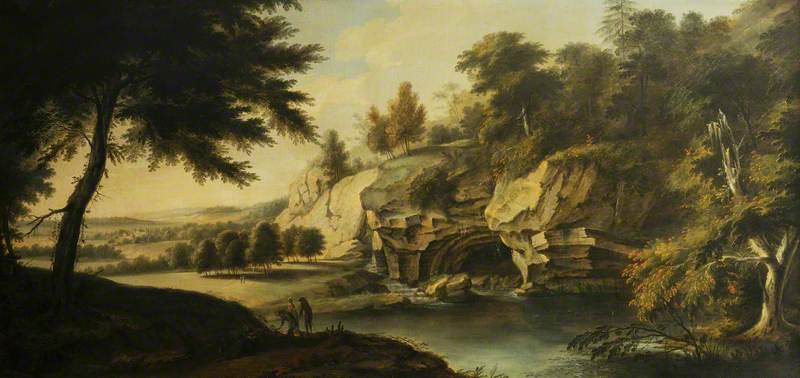
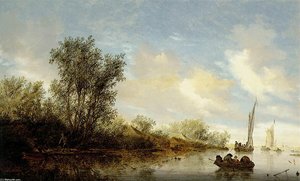
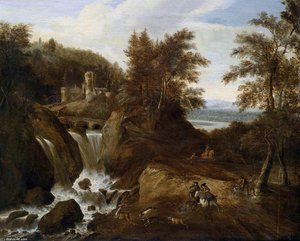
A River Scene with Rocky Banks and a Waterfall
 Dutch Golden Age
 1755
1755 69.0 x 143.0 cm
 National Trust
 詳細を見る
詳細を見る




































作品のオリジナル比率に合わせた、当店の規定サイズからお選びください。

特定のフレームやスペースに合わせて、ご希望のサイズをご入力いただけます。選択されたサイズが元の画像の比率と異なる場合、アートワークをトリミングするか、手描きで要素を追加して絵画を拡張いたします。デジタルモックアップ を制作し、制作開始前にご確認(承認)をいただきます。
画面上のプレビューは、実際のトリミングや拡張を正確に反映しているものではありません。最終的な構図は、モックアップによってのみ正確にご確認いただけます。
カスタムサイズもご利用いただけますが、元の比率を維持するためには、あらかじめ用意されたリストからサイズを選択することをお勧めいたします。
ご注文後、ArtsDot.com チームより詳細な指示をお送りするとともに、仕上がりイメージ(モックアップ)をご提供いたします。


 ガラスオプションは、110cm未満のサイズでのみご利用いただけます。

A River Scene with Rocky Banks and a Waterfall
複製技法
複製画のサイズ
-


合計金額
$ 263
関連作品




アーティストの略歴
Early Life and Formation
Johann Heinrich Müntz, a name often Anglicized as John Henry Muntz during his productive years in England, was born in 1727 in Mulhouse, a city geographically nestled within Alsace but politically part of the Old Swiss Confederacy. This unique position—a crossroads of cultures and allegiances—perhaps foreshadowed Müntz’s own trajectory as an artist who would bridge stylistic divides and introduce novel aesthetic concepts. His early life was marked by both artistic inclination and military service; he embarked on travels, eventually joining the French army where he rose to the rank of captain in a Swiss regiment. A period spent in Spain proved formative, not for battles won but for sketches made—detailed studies of Gothic architecture that would later become central to his pioneering work.
Following the conclusion of the War of the Austrian Succession in 1748 and the disbandment of his regiment, Müntz sought entry into the Tribu des Maréchaux, a respected artisan group in Mulhouse. Accepted as a painter, he then journeyed to Rome in 1751, dedicating two years to meticulously copying antique vases—a rigorous training that honed his observational skills and instilled a deep appreciation for classical forms. This foundation would prove crucial as he navigated the complexities of Rococo design and ultimately sought to infuse it with elements of Gothic grandeur.
Arrival in England and Collaboration with Horace Walpole
The turning point in Müntz’s career came in 1754 when, while on the island of Jersey, he encountered Richard Bentley. This connection proved pivotal; Bentley championed Müntz's talents and introduced him to the influential Horace Walpole, a man whose vision would shape much of English taste during the mid-18th century. For four years, Müntz was employed at Strawberry Hill House, Walpole’s iconic Gothic Revival estate. He served not only as a painter and engraver but also as a key contributor to the overall aesthetic direction of the house—a project that aimed to create a whimsical, romanticized vision of medieval architecture.
Walpole recognized Müntz's skill and recommended him to other discerning patrons, including John Chute and George Montagu. He undertook commissions at The Vyne, Chute’s residence near Basingstoke, where several of his paintings remain today. A charming anecdote from this period involves the poet Thomas Gray, who found himself unexpectedly tasked with nursing Chute through a severe bout of gout while Müntz continued his work on the estate. However, the relationship between Walpole and Müntz eventually soured. Accounts vary—some suggest a dispute over Müntz’s affections for one of Walpole's servants, others claim a simple disagreement stemming from accusations of dishonesty. Regardless of the precise cause, the falling out marked a significant shift in Müntz’s career.
A Pioneer of Gothic Revival and Architectural Innovation
Following his departure from Strawberry Hill House in 1759, Müntz established himself in London and secured work at Kew Gardens. It was here that he truly began to leave his mark as an innovator. Around 1759, he designed the “Gothic Cathedral,” a whimsical folly constructed of wood and plaster—a testament to his ability to translate architectural concepts into imaginative structures. Though ultimately difficult to maintain and demolished in 1807, it represented a bold experiment in bringing Gothic forms to life.
Müntz’s contributions extended beyond purely decorative elements; he collaborated with William Chambers on the design of Kew's “Alhambra” (1758), demonstrating his versatility and willingness to engage with diverse architectural styles. In 1761-62, he designed an octagonal “Gothic Room” for Richard Bateman’s house at Old Windsor, a project that blended Gothic motifs with Chinese influences—reflecting the eclectic tastes of the period. His commission from James Caulfeild, 4th Viscount Charlemont, to create designs for his estate at Marino in Dublin further showcased his talent, though these plans may not have been fully realized.
Legacy and Historical Significance
While Müntz’s later life saw him travel to Holland, painting landscapes of Greece and Jerusalem and working as a porcelain painter and metallurgist, his most enduring legacy lies in his contributions to the Gothic Revival movement. He was not merely replicating Gothic forms; he was actively adapting them, integrating them into contemporary designs, and challenging prevailing aesthetic norms.
- Bridging Styles: Müntz skillfully blended Rococo elegance with the dramatic verticality and intricate detailing of Gothic architecture.
- Influence on English Taste: His work at Strawberry Hill House, The Vyne, and Kew Gardens helped popularize Gothic motifs and inspire a new generation of architects and designers.
- Pioneering Spirit: He was among the first to explore the potential of Gothic forms in a playful, imaginative way, paving the way for later developments in the movement.
- Architectural Innovation: His designs for follies and rooms demonstrated his ability to translate architectural concepts into tangible structures.
Johann Heinrich Müntz’s career was one of constant exploration and adaptation. He remains a fascinating figure—an artist who, through his skill, vision, and willingness to embrace new ideas, left an indelible mark on the landscape of 18th-century art and architecture.
johann heinrich müntz
1727 - 1798
基本情報
- Artistic Movement Or Style: Rococo, Gothic Revival
- Artists Or Movements Influenced By This Artist: ['Gothic Revival']
- Date Of Birth: 1727
- Date Of Death: 1798
- Full Name: Johann Heinrich Müntz
- Nationality: Alsatian-Swiss
- Notable Artworks:
- A River Scene
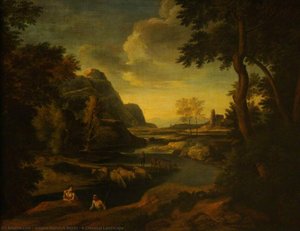
- A Classical Landscape
- John Chute (after Batoni)
- Place Of Birth: Mulhouse, Switzerland
関連記事

黄金世紀の巨匠たち:バロック絵画が彩る10選|ArtsDot
オランダ黄金時代の10大傑作を紐解く!レンブラント、フェルメール…バロック絵画の魅力と時代背景を深く探求。ArtsDotで、至高のアートコレクションと空間演出のヒントを見つけよう。高品質なアートプリントで、お部屋を華やかに。
Golden Light & Dutch Skies: Bringing the Magic of Dutch Golden Age Landscapes into Your Home
Transform your home with the breathtaking light of Dutch Golden Age landscapes. Discover how hand-painted oil reproductions of masterworks like Ruisdael and Vermeer bring timeless elegance, atmosphere, and soulful texture to modern interiors. Elevate your space with museum-quality art.
Charles Leickert: Capturing the Dutch Golden Age Light – A Comprehensive Study of Technique, Context, and Legacy
Explore the captivating winter landscapes of Charles Leickert, a master of Dutch Golden Age light & atmosphere. Discover his techniques, symbolism, and lasting legacy – a comprehensive study for art enthusiasts and collectors.

Nicolaes Berchem: Dutch Golden Age Pastoralism & the Evolution of Landscape Painting
Explore the captivating world of Nicolaes Berchem, a leading Dutch Golden Age painter. Discover his idyllic landscapes, masterful technique & lasting influence on art history. Learn more at ArtsDot.

Golden Age Reflections: Dutch Baroque Painting & Cultural Innovation
Explore the Dutch Golden Age of painting! Discover key artists like Vermeer & ter Borch, their innovative techniques, and the rich cultural context behind these Baroque masterpieces. Learn about collecting & appreciating this iconic art period.

