

 シェアする
シェアする シェアする
シェアする
 詳細を見る
詳細を見る

 ダウンロード
 似ている作品
 スライドショー
 統計情報
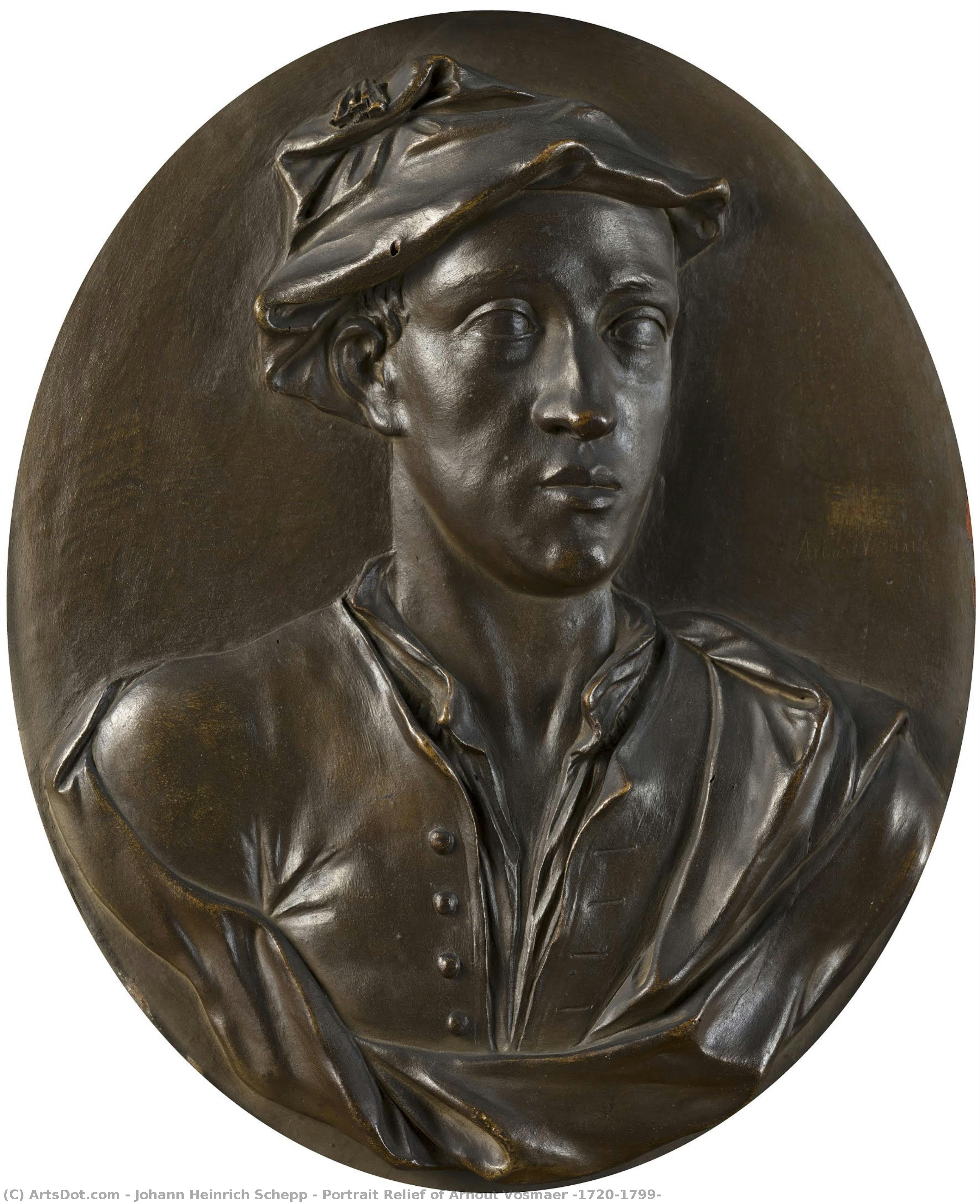
統計情報Portrait Relief of Arnout Vosmaer (1720-1799)


 詳細を見る
詳細を見る
オンラインプレビューをはるかに凌ぐ、高解像度で鮮明なデジタル画像をご購入いただけます。
各ファイルは、社内の専門家が高度なツールと熟練した手作業によるレタッチを用いて、細心の注意を払って準備されています。すべての画像において、卓越した鮮明度、正確な色彩再現性、そして繊細なディテールを保証いたします。
最終ファイルは、プロフェッショナルな編集・印刷環境ですぐにご利用いただけるよう最適化された状態で、72時間以内にメールにてお届けいたします。これは、一流のデザインスタジオ、出版社、ギャラリーから信頼されているものと同等の品質です。
デジタルアート
個人での鑑賞、印刷、クリエイティブなプロジェクト用に、高解像度ファイルをダウンロードできます。 ( プリント版に切り替え 手描きの絵画を購入)
デジタル画像のご注文に付随する特典
高品質なデジタル画像配信を、確かな品質で。
ArtsDot.com を選ぶことは、単に画像を手に入れることではありません。それは、プロの手によって精密に仕上げられ、満足保証が付いた高品質なデジタルアートワークを受け取ることを意味します。ご注文いただいた際に自動的に付随する内容は、以下の通りです:

メールですぐにお届け
ご注文から72時間以内に、高解像度のデジタル画像ファイルがメールでお手元に届きます。すぐにそのままご利用いただけます。

AI技術で最適化されたデジタルファイル
お客様の作品は、高度なAIツールと専門家による手作業の編集を組み合わせてプロフェッショナルに最適化されており、細部のディテール、鮮明さ、そして正確な色再現性を最大限に引き出しています。

一生涯無料の再送サービス
ファイルを誤って削除したり、紛失してしまったりしましたか?ご安心ください。いつでも無料で再送いたします。

輸入手数料は一切かかりません
関税や手数料、配送料を気にすることなく、お気に入りのアートワークをすぐにお楽しみいただけます。デジタルダウンロードは常に免税です。

色彩再現の保証
プロ仕様のツールとカラーマネジメント技術を用いることで、デジタル画像が元の色を最大限に忠実に再現することを保証いたします。

100日間満足保証
ご購入いただいたデジタル画像にご満足いただけない場合は、100日以内であれば、理由を問わず修正または100%の返金対応をさせていただきます。

100% 返金保証
ご満足いただけない場合は、デジタルファイルを受け取ってから100日以内であれば、理由を問わず全額返金いたします。

まとめ買い割引
3枚購入で10%OFF - 5枚購入で15%OFF - 10枚以上購入で20%OFF。クリエイティブなプロジェクト、ギャラリー、エージェンシーに最適です。
A Glimpse into Dutch Aristocracy: The Portrait Relief of Arnout Vosmaer
Johann Heinrich Schepp’s “Portrait Relief of Arnout Vosmaer (1720-1799),” created in 1772, offers a compelling window into the world of 18th-century Dutch aristocracy. More than just a likeness, this remarkable terracotta relief captures the essence of a man – Arnout Vosmaer – a figure of considerable standing within his society. Housed within the esteemed Mauritshuis in The Hague, Netherlands, the work stands as a testament to Schepp’s skill and the enduring power of portraiture. It's a piece that invites contemplation on notions of status, character, and the artistry of capturing human presence in three dimensions.The Artist and His Craft: Johann Heinrich Schepp
Born in Hamburg in 1702, Johann Heinrich Schepp emerged as a prominent German sculptor whose career flourished throughout the 18th century. While perhaps not as universally recognized today as some of his contemporaries, Schepp’s contributions to German art are significant, particularly his ability to imbue portraiture with both realism and psychological depth. His work reflects the artistic sensibilities of the era – a period characterized by a growing interest in individual expression and a move away from purely formal representations. Schepp's skill is evident not only in this relief but also in other notable works such as those found at the Museum Monastery Church in Ettal, Germany, demonstrating his versatility across various sculptural forms. He possessed a keen eye for detail, translating it into tangible form with remarkable precision. The portrait of Vosmaer exemplifies this talent; every line etched on the man’s face, every fold in his clothing, speaks to Schepp's meticulous approach and dedication to capturing a true likeness.A Portrait of Character: Arnout Vosmaer and His Time
Arnout Vosmaer (1720-1799) was a prominent figure within Dutch society, and this portrait relief serves as a visual record of his presence. The man depicted exudes an air of quiet authority; his gaze is direct, almost stern, suggesting intelligence and perhaps a certain reserve. He wears a hat and clothing typical of the period, indicative of his social standing. The choice to render him in relief—a three-dimensional form projecting from a background—adds weight and gravitas to the portrait. This technique was often employed for commemorating important individuals, elevating their image beyond a simple two-dimensional representation. The historical context is crucial: 1772 falls within a period of relative stability and prosperity for the Dutch Republic, though political tensions were brewing that would eventually lead to significant changes in the coming decades. Vosmaer’s portrait reflects this era of measured confidence and established social hierarchies.The Art of Relief Sculpture and its Emotional Resonance
Schepp's choice of terracotta as his medium further enhances the work's character. The warm, earthy tones of the clay lend a sense of timelessness to the piece, evoking a feeling of antiquity. Relief sculpture, unlike fully three-dimensional statues, requires a unique mastery of light and shadow to create depth and form. Schepp skillfully manipulates these elements, using subtle gradations to define Vosmaer’s features and clothing. The result is a portrait that feels both tangible and imbued with an inner life. The emotional impact lies in the quiet dignity conveyed by Vosmaer's expression and posture. It’s not a flamboyant or overtly expressive portrayal; rather, it’s a study of character—a glimpse into the soul of a man who occupied a position of influence within his community. The relief invites viewers to contemplate not only Vosmaer himself but also the values and aspirations of the society he represented.関連作品

作家の略歴
early life and career
johann heinrich schepp, a prominent german sculptor, was born in hamburg in 1702 and passed away in 1776. his life's work is a testament to his mastery of sculpture, which defined the artistic landscape of 18th century germany.notable works
one of schepp's most notable works is the portrait relief of arnout vosmaer (1720-1799), created in 1772. this piece showcases his skill in capturing the essence of his subjects, much like anselm feuerbach's works featured at schackgalerie in munich, germany (discovering the art of late romanticism at schackgalerie, munich).contribution to german art
schepp's contributions to german art are undeniable. his sculptures, like the museum monastery church (ettal, germany), not only reflect his technical prowess but also provide a glimpse into the cultural and historical context of 18th century germany (the museum monastery church (ettal, germany)).legacy
- his work has been featured in various museums, including the mauritshuis in the hague, netherlands (johann heinrich schepp: portrait relief of arnout vosmaer (1720-1799), sculpture, view on ArtsDot).
- his influence can be seen in the works of other german sculptors, such as franz bernhard schuller (franz bernhard schuller, view on ArtsDot).
- schepp's legacy continues to inspire artists and art enthusiasts alike, with his work remaining a vital part of german art history.
conclusion
johann heinrich schepp's impact on the world of sculpture is undeniable. through his works, he has provided a window into 18th century germany, showcasing his mastery of the craft. as an integral part of german art history, his legacy will continue to inspire and influence artists for generations to come.- view more of johann heinrich schepp's work on ArtsDot: johann heinrich schepp | ArtsDot
- explore german art and its history: german art on wikipedia
johann heinrich schepp
1702 - 1776 , Germany
プロフィール概要
- Artistic Movement Or Style: Orientalism, Pastel, Rococo
- Artists Or Movements Influenced By This Artist:
- Francesco Zuccarelli
- Samuel Scott
- Artists Who Influenced This Artist:
- Daniel Gardelle
- Jean-Baptiste Massé
- Date Of Birth: December 22, 1702
- Date Of Death: June 12, 1789
- Full Name: Jean-Étienne Liotard
- Nationality: Swiss/French
- Notable Artworks:
- Cadmus Killing Dragon
- Portrait of Voltaire
- Finding Moses
- Place Of Birth: Geneva, Switzerland