

 プレビュー
プレビュー
 プリントを購入
 シェアする
シェアする シェアする
シェアする
 詳細を見る
詳細を見る

 ダウンロード
 似ている作品
 X線調査
X線調査 スライドショー
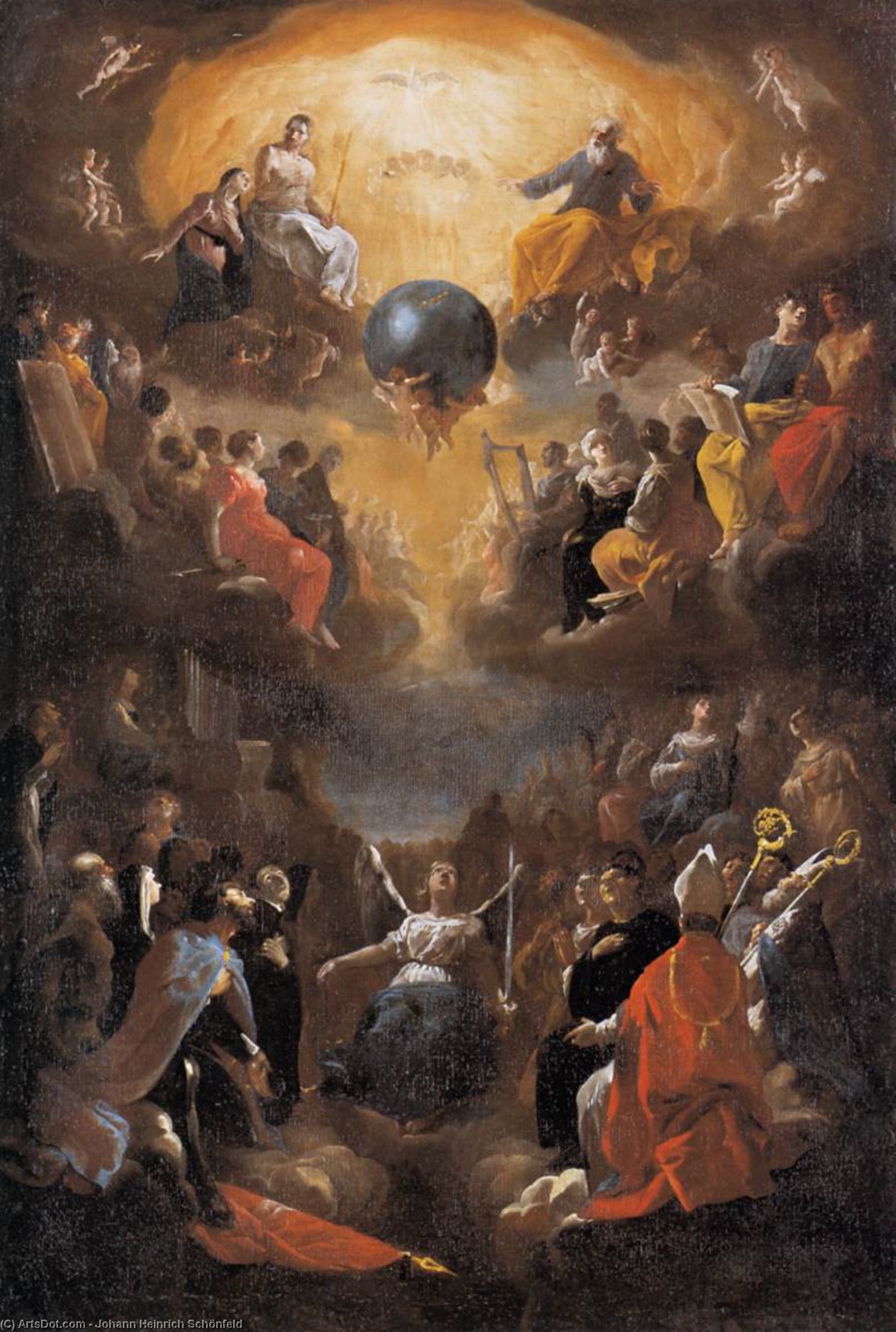
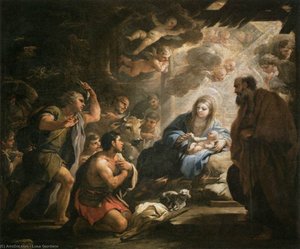
Adoration of the Holy Trinity
 Oil On Canvas
- WallArt
- Baroque
 1647
1647- Early Modern
 183.0 x 125.0 cm
 ルーブル美術館
 詳細を見る
詳細を見る
オンラインプレビューをはるかに凌ぐ、高解像度で鮮明なデジタル画像をご購入いただけます。
各ファイルは、社内の専門家が高度なツールと熟練した手作業によるレタッチを用いて、細心の注意を払って準備されています。すべての画像において、卓越した鮮明度、正確な色彩再現性、そして繊細なディテールを保証いたします。
最終ファイルは、プロフェッショナルな編集・印刷環境ですぐにご利用いただけるよう最適化された状態で、72時間以内にメールにてお届けいたします。これは、一流のデザインスタジオ、出版社、ギャラリーから信頼されているものと同等の品質です。
デジタル画像のご注文に付随する特典
高品質なデジタル画像配信を、確かな品質で。
ArtsDot.com を選ぶことは、単に画像を手に入れることではありません。それは、プロの手によって精密に仕上げられ、満足保証が付いた高品質なデジタルアートワークを受け取ることを意味します。ご注文いただいた際に自動的に付随する内容は、以下の通りです:

メールですぐにお届け
ご注文から72時間以内に、高解像度のデジタル画像ファイルがメールでお手元に届きます。すぐにそのままご利用いただけます。

AI技術で最適化されたデジタルファイル
お客様の作品は、高度なAIツールと専門家による手作業の編集を組み合わせてプロフェッショナルに最適化されており、細部のディテール、鮮明さ、そして正確な色再現性を最大限に引き出しています。

一生涯無料の再送サービス
ファイルを誤って削除したり、紛失してしまったりしましたか?ご安心ください。いつでも無料で再送いたします。

輸入手数料は一切かかりません
関税や手数料、配送料を気にすることなく、お気に入りのアートワークをすぐにお楽しみいただけます。デジタルダウンロードは常に免税です。

色彩再現の保証
プロ仕様のツールとカラーマネジメント技術を用いることで、デジタル画像が元の色を最大限に忠実に再現することを保証いたします。

60日間満足保証
ご購入いただいたデジタル画像にご満足いただけない場合は、60日以内であれば、修正または100%の返金(理由を問う必要はありません)をさせていただきます。

100% 返金保証
ご満足いただけない場合は、デジタルファイルを受け取ってから60日以内であれば、理由を問わず全額返金いたします。

まとめ買い割引
3枚購入で10%OFF - 5枚購入で15%OFF - 10枚以上購入で20%OFF。クリエイティブなプロジェクト、ギャラリー、エージェンシーに最適です。
作品の詳細
A Divine Convergence: Exploring the Adoration of the Holy Trinity
To stand before this magnificent depiction of the Adoration of the Holy Trinity is to step across the threshold of time and into a realm of profound spiritual contemplation. Johann Heinrich Schönfeld, in this masterful work from 1647, has captured not merely an event, but an eternal moment of divine communion. The composition immediately draws the eye into its intricate heart, where figures—both celestial and earthly—are gathered in rapt attention around the mystery at the core of Christian theology. It is a scene brimming with palpable devotion, inviting the viewer to participate in the awe-struck reverence of those depicted.
Mastery of Baroque Devotion and Detail
Schönfeld’s technique speaks volumes about the artistic currents of the mid-seventeenth century. The painting exhibits hallmarks of the mature Baroque style: dramatic use of light, rich emotional intensity, and a complex layering of narrative elements. Observe how the light seems to emanate from the divine center, illuminating faces etched with piety and casting deep shadows that lend incredible dimensionality to the figures. The meticulous detail is breathtaking; one notices not only the central grouping but also the scattered books, suggesting accumulated wisdom, and the presence of two delicate birds—symbols often associated with the soul or the Holy Spirit itself. Even the inclusion of a clock on the wall serves as a subtle memento mori, reminding us that even divine moments are framed by the passage of earthly time.
Symbolism Woven into Sacred Form
The symbolism within this Adoration is rich and multi-layered, inviting scholarly contemplation alongside emotional appreciation. The Holy Trinity itself—the Father, Son, and Holy Spirit—is rendered with an almost palpable weight of sacred mystery. Surrounding these central figures are angels, their gestures conveying adoration through outstretched hands and upturned gazes. The arrangement of kneeling and standing figures creates a visual hierarchy of devotion. These elements work in concert to build a narrative tapestry where every object, from the scattered volumes of scripture to the very placement of the figures, contributes to an overwhelming sense of divine order and benevolent presence.
Creating Sacred Space for Modern Living
For those who seek to infuse their interiors with the gravitas and beauty of historical masterworks, this piece offers unparalleled depth. Reproducing such a complex composition allows one to bring a focal point of spiritual grandeur into a modern setting. The scale, measuring 183 x 125 cm, ensures it commands attention without overwhelming a grand hall or a dedicated chapel space. It functions not just as decoration, but as an anchor for contemplation—a visual meditation piece that speaks eloquently of faith, artistry, and the enduring human yearning for the sublime.
関連作品


作家の略歴
The Flourishing Brushstrokes of Johann Heinrich Schönfeld
To gaze upon the works of Johann Heinrich Schönfeld is to step directly into the vibrant, dramatic heart of the German Baroque period. Born in Biberach (Riss), Germany, in 1609, this painter emerged during an era when art was deeply intertwined with religious fervor and burgeoning classical revivalism. His career spanned a time of immense cultural transformation, allowing him to absorb influences from across the continent while forging a distinctly German voice within the grand tradition of European painting.
Schönfeld’s artistic journey suggests a profound dedication to mastering both narrative grandeur and delicate execution. While his life saw him active through the mid-17th century, it is his surviving body of work that continues to whisper tales of mythological encounters and solemn religious devotion. He was not merely a chronicler of scenes; he seemed intent on capturing the very moment of divine or human epiphany.
Mastering Baroque Drama and Classical Form
The hallmark of Schönfeld’s style lies in its masterful blend of dramatic tension characteristic of the High Baroque, tempered by an adherence to classical compositional structures. His compositions rarely feel static; instead, they pulse with implied movement. Whether depicting a celestial event or a pastoral gathering, one senses the energy coiled just beneath the surface.
His affinity for Italianate landscapes is particularly noteworthy. These backgrounds are never mere backdrops; they are active participants in the drama unfolding before them. Lush, dramatic skies often mirror the emotional turmoil or sublime peace of the figures below. This integration of setting and subject matter elevates his pieces beyond simple portraiture or narrative illustration.
Furthermore, his handling of light is breathtaking. He employed a technique that seems to illuminate key moments—a divine ray piercing through storm clouds, or a single shaft of sunlight catching the folds of drapery—drawing the viewer's eye inexorably toward the central theological or mythological point of focus.
Themes of Piety and Mythology
The thematic scope of Schönfeld’s oeuvre reveals a painter deeply engaged with the grand narratives that shaped European thought. Religious paintings form a significant pillar of his output, reflecting the enduring power of faith during his time. These works invite contemplation on sacrifice, martyrdom, and divine grace.
Equally compelling are his mythological scenes. Here, the classical gods and heroes engage in dramas that echo human passions—love, betrayal, triumph, and fate. He possessed a remarkable ability to imbue these pagan subjects with a sense of profound spiritual weight, making them resonate with contemporary Christian sensibilities.
Allegory painting was a favored vehicle for his deeper commentary. Through the careful arrangement of figures and symbols—a wilting flower representing transience, or an outstretched hand symbolizing divine intervention—he wove complex philosophical arguments into visually accessible narratives for his patrons.
Historical Resonance and Legacy
Johann Heinrich Schönfeld stands as a vital figure in understanding the transition between Mannerist echoes and the full bloom of Baroque naturalism in German art. His commitment to narrative clarity, combined with an undeniable flair for the dramatic, secured his place among painters who helped define the visual language of the 17th century.
While the sheer volume of his work speaks to a prolific career, it is the consistent quality—the ability to balance technical virtuosity with emotional depth—that endures. His legacy invites us not just to admire skill, but to participate in the contemplation of belief, beauty, and the sublime power inherent in both nature and the divine.
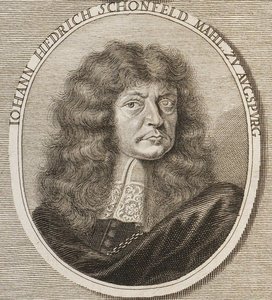
johann heinrich schönfeld
1609 - 1684

