

 プレビュー
プレビュー
 シェアする
シェアする シェアする
シェアする
 詳細を見る
詳細を見る

 ダウンロード
 似ている作品
 X線調査
X線調査 スライドショー
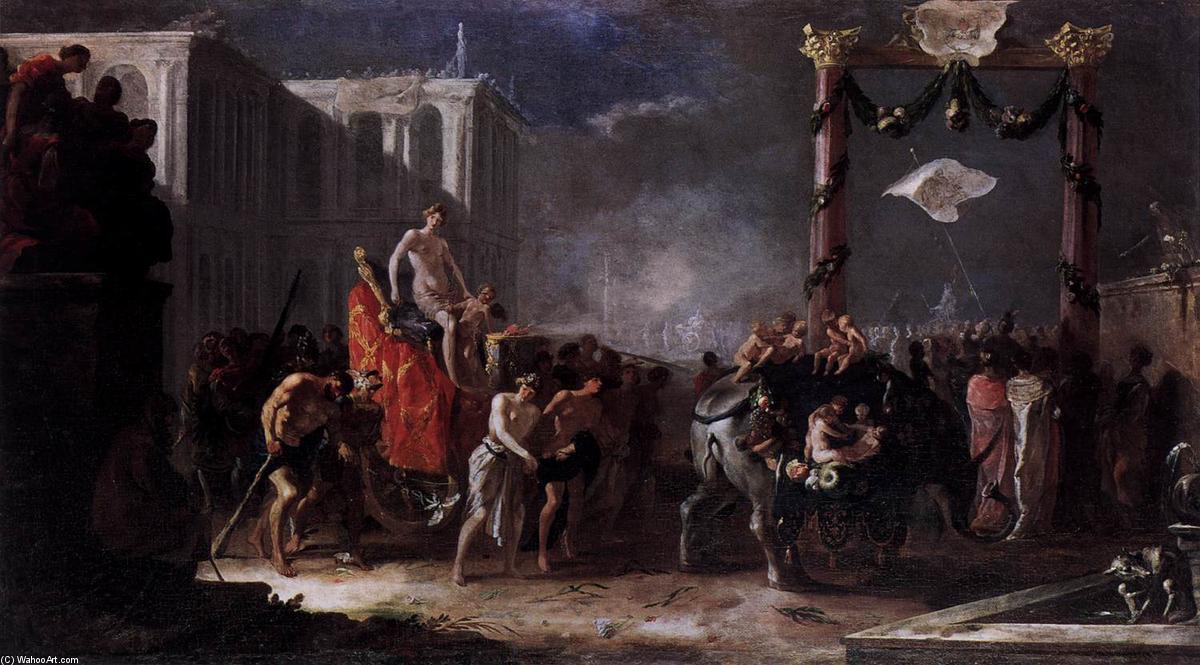
Triumph of Venus
 Oil On Canvas
- WallArt
- Baroque
 1640
1640 70.0 x 123.0 cm
 国立博物館群
 詳細を見る
詳細を見る
ジークレー/アートプリント
迅速な制作と多彩な仕上げオプションを備えた、ミュージアムクオリティのジークレーまたはキャンバスプリント。 ( 手描きの絵画を購入 画像を購入)




P118B $10

P118H $10

P118W $10

P438Z $10

P508JH $12

P508YH $12

P805H $10

P805Z $10

P919BZ $10

P919G $10

P919XJ $10

P959ZH $10

P968JZ $12

W106C $8

W218G $10

W218JH $8

W218Y $10

W307PJ $10

W316G $10

W316PJ $8

W316Y $10

W398PJ $8

W4111J $10

W500HY $15

W500JH $15

W692G $12

W849H $8

W940BG $15

W953PJ $8




作品のオリジナル比率に合わせた、当店の規定サイズからお選びください。

特定のフレームやスペースに合わせて、ご自身でサイズを指定することも可能です。選択されたサイズが元の画像の比率と一致しない場合、作品をトリミングするか、鏡面反射または単色での塗りつぶしによって画像を拡張いたします。制作を開始する前に、ご確認用のデジタルモックアップをお送りいたします。
画面上のプレビューには、実際のトリミングや拡張は反映されませんのでご注意ください。最終的な構図を正確に確認できるのは、モックアップのみとなります。
カスタムサイズも承っておりますが、元の比率を維持するためには、あらかじめ用意されたリストからサイズを選択することをお勧めいたします。


 ガラスオプションは、110cm未満のサイズでのみご利用いただけます。

Triumph of Venus
ジークレー/アートプリント
複製画のサイズ
-


合計金額
$ 62
A Triumph of Venus: Johann Heinrich Schönfeld’s Baroque Masterpiece
The Staatliche Museen zu Berlin houses a painting that transcends mere representation – it is an immersive experience, a vibrant tableau vivant capturing the essence of classical mythology and the burgeoning spirit of the Baroque era. Johann Heinrich Schönfeld's “Triumph of Venus,” completed around 1640, isn’t simply a depiction of the goddess; it’s a carefully constructed narrative brimming with symbolism, light, and an undeniable sense of celebratory grandeur.
Schönfeld, born in Biberach in 1609, was a master of capturing the dynamism and emotional intensity characteristic of Baroque art. His early training under Caspar Sichelbein laid the foundation for his distinctive style – one that blended classical influences with a dramatic flair. The painting itself is an oil on canvas measuring 70 x 123 cm, a scale that allows for intricate detail while maintaining a sense of expansive drama. It’s remarkable to consider this work was created nearly four centuries ago, yet it retains a freshness and vitality that speaks volumes about Schönfeld's skill.
The Scene Unfolds: Venus Ascendant
At the heart of the composition stands Venus, not as a serene deity, but as a figure radiating power and triumph. She occupies the central space, poised atop a magnificent chariot drawn by two spirited horses – their harnesses adorned with vibrant red silks that immediately draw the eye. The chariot itself is a testament to Baroque design, its curves and ornamentation echoing the grandeur of Roman architecture. Around her, a carefully orchestrated group of figures participates in the celebration, suggesting a public procession or festival honoring the goddess of love.
Note the deliberate use of light and shadow – a hallmark of Baroque painting. Schönfeld masterfully employs chiaroscuro to sculpt the forms, creating depth and volume within the scene. The light seems to emanate from an unseen source, bathing Venus in a golden glow while simultaneously casting dramatic shadows that heighten the sense of drama and movement. This technique isn’t merely aesthetic; it serves to draw the viewer's attention directly to the central figure – the embodiment of beauty and victory.
Symbolism Woven into the Canvas
The “Triumph of Venus” is rich in symbolic meaning, reflecting the prevailing intellectual currents of the 17th century. The chariot itself represents power and dominion, while the horses symbolize speed and dynamism – qualities associated with Venus’s role as a goddess of love and desire. The figures surrounding her are not merely onlookers; they represent various aspects of Venus's influence: fertility, beauty, and even victory in battle. The architectural elements—columns and statues—are reminiscent of classical temples, reinforcing the painting’s connection to ancient mythology.
Furthermore, the inclusion of a group celebrating suggests that love and beauty are not merely personal experiences but also contribute to the well-being and prosperity of society. It's a potent message within the context of a time marked by religious upheaval and political uncertainty. The painting’s overall effect is one of optimistic celebration – a testament to the enduring power of classical ideals.
A Baroque Legacy
“Triumph of Venus” stands as a quintessential example of Baroque art, mirroring works like Peter Paul Rubens' "Music Making Angels." Schönfeld expertly blends classical motifs with dramatic composition and masterful use of light. The painting’s influence can be seen in subsequent generations of artists who sought to capture the emotional intensity and grandeur of the era. It is a powerful reminder of the enduring appeal of mythology, beauty, and the celebration of human potential – themes that continue to resonate with audiences today.
Consider commissioning a hand-painted reproduction to bring this magnificent artwork into your home or office. It’s more than just decoration; it's an investment in art history and a captivating addition to any space.
関連作品
関連記事

Baroque Classicism: Reconciling Drama & Order in 17th-Century Art
Explore the captivating world of Baroque Classicism! Discover its history, key artists like Caravaggio & Rubens, and defining characteristics. Expert insights & high-quality reproductions at ArtsDot.
Echoes of Olympus: Mythological Narratives in Western Art Through the Ages
Explore the captivating history of mythological narratives in Western art! From ancient Greece to modern masterpieces, discover iconic artworks & symbolism. Expert analysis and high-quality reproductions at ArtsDot.
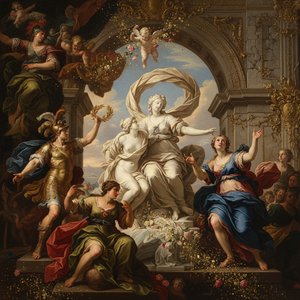
Theatricality & Triumph: Baroque Drama in Painting & Sculpture
Explore the dramatic world of Baroque art! Discover its history, defining characteristics, & lasting influence on painting & sculpture. Expert insights into Caravaggio, Zurbarán, and Bernini – plus high-quality reproductions at ArtsDot.

バロックのドラマ:現代のインテリアに壮麗さと情感を取り込む
バロック様式の歴史、絵画、家具の魅力をご紹介。ArtsDotでは、高品質な油絵複製やカスタムポートレートをご提供し、現代のインテリアに壮麗さと情感を取り入れます。アートコンサルテーションも承ります。
Decoding Baroque Grandeur: A Guide to the Drama and Emotion of 17th-Century Art
Explore the breathtaking drama of 17th-century Baroque art. Our expert guide decodes the use of chiaroscuro, emotional intensity, and historical grandeur to help you appreciate and curate timeless masterpieces for your collection.

