

 プレビュー
プレビュー
 シェアする
シェアする シェアする
シェアする
 詳細を見る
詳細を見る

 ダウンロード
 似ている作品
 X線調査
X線調査 スライドショー
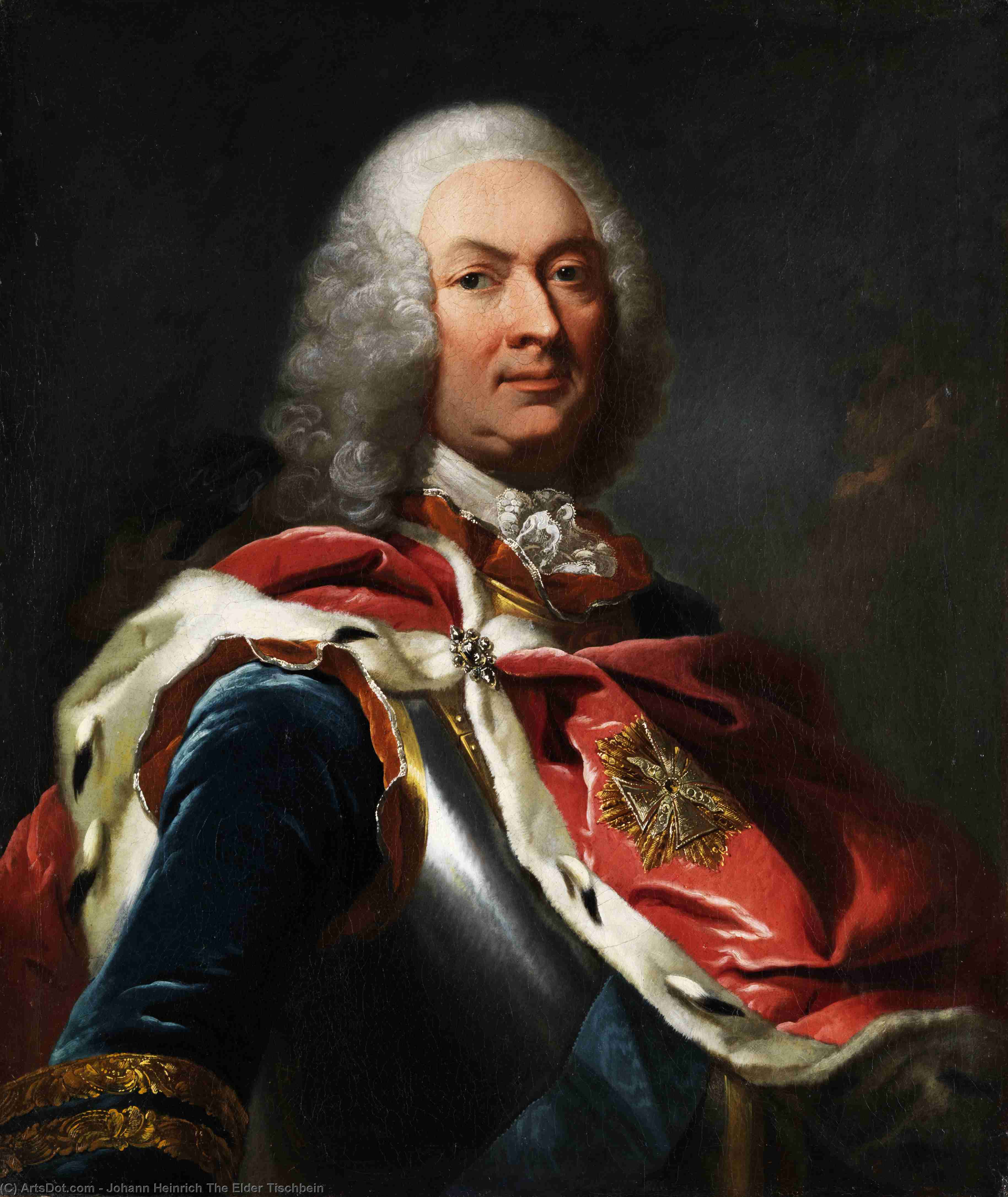
Landgraf Wilhelm VIII of Hesse
 詳細を見る
詳細を見る
ジークレー/アートプリント
迅速な制作と多彩な仕上げオプションを備えた、ミュージアムクオリティのジークレーまたはキャンバスプリント。 ( 手描きの絵画を購入 画像を購入)




































作品のオリジナル比率に合わせた、当店の規定サイズからお選びください。

特定のフレームやスペースに合わせて、ご自身でサイズを指定することも可能です。選択されたサイズが元の画像の比率と一致しない場合、作品をトリミングするか、鏡面反射または単色での塗りつぶしによって画像を拡張いたします。制作を開始する前に、ご確認用のデジタルモックアップをお送りいたします。
画面上のプレビューには、実際のトリミングや拡張は反映されませんのでご注意ください。最終的な構図を正確に確認できるのは、モックアップのみとなります。
カスタムサイズも承っておりますが、元の比率を維持するためには、あらかじめ用意されたリストからサイズを選択することをお勧めいたします。


 ガラスオプションは、110cm未満のサイズでのみご利用いただけます。

Landgraf Wilhelm VIII of Hesse
ジークレー/アートプリント
複製画のサイズ
-


合計金額
$ 62
関連作品








アーティストの略歴
The Master of the Rococo Gaze: The Life of Johann Heinrich Tischbein the Elder
In the luminous era of the eighteenth century, few names resonated with the elegance and technical precision of Johann Heinrich Tischbein the Elder. Born in 1722 in the quiet German town of Haina, Tischbein emerged from a lineage deeply rooted in the creative arts. While his father, Johann Conrad, worked as a carpenter with an artist's soul, the elder Tischbein would go on to define himself as one of Europe’s most respected painters. His journey was not merely one of personal ambition but a grand odyssey through the great art capitals of the age, moving from the disciplined workshops of Germany to the sophisticated salons of Paris and the dramatic light of Venice.
The foundation of his mastery was laid through an extraordinary education under three distinct masters, each contributing a unique thread to the tapestry of his style. He first studied wallpaper painting and oil techniques with Johann Georg von Freese, a period that instilled in him a profound respect for surface texture and decorative harmony. This was followed by a transformative sojourn to Paris, where he studied under the celebrated Carle van Lood, absorbing the grace of the French Rococo. Finally, his travels took him to Rome and Venice, where the influence of Giovanni Battista Piazzetta introduced him to the dramatic interplay of light and shadow, a technique that would lend a soulful depth to his later portraiture.
A Legacy of Nobility and Narrative
Tischbein’s career was inextricably linked to the heights of European patronage. His appointment as the court painter to William VIII, Landgrave of Hesse-Kassel, marked a pinnacle in his professional life. In this capacity, he did more than simply capture faces; he documented the very essence of the aristocracy. His work often oscillated between the intimate and the epic, ranging from delicate portraits of the nobility to sweeping mythological scenes and historical compositions. These mythological works were particularly notable for their use of high-ranking models, turning the canvas into a stage where classical legends met contemporary prestige.
Beyond the realm of oil on canvas, Tischbein’s intellectual curiosity led him to master the intricate art of engraving. He was not merely a practitioner but a scholar of his craft, authoring the "Kurtzgefaßte Abhandlung über die Ætzkunst" (Brief Treatise on Etching). This publication, accompanied by eighty-four meticulously executed plates, demonstrated his profound understanding of line and tone. Through his etchings, he was able to disseminate his artistic vision far beyond the borders of Kassel, ensuring that his technical innovations reached a much broader European audience.
Historical Significance and Artistic Lineage
The historical importance of Johann Heinrich Tischbein the Elder extends far beyond his individual achievements; he served as the cornerstone of a multi-generational artistic dynasty. His influence acted as a bridge between the decorative flourishes of the Rococo and the burgeoning structured elegance of the late eighteenth century. By maintaining the role of gallery director in Kassel, he helped curate a visual legacy that would inspire his nephews and much of the next generation of German painters.
To reflect on his life is to witness the evolution of an era. His ability to blend the following elements defined his enduring impact:
- Technical Versatility: The seamless transition between the delicate textures of wallpaper painting, the richness of oil portraiture, and the sharp precision of etching.
- Cultural Synthesis: The integration of German discipline, French grace, and Italian dramatic chiaroscuro into a singular, cohesive style.
- Intellectual Contribution: His role as both an artist and an educator through his written treatises on the mechanics of printmaking.
Though time has passed since his death in 1789, the spirit of Tischbein remains etched in the history of European art, a testament to a man who could capture both the fleeting beauty of a moment and the eternal dignity of the human spirit.
johann heinrich the elder tischbein
1722 - 1789 , Germany
基本情報
- Artistic Movement Or Style: Rococo
- Artists Or Movements Influenced By This Artist: ['Goethe']
- Artists Who Influenced This Artist: ['Johann Konrad Tischbein']
- Date Of Birth: October 3, 1722
- Date Of Death: August 22, 1789
- Full Name: Johann Heinrich Tischbein
- Nationality: German
- Notable Artworks:
- Male Nude Study
- Portrait Of The Artist And His Wife At The Spinet
- Mocking Of Anacreon
- Place Of Birth: Haina, Germany