


 プレビュー
プレビュー
 シェアする
シェアする シェアする
シェアする
 詳細を見る
詳細を見る

 ダウンロード
 似ている作品
 X線調査
X線調査 スライドショー
 統計情報
統計情報Conradin of Swabia and Frederick of Baden Being Informed of Their Execution in Prison in Naples
 Oil On Canvas
- WallArt
- Romanticism
 1785
1785 66.0 x 92.0 cm
 エルミタージュ美術館
 詳細を見る
詳細を見る
ジークレー/アートプリント
迅速な制作と多彩な仕上げオプションを備えた、ミュージアムクオリティのジークレーまたはキャンバスプリント。 ( 手描きの絵画を購入 デジタル画像販売へ切り替え)




P118B $10

P118H $10

P118W $10

P438Z $10

P508JH $12

P508YH $12

P805H $10

P805Z $10

P919BZ $10

P919G $10

P919XJ $10

P959ZH $10

P968JZ $12

W106C $8

W218G $10

W218JH $8

W218Y $10

W307PJ $10

W316G $10

W316PJ $8

W316Y $10

W398PJ $8

W4111J $10

W500HY $15

W500JH $15

W692G $12

W849H $8

W940BG $15

W953PJ $8
作品のオリジナル比率に合わせた、当店の規定サイズからお選びください。

特定のフレームやスペースに合わせて、ご自身でサイズを指定することも可能です。選択されたサイズが元の画像の比率と一致しない場合、作品をトリミングするか、鏡面反射または単色での塗りつぶしによって画像を拡張いたします。制作を開始する前に、ご確認用のデジタルモックアップをお送りいたします。
画面上のプレビューには、実際のトリミングや拡張は反映されませんのでご注意ください。最終的な構図を正確に確認できるのは、モックアップのみとなります。
カスタムサイズも承っておりますが、元の比率を維持するためには、あらかじめ用意されたリストからサイズを選択することをお勧めいたします。


 ガラスオプションは、110cm未満のサイズでのみご利用いただけます。

Conradin of Swabia and Frederick of Baden Being Informed of Their Execution in Prison in Naples
ジークレー/アートプリント
複製画のサイズ
-


合計金額
$ 62
A Dramatic Encounter Amidst Stone Walls: Johann Heinrich Tischbein’s “Conradin of Swabia and Frederick of Baden”
Johann Heinrich Tischbein the Younger's etching, "Conradin of Swabia and Frederick of Baden Being Informed of Their Execution in Prison in Naples," stands as a testament to the Romantic spirit—a poignant exploration of human suffering interwoven with threads of hope and moral contemplation. Executed in 1785, this artwork transcends mere visual representation; it’s a carefully crafted narrative designed to resonate deeply within the viewer's imagination. The scene unfolds within the stark confines of a prison cell, meticulously rendered by Tischbein with an unwavering commitment to realism that belies the emotional intensity conveyed. The composition centers around two figures: Conradin of Swabia and Frederick of Baden—historical princes condemned to death—receiving grim news from a younger man, presumably their confidante. The positioning is deliberate, emphasizing vulnerability against oppressive circumstance. Tischbein’s masterful use of chiaroscuro – dramatic contrasts between light and shadow – dominates the canvas, amplifying the psychological drama. Light emanates from an unseen source above, casting elongated shadows that sculpt the faces of the prisoners and heighten the sense of confinement. This technique isn't merely stylistic; it serves to underscore the emotional weight of the moment—the despair etched onto Conradin’s countenance juxtaposed with the youthful man’s earnest concern. The etching itself is executed in oil on zinc, a method favored by Tischbein for its ability to capture subtle tonal variations and achieve remarkable detail. The artist's meticulous attention to texture – visible brushstrokes mimicking the rough surface of stone walls – contributes significantly to the artwork’s immersive quality. Lines are employed with precision, delineating architectural elements and conveying spatial depth. Furthermore, Tischbein incorporates symbolic motifs: the chessboard represents strategic thinking and perhaps fate—a visual metaphor for the inescapable realities confronting the prisoners. The bleak prison setting embodies oppression and despair, yet simultaneously serves as a backdrop for an intimate exchange of compassion and understanding. Beyond its aesthetic merits, “Conradin of Swabia and Frederick Baden” offers valuable insight into the artistic sensibilities of its time. Tischbein’s work aligns squarely with Romantic ideals—a preoccupation with emotion, imagination, and the sublime—characteristics that distinguished this movement from preceding Neoclassical styles. The etching's enduring appeal lies in its ability to evoke empathy for its subjects and provoke contemplation on themes of justice, mortality, and the human condition. It remains a compelling piece of art history, demonstrating Tischbein’s exceptional skill as an engraver and his profound understanding of how visual imagery could communicate complex psychological narratives.- Artist: Johann Heinrich Tischbein the Younger
- Year Created: 1785
- Medium: Oil on Zinc Etching
- Dimensions: 66 x 92 cm
関連作品

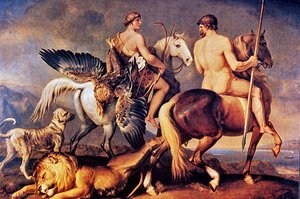
アーティストの略歴
ヨハン・ハインリヒ・ティシュバイン・ザ・ヤンガーが遺したもの
ヨハン・ハインリヒ・ティシュバイン・ザ・ヤンガーは、ドイツ・ロマン主義美術における極めて重要な人物として、その時代の精神を見事に捉えた見事な銅版画と肖像画で広く知られています。1751年、ドイツのハイナに生まれた彼は、芸術的な才能が息づく由緒正しき家系に生まれ、その歩みは家族の伝統に深く根ざしていました。父ヨハン・コンラート・ティシュバインは熟練した職人であり、叔父である彫刻家のヨハン・ハインリヒ・ティシュバイン・シニアは、ヘッセン=カッセルの領主ウィリアム8世のために著名な画廊を設立しました。この芸術的な血脈は、彼に比類なき基礎を与え、幼い頃から視覚芸術への深い愛着を育むとともに、重要な文化運動の中心へと彼を導くこととなったのです。
彼の芸術的な旅路はアムステルダムでの正式な訓練から始まりました。そこで彼は同時代の芸術家たちと共に技術を磨き上げ、オランダ・バロック様式の美学から深い影響を受けました。しかし、彼にとって真の創造の拠点となったのはカッセルでした。画廊の「検査官」という役職に就いたことは、単なる職業上の節目にとどまりませんでした。それは彼に当時の最も重要な芸術的動向への比類なきアクセスを可能にし、その後のキャリアを飛躍させるコラボレーションをもたらしたのです。また、彼の人生は深い責任感と後進の育成でも彩られています。甥のフランツ・プフォルに対し、献身的に教育を施し、名高いウィーン美術アカデミーへの入学を確実にしたことは、その証左といえるでしょう。
主題と技法における多才な習熟
ティシュバインの作品群は、18世紀後半の多様な芸術的風景を自在に渡り歩くことができる、驚くべき多才さを特徴としています。彼は肖像画の巨匠であり、被写体にロマン主義の黎明期を反映した心理的な深みを与えることに長けていました。その中でも特筆すべきは1771年のグートフリード・アウグスト・ビュルガーの肖像画です。この作品は単なる容貌の記録ではなく、当時の知的な熱狂の本質をも捉えています。人間の感情を紙やキャンバスへと翻訳する彼の卓越した能力は、彼を同時代の精神を伝える記録者として、人々から求められる存在にしました。
肖像画が持つ親密な世界を超えて、ティシュバインは風景画や動物画を通じて、劇的な瞬間と静謐な美の両極を見事に描き出しました。
- 風景画: 『フラスカティの風景』などの作品において、彼は緩やかな丘陵や古木が織りなす穏やかな情景を構成する類まれな才能を発揮し、観る者を静かな瞑想へと誘いました。
- 野生とドラマ: 彼の銅版画は、自然界に潜む緊張感をしばしば探求しました。鮮烈な例として、茂みからキツネが現れた瞬間の驚きを捉えた、ガチョウの一家を描いた作品があり、動きと物語的なドラマを表現する彼の才能が光っています。
- 木炭画と細部へのこだわり: 彼の技術的範囲は繊細な木炭画にまで及び、『少女の頭部の斜め前からの図』などでは、光と影を巧みに操ることで、魅惑的で生命感あふれる質感を創り出しました。
歴史的な意義と芸術的影響
ドイツ美術の正典におけるティシュバインの貢献は、個々の作品の枠を超えています。彼は、先人たちの古典的な伝統と、ロマン主義運動の感情豊かな力強さを結びつける、極めて重要な架け橋としての役割を果たしました。彼の作品は、啓蒙主義の整然とした優雅さから、より激動的で自然に焦点を当てた19世紀の探求へと移り変わる過渡期を体現しています。人間の表情と手つかずの自然界の両方を記録することで、彼はその時代の文化的な変遷と共鳴する視覚言語の確立に寄与したのです。
今日においても、ヨハン・ハインリヒ・ティシュバイン・ザ・ヤンガーの作品は、ドイツ・ロマン主義の進化を理解する上で欠かせないものです。緻密な細部と深い感情的な響きを融合させる彼の力は、今なお美術史家や芸術愛好家を魅了し続けています。銅版画、肖察画、そして風景画を通じて、彼はヨーロッパの芸術的景観に消えることのない足跡を残しました。自然の刹那的な瞬間と、人類の不朽の精神を、時代を超えた創作物の中に永遠に留めているのです。
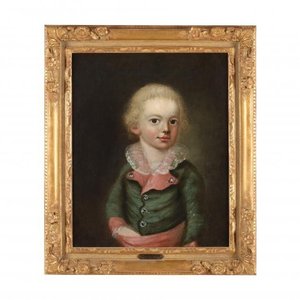
ヨハン・ハインリヒ・ティシュバイン・ザ・ヤンガー
1742 - 1808 , ドイツ
基本情報
- Artistic Movement Or Style: ロマン主義
- Artists Or Movements Influenced By This Artist: ['ゲーテ']
- Artists Who Influenced This Artist: ['ヨハン・コンラート・ティシュバイン']
- Date Of Birth: 1751年11月28日
- Full Name: ヨハン・ハインリヒ・ティシュバイン・ザ・ヤンガー
- Nationality: ドイツ人
- Notable Artworks:
- コラディンとフリードリヒ
- アルケスティの犠牲
- ガチョウと雌ガチョウ...
- Place Of Birth: ハイナ、ドイツ
関連記事
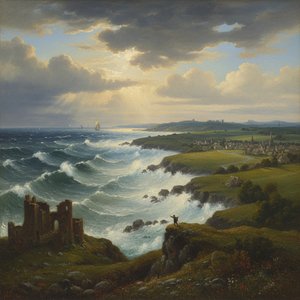
Clarkson Frederick Stanfield: Navigating Romantic Visions of Sea, Land & British Imagination
Explore the dramatic seascapes & landscapes of Clarkson Frederick Stanfield (1793-1867). Discover his life, art, and lasting influence on British Romanticism. Acquire stunning reproductions at ArtsDot.
至高の芸術:新古典主義を象徴する10選 – 華麗なる巨匠と時代を彩る傑作の世界
新古典主義を代表する10選!ダビッド、アンジェリカーら巨匠の傑作を紐解き、時代を超えた美と知性を探求。油絵、版画など高精細なアートプリントで、お部屋を華やかに彩りませんか?ArtsDot.comで至高の芸術を体験してください。

ロマン派ランドスケープ:時代を彩る巨匠の10選|アートとインテリアの世界
ロマン派絵画の時代を彩る10選。巨匠たちの風景が織りなす感動の世界へ。ターナー、ルーベンスなど、名作の裏話と高精細複製でアートをお部屋に。ArtsDot.comで至福のアート体験を。

Romantic Realism's Finest: 10 Masterpieces for Your Home | ArtsDot
Explore 10 defining masterpieces of Romantic Realism! Discover Courbet, Millet & Daumier's powerful paintings—capturing emotion and social realities. Find museum-quality reproductions for your home at ArtsDot.com.
Romantic Masterpieces: 10 Artworks for a Timeless Home Decor Aesthetic
Fall in love with art! Explore 10 iconic romantic paintings – from Monet & Bouguereau to Fragonard. Discover the stories behind these masterpieces and find museum-quality reproductions for your home decor at .