

 プレビュー
プレビュー
 プリントを購入
 シェアする
シェアする シェアする
シェアする
 詳細を見る
詳細を見る

 ダウンロード
 似ている作品
 X線調査
X線調査 スライドショー
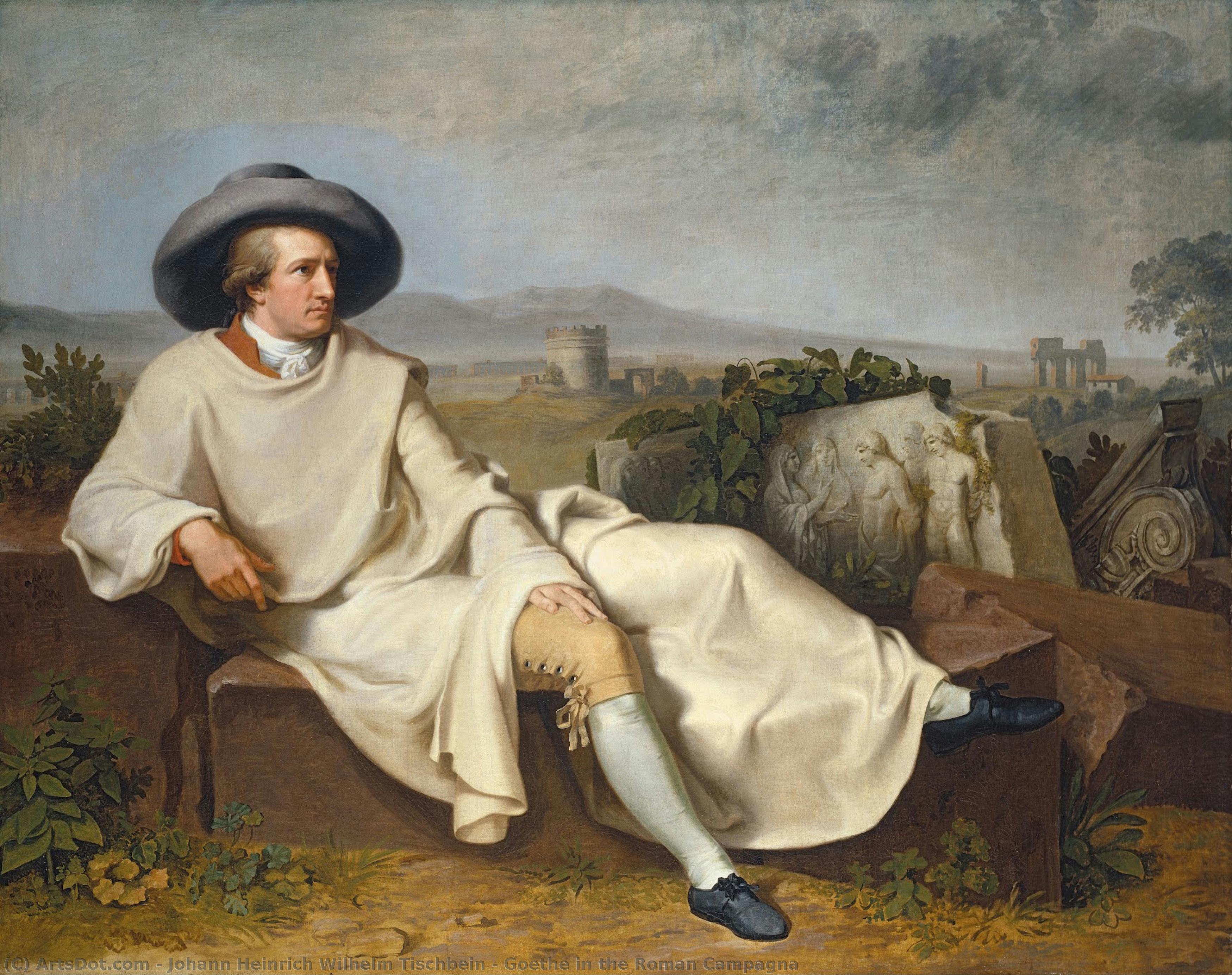
Goethe in the Roman Campagna
 Oil On Canvas
- WallArt
- Neoclassicism
 1787
1787 206.0 x 164.0 cm
 シュテデル美術館
 詳細を見る
詳細を見る
オンラインプレビューをはるかに凌ぐ、高解像度で鮮明なデジタル画像をご購入いただけます。
各ファイルは、社内の専門家が高度なツールと熟練した手作業によるレタッチを用いて、細心の注意を払って準備されています。すべての画像において、卓越した鮮明度、正確な色彩再現性、そして繊細なディテールを保証いたします。
最終ファイルは、プロフェッショナルな編集・印刷環境ですぐにご利用いただけるよう最適化された状態で、72時間以内にメールにてお届けいたします。これは、一流のデザインスタジオ、出版社、ギャラリーから信頼されているものと同等の品質です。
デジタル画像のご注文に付随する特典
高品質なデジタル画像配信を、確かな品質で。
ArtsDot.com を選ぶことは、単に画像を手に入れることではありません。それは、プロの手によって精密に仕上げられ、満足保証が付いた高品質なデジタルアートワークを受け取ることを意味します。ご注文いただいた際に自動的に付随する内容は、以下の通りです:

メールですぐにお届け
ご注文から72時間以内に、高解像度のデジタル画像ファイルがメールでお手元に届きます。すぐにそのままご利用いただけます。

AI技術で最適化されたデジタルファイル
お客様の作品は、高度なAIツールと専門家による手作業の編集を組み合わせてプロフェッショナルに最適化されており、細部のディテール、鮮明さ、そして正確な色再現性を最大限に引き出しています。

一生涯無料の再送サービス
ファイルを誤って削除したり、紛失してしまったりしましたか?ご安心ください。いつでも無料で再送いたします。

輸入手数料は一切かかりません
関税や手数料、配送料を気にすることなく、お気に入りのアートワークをすぐにお楽しみいただけます。デジタルダウンロードは常に免税です。

色彩再現の保証
プロ仕様のツールとカラーマネジメント技術を用いることで、デジタル画像が元の色を最大限に忠実に再現することを保証いたします。

60日間満足保証
ご購入いただいたデジタル画像にご満足いただけない場合は、60日以内であれば、修正または100%の返金(理由を問う必要はありません)をさせていただきます。

100% 返金保証
ご満足いただけない場合は、デジタルファイルを受け取ってから60日以内であれば、理由を問わず全額返金いたします。

まとめ買い割引
3枚購入で10%OFF - 5枚購入で15%OFF - 10枚以上購入で20%OFF。クリエイティブなプロジェクト、ギャラリー、エージェンシーに最適です。
Johann Heinrich Wilhelm Tischbein’s Goethe in the Roman Campagna: A Portrait of Enlightenment
The painting “Goethe in the Roman Campagna,” executed by Johann Heinrich Wilhelm Tischbein in 1787, stands as a cornerstone of Neoclassical portraiture and embodies the spirit of intellectual curiosity that defined the era. More than just a likeness of Johann Wolfgang von Goethe—Germany’s most celebrated poet and playwright—the artwork is a meticulously crafted meditation on observation, contemplation, and the intersection between art and philosophy. Tischbein's masterful depiction captures not merely physical appearance but also an inner state of serene thoughtfulness, reflecting Goethe’s profound engagement with the natural world during his travels in Italy.Style and Technique: The Language of Order
Tischbein adhered rigorously to the principles of Neoclassicism, a movement that sought inspiration from classical antiquity—specifically ancient Greece and Rome—rejecting the ornate excesses of Baroque art. This stylistic commitment is evident in every aspect of the composition. Geometric precision dominates both figure and landscape, mirroring the ideals of rationality and balance championed by thinkers like Voltaire and Rousseau. Brushstrokes are smooth and deliberate, conveying a sense of controlled elegance and reflecting Tischbein’s meticulous attention to detail. The artist skillfully employs chiaroscuro—the dramatic interplay of light and shadow—to sculpt Goethe's form against the backdrop of the Roman countryside, enhancing depth and creating an illusionistic effect that draws the viewer into the scene. Oil paints on canvas provide a rich surface texture, subtly hinting at the materiality of the subject matter.Historical Context: Weimar’s Intellectual Renaissance
“Goethe in the Roman Campagna” emerged during Weimar’s Golden Age—a period of unprecedented cultural flourishing under Johann Wilhelm Ernst Goethe (no relation to the poet), Tischbein's patron and ruler. This era witnessed a resurgence of interest in classical learning, fueled by humanist scholarship and driven by a desire to emulate the grandeur of antiquity. Goethe himself was deeply immersed in philosophical debates concerning reason versus emotion, and Tischbein’s portrait reflects this intellectual preoccupation. The painting served as a visual testament to Goethe's formative experiences—his immersion in Italian art and literature—solidifying his reputation as a champion of Enlightenment ideals.Symbolism: Landscape as Reflection
The Roman Campagna—the fertile plains surrounding Rome—functions symbolically as more than just a scenic backdrop; it represents the source of inspiration for Goethe’s artistic endeavors. The landscape embodies tranquility, beauty, and intellectual stimulation – qualities that Tischbein sought to convey through his depiction. Goethe's seated posture suggests contemplation and observation, mirroring the artist’s own approach to capturing the essence of his subject. Furthermore, the classical setting underscores the overarching theme of humanist values—a belief in human reason and potential—characteristic of the Enlightenment period.Emotional Impact: Dignified Reflection
Ultimately, “Goethe in the Roman Campagna” transcends mere representation; it communicates a profound emotional resonance. Tischbein’s portrayal captures Goethe's inner serenity and intellectual engagement with remarkable sensitivity. The painting invites viewers to contemplate the beauty of observation and the importance of cultivating a contemplative spirit—themes that continue to resonate powerfully today. It stands as an enduring emblem of artistic excellence and intellectual curiosity, securing its place within the canon of Neoclassical portraiture.関連作品

作家の略歴
early life and training
johann heinrich wilhelm tischbein, known as the goethe tischbein, was a german painter from the tischbein family of artists. born on february 15, 1751, in haina, germany, tischbein's life was marked by an innate passion for art. he received his early training under the guidance of johann heinrich tischbein the elder, a prominent figure in the german art scene.artistic career and notable works
tischbein's artistic career was characterized by his mastery of portraiture, as evident in his famous work portrait of johann wolfgang von goethe in the roman campagna. this piece not only showcases tischbein's skill but also highlights his connection to the renowned german writer and statesman. other notable works include:- paris with the apple, a painting that reflects tischbein's fascination with the french art scene.
- helen and menelaus, a piece that demonstrates his ability to capture mythological themes with elegance.
- ajax and cassandra, showcasing tischbein's versatility in depicting dramatic scenes.
legacy and influence
tischbein's contributions to german art are undeniable. his work has been featured in various museums, including the schackgalerie in munich, which is dedicated to late romanticism. this museum, with its extraordinary collection of paintings, offers a unique insight into 19th-century german art.personal life and later years
tischbein passed away on june 26, 1829, in eutin, germany. his legacy continues to inspire artists and art enthusiasts alike, with his work remaining a testament to the enduring power of german art during the late romantic period. key points:- tischbein was born on february 15, 1751, in haina, germany.
- he received training under johann heinrich tischbein the elder.
- notable works include portrait of johann wolfgang von goethe in the roman campagna, paris with the apple, and ajax and cassandra.
- tischbein's work is featured in the schackgalerie in munich.
- he passed away on june 26, 1829, in eutin, germany.
- view tischbein's artworks on ArtsDot: [https://ArtsDot.com/@/johann heinrich wilhelm tischbein](https://ArtsDot.com/@/johann heinrich wilhelm tischbein)
- explore the schackgalerie in munich: /en/art/show/art-d3bffr-en/
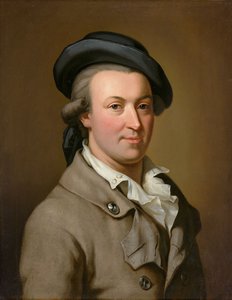
johann heinrich wilhelm tischbein
1751 - 1829 , Germany
プロフィール概要
- Artistic Movement Or Style: English School; Moral & Satirical Engravings/Paintings
- Artists Or Movements Influenced By This Artist:
- Romantic Literature
- Caricature
- Artists Who Influenced This Artist:
- Nicolas Poussin
- Jan Vermeer
- Date Of Birth: November 5, 1697
- Date Of Death: October 26, 1764
- Full Name: William Hogarth
- Nationality: British
- Notable Artworks:
- Beer Street
- Gin Lane
- Marriage A-la-Mode
- Industry and Idleness
- Place Of Birth: London, England

