


 プレビュー
プレビュー
 シェアする
シェアする シェアする
シェアする
 詳細を見る
詳細を見る

 ダウンロード
 似ている作品
 X線調査
X線調査 スライドショー
 統計情報
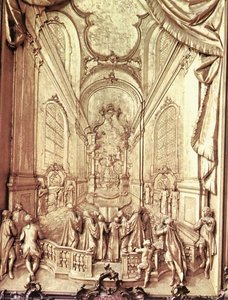
統計情報St Benedict Chanting Psalms (detail of the organ)
 1754
1754 213.0 x 140.0 cm
 Benedictine Abbey
 詳細を見る
詳細を見る
オンラインプレビューをはるかに凌ぐ、高解像度で鮮明なデジタル画像をご購入いただけます。
各ファイルは、社内の専門家が高度なツールと熟練した手作業によるレタッチを用いて、細心の注意を払って準備されています。すべての画像において、卓越した鮮明度、正確な色彩再現性、そして繊細なディテールを保証いたします。
最終ファイルは、プロフェッショナルな編集・印刷環境ですぐにご利用いただけるよう最適化された状態で、72時間以内にメールにてお届けいたします。これは、一流のデザインスタジオ、出版社、ギャラリーから信頼されているものと同等の品質です。
デジタルアート
個人での鑑賞、印刷、クリエイティブなプロジェクト用に、高解像度ファイルをダウンロードできます。 ( プリント版に切り替え 手描きの絵画を購入)
デジタル画像のご注文に付随する特典
高品質なデジタル画像配信を、確かな品質で。
ArtsDot.com を選ぶことは、単に画像を手に入れることではありません。それは、プロの手によって精密に仕上げられ、満足保証が付いた高品質なデジタルアートワークを受け取ることを意味します。ご注文いただいた際に自動的に付随する内容は、以下の通りです:

メールですぐにお届け
ご注文から72時間以内に、高解像度のデジタル画像ファイルがメールでお手元に届きます。すぐにそのままご利用いただけます。

AI技術で最適化されたデジタルファイル
お客様の作品は、高度なAIツールと専門家による手作業の編集を組み合わせてプロフェッショナルに最適化されており、細部のディテール、鮮明さ、そして正確な色再現性を最大限に引き出しています。

一生涯無料の再送サービス
ファイルを誤って削除したり、紛失してしまったりしましたか?ご安心ください。いつでも無料で再送いたします。

輸入手数料は一切かかりません
関税や手数料、配送料を気にすることなく、お気に入りのアートワークをすぐにお楽しみいただけます。デジタルダウンロードは常に免税です。

色彩再現の保証
プロ仕様のツールとカラーマネジメント技術を用いることで、デジタル画像が元の色を最大限に忠実に再現することを保証いたします。

100日間満足保証
ご購入いただいたデジタル画像にご満足いただけない場合は、100日以内であれば、理由を問わず修正または100%の返金対応をさせていただきます。

100% 返金保証
ご満足いただけない場合は、デジタルファイルを受け取ってから100日以内であれば、理由を問わず全額返金いたします。

まとめ買い割引
3枚購入で10%OFF - 5枚購入で15%OFF - 10枚以上購入で20%OFF。クリエイティブなプロジェクト、ギャラリー、エージェンシーに最適です。
関連作品
作家の略歴
The Grace of the Rococo: The Life and Legacy of Johann Josef Christian
In the heart of 18th-century Germany, a period defined by the swirling elegance of the Rococo movement, the name Johann Josef Christian emerged as a symbol of refined artistry and decorative mastery. Born in 1706 in the quiet town of Riedlingen, Christian would grow to become much more than a mere craftsman; he was a visionary who could breathe life into stone and pigment alike. While historical records from his early years remain somewhat veiled in the mists of time, his formative training under the guidance of Johann Georg Baumgartner in Stuttgart provided him with a formidable foundation. This apprenticeship allowed him to absorb the essential disciplines of oil painting, sculptural modeling, and stucco work, creating a versatile toolkit that would later allow him to navigate the complex demands of both fine art and architectural ornamentation.
As his career unfolded, Christian became an indispensable figure within the cultural fabric of the German states, particularly through his deep connections to the Württemberg royal court. His ability to translate the opulence of aristocratic life into tangible art made him a favorite among the nobility and high-ranking clergy. Whether he was capturing the psychological depth of a sitter in a portrait or carving the divine presence of an angel from marble, his work always maintained a sense of delicate movement and ornamental splendor. His mastery extended beyond the canvas into the very bones of the era's most magnificent structures, where his skill as a sculptor and stuccodore helped define the breathtaking interiors of the Swabian Baroque road.
A Symphony of Form and Texture
The true essence of Christian’s genius lies in his seamless ability to blend different artistic mediums into a unified aesthetic experience. In his paintings, one finds the quintessential hallmarks of the Rococo style: a preference for pastel palettes, asymmetrical compositions, and an almost tactile approach to texture. He possessed a remarkable talent for rendering the heavy sheen of silk, the intricate lace of a collar, and the soft glow of skin, all while maintaining an atmosphere of light and airy grace. His genre scenes and portraits do not merely document faces and fashions; they capture the very spirit of an era characterized by social ritual and aesthetic indulgence.
However, it is perhaps in his three-dimensional works where his expressive dynamism truly shines. Christian’s sculptures, such as his celebrated "Angel" from approximately 1760, demonstrate a profound command over emotion and religious symbolism. In these pieces, the cold rigidity of marble or wood is transformed into something fluid and emotive. His contributions to the choir stalls of the great monastic churches, including those at Zwiefalten and Ottobeuren, serve as monumental testaments to his ability to integrate sculpture with architecture. Through these works, he achieved a sense of theatricality that invited the viewer into a sacred, immersive space, where every carved leaf and sculpted figure contributed to a larger narrative of divine beauty.
Historical Significance and Enduring Impression
Though the tides of art history eventually shifted toward the more rigid structures of Neoclassicism, the impact of Johann Josef Christian remains etched in the architectural and artistic heritage of Germany. He represents a pinnacle of the Rococo period—a time when art was not merely observed but lived within. His legacy is found in the way he bridged the gap between the decorative and the profound, proving that ornamentation could carry as much emotional weight as a grand historical epic.
Today, we look back at his body of work to understand the sophisticated social hierarchies and the aesthetic aspirations of the 18th century. His life's work offers us a window into a world of:
- Technical Versatility: The rare ability to master painting, sculpture, and stucco decoration simultaneously.
- Cultural Connection: A profound influence on the visual identity of the Württemberg court and Southern German ecclesiastical art.
- Aesthetic Refinement: The perfection of the Rococo language through delicate brushwork and expressive, dynamic forms.
Johann Josef Christian passed away in his birthplace of Riedlingen in 1777, leaving behind a world that had been made more beautiful by his touch. His ability to capture both the fleeting elegance of a social gathering and the eternal grace of a celestial being ensures that his name continues to resonate within the halls of European art history.
johann josef christian
1706 - 1777 , Germany
プロフィール概要
- Artistic Movement Or Style: Rococo
- Date Of Birth: 1706
- Full Name: Johann Josef Christian
- Nationality: German
- Notable Artworks:
- Angel
- Arrow Shirts
- Patriot and Liberty Bell
- Place Of Birth: Riedlingen, Germany