

 プレビュー
プレビュー
 プリントを購入
 シェアする
シェアする シェアする
シェアする
 詳細を見る
詳細を見る

 ダウンロード
 似ている作品
 X線調査
X線調査 スライドショー
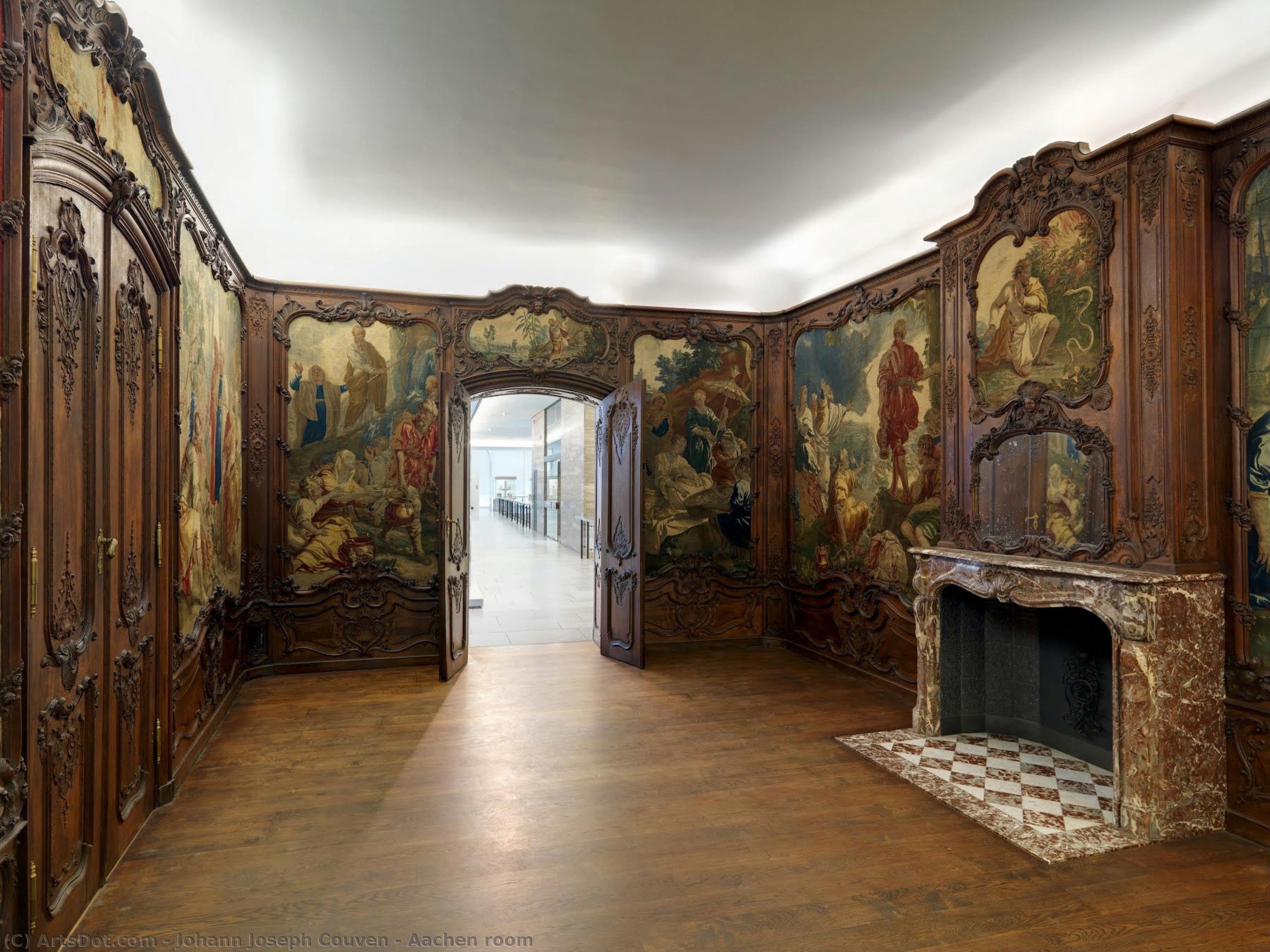
Aachen room


 詳細を見る
詳細を見る




































作品のオリジナル比率に合わせた、当店の規定サイズからお選びください。

特定のフレームやスペースに合わせて、ご希望のサイズをご入力いただけます。選択されたサイズが元の画像の比率と異なる場合、アートワークをトリミングするか、手描きで要素を追加して絵画を拡張いたします。デジタルモックアップ を制作し、制作開始前にご確認(承認)をいただきます。
画面上のプレビューは、実際のトリミングや拡張を正確に反映しているものではありません。最終的な構図は、モックアップによってのみ正確にご確認いただけます。
カスタムサイズもご利用いただけますが、元の比率を維持するためには、あらかじめ用意されたリストからサイズを選択することをお勧めいたします。
ご注文後、ArtsDot.com チームより詳細な指示をお送りするとともに、仕上がりイメージ(モックアップ)をご提供いたします。


 ガラスオプションは、110cm未満のサイズでのみご利用いただけます。

Aachen room
複製技法
複製画のサイズ
-


合計金額
$ 263
関連作品







アーティストの略歴
Thomas Hudson: The Master of Domestic Detail
Born in Exeter, Devon, in 1701 – though the exact date of his baptism remains uncertain – Thomas Hudson’s life and career unfolded within the bustling artistic landscape of London. He wasn't a revolutionary figure, nor did he produce grand historical or mythological scenes; instead, Hudson carved out an extraordinary niche for himself as the foremost portraitist of domestic life in 18th-century England. His paintings offer intimate glimpses into the lives of wealthy families, showcasing their homes, furnishings, and daily routines with remarkable detail and a subtle, almost understated charm.
Hudson’s artistic journey began under the tutelage of Jonathan Richardson the Elder, a prominent painter known for his satirical portraits. However, Hudson's relationship with his mentor was complex; he married Richardson’s daughter, a union that reportedly caused considerable friction within the artist’s household. Despite this familial entanglement, Hudson quickly established himself as an independent practitioner, developing a distinctive style characterized by meticulous observation and a remarkable ability to render fabrics, furniture, and architectural details with astonishing accuracy. He wasn't simply painting *of* people; he was painting *in* their world.
Hudson’s workshop operated on a scale that was truly impressive for its time. He employed numerous assistants, including the highly skilled drapery painter Joseph Van Aken, and his studio produced an astonishing volume of work – estimates suggest over 300 paintings. This prolific output wasn't achieved through individual genius alone; Hudson meticulously oversaw every stage of the process, from initial sketches to final touches, ensuring a consistent level of quality across his entire oeuvre. The drapery painters played a crucial role in this system, creating elaborate and convincing fabrics that formed the backdrop for his portraits, adding layers of realism and visual interest.
The Rise of a Fashionable Portraitist
Between 1740 and 1760, Hudson enjoyed an unprecedented period of success as London’s most sought-after portraitist. He catered to the tastes of the aristocracy and gentry, capturing their likenesses with a remarkable degree of naturalism. His subjects included prominent figures such as Joshua Reynolds, Joseph Wright, Peter Toms, and even the esteemed poet Alexander Pope. Hudson's ability to portray his patrons in comfortable, familiar settings – often within their own homes – contributed significantly to his popularity. He wasn’t interested in grand gestures or dramatic poses; he aimed for a sense of everyday life, subtly elevating the mundane into something aesthetically pleasing.
Hudson’s artistic development was influenced by several key figures. Jonathan Richardson's emphasis on observation and detail undoubtedly shaped his approach to painting. However, Hudson also drew inspiration from the Dutch masters, particularly their meticulous rendering of fabrics and interiors. His travels to the Low Countries in 1748 and Italy in 1752 further broadened his artistic horizons, exposing him to new techniques and styles.
Technique and Style
Hudson’s technique was characterized by a remarkable level of detail and precision. He employed a layered approach, beginning with careful sketches and studies of his subjects and their surroundings. His drapery painters were instrumental in creating convincing fabrics that added depth and realism to his compositions. Hudson's use of light and shadow was subtle but effective, enhancing the three-dimensional quality of his paintings. He avoided dramatic lighting effects, preferring a soft, diffused illumination that created a sense of intimacy and tranquility.
A key element of Hudson’s style is his ability to capture the texture and sheen of fabrics. He meticulously rendered the folds, wrinkles, and patterns of clothing, furniture upholstery, and carpets with astonishing accuracy. This attention to detail was not merely decorative; it served to convey a sense of wealth, status, and refinement. His portraits weren't just likenesses; they were statements about his subjects’ social standing.
Legacy and Historical Significance
Despite his immense popularity during his lifetime, Hudson’s contributions to art history were initially overlooked. His focus on domestic scenes and his reliance on assistants led some critics to dismiss him as a mere craftsman rather than an artist of genuine originality. However, in recent decades, Hudson has been increasingly recognized for his unique artistic vision and his remarkable technical skill. His paintings offer invaluable insights into the material culture and social customs of 18th-century England.
Today, Hudson’s works are displayed in major museums throughout the United Kingdom, including the National Portrait Gallery, the National Maritime Museum, Tate, Barnstaple Guildhall, and the Bristol City Museum and Art Gallery. His legacy as a master of domestic detail endures, reminding us of the beauty and significance that can be found in the everyday moments of life.
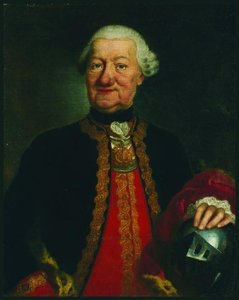
johann joseph couven
1701 - 1763 , Germany
基本情報
- Artistic Movement Or Style: Portrait painting
- Artists Or Movements Influenced By This Artist:
- Reynolds
- Wright
- Artists Who Influenced This Artist: ['Jonathan Richardson']
- Date Of Birth: 1701
- Date Of Death: 1779
- Full Name: Thomas Hudson
- Nationality: English
- Notable Artworks:
- William III on Horseback
- James Thomson
- Samuel Scott
- Place Of Birth: Devon, England

