 プレビュー
プレビュー
 プリントを購入
 シェアする
シェアする シェアする
シェアする
 詳細を見る
詳細を見る

 ダウンロード
 似ている作品
 X線調査
X線調査 スライドショー
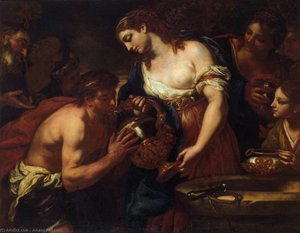
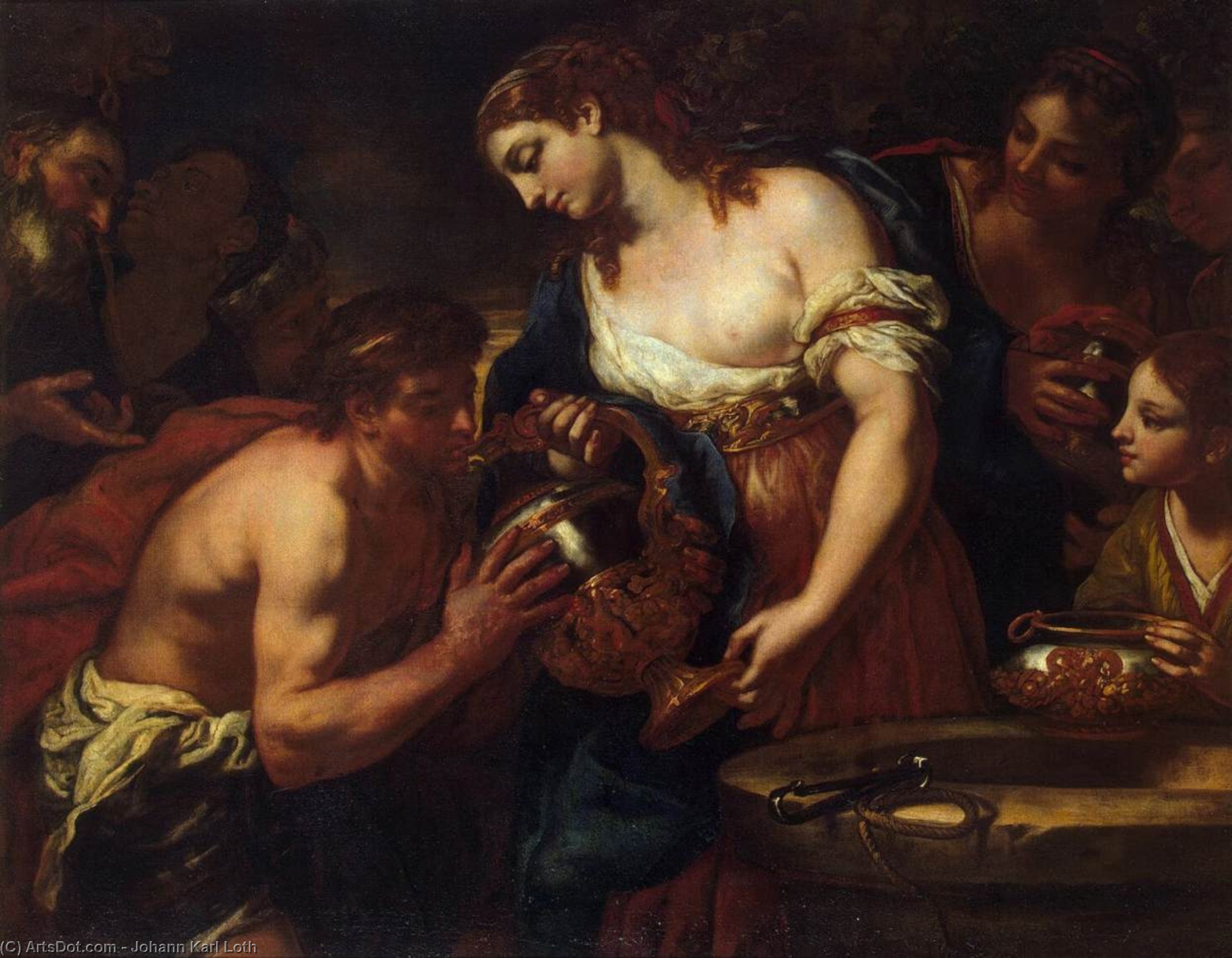
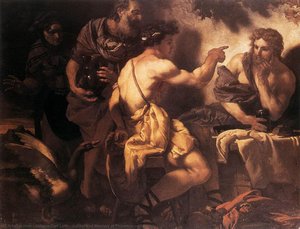
エリーズとレベッカの井戸
 キャンバスにアクリル絵具
- ウォールアート
- Venetian Baroque
 1670
1670 123.0 x 159.0 cm
 エルミタージュ美術館
 詳細を見る
詳細を見る




P118B $10

P118H $10

P118W $10

P438Z $10

P508JH $12

P508YH $12

P805H $10

P805Z $10

P919BZ $10

P919G $10

P919XJ $10

P959ZH $10

P968JZ $12

W106C $8

W218G $10

W218JH $8

W218Y $10

W307PJ $10

W316G $10

W316PJ $8

W316Y $10

W398PJ $8

W4111J $10

W500HY $15

W500JH $15

W692G $12

W849H $8

W940BG $15

W953PJ $8




作品のオリジナル比率に合わせた、当店の規定サイズからお選びください。

特定のフレームやスペースに合わせて、ご希望のサイズをご入力いただけます。選択されたサイズが元の画像の比率と異なる場合、アートワークをトリミングするか、手描きで要素を追加して絵画を拡張いたします。デジタルモックアップ を制作し、制作開始前にご確認(承認)をいただきます。
画面上のプレビューは、実際のトリミングや拡張を正確に反映しているものではありません。最終的な構図は、モックアップによってのみ正確にご確認いただけます。
カスタムサイズもご利用いただけますが、元の比率を維持するためには、あらかじめ用意されたリストからサイズを選択することをお勧めいたします。
ご注文後、ArtsDot.com チームより詳細な指示をお送りするとともに、仕上がりイメージ(モックアップ)をご提供いたします。


 ガラスオプションは、110cm未満のサイズでのみご利用いただけます。

エリーズとレベッカの井戸
複製技法
複製画のサイズ
-


合計金額
$ 263
作品解説
ジョハンのカール・ロート:ヴェネツィアのバロック絵画の巨匠たちの一人
ロートは、イタリアのヴェネツィアで活躍した画家であり、彼の作品は当時の美術界に大きな影響を与えました。特に彼の代表作「エリイゼルとレベッカの井戸」は、その壮大な構図と繊細な色彩表現によって見る人々を魅了します。この絵画は、1670年代に制作され、油彩技法を用いてキャンバスに描かれました。現在、ロシアのヘルムガート美術館で所蔵されています。 ロートの芸術的背景は、彼の父親であるヨハンのウリヒ・ロートの影響を受けました。父親もまた画家であり、彼は息子に絵画の基礎を教え込みました。さらに、イタリアの画家たちから洗練された技術と表現方法を学びました。これらの経験が彼の独特なスタイルを生み出す上で重要な役割を果たしたと考えられます。特に、ロートはヴェネツィアのバロック美術の影響を受け、その特徴であるドラマチックな構図と豊かな色彩を用いて絵画作品に新たな生命を与えました。彼は歴史画や神話画など幅広い题材で傑作を制作し、当時の美術界において重要な地位を確立しました。 絵画の詳細について見てみましょう。「エリイゼルとレベッカの井戸」は、エリイゼルとレベッカという女性が井戸に立ち、水を汲んでいる場面を描いた作品です。周囲には多くの人々がおり、彼らの表情や動きが絵の中に生き生きと表現されています。特に女性は、 jugs を手に持ち、他の人々に対して何かを伝えようとしています。この絵画は単なる風景画ではありません。ロートはバロック美術の伝統を踏襲しつつも、独自の解釈を加えることで、見る人に感動と驚きを与えます。井戸という場所は、聖書の物語に登場するエリイゼルとレベッカの伝説的な愛を描いたものであり、この絵画は愛と信仰といったテーマを表現しています。ロートの絵画技法は、特に光と影のコントラストを利用することで、絵の中に奥行きと立体感を効果的に作り出しています。彼は細心の注意を払いながら色彩を調和させ、絵の色合いに豊かな表情を与えています。この絵画は、バロック美術における技術的な卓越性と芸術的な表現力の一例と言えるでしょう。 ロートの作品は、その美しい色彩とドラマチックな構図によって、現代においても多くの人々を魅了しています。彼の絵画は、美術館や個人コレクションで高く評価されており、インテリアデザインにも取り入れられています。「エリイゼルとレベッカの井戸」のようなバロック絵画は、歴史的な背景を持つ芸術作品でありながらも、その美しい表現力によって見る人に感動を与え続けることができます。この絵画を鑑賞する際には、当時のヴェネツィア美術の世界観に思いを馳せながら、ロートがどのようにしてこの壮大な物語を絵画の中に表現したのかを深く考察してみましょう。関連作品
アーティストの略歴
The Venetian Master of Drama: The Life and Legacy of Johann Karl Loth
In the sun-drenched, theatrical atmosphere of seventeenth-century Venice, few artists captured the profound tension between the divine and the earthly as masterfully as Johann Karl Loth. Born around 1632 in Munich, within the Electorate of Bavaria, Loth was a painter whose identity bridged the robust traditions of German artistry with the luminous, emotive splendor of the Italian Baroque. Though his name might not resonate with the immediate household recognition of a Titian, his presence in the Venetian landscape was monumental. He was famously celebrated by the biographer Arnold Houbraken as one of the three grand masters of art bearing the name "Karel"—a prestigious distinction that placed him alongside luminaries such as Karel Duijardin and Carlo Maratta, signaling his arrival among the elite of European painting.
Loth’s artistic journey began under the watchful eye of his father, Johann Ulrich Loth, a painter who provided the foundational technical rigor that would later allow the son to experiment with such grand scale. This early training in Munich instilled a disciplined approach to composition, yet it was his move to Venice that truly ignited his creative spirit. In the vibrant Venetian milieu, Loth absorbed the influence of Giovan Battista Langetti, adopting a style defined by chiaroscuro—the dramatic interplay of light and shadow—and a penchant for tenebrism. This technique allowed him to sculpt figures out of darkness, imbuing his canvases with a sense of weight, mystery, and spiritual urgency that became his unmistakable signature.
A Tapestry of Myth and Scripture
The true brilliance of Loth’s oeuvre lies in his ability to transform the canvas into a stage for the most epic narratives of human history. He specialized in large-scale history paintings, often characterized by densely populated, crowded group scenes that demanded immense compositional skill. His subjects were drawn from the wellspring of classical mythology and the profound depths of the Old Testament, treated not merely as illustrations but as living, breathing dramas. Whether depicting the celestial intervention of gods or the harrowing trials of biblical patriarchs, Loth utilized a palette of vibrant colors and loose, expressive brushwork to evoke intense emotion.
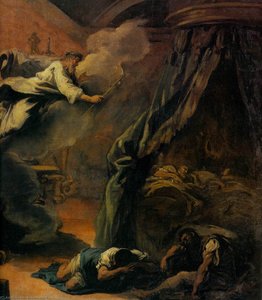
One can see this mastery in works such as Jupiter and Mercury at Philemon and Baucis, where the divine presence is felt through a sudden, illuminating light that pierces the humble surroundings of a mortal cottage. Similarly, his religious compositions, such as Holy Family and God the Father, showcase a profound command over atmospheric depth and sacred intimacy. His ability to weave complex human emotions—devotion, fear, awe, and familial love—into these grand narratives ensured that his work resonated far beyond the borders of Italy, attracting the attention of prestigious patrons including Emperor Leopold I of the Habsburg court in Vienna.
Influence, Collaboration, and Enduring Significance
Loth’s career was not a solitary endeavor but one marked by significant artistic synergy. In Venice, he engaged in fruitful collaborations with fellow masters like Pietro Liberi, working together to fulfill ambitious commissions that elevated the standards of historical storytelling. His studio became a beacon for aspiring talents; he mentored a generation of painters, including Michael Wenzel Halbax and Johann Michael Rottmayr, ensuring that his stylistic hallmarks—the dramatic lighting and theatrical compositions—would ripple through the subsequent decades of Baroque art. Even beyond the realm of painting, Loth’s reputation drew well-to-do travelers and artists, such as Cornelis de Bruijn, to his doorstep, making his studio a vital node in the European artistic network.
As he approached the end of his life, residing in Venice until his death in 1698, Loth had secured a legacy that transcended his German origins. He was a painter who could command both the intimate shadows of a single figure and the chaotic energy of a multitude. Today, his works reside in some of the world's most esteemed institutions, from the Kunsthistorisches Museum in Vienna to the Hermitage Museum in St. Petersburg. Through his ability to marry the structural discipline of his youth with the emotive fluidity of the Venetian school, Johann Karl Loth remains a definitive voice of the Baroque era, reminding us of a time when art was a grand, theatrical pursuit of the sublime.
johann karl loth
1632 - 1698
基本情報
- Artistic Movement Or Style: Baroque
- Artists Or Movements Influenced By This Artist: ['Classical Mythology Art']
- Artists Who Influenced This Artist:
- Giovanni Battista Langetti
- Franz Loth
- Date Of Death: 1698
- Full Name: Johann Karl Loth
- Nationality: German
- Notable Artworks:
- Jupiter and Mercury at Philemon and Baucis
- Karl mercury piping to argus
- Holy Family and God the Father
- Place Of Birth: Munich
関連記事

ジャコポ・ティンコレット:至高の25選 – ヴェネツィア巨匠のドラマと光の世界 | ArtsDot
ジャコポ・ティンコレットの至高の25選。ドラマと光の世界を彩るヴェネツィア派巨匠の名画を紐解きます。ルネサンス絵画からバロック絵画まで、ArtsDotで高品質な複製画やインテリアアートを見つけましょう。傑作コレクションをオンラインで探求してください。

The Dramatic Flourish: Exploring the Baroque Movement's Enduring Legacy in Art History
Explore the dramatic world of Baroque art! Discover iconic artists like Caravaggio & Rubens, defining techniques, and its lasting impact on art history. Expert insights for collectors & enthusiasts at ArtsDot.

バロック美術を極めた至宝:時代を彩る10大名作の世界
バロック美術の華!カラヴァッジョ、ベルニーニら巨匠が創り上げた10大名作を徹底解剖。ドラマチックな色彩と豪華絢爛の世界観に触れ、至宝のアートプリントで空間を彩ろう。ArtsDot.comで美術館品質の複製と洗練されたインテリアを見つけましょう!

The Visceral Stage: Exploring Dramatic Narratives & Emotional Intensity in Baroque Art
Explore the dramatic world of Baroque art! Discover iconic masters like Caravaggio & Rembrandt, their techniques, and the movement's lasting impact. Expert insights for collectors & enthusiasts at ArtsDot.

Theatricality & Triumph: Baroque Drama in Painting & Sculpture
Explore the dramatic world of Baroque art! Discover its history, defining characteristics, & lasting influence on painting & sculpture. Expert insights into Caravaggio, Zurbarán, and Bernini – plus high-quality reproductions at ArtsDot.