

 プレビュー
プレビュー
 シェアする
シェアする シェアする
シェアする
 詳細を見る
詳細を見る

 ダウンロード
 似ている作品
 X線調査
X線調査 スライドショー
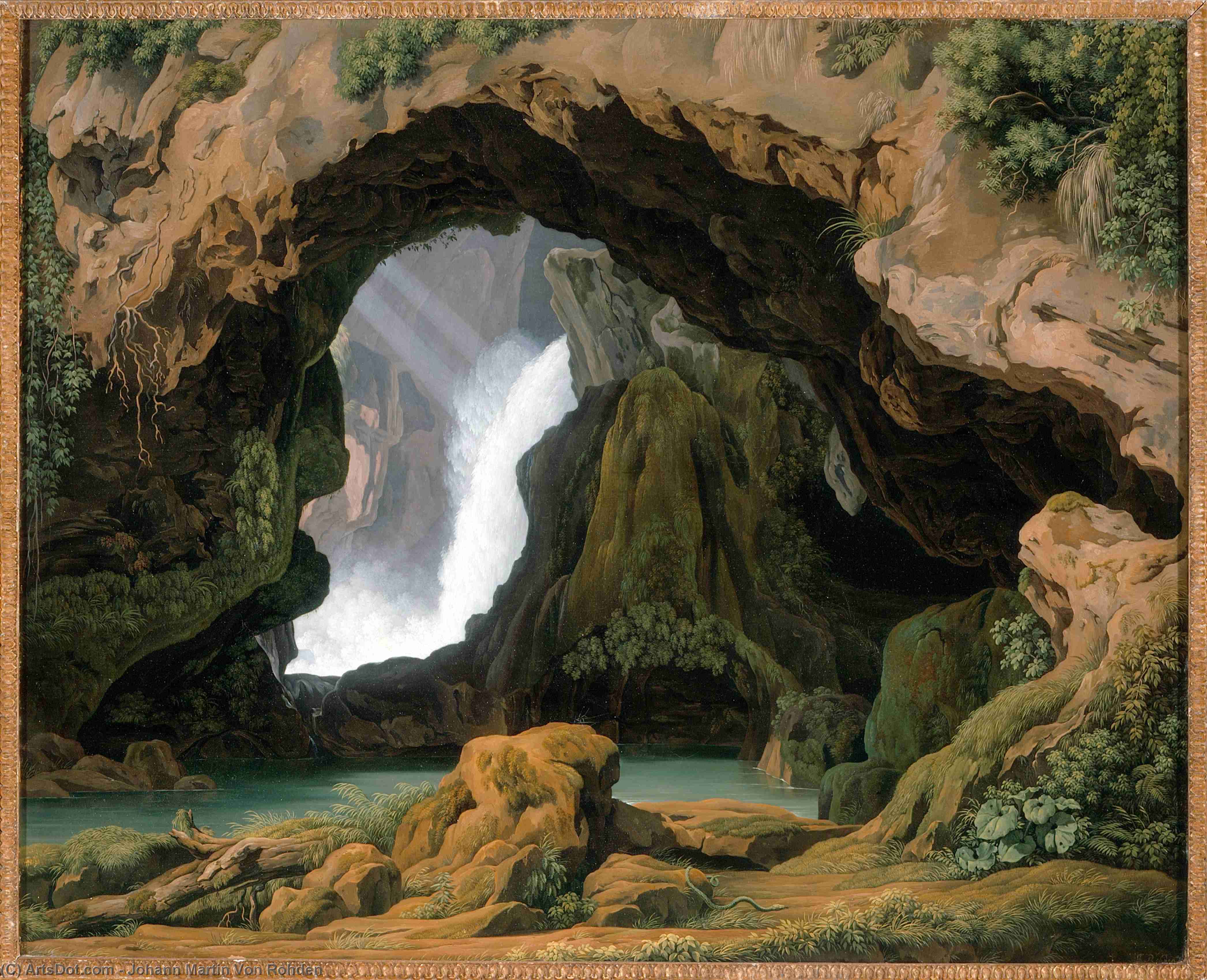
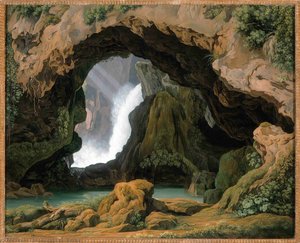
The Grotto of Neptune in Tivoli
 詳細を見る
詳細を見る
ジークレー/アートプリント
迅速な制作と多彩な仕上げオプションを備えた、ミュージアムクオリティのジークレーまたはキャンバスプリント。 ( 手描きの絵画を購入 画像を購入)




































作品のオリジナル比率に合わせた、当店の規定サイズからお選びください。

特定のフレームやスペースに合わせて、ご自身でサイズを指定することも可能です。選択されたサイズが元の画像の比率と一致しない場合、作品をトリミングするか、鏡面反射または単色での塗りつぶしによって画像を拡張いたします。制作を開始する前に、ご確認用のデジタルモックアップをお送りいたします。
画面上のプレビューには、実際のトリミングや拡張は反映されませんのでご注意ください。最終的な構図を正確に確認できるのは、モックアップのみとなります。
カスタムサイズも承っておりますが、元の比率を維持するためには、あらかじめ用意されたリストからサイズを選択することをお勧めいたします。


 ガラスオプションは、110cm未満のサイズでのみご利用いただけます。

The Grotto of Neptune in Tivoli
ジークレー/アートプリント
複製画のサイズ
-


合計金額
$ 62
関連作品


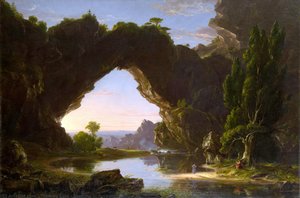
アーティストの略歴
The Soul of the Italian Landscape: The Life of Johann Martin von Rohden
In the golden era of German Romanticism, few artists captured the ethereal intersection of light and stone as profoundly as Johann Martin von Rohden. Born in Kassel in 1778 to a merchant family, Rohden’s early years were shaped by the disciplined aesthetic traditions of the Kunstakademie in his hometown. However, the call of the south proved irresistible. At the tender age of seventeen, driven by an insatiable curiosity for the classical world, he journeyed to Rome. This migration was not merely a change in geography but a fundamental transformation of his artistic spirit. In the vibrant, sun-drenched atmosphere of Italy, Rohden moved away from the rigid structures of his early training and began to embrace a more emotive, atmospheric approach to the natural world.
Rome served as both his sanctuary and his greatest classroom. Under the mentorship of luminaries such as Johann Christian Reinhart and the influential Joseph Anton Koch, Rohden navigated the complex transition from Neoclassical precision to Romantic expression. His time in Italy was marked by deep intellectual engagement; he moved within circles that included literary giants like Goethe, finding inspiration not only in the physical landscape but in the profound cultural heritage of the Roman landscape. This period of his life was characterized by a deepening connection to the Italian terrain, a bond that would eventually lead him to settle permanently in the region, marrying the daughter of an innkeeper in Tivoli and embedding himself within the very heart of the picturesque scenery he so loved to paint.
A Pioneer of Light and Air
What truly distinguished Rohden from his contemporaries was his revolutionary approach to the canvas. While many artists of the era remained tethered to the studio, meticulously composing landscapes from sketches and memory, Rohden became a pioneer of plein air painting. Alongside figures like Johann Georg von Dillis, he sought to capture the fleeting, ephemeral qualities of nature by working directly outdoors. This technique allowed him to observe the subtle shifts in light as it danced across limestone cliffs or filtered through dense foliage, imprinting his works with an unprecedented sense of immediacy and truth.
His fascination with the Tivoli Grotto remains one of the most enduring legacies of his career. The grotto, a subterranean marvel of stalactites and shadows, provided him with a complex stage for experimenting with texture and atmosphere. In these works, one can sense the artist’s reverence for the geological grandeur of the earth. He did not merely document these spaces; he sought to evoke their primordial mystery. Through his brush, the dampness of the cave walls and the cool, shaded recesses became palpable, inviting the viewer to step into a world where nature feels both ancient and alive.
Legacy and Historical Significance
The historical significance of Johann Martin von Rohden lies in his role as a bridge between eras. He stood at the crossroads of Neoclassicism and Romanticism, utilizing the formal foundations of the former to express the emotional depth of the latter. His ability to marry topographical accuracy with a poetic sensibility earned him immense respect from the younger generation of German landscape painters who flocked to Rome in the nineteenth century. Even when faced with the pressures of official duties—such as his brief tenure as chief painter at the court of Hesse—his heart remained tethered to the Roman Campagna and the wild beauty of the Italian coast.
Today, Rohden is remembered not just as a chronicler of Italian scenery, but as an artist who helped redefine the boundaries of landscape painting. His contributions include:
- The Advancement of Plein Air Techniques: Establishing a precedent for working directly from nature to capture authentic light and color.
- Romantic Interpretation of Classical Sites: Transforming well-known landmarks like the Tivoli Grotto into emotive, atmospheric experiences.
- Cultural Integration: Serving as a vital link between German artistic traditions and the Italian landscape movement.
As we look upon his canvases, we see more than just mountains and caves; we witness the enduring legacy of an artist who found his soul in the light of Italy, leaving behind a visual testament to the sublime beauty of the natural world.
johann martin von rohden
1778 - 1868
基本情報
- Artistic Movement Or Style: Romanticism
- Artists Or Movements Influenced By This Artist: ['Claude Lorrain']
- Artists Who Influenced This Artist: ['Johann Christian Reinhart']
- Date Of Birth: 1778
- Date Of Death: 1868
- Full Name: Johann Martin von Rohden
- Nationality: German
- Notable Artworks: ['Coastal Landscape with Storm Approaching']
- Place Of Birth: Kassel, Germany

