

 プレビュー
プレビュー
 プリントを購入
 シェアする
シェアする シェアする
シェアする
 詳細を見る
詳細を見る

 ダウンロード
 似ている作品
 X線調査
X線調査 スライドショー
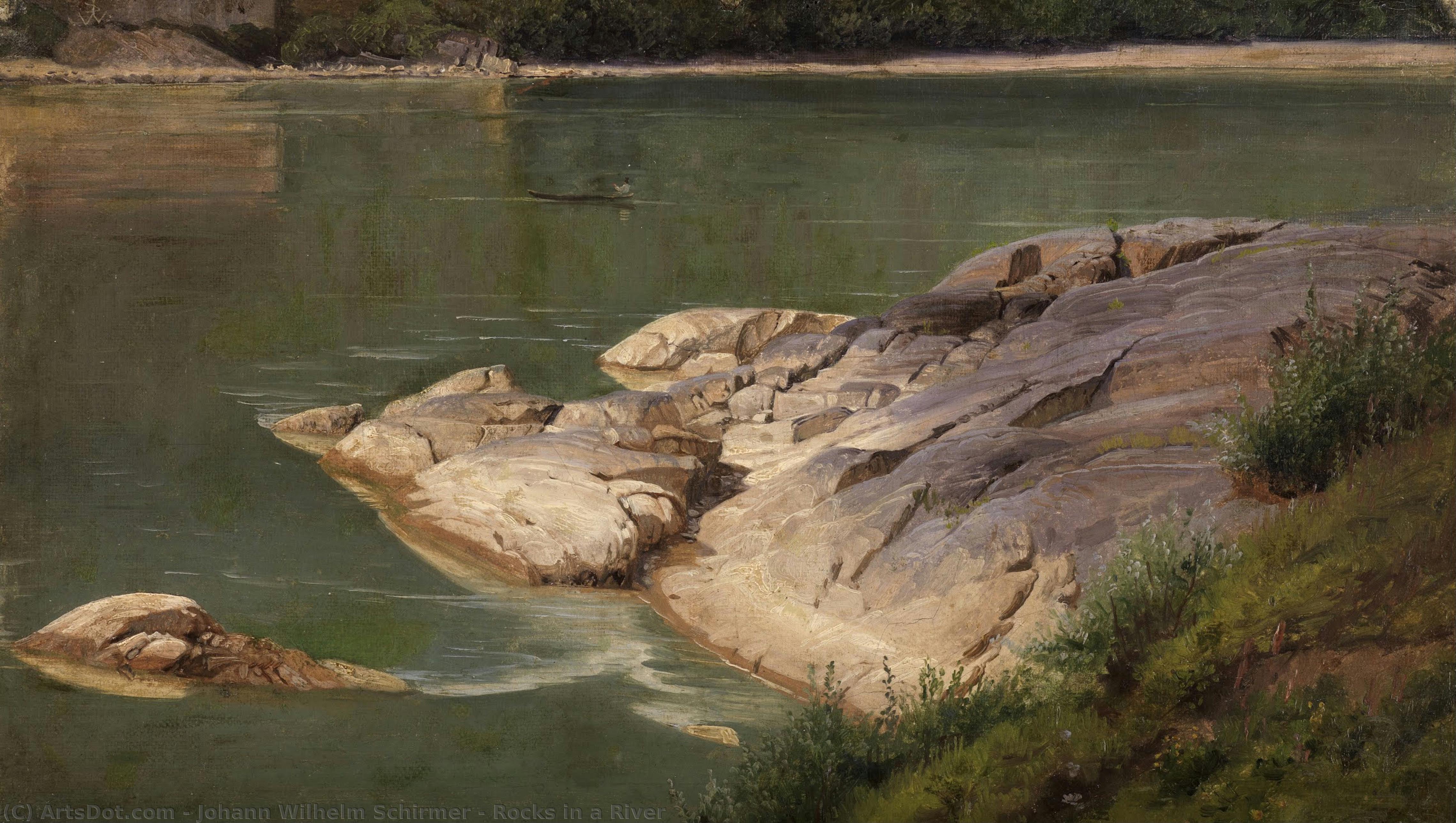
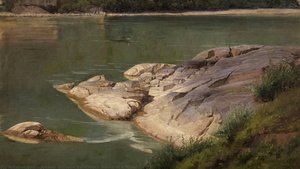
Rocks in a River
 Impressionism
 1830
1830 4.0 x 37.0 cm
 シュタットリッヒェ・クンストハレ・カールスルーエ
 詳細を見る
詳細を見る




































作品のオリジナル比率に合わせた、当店の規定サイズからお選びください。

特定のフレームやスペースに合わせて、ご希望のサイズをご入力いただけます。選択されたサイズが元の画像の比率と異なる場合、アートワークをトリミングするか、手描きで要素を追加して絵画を拡張いたします。デジタルモックアップ を制作し、制作開始前にご確認(承認)をいただきます。
画面上のプレビューは、実際のトリミングや拡張を正確に反映しているものではありません。最終的な構図は、モックアップによってのみ正確にご確認いただけます。
カスタムサイズもご利用いただけますが、元の比率を維持するためには、あらかじめ用意されたリストからサイズを選択することをお勧めいたします。
ご注文後、ArtsDot.com チームより詳細な指示をお送りするとともに、仕上がりイメージ(モックアップ)をご提供いたします。


 ガラスオプションは、110cm未満のサイズでのみご利用いただけます。

Rocks in a River
複製技法
複製画のサイズ
-


合計金額
$ 263
関連作品

アーティストの略歴
The Architect of Atmosphere: The Life and Legacy of Johann Wilhelm Schirmer
In the grand tapestry of nineteenth-century European art, few threads are as vital to the development of landscape painting as those woven by Johann Wilhelm Schirmer. A true pioneer of the Düsseldorf School, Schirmer did not merely paint scenery; he captured the very soul of the natural world, infusing it with a profound psychological depth and an unparalleled atmospheric realism. Born in 1807 in Jülich, within the Prussian Duchy of Jülich, his journey from a student of historical painting to a master of the landscape reflects a transformative era in German art—a period where the rigid structures of classicism began to yield to the emotive power of Romanticism.
Schirmer’s artistic foundation was laid under the rigorous tutelage of Wilhelm von Schadow at the prestigious Düsseldorf Academy. Initially, his path seemed destined for the grand narratives of historical painting, a discipline that demanded meticulous precision and a deep understanding of classical composition. However, the seeds of a different vision were already germinating within him. Influenced by the timeless landscapes of Nicolas Poussin, Schirmer began to seek a way to marry classical order with the burgeoning spirit of his age. This evolution was further catalyzed by his encounter with Carl Friedrich Lessing, whose passion for Romantic philosophy ignited Schirmer’s interest in exploring themes of sublime beauty and the introspective power of nature.
A Journey Through Light and Terrain
The true breadth of Schirmer's genius is perhaps best understood through his extensive travels across the European continent. These were not merely excursions for leisure, but essential pilgrimages that served as the lifeblood of his creative output. As he traversed the rugged terrains of the Black Forest, the majestic peaks of Switzerland, and the sun-drenched vistas of Italy, Schirmer acted as a visual chronicler of the sublime. His time in Normandy and along the Netherlands coast allowed him to master the depiction of water and light, seen most vibrantly in works such as Sea Surf on the Normandy Coast, where the kinetic energy of crashing waves is rendered with breathtaking vitality.
Each landscape he encountered became a laboratory for technical refinement. He possessed a rare ability to distill the essence of a location onto canvas, using a sophisticated palette and nuanced brushwork to evoke specific moods. Whether it was the tranquil, cool tones found in Rocks in a River or the dramatic tension of an Approaching Thunderstorm in the Roman Campagna, Schirmer’s work moved between the serene and the tempestuous. His ability to balance the structural integrity learned from his classical training with the spontaneous, emotional textures of Romanticism allowed him to create landscapes that felt both eternal and immediate.
The Professorship and Lasting Influence
Schirmer's ascent within the art world was marked by significant professional milestones that solidified his role as a leader of his generation. In 1830, he secured an assistant professorship at the Düsseldorf Academy, and by 1839, he had attained a full professorship. This position granted him the autonomy to shape the next wave of German artists, instilling in them a disciplined approach to observation that would define the Düsseldorf School's international reputation. His influence extended far beyond his own canvases, as he mentored students who would go on to carry his legacy of atmospheric realism into the late nineteenth century.
The historical significance of Johann Wilhelm Schirmer lies in his role as a bridge between eras. He took the disciplined, compositional rigor of the classical tradition and breathed into it the breath of Romantic emotion. Through his eyes, the landscape became more than just a subject; it became a vessel for human feeling, a mirror for the sublime, and a testament to the enduring majesty of the natural world. Even today, his works remain vital touchstones for anyone seeking to understand the profound evolution of German landscape art.
johann wilhelm schirmer
1807 - 1863
基本情報
- Artistic Movement Or Style: Düsseldorf School
- Artists Or Movements Influenced By This Artist: ['Poussin']
- Artists Who Influenced This Artist: ['Schadow']
- Date Of Birth: September 5, 1807
- Full Name: Johann Wilhelm Schirmer
- Nationality: German
- Notable Artworks:
- The Grotto of Egeria
- Twelve Scenes from the History of Abraham
- Place Of Birth: Jülich, Prussia
関連記事
印象派風景を彩った至宝:アート史に名を刻む10選
印象派風景の革新を彩った10選。モネ、ルノワールら巨匠の名作を紐解き、色彩と光が生み出す感動の世界へ。アートの歴史とインテリアのインスピレーションをArtsDot.comで。高品質な複製画で、あなただけの空間を創造しましょう。
Impressionistic Landscapes: 10 Masterpieces That Changed Art & Decor
Journey into the heart of Impressionism! Explore 10 masterpieces by Monet, Renoir & Degas that revolutionized landscape art. Discover their stories, techniques & find museum-quality reproductions to elevate your home decor on ArtsDot.com.

Evocations of Place: A Historical Journey Through Landscape Art
Explore the rich history of landscape art with ArtsDot. Discover renowned artists, movements like Impressionism & Romanticism, and expert guidance for collecting timeless pieces. Find your perfect serene escape today!
Evocations of Place: A Historical Journey Through Landscape Art
Explore the rich history of landscape art with ArtsDot. Discover renowned artists, movements like Impressionism & tonalism, and expert guidance for collecting timeless pieces. Find your perfect serene escape today!

ロマン派ランドスケープ:時代を彩る巨匠の10選|アートとインテリアの世界
ロマン派絵画の時代を彩る10選。巨匠たちの風景が織りなす感動の世界へ。ターナー、ルーベンスなど、名作の裏話と高精細複製でアートをお部屋に。ArtsDot.comで至福のアート体験を。

