

 プレビュー
プレビュー
 プリントを購入
 シェアする
シェアする シェアする
シェアする
 詳細を見る
詳細を見る

 ダウンロード
 似ている作品
 X線調査
X線調査 スライドショー
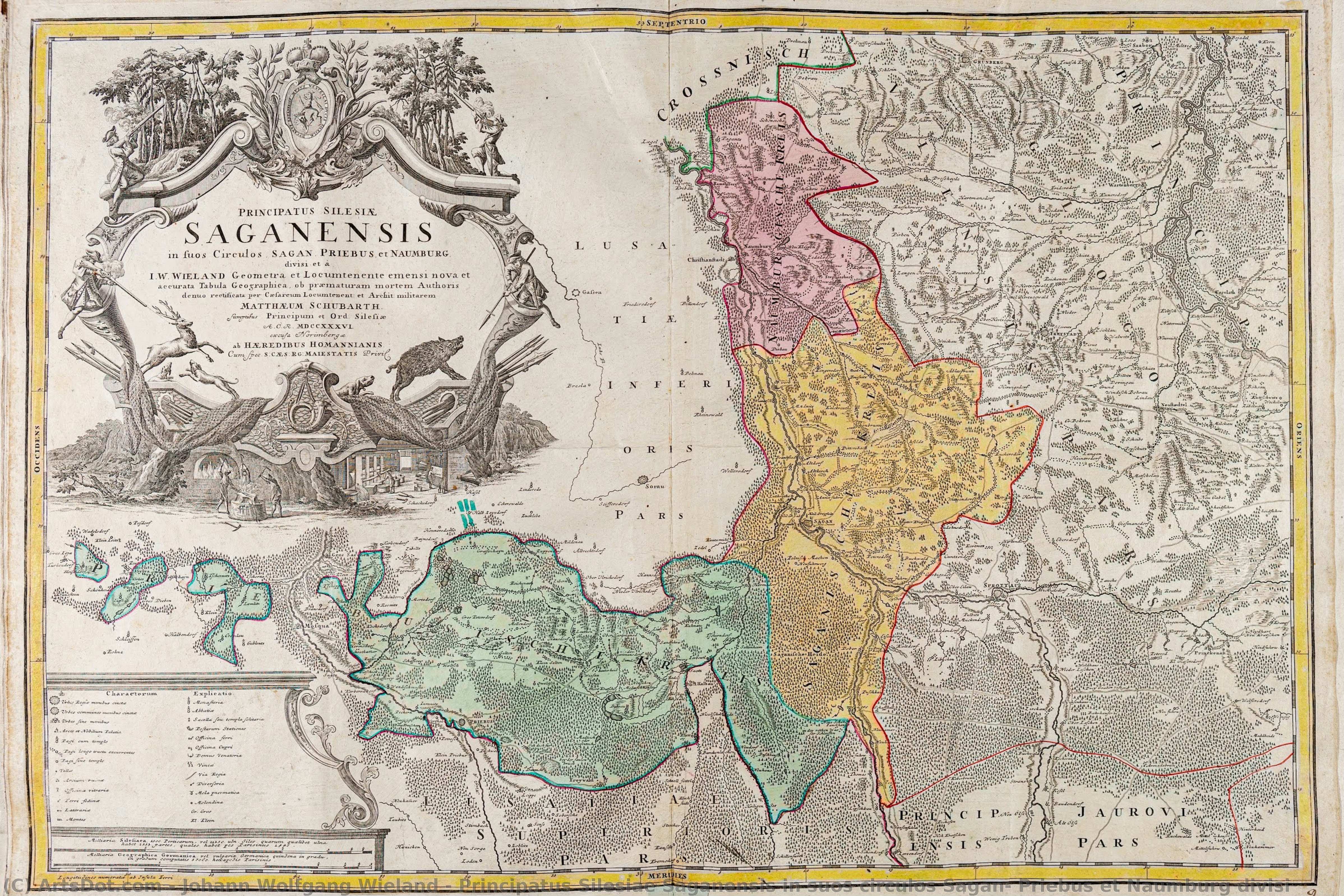
Principatus Silesiae Saganensis in suos circulos Sagan, Priebus et Naumburg divisi
 Neoclassicism
 1752
1752 55.0 x 81.0 cm
 Ossoliński National Institute
 詳細を見る
詳細を見る
オンラインプレビューをはるかに凌ぐ、高解像度で鮮明なデジタル画像をご購入いただけます。
各ファイルは、社内の専門家が高度なツールと熟練した手作業によるレタッチを用いて、細心の注意を払って準備されています。すべての画像において、卓越した鮮明度、正確な色彩再現性、そして繊細なディテールを保証いたします。
最終ファイルは、プロフェッショナルな編集・印刷環境ですぐにご利用いただけるよう最適化された状態で、72時間以内にメールにてお届けいたします。これは、一流のデザインスタジオ、出版社、ギャラリーから信頼されているものと同等の品質です。
デジタル画像のご注文に付随する特典
高品質なデジタル画像配信を、確かな品質で。
ArtsDot.com を選ぶことは、単に画像を手に入れることではありません。それは、プロの手によって精密に仕上げられ、満足保証が付いた高品質なデジタルアートワークを受け取ることを意味します。ご注文いただいた際に自動的に付随する内容は、以下の通りです:

メールですぐにお届け
ご注文から72時間以内に、高解像度のデジタル画像ファイルがメールでお手元に届きます。すぐにそのままご利用いただけます。

AI技術で最適化されたデジタルファイル
お客様の作品は、高度なAIツールと専門家による手作業の編集を組み合わせてプロフェッショナルに最適化されており、細部のディテール、鮮明さ、そして正確な色再現性を最大限に引き出しています。

一生涯無料の再送サービス
ファイルを誤って削除したり、紛失してしまったりしましたか?ご安心ください。いつでも無料で再送いたします。

輸入手数料は一切かかりません
関税や手数料、配送料を気にすることなく、お気に入りのアートワークをすぐにお楽しみいただけます。デジタルダウンロードは常に免税です。

色彩再現の保証
プロ仕様のツールとカラーマネジメント技術を用いることで、デジタル画像が元の色を最大限に忠実に再現することを保証いたします。

60日間満足保証
ご購入いただいたデジタル画像にご満足いただけない場合は、60日以内であれば、修正または100%の返金(理由を問う必要はありません)をさせていただきます。

100% 返金保証
ご満足いただけない場合は、デジタルファイルを受け取ってから60日以内であれば、理由を問わず全額返金いたします。

まとめ買い割引
3枚購入で10%OFF - 5枚購入で15%OFF - 10枚以上購入で20%OFF。クリエイティブなプロジェクト、ギャラリー、エージェンシーに最適です。
関連作品
作家の略歴
Johann Wolfgang Wieland: Bridging Enlightenment and Romanticism
Johann Wolfgang Wieland, born in Oberholzheim, Italy in 1733, stands as a pivotal figure in the transition between the rationalism of the Age of Enlightenment and the burgeoning emotional currents of pre-Romanticism. Though his life was marked by both professional triumphs and personal struggles, Wieland’s contributions to German literature – particularly his poetry, translations, and dramatic works – cemented his place among the “Weimar Classics,” a group that profoundly shaped the intellectual landscape of 18th and early 19th century Germany alongside Johann Gottfried Herder, Johann Wolfgang von Goethe, and Friedrich Schiller. His work represents a fascinating synthesis of classical ideals with emerging sensibilities, making him a key bridge between established literary traditions and the nascent Romantic movement.
Wieland’s early life was steeped in intellectual curiosity. He received a rigorous education, initially at the Jesuit school in Bamberg and later at the University of Jena, where he immersed himself in classical literature and philosophy. This foundation profoundly influenced his writing style, characterized by its elegance, precision, and adherence to established forms – particularly evident in his translations of Shakespeare’s plays. Wieland's translation of *Hamlet* is considered a landmark achievement, capturing both the dramatic intensity and philosophical depth of the original while adapting it for a German audience accustomed to classical conventions.
The Rise of a Poet and Dramatist
Wieland’s literary career truly took flight with his first major work, *Die Agathon-Fabel* (The Agathon Fable), published in 1764. This allegorical poem, drawing heavily on Plato's *Republic*, explored themes of virtue, education, and the ideal state – a subject central to the philosophical debates of the Enlightenment. It established Wieland’s reputation as a sophisticated poet capable of blending intellectual rigor with lyrical beauty. Following this success, he continued to produce poetry, essays, and translations, solidifying his position within the literary circles of Leipzig and later Weimar.
His dramatic works, however, are arguably where Wieland achieved lasting recognition. *Der Teutsche Merkur* (The German Mercury), a satirical drama published in 1767, showcased his wit, irony, and ability to critique contemporary society. It was followed by *Die Mannon* (1769) and *Philo von Kornhäusern* (1772), both of which explored themes of love, honor, and social constraints – often with a distinctly playful and subversive edge. These plays demonstrated Wieland’s growing interest in psychological realism and his willingness to challenge conventional dramatic conventions.
The History of Agathon: A Masterpiece of Allegory
Perhaps Wieland's most celebrated work is *Die Geschichte des Agathon* (The History of Agathon), published in 1786. This epic poem, a complex and ambitious allegory, delves into the nature of beauty, truth, and artistic creation. It’s a deeply philosophical exploration that draws upon classical mythology, Renaissance humanism, and emerging Romantic ideas about the power of imagination. The poem's intricate structure, rich symbolism, and profound meditations on art and humanity have ensured its place as a cornerstone of German literature.
Wieland’s engagement with Shakespeare during this period was particularly significant. He translated numerous plays, including *Othello*, *Macbeth*, and *King Lear*, adapting them to the German language while retaining their dramatic power and emotional resonance. These translations not only introduced Shakespeare's works to a wider German audience but also influenced subsequent generations of German writers and dramatists.
Weimar and Beyond
In 1785, Wieland moved to Weimar, becoming part of the vibrant intellectual community that centered around Johann Wolfgang von Goethe and Friedrich Schiller. He served as a literary advisor and friend to Goethe, contributing to the development of Weimar Classicism – a movement characterized by its emphasis on reason, order, and classical forms. Despite his association with these influential figures, Wieland maintained a distinct artistic voice, often exploring themes that diverged from the more overtly political or philosophical concerns of his colleagues.
Wieland’s later years were marked by personal difficulties, including financial struggles and strained relationships. He died in 1813 in Weimar, leaving behind a substantial body of work that continues to be studied and appreciated for its intellectual depth, artistic beauty, and enduring significance as a bridge between the Enlightenment and Romanticism. His legacy lies not only in his individual achievements but also in his role as a key figure in shaping the course of German literature and culture.
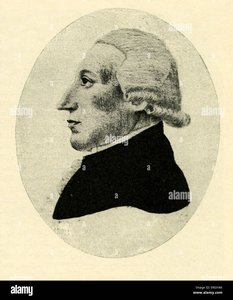
johann wolfgang wieland
1733 - 1813 , Italy
プロフィール概要
- Artistic Movement Or Style: Aufklärung, Weimar Classicism
- Artists Or Movements Influenced By This Artist:
- Goethe
- Herder
- Artists Who Influenced This Artist:
- Lessing
- Shakespeare
- Date Of Birth: 1733
- Date Of Death: 1813
- Full Name: Johann Wolfgang Wieland
- Nationality: German
- Notable Artworks: ['The History of Agathon']
- Place Of Birth: Oberholzheim, Italy

