

 プレビュー
プレビュー
 シェアする
シェアする シェアする
シェアする
 詳細を見る
詳細を見る

 ダウンロード
 似ている作品
 X線調査
X線調査 スライドショー
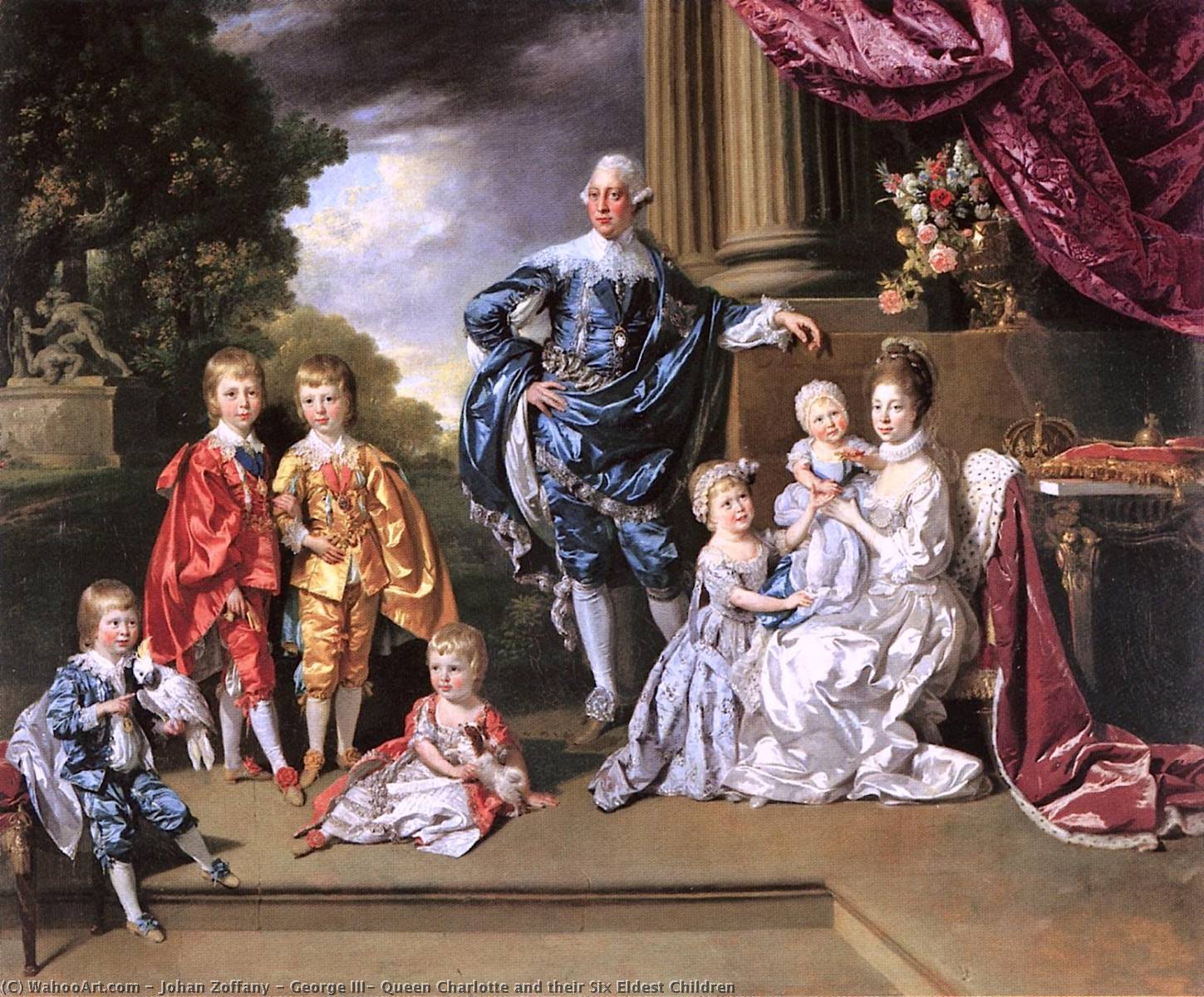
George III, Queen Charlotte and their Six Eldest Children


 詳細を見る
詳細を見る
ジークレー/アートプリント
迅速な制作と多彩な仕上げオプションを備えた、ミュージアムクオリティのジークレーまたはキャンバスプリント。 ( 手描きの絵画を購入 画像を購入)




P118B $10

P118H $10

P118W $10

P438Z $10

P508JH $12

P508YH $12

P805H $10

P805Z $10

P919BZ $10

P919G $10

P919XJ $10

P959ZH $10

P968JZ $12

W106C $8

W218G $10

W218JH $8

W218Y $10

W307PJ $10

W316G $10

W316PJ $8

W316Y $10

W398PJ $8

W4111J $10

W500HY $15

W500JH $15

W692G $12

W849H $8

W940BG $15

W953PJ $8




作品のオリジナル比率に合わせた、当店の規定サイズからお選びください。

特定のフレームやスペースに合わせて、ご自身でサイズを指定することも可能です。選択されたサイズが元の画像の比率と一致しない場合、作品をトリミングするか、鏡面反射または単色での塗りつぶしによって画像を拡張いたします。制作を開始する前に、ご確認用のデジタルモックアップをお送りいたします。
画面上のプレビューには、実際のトリミングや拡張は反映されませんのでご注意ください。最終的な構図を正確に確認できるのは、モックアップのみとなります。
カスタムサイズも承っておりますが、元の比率を維持するためには、あらかじめ用意されたリストからサイズを選択することをお勧めいたします。


 ガラスオプションは、110cm未満のサイズでのみご利用いただけます。

George III, Queen Charlotte and their Six Eldest Children
ジークレー/アートプリント
複製画のサイズ
-


合計金額
$ 62
A Window into Georgian Grandeur: Zoffany’s Family Tapestry
Johann Zoffany's “George III, Queen Charlotte and their Six Eldest Children,” painted in 1770, isn’t merely a portrait; it’s a meticulously constructed tableau vivant – a staged scene brimming with social commentary, artistic ambition, and the quiet drama of royal family life. The painting captures a moment frozen in time within the opulent confines of Buckingham House, then a relatively modest residence for the young King George III and his burgeoning family. Zoffany, a German-born painter who had established himself in London’s art scene, masterfully employed the ‘conversation piece’ format – a popular trend that favored informal group portraits, often incorporating elements of theatricality and displaying an interest in interior design and collecting. This particular work transcends simple representation; it's a carefully orchestrated illusion, inviting viewers to speculate on the relationships between the figures and decipher the subtle clues embedded within the composition.
- The Setting: The backdrop is a meticulously rendered Italian room – a deliberate nod to the fashionable interiors of the era. Notice the rich fabrics, the antique furniture (including a striking violoncello), and the carefully arranged objects like the vase of flowers and the collection of musical instruments. These weren’t simply decorative elements; they were status symbols, reflecting the wealth and refined taste of the royal household.
- The Figures: King George III, depicted in his early thirties, exudes a studied composure – a mask concealing perhaps the anxieties of leadership. Queen Charlotte, radiating elegance and grace, is presented as a model of domestic virtue. Their six eldest children are arranged around them, each rendered with remarkable detail, capturing their individual personalities and ages.
- The Illusion: Zoffany’s genius lies in his ability to create an illusion of naturalness. The figures appear engaged in conversation, yet the scene is entirely staged. A young man, likely a student or aspiring artist, stands partially obscured behind the Queen, suggesting a deliberate inclusion designed to add depth and intrigue to the composition.
Theatricality and Symbolism: Decoding Zoffany’s Masterstroke
Zoffany's work is deeply rooted in theatrical conventions, reflecting the burgeoning popularity of the London stage during the 18th century. The arrangement of figures mimics a scene from a play – a carefully choreographed performance designed to impress and entertain. The inclusion of the violoncello, a favored instrument of the aristocracy, symbolizes musical refinement and intellectual pursuits. Furthermore, the painting is laden with symbolic meaning. The presence of the young man behind Queen Charlotte has been interpreted as representing artistic aspiration or perhaps even a subtle critique of the royal court’s patronage system – suggesting that talent might be overlooked in favor of established connections.
The placement of the figures also holds significance: George III, positioned centrally and commanding attention, embodies authority. Queen Charlotte, seated gracefully beside him, represents domestic stability and virtue. The children, arranged around them, symbolize the future of the dynasty – a lineage destined to rule.A Window into Georgian Society and Artistic Innovation
“George III, Queen Charlotte and their Six Eldest Children” offers a fascinating glimpse into Georgian society—its values, its aspirations, and its artistic sensibilities. Zoffany’s innovative approach to portraiture – his willingness to incorporate theatrical elements and create complex compositions – pushed the boundaries of the genre. He wasn't simply recording likenesses; he was crafting narratives, exploring themes of family, status, and social interaction. The painting is a testament to his skill as a painter and his keen understanding of the cultural landscape of 18th-century England.
Bringing Zoffany’s Vision to Life: A Hand-Painted Reproduction
Today, a high-quality hand-painted reproduction of “George III, Queen Charlotte and their Six Eldest Children” offers a remarkable opportunity to experience the artistry and sophistication of this iconic work. Each brushstroke meticulously recreates Zoffany’s original composition, capturing the richness of color, the subtle nuances of expression, and the captivating atmosphere of the royal salon. This reproduction serves not only as a beautiful piece of art but also as a portal into a bygone era—a chance to connect with the grandeur and intrigue of Georgian England.
関連作品
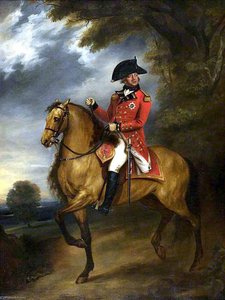
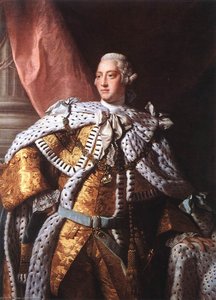
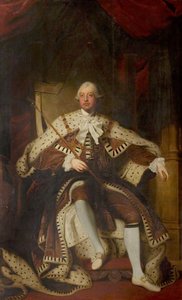
アーティストの略歴
ヨハン・ツォファニー:生涯と遺産
ヨハン・ツォファニー(Johannes Josephus Zaufallij、1733年フライブルク生まれ)は、主にイングランドとイタリアで名声を博した画家です。幼少期の詳細はほとんど不明ですが、若い頃から芸術的な訓練を受けていたことが知られています。彼は当初、メルヒオール・パウルス(Ellwangen)のもとに彫刻家として弟子入りし、その後、レーゲンスブルクのマルティン・シュペーアに師事しました。この基礎期間が、彼の将来のキャリアの礎を築きました。
イタリアとイングランドへの旅
1750年、ツォファニーはローマへ渡り、アゴスティーノ・マスッチの工房に入り、イタリアの芸術的伝統の中で技術を磨きました。その後、1760年にイングランドに移り住み、当初はスティーブン・リンボルトが作った時計のデザインを作成して生計を立てていました。この時期は転換点となり、ロンドンのアートシーンで人脈を築き始め、認められるようになりました。
王室の庇護と芸術的発展
ツォファニーはすぐにジョージ3世国王とシャーロット王妃の目に留まり、王室の favoured portraitist(お気に入りの肖像画家)となりました。彼はQueen Charlotte and Her Two Eldest Children (1765) のように、非公式な瞬間を捉える能力で、より形式的な宮廷画家とは一線を画しました。また、オーストリア皇室にも人気があり、1776年にはマリア・テレジア女帝から神聖ローマ帝国の男爵に叙任されました。
「会話の絵」の巨匠
ツォファニーは“conversation pieces”(会話の絵)または *conversazione*(懇親会)で知られるようになりました。これは、社交的な集まりを描いた非公式なグループ肖像画です。彼はこれらの場面における人物の個性と交流を捉えることに優れており、社会、演劇、文学の著名人がよく登場します。彼の作品The Cope Family (1775) はこのスタイルを代表しており、パトロンの生活の一端を垣間見ることができます。
主な業績と注目すべき作品
- ウフィツィ美術館(1772-1778):おそらく彼の最も有名な作品で、フィレンツェのウフィツィ美術館を細部まで丹念に描いたものです。
- Dr William Hunter Teaching Anatomy at the Royal Academy (1779):医学教育と科学的探求を描いた魅力的な作品です。
- George III (1771):国王の権力と優雅さを示す威厳のある肖像画です。
- Colonel Mordaunt's Cock Match (1784-1786):インド植民地時代の生活を鮮やかに描き、ユニークな文化的イベントをとらえています。
インドでの時代と晩年
1783年から1789年まで、ツォファニーはインドに滞在し、ウォーレン・ヘイスティングスやアサフ・ウッ=ダウラなどの著名人の肖像画を描きました。この地での経験は彼の芸術的スタイルと主題に影響を与えました。この時期の注目すべきエピソードとして、アンダマン諸島沖での難破船があり、生存者たちは生き残るために極端な手段をとらざるを得ませんでした。
影響と遺産
ツォファニーの作品は、ドイツの精密さとイタリアの芸術性という両方の影響を受けています。彼はアゴスティーノ・マスッチなどの画家から影響を受け、バロック様式からもインスピレーションを得ました。彼のスタイルは、同時代の人々や、肖像画と社会批評に関心のある後世のアーティストに影響を与えました。彼は芸術的伝統を架橋し、18世紀の芸術に永続的な足跡を残しました。
歴史的重要性
ヨハン・ツォファニーの絵画は、彼の時代の社会的慣習、知的生活、文化的価値に関する貴重な洞察を提供します。彼の“conversation pieces”(会話の絵)は、著名な個人とその世界を親密に描き出し、インドを描いた作品は植民地史の理解に貢献しています。彼は技術的なスキル、洞察力のある観察眼、そしてユニークな芸術的ビジョンで称賛され、美術史上重要な人物であり続けています。
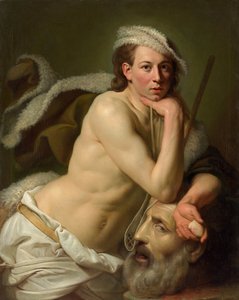
ヨハン・ツォファニー
1733 - 1810 , ドイツ
基本情報
- Artistic Movement Or Style: 新古典主義、写実主義
- Artists Who Influenced This Artist: ['アゴスティーノ・マスキ']
- Date Of Birth: 1733年
- Date Of Death: 1810年
- Full Name: ヨハン・ツォファニー
- Nationality: ドイツ人
- Notable Artworks (List Of Titles):
- ウフィツィ美術館のトリブーナ
- ウィリアム・ハンター博士
- Place Of Birth (City And Country): フランクフルト、ドイツ
関連記事

ジョルジュ・ブラック傑作25選:革新的なキュビスムの世界と装飾への誘い
ジョルジュ・ブラックの傑作25選。キュビスムを代表する画家、その革新的な色彩と技法に迫ります。名画から知られざる逸品まで、美術史に残る作品群をArtsDot.comで鑑賞。お部屋を彩るアートプリントも多数ご用意。今すぐオンラインでコレクションをご覧ください。

ジョルジュ・スーラ傑作25選:光と色彩の科学が織りなす芸術の世界|ArtsDot
ジョルジュ・スーラの傑作25選。点描画の光と色彩、印象派から新印象派へ—ArtsDotで美術史を紐解き、リビングやダイニングを彩る高品質なアートプリントを見つけましょう。セーラ作品集をオンラインで鑑賞ください。
Evolving Portraits: Personalized Art as a Chronicle of Family Life Across Generations
Create a timeless family legacy with custom portraits! ArtsDot connects you with skilled artists for heirloom-quality paintings & prints. Explore styles, commission your unique artwork today.
The Enduring Legacy of Family Portraiture: A Historical & Artistic Exploration
Explore the rich history of family portraiture with ArtsDot. Discover artistic styles, symbolism & collecting insights. Commission a custom oil painting or appraise your existing artwork today!
レガシーポートレートで家族の絆を永遠に:歴史と未来を結ぶアートの物語
レガシーポートレートで家族の絆を永遠に。ArtsDotは歴史と未来を結ぶ手描き油絵の専門家です。高品質・信頼性、30日返金保証付き。あなたの大切な瞬間を芸術へ変える価値ある選択です。

