

 プレビュー
プレビュー
 シェアする
シェアする シェアする
シェアする
 詳細を見る
詳細を見る

 ダウンロード
 似ている作品
 X線調査
X線調査 スライドショー
 統計情報
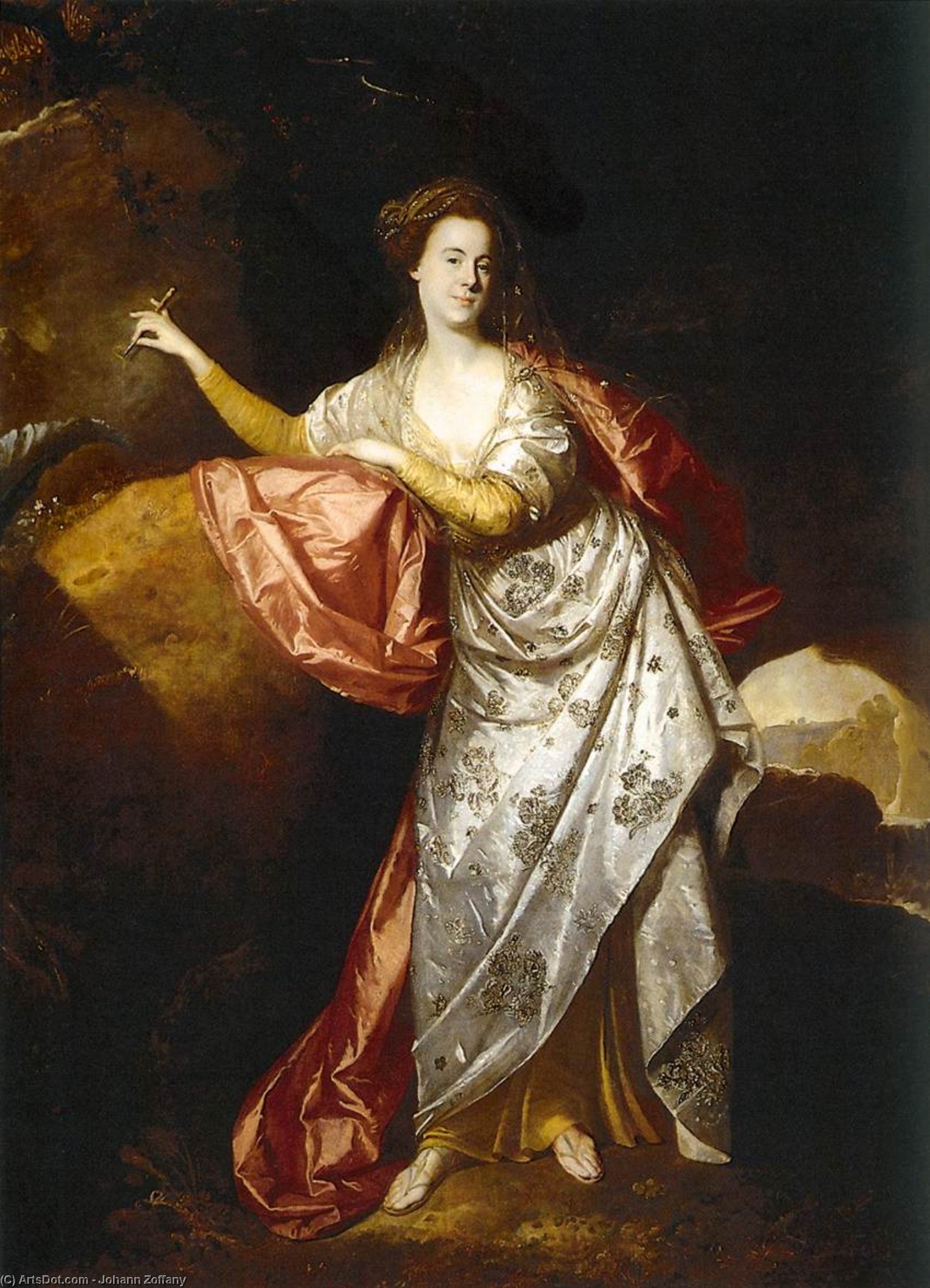
統計情報Portrait of Ann Brown in the Role of Miranda
 Oil On Canvas
- WallArt
- Neoclassical Style
 1770
1770 218.0 x 159.0 cm
 テイスセン・ボルネミスザ美術館
 詳細を見る
詳細を見る
オンラインプレビューをはるかに凌ぐ、高解像度で鮮明なデジタル画像をご購入いただけます。
各ファイルは、社内の専門家が高度なツールと熟練した手作業によるレタッチを用いて、細心の注意を払って準備されています。すべての画像において、卓越した鮮明度、正確な色彩再現性、そして繊細なディテールを保証いたします。
最終ファイルは、プロフェッショナルな編集・印刷環境ですぐにご利用いただけるよう最適化された状態で、72時間以内にメールにてお届けいたします。これは、一流のデザインスタジオ、出版社、ギャラリーから信頼されているものと同等の品質です。
デジタルアート
個人での鑑賞、印刷、クリエイティブなプロジェクト用に、高解像度ファイルをダウンロードできます。 ( プリント版に切り替え 手描きの絵画を購入)
デジタル画像のご注文に付随する特典
高品質なデジタル画像配信を、確かな品質で。
ArtsDot.com を選ぶことは、単に画像を手に入れることではありません。それは、プロの手によって精密に仕上げられ、満足保証が付いた高品質なデジタルアートワークを受け取ることを意味します。ご注文いただいた際に自動的に付随する内容は、以下の通りです:

メールですぐにお届け
ご注文から72時間以内に、高解像度のデジタル画像ファイルがメールでお手元に届きます。すぐにそのままご利用いただけます。

AI技術で最適化されたデジタルファイル
お客様の作品は、高度なAIツールと専門家による手作業の編集を組み合わせてプロフェッショナルに最適化されており、細部のディテール、鮮明さ、そして正確な色再現性を最大限に引き出しています。

一生涯無料の再送サービス
ファイルを誤って削除したり、紛失してしまったりしましたか?ご安心ください。いつでも無料で再送いたします。

輸入手数料は一切かかりません
関税や手数料、配送料を気にすることなく、お気に入りのアートワークをすぐにお楽しみいただけます。デジタルダウンロードは常に免税です。

色彩再現の保証
プロ仕様のツールとカラーマネジメント技術を用いることで、デジタル画像が元の色を最大限に忠実に再現することを保証いたします。

100日間満足保証
ご購入いただいたデジタル画像にご満足いただけない場合は、100日以内であれば、理由を問わず修正または100%の返金対応をさせていただきます。

100% 返金保証
ご満足いただけない場合は、デジタルファイルを受け取ってから100日以内であれば、理由を問わず全額返金いたします。

まとめ買い割引
3枚購入で10%OFF - 5枚購入で15%OFF - 10枚以上購入で20%OFF。クリエイティブなプロジェクト、ギャラリー、エージェンシーに最適です。
Johann Zoffany’s Capturing Georgian Society with Brushstrokes of Cosmopolitan Flair
Johann Zoffany (1733 – 1810), born Johannes Josephus Zaufallij in Frankfurt, Germany, stands as a pivotal figure in eighteenth-century European art. Primarily active in England and Italy, his legacy rests upon groundbreaking “conversation pieces”—genre paintings that meticulously documented social gatherings with an unprecedented level of realism and psychological depth. This remarkable portrait, titled *Portrait of Ann Brown in the Role of Miranda*, exemplifies Zoffany’s distinctive approach, cementing his place among the most influential artists of his era.The Subject: A Dramatic Encounter
The painting depicts Ann Brown (1748–1784), a celebrated actress and singer who graced Covent Garden stages during her illustrious career. Brown embodies Miranda from Shakespeare's *The Tempest*, skillfully portraying the character’s contemplative gaze and serene demeanor. Zoffany’s masterful composition captures this theatrical moment with remarkable precision, elevating it beyond mere likeness to convey an emotional resonance that speaks volumes about Georgian society’s fascination with performance and intellectual discourse. The sitter herself is positioned centrally within a dimly lit grotto, bathed in the ethereal glow of a single lantern—a deliberate choice designed to heighten dramatic tension and focus attention on Brown's expressive face.Style and Technique: Neo-Classical Precision
Zoffany’s artistic style aligns squarely with the burgeoning neoclassical movement, rejecting Rococo frivolity for an austere elegance rooted in classical ideals. He meticulously renders textures – from the velvety drapery of Brown’s gown to the rough stone surface of the grotto – utilizing oil paint on canvas with painstaking detail. The artist's technique is characterized by a masterful blending of light and shadow, creating a palpable sense of depth and atmosphere. Furthermore, Zoffany employed a revolutionary method known as “sfumato,” subtly blurring edges and contours to achieve an illusionistic effect that mimics the natural world—a technique particularly evident in the depiction of the rocky landscape behind Brown.Historical Context: Reflecting Georgian Values
The painting emerged during the reign of George III (1760–1820), a period marked by intellectual curiosity and aristocratic patronage. Conversation pieces like *Portrait of Ann Brown* served as status symbols, demonstrating an artist’s skill and reflecting the values of the elite—education, refinement, and engagement with literature and theater. Zoffany's commission underscores the importance placed on portraying individuals not merely physically but psychologically, capturing their inner thoughts and emotions within a carefully constructed visual narrative. The inclusion of two additional figures – likely Zoffany’s assistants – adds to the painting’s complexity and reinforces its role as a document of Georgian social life.Symbolism: Beyond Appearance
The grotto setting itself carries symbolic significance, representing seclusion and contemplation—qualities associated with Miranda's character in Shakespeare’s play. The lantern illuminates Brown’s face, symbolizing enlightenment and highlighting her inner serenity. Moreover, the gesture of scratching a heart onto the rock face is laden with romantic symbolism, signifying affection and devotion. Zoffany’s subtle artistic choices elevate the portrait beyond a simple depiction of an actress; they transform it into a meditation on human emotion and the pursuit of beauty—themes that resonate powerfully across centuries.Emotional Impact: A Moment Frozen in Time
Ultimately, *Portrait of Ann Brown in the Role of Miranda* succeeds in conveying a profound sense of intimacy and psychological realism. Zoffany captures Brown’s gaze with remarkable sensitivity, inviting viewers to contemplate her inner world alongside her outward appearance. The painting's luminous palette and masterful execution evoke a feeling of tranquility and sophistication—characteristics emblematic of Georgian culture. It remains a testament to Zoffany’s artistic genius and his ability to transform a theatrical performance into an enduring masterpiece.関連作品
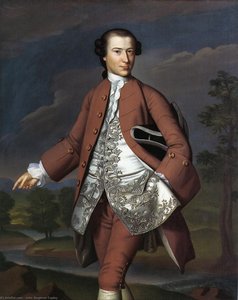
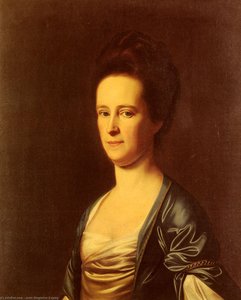
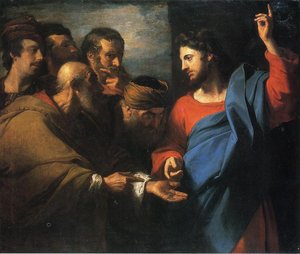
作家の略歴
ヨハン・ツォファニー:生涯と遺産
ヨハン・ツォファニー(Johannes Josephus Zaufallij、1733年フライブルク生まれ)は、主にイングランドとイタリアで名声を博した画家です。幼少期の詳細はほとんど不明ですが、若い頃から芸術的な訓練を受けていたことが知られています。彼は当初、メルヒオール・パウルス(Ellwangen)のもとに彫刻家として弟子入りし、その後、レーゲンスブルクのマルティン・シュペーアに師事しました。この基礎期間が、彼の将来のキャリアの礎を築きました。
イタリアとイングランドへの旅
1750年、ツォファニーはローマへ渡り、アゴスティーノ・マスッチの工房に入り、イタリアの芸術的伝統の中で技術を磨きました。その後、1760年にイングランドに移り住み、当初はスティーブン・リンボルトが作った時計のデザインを作成して生計を立てていました。この時期は転換点となり、ロンドンのアートシーンで人脈を築き始め、認められるようになりました。
王室の庇護と芸術的発展
ツォファニーはすぐにジョージ3世国王とシャーロット王妃の目に留まり、王室の favoured portraitist(お気に入りの肖像画家)となりました。彼はQueen Charlotte and Her Two Eldest Children (1765) のように、非公式な瞬間を捉える能力で、より形式的な宮廷画家とは一線を画しました。また、オーストリア皇室にも人気があり、1776年にはマリア・テレジア女帝から神聖ローマ帝国の男爵に叙任されました。
「会話の絵」の巨匠
ツォファニーは“conversation pieces”(会話の絵)または *conversazione*(懇親会)で知られるようになりました。これは、社交的な集まりを描いた非公式なグループ肖像画です。彼はこれらの場面における人物の個性と交流を捉えることに優れており、社会、演劇、文学の著名人がよく登場します。彼の作品The Cope Family (1775) はこのスタイルを代表しており、パトロンの生活の一端を垣間見ることができます。
主な業績と注目すべき作品
- ウフィツィ美術館(1772-1778):おそらく彼の最も有名な作品で、フィレンツェのウフィツィ美術館を細部まで丹念に描いたものです。
- Dr William Hunter Teaching Anatomy at the Royal Academy (1779):医学教育と科学的探求を描いた魅力的な作品です。
- George III (1771):国王の権力と優雅さを示す威厳のある肖像画です。
- Colonel Mordaunt's Cock Match (1784-1786):インド植民地時代の生活を鮮やかに描き、ユニークな文化的イベントをとらえています。
インドでの時代と晩年
1783年から1789年まで、ツォファニーはインドに滞在し、ウォーレン・ヘイスティングスやアサフ・ウッ=ダウラなどの著名人の肖像画を描きました。この地での経験は彼の芸術的スタイルと主題に影響を与えました。この時期の注目すべきエピソードとして、アンダマン諸島沖での難破船があり、生存者たちは生き残るために極端な手段をとらざるを得ませんでした。
影響と遺産
ツォファニーの作品は、ドイツの精密さとイタリアの芸術性という両方の影響を受けています。彼はアゴスティーノ・マスッチなどの画家から影響を受け、バロック様式からもインスピレーションを得ました。彼のスタイルは、同時代の人々や、肖像画と社会批評に関心のある後世のアーティストに影響を与えました。彼は芸術的伝統を架橋し、18世紀の芸術に永続的な足跡を残しました。
歴史的重要性
ヨハン・ツォファニーの絵画は、彼の時代の社会的慣習、知的生活、文化的価値に関する貴重な洞察を提供します。彼の“conversation pieces”(会話の絵)は、著名な個人とその世界を親密に描き出し、インドを描いた作品は植民地史の理解に貢献しています。彼は技術的なスキル、洞察力のある観察眼、そしてユニークな芸術的ビジョンで称賛され、美術史上重要な人物であり続けています。
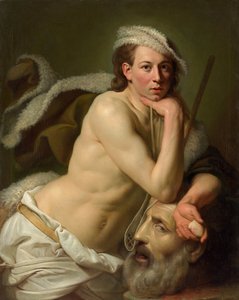
ヨハン・ツォファニー
1733 - 1810 , ドイツ
プロフィール概要
- Artistic Movement Or Style: 新古典主義、写実主義
- Artists Who Influenced This Artist: ['アゴスティーノ・マスキ']
- Date Of Birth: 1733年
- Date Of Death: 1810年
- Full Name: ヨハン・ツォファニー
- Nationality: ドイツ人
- Notable Artworks (List Of Titles):
- ウフィツィ美術館のトリブーナ
- ウィリアム・ハンター博士
- Place Of Birth (City And Country): フランクフルト、ドイツ