

 プレビュー
プレビュー
 プリントを購入
 シェアする
シェアする シェアする
シェアする
 詳細を見る
詳細を見る

 ダウンロード
 似ている作品
 X線調査
X線調査 スライドショー
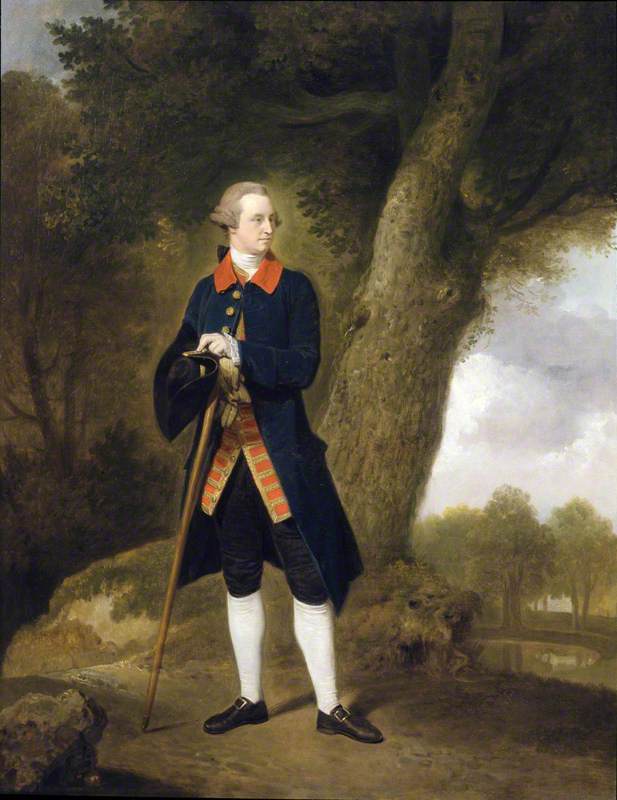
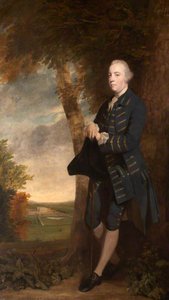
The Honourable George de la Poer Beresford (1735–1800), 2nd Earl of Tyrone, Later 1st Marquis of Waterford
 Acrylic On Canvas
- WallArt
- Baroque
 1780
1780 91.0 x 71.0 cm
 National Trust
 詳細を見る
詳細を見る




P118B $10

P118H $10

P118W $10

P438Z $10

P508JH $12

P508YH $12

P805H $10

P805Z $10

P919BZ $10

P919G $10

P919XJ $10

P959ZH $10

P968JZ $12

W106C $8

W218G $10

W218JH $8

W218Y $10

W307PJ $10

W316G $10

W316PJ $8

W316Y $10

W398PJ $8

W4111J $10

W500HY $15

W500JH $15

W692G $12

W849H $8

W940BG $15

W953PJ $8




作品のオリジナル比率に合わせた、当店の規定サイズからお選びください。

特定のフレームやスペースに合わせて、ご希望のサイズをご入力いただけます。選択されたサイズが元の画像の比率と異なる場合、アートワークをトリミングするか、手描きで要素を追加して絵画を拡張いたします。デジタルモックアップ を制作し、制作開始前にご確認(承認)をいただきます。
画面上のプレビューは、実際のトリミングや拡張を正確に反映しているものではありません。最終的な構図は、モックアップによってのみ正確にご確認いただけます。
カスタムサイズもご利用いただけますが、元の比率を維持するためには、あらかじめ用意されたリストからサイズを選択することをお勧めいたします。
ご注文後、ArtsDot.com チームより詳細な指示をお送りするとともに、仕上がりイメージ(モックアップ)をご提供いたします。


 ガラスオプションは、110cm未満のサイズでのみご利用いただけます。

The Honourable George de la Poer Beresford (1735–1800), 2nd Earl of Tyrone, Later 1st Marquis of Waterford
複製技法
複製画のサイズ
-


合計金額
$ 263
A Window Into Georgian Society: Johann Zoffany’s “The Honourable George de la Poer Beresford”
Johann Zoffany's "The Honourable George de la Poer Beresford," completed around 1780, stands as a quintessential example of the English *conversation piece*, capturing not merely a likeness but an entire social milieu. More than just a portrait, it’s a meticulously crafted tableau that speaks volumes about Georgian England – its intellectual curiosity, aristocratic ambition, and burgeoning fascination with scientific observation. Commissioned by George III and Queen Charlotte, Zoffany skillfully blended artistic convention with psychological realism to create an image that continues to intrigue viewers today.- Subject Matter: The painting depicts George de la Poer Beresford, the 2nd Earl of Tyrone, alongside his family – including his wife, Lady Mary Wortley Montagu (a celebrated traveler and writer), their eldest son, William Bertie Beresford, and several prominent guests from London’s scientific and literary circles. This deliberate inclusion wasn't accidental; Zoffany aimed to portray a scene of intellectual discourse and social prestige.
- Style: Zoffany adhered to the Baroque tradition, favoring dramatic lighting and carefully arranged poses to convey emotion and hierarchy. However, unlike many court painters of his time who prioritized idealized representations, Zoffany captured a moment of genuine interaction—a lively discussion about anatomy, overseen by Dr William Hunter, demonstrating the importance of scientific advancement during the era.
- Technique: Executed in oil on canvas, Zoffany employed painstaking detail and subtle shading to achieve remarkable realism. He meticulously studied cadavers for anatomical accuracy, reflecting the prevailing interest in scientific inquiry. The artist’s masterful brushwork contributes to the painting's luminous quality and enhances its expressive power.
Symbolism and Context: Beyond Appearance
The setting itself—the Uffizi Gallery in Florence—holds symbolic significance. Zoffany chose this location not merely as a backdrop but as an emblem of European intellectual culture, mirroring the aspirations of the British monarchy to emulate the glories of Rome. The inclusion of Dr Hunter’s anatomical demonstration underscores the Enlightenment's emphasis on reason and observation – a stark contrast to more formal portraiture conventions. Furthermore, Lady Mary Wortley Montagu’s presence represents the burgeoning role of women in intellectual pursuits, challenging societal expectations.- Florence: The Uffizi Gallery symbolized enlightenment ideals and artistic excellence, mirroring Zoffany's patrons' ambitions for prestige and cultural sophistication.
- Dr Hunter & Anatomy: The anatomical dissection scene highlighted the importance of scientific understanding during the Enlightenment, demonstrating a shift away from purely aesthetic considerations.
- Lady Mary Wortley Montagu: Her inclusion challenged societal norms regarding women’s education and participation in intellectual life.
Emotional Impact and Legacy
“The Honourable George de la Poer Beresford” transcends a simple depiction of individuals; it captures the spirit of an era—a moment of intellectual excitement and social ambition. Zoffany's ability to convey emotion through subtle facial expressions and body language is remarkable, inviting viewers to contemplate not only the subjects themselves but also their relationships and aspirations. The painting’s enduring popularity testifies to its artistic merit and its capacity to resonate across centuries, reminding us of the power of art to illuminate both individual psychology and broader cultural trends. Its influence can be seen in subsequent portraiture styles, cementing Zoffany's place as a pioneer of psychological realism within the Baroque tradition.A Masterpiece Revisited: Reproduction Considerations
Today, reproductions of “The Honourable George de la Poer Beresford” are available through ArtsDot.com and other platforms offering high-quality prints that faithfully capture Zoffany’s artistic vision. Selecting a dimension from the predefined list ensures preservation of original proportions, guaranteeing an authentic representation of this iconic artwork. Delivery in less than 3 weeks instead of standard 4/5 weeks guarantees quality without compromise.関連作品
アーティストの略歴
ヨハン・ツォファニー:生涯と遺産
ヨハン・ツォファニー(Johannes Josephus Zaufallij、1733年フライブルク生まれ)は、主にイングランドとイタリアで名声を博した画家です。幼少期の詳細はほとんど不明ですが、若い頃から芸術的な訓練を受けていたことが知られています。彼は当初、メルヒオール・パウルス(Ellwangen)のもとに彫刻家として弟子入りし、その後、レーゲンスブルクのマルティン・シュペーアに師事しました。この基礎期間が、彼の将来のキャリアの礎を築きました。
イタリアとイングランドへの旅
1750年、ツォファニーはローマへ渡り、アゴスティーノ・マスッチの工房に入り、イタリアの芸術的伝統の中で技術を磨きました。その後、1760年にイングランドに移り住み、当初はスティーブン・リンボルトが作った時計のデザインを作成して生計を立てていました。この時期は転換点となり、ロンドンのアートシーンで人脈を築き始め、認められるようになりました。
王室の庇護と芸術的発展
ツォファニーはすぐにジョージ3世国王とシャーロット王妃の目に留まり、王室の favoured portraitist(お気に入りの肖像画家)となりました。彼はQueen Charlotte and Her Two Eldest Children (1765) のように、非公式な瞬間を捉える能力で、より形式的な宮廷画家とは一線を画しました。また、オーストリア皇室にも人気があり、1776年にはマリア・テレジア女帝から神聖ローマ帝国の男爵に叙任されました。
「会話の絵」の巨匠
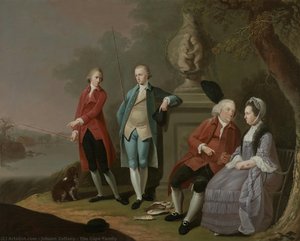
ツォファニーは“conversation pieces”(会話の絵)または *conversazione*(懇親会)で知られるようになりました。これは、社交的な集まりを描いた非公式なグループ肖像画です。彼はこれらの場面における人物の個性と交流を捉えることに優れており、社会、演劇、文学の著名人がよく登場します。彼の作品The Cope Family (1775) はこのスタイルを代表しており、パトロンの生活の一端を垣間見ることができます。
主な業績と注目すべき作品
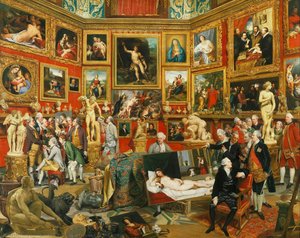
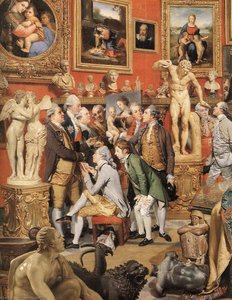
- ウフィツィ美術館(1772-1778):おそらく彼の最も有名な作品で、フィレンツェのウフィツィ美術館を細部まで丹念に描いたものです。
- Dr William Hunter Teaching Anatomy at the Royal Academy (1779):医学教育と科学的探求を描いた魅力的な作品です。
- George III (1771):国王の権力と優雅さを示す威厳のある肖像画です。
- Colonel Mordaunt's Cock Match (1784-1786):インド植民地時代の生活を鮮やかに描き、ユニークな文化的イベントをとらえています。
インドでの時代と晩年
1783年から1789年まで、ツォファニーはインドに滞在し、ウォーレン・ヘイスティングスやアサフ・ウッ=ダウラなどの著名人の肖像画を描きました。この地での経験は彼の芸術的スタイルと主題に影響を与えました。この時期の注目すべきエピソードとして、アンダマン諸島沖での難破船があり、生存者たちは生き残るために極端な手段をとらざるを得ませんでした。
影響と遺産
ツォファニーの作品は、ドイツの精密さとイタリアの芸術性という両方の影響を受けています。彼はアゴスティーノ・マスッチなどの画家から影響を受け、バロック様式からもインスピレーションを得ました。彼のスタイルは、同時代の人々や、肖像画と社会批評に関心のある後世のアーティストに影響を与えました。彼は芸術的伝統を架橋し、18世紀の芸術に永続的な足跡を残しました。
歴史的重要性
ヨハン・ツォファニーの絵画は、彼の時代の社会的慣習、知的生活、文化的価値に関する貴重な洞察を提供します。彼の“conversation pieces”(会話の絵)は、著名な個人とその世界を親密に描き出し、インドを描いた作品は植民地史の理解に貢献しています。彼は技術的なスキル、洞察力のある観察眼、そしてユニークな芸術的ビジョンで称賛され、美術史上重要な人物であり続けています。
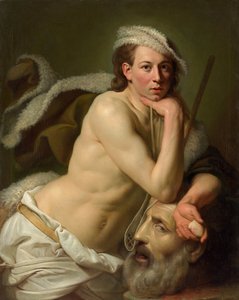
ヨハン・ツォファニー
1733 - 1810 , ドイツ
基本情報
- Artistic Movement Or Style: 新古典主義、写実主義
- Artists Who Influenced This Artist: ['アゴスティーノ・マスキ']
- Date Of Birth: 1733年
- Date Of Death: 1810年
- Full Name: ヨハン・ツォファニー
- Nationality: ドイツ人
- Notable Artworks (List Of Titles):
- ウフィツィ美術館のトリブーナ
- ウィリアム・ハンター博士
- Place Of Birth (City And Country): フランクフルト、ドイツ
関連記事

ジョルジュ・ブラック傑作25選:革新的なキュビスムの世界と装飾への誘い
ジョルジュ・ブラックの傑作25選。キュビスムを代表する画家、その革新的な色彩と技法に迫ります。名画から知られざる逸品まで、美術史に残る作品群をArtsDot.comで鑑賞。お部屋を彩るアートプリントも多数ご用意。今すぐオンラインでコレクションをご覧ください。

ジョルジュ・スーラ傑作25選:光と色彩の科学が織りなす芸術の世界|ArtsDot
ジョルジュ・スーラの傑作25選。点描画の光と色彩、印象派から新印象派へ—ArtsDotで美術史を紐解き、リビングやダイニングを彩る高品質なアートプリントを見つけましょう。セーラ作品集をオンラインで鑑賞ください。
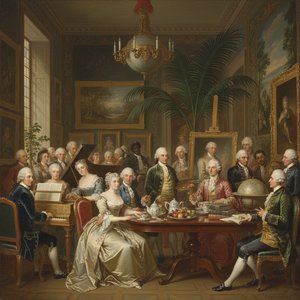
Johann Zoffany: Capturing Georgian Society with Brushstrokes of Cosmopolitan Flair
Explore the captivating world of Johann Zoffany, master portraitist of Georgian society. Discover his unique 'conversation pieces,' imperial commissions & lasting legacy. A guide for discerning collectors.
18th Century Masters: 10 Artworks That Define an Era | ArtsDot
Journey through 18th century art! Explore 10 iconic paintings – from Rococo elegance to Neoclassical grandeur. Discover Fragonard, David & more. Find museum-quality reproductions and elevate your home decor on ArtsDot.com.
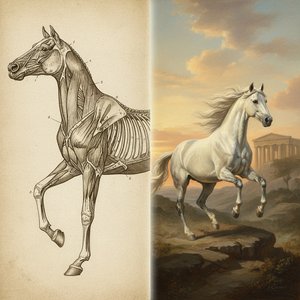
George Stubbs: Anatomical Precision & Romantic Vision in 18th-Century British Art
Explore the captivating world of George Stubbs, the 18th-century master renowned for his anatomical precision & Romantic animal paintings. Discover his legacy and investment potential.

