

 プレビュー
プレビュー
 シェアする
シェアする シェアする
シェアする
 詳細を見る
詳細を見る

 ダウンロード
 似ている作品
 X線調査
X線調査 スライドショー
 統計情報
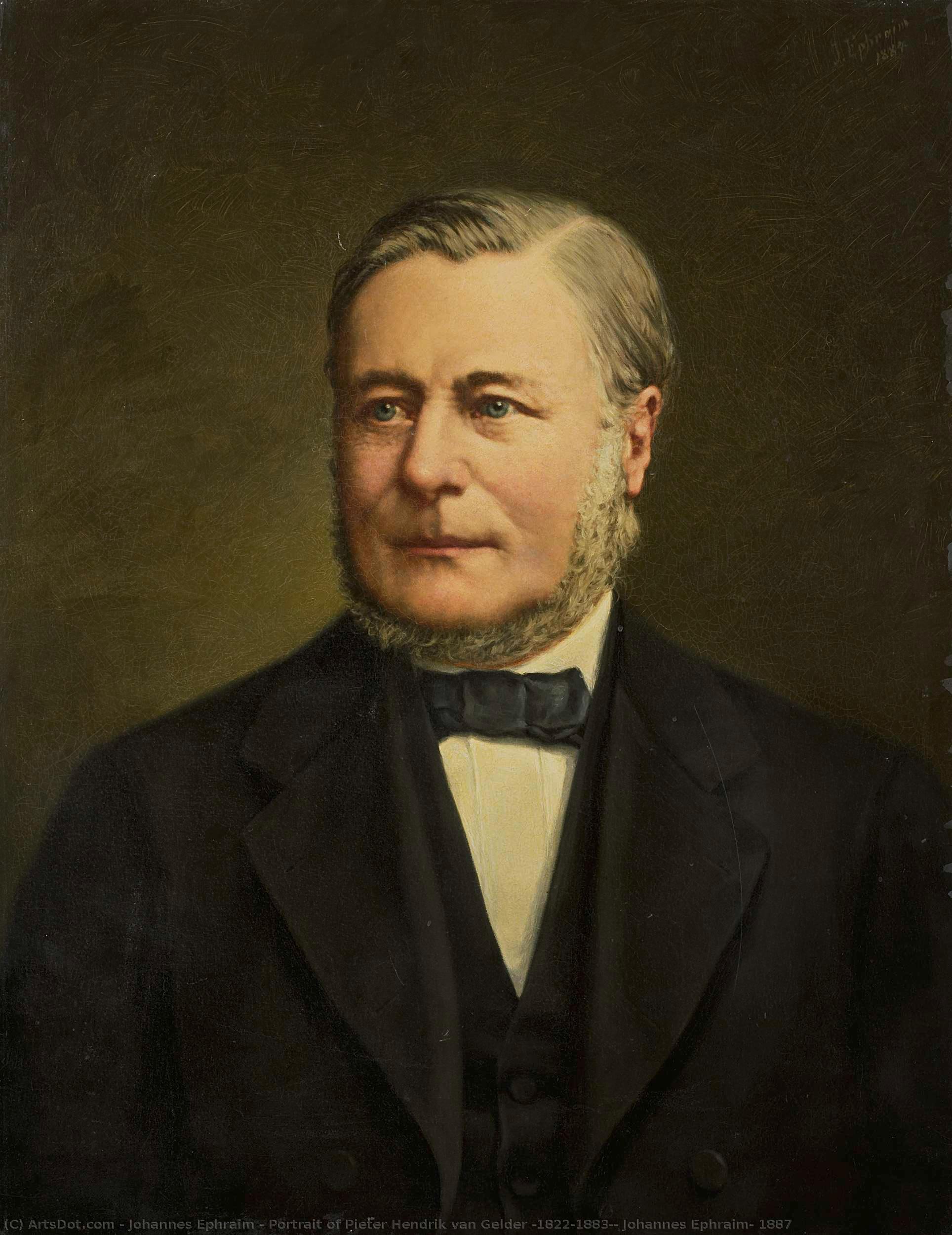
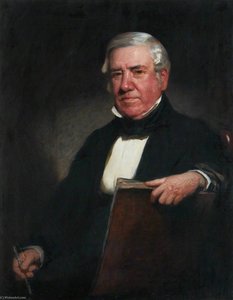
統計情報Portrait of Pieter Hendrik van Gelder (1822-1883), Johannes Ephraim, 1887
 Academic/Neoclassical
 1887
1887 67.0 x 52.0 cm
 詳細を見る
詳細を見る
ジークレー/アートプリント
迅速な制作と多彩な仕上げオプションを備えた、ミュージアムクオリティのジークレーまたはキャンバスプリント。 ( 手描きの絵画を購入 デジタル画像販売へ切り替え)




P118B $10

P118H $10

P118W $10

P438Z $10

P508JH $12

P508YH $12

P805H $10

P805Z $10

P919BZ $10

P919G $10

P919XJ $10

P959ZH $10

P968JZ $12

W106C $8

W218G $10

W218JH $8

W218Y $10

W307PJ $10

W316G $10

W316PJ $8

W316Y $10

W398PJ $8

W4111J $10

W500HY $15

W500JH $15

W692G $12

W849H $8

W940BG $15

W953PJ $8




作品のオリジナル比率に合わせた、当店の規定サイズからお選びください。

特定のフレームやスペースに合わせて、ご自身でサイズを指定することも可能です。選択されたサイズが元の画像の比率と一致しない場合、作品をトリミングするか、鏡面反射または単色での塗りつぶしによって画像を拡張いたします。制作を開始する前に、ご確認用のデジタルモックアップをお送りいたします。
画面上のプレビューには、実際のトリミングや拡張は反映されませんのでご注意ください。最終的な構図を正確に確認できるのは、モックアップのみとなります。
カスタムサイズも承っておりますが、元の比率を維持するためには、あらかじめ用意されたリストからサイズを選択することをお勧めいたします。


 ガラスオプションは、110cm未満のサイズでのみご利用いただけます。

Portrait of Pieter Hendrik van Gelder (1822-1883), Johannes Ephraim, 1887
ジークレー/アートプリント
複製画のサイズ
-


合計金額
$ 62
関連作品
アーティストの略歴
A Master of Dignified Portraiture: The World of Johannes Ephraim
Johannes Ephraim, a name perhaps less celebrated than some of his contemporaries, nevertheless occupies a significant place in the tradition of 19th-century portrait painting. While biographical details remain scarce – he is currently listed as living, with limited publicly available information regarding his early life and formal training – his surviving works speak volumes about his skill and sensitivity as an artist. Ephraim’s oeuvre centers primarily on portraits, executed with a remarkable degree of technical precision and psychological insight. He demonstrates a particular talent for capturing the character and status of his sitters, imbuing each canvas with a sense of quiet dignity and refined presence.Technical Prowess and Artistic Style
Ephraim’s style is characterized by meticulous realism, reminiscent of the Dutch Masters who preceded him. He clearly possessed an exceptional ability to render textures – from the sheen of fabric to the subtle nuances of skin tone – with astonishing accuracy. His brushwork, while detailed, avoids excessive fussiness; instead, it serves to build form and create a convincing illusion of three-dimensionality. The portrait of Pieter Hendrik van Gelder (1887) exemplifies this approach beautifully. Van Gelder’s gaze is direct and engaging, his features carefully modeled to convey intelligence and gravitas. The composition focuses intently on the bust, eliminating distracting background elements and emphasizing the sitter's personality. This focus on the individual, combined with a restrained palette and masterful handling of light and shadow, defines Ephraim’s artistic signature.Commissioned Works and Patronage
The available evidence suggests that Ephraim primarily worked on commission, catering to a clientele who valued realistic and dignified representations of themselves or their loved ones. The portrait of Van Gelder is indicative of this practice; it's likely he was sought after by individuals wishing to preserve their likeness for posterity – or perhaps to commemorate a position of social standing. While the specifics of his patronage network remain unknown, the quality of his work suggests connections with affluent and discerning members of society. The fact that ArtsDot.com offers hand-painted reproductions of his pieces indicates a continued appreciation for his skill among art enthusiasts today.Historical Context and Legacy
Ephraim’s career unfolded during a period of significant artistic change, bridging the gap between Neoclassicism and emerging Impressionistic styles. While he did not fully embrace the radical innovations of the latter movement, his commitment to realism and psychological depth aligns with broader trends in 19th-century portraiture. Artists like Ingres and Courbet were redefining the genre during this time, emphasizing both accurate representation and social commentary. Though Ephraim’s work doesn't exhibit overt political or ideological statements, it reflects a similar desire to capture the essence of modern life – specifically, the individuals who shaped it. His legacy lies in his ability to create portraits that are not merely likenesses but enduring testaments to human character and dignity.Further Exploration
- Portraiture as Historical Record: Ephraim’s work provides valuable insights into the social conventions and aesthetic preferences of the late 19th century.
- The Dutch Influence: Further research into his potential training and artistic influences may reveal connections to earlier traditions of Dutch realism.
- Commissioned Art & Society: Exploring the lives of Ephraim’s sitters could shed light on the broader social context in which his art was created.
関連記事

The Enduring Form: Sculpture Across History, Technique & Emotional Resonance
Explore the rich history of sculpture with ArtsDot. Discover key techniques, influential artists & investment potential for discerning collectors. Expert insights into valuing and collecting timeless masterpieces.

Bronze Sculptures That Defined Art History | ArtsDot
Journey through art history with our Top 10 bronze sculptures! Explore masterpieces by Rodin, Michelangelo & more. Discover stories behind iconic statues and find museum-quality reproductions for your home decor at ArtsDot.com.

黄金世紀の巨匠たち:バロック絵画が彩る10選|ArtsDot
オランダ黄金時代の10大傑作を紐解く!レンブラント、フェルメール…バロック絵画の魅力と時代背景を深く探求。ArtsDotで、至高のアートコレクションと空間演出のヒントを見つけよう。高品質なアートプリントで、お部屋を華やかに。

The Enduring Form: Exploring Themes & Techniques in Sculpture Across Historical Periods
Explore the rich history of sculpture from ancient masterpieces to contemporary innovations. Discover key techniques, influential artists & investment potential for discerning art collectors.

Bronze Age to Modern Masters: 10 Sculptures That Redefined Art | ArtsDot
Journey through art history with 10 legendary bronze sculptures – from Michelangelo's David to Rodin’s Thinker. Explore the stories, techniques & timeless beauty of these masterpieces. Find museum-quality reproductions & elevate your home decor on ArtsDot.com.