


 プレビュー
プレビュー
 プリントを購入
 シェアする
シェアする シェアする
シェアする
 詳細を見る
詳細を見る

 ダウンロード
 似ている作品
 X線調査
X線調査 スライドショー
A winterlandscape with peasants near a windmill
 詳細を見る
詳細を見る
オンラインプレビューをはるかに凌ぐ、高解像度で鮮明なデジタル画像をご購入いただけます。
各ファイルは、社内の専門家が高度なツールと熟練した手作業によるレタッチを用いて、細心の注意を払って準備されています。すべての画像において、卓越した鮮明度、正確な色彩再現性、そして繊細なディテールを保証いたします。
最終ファイルは、プロフェッショナルな編集・印刷環境ですぐにご利用いただけるよう最適化された状態で、72時間以内にメールにてお届けいたします。これは、一流のデザインスタジオ、出版社、ギャラリーから信頼されているものと同等の品質です。
デジタル画像のご注文に付随する特典
高品質なデジタル画像配信を、確かな品質で。
ArtsDot.com を選ぶことは、単に画像を手に入れることではありません。それは、プロの手によって精密に仕上げられ、満足保証が付いた高品質なデジタルアートワークを受け取ることを意味します。ご注文いただいた際に自動的に付随する内容は、以下の通りです:

メールですぐにお届け
ご注文から72時間以内に、高解像度のデジタル画像ファイルがメールでお手元に届きます。すぐにそのままご利用いただけます。

AI技術で最適化されたデジタルファイル
お客様の作品は、高度なAIツールと専門家による手作業の編集を組み合わせてプロフェッショナルに最適化されており、細部のディテール、鮮明さ、そして正確な色再現性を最大限に引き出しています。

一生涯無料の再送サービス
ファイルを誤って削除したり、紛失してしまったりしましたか?ご安心ください。いつでも無料で再送いたします。

輸入手数料は一切かかりません
関税や手数料、配送料を気にすることなく、お気に入りのアートワークをすぐにお楽しみいただけます。デジタルダウンロードは常に免税です。

色彩再現の保証
プロ仕様のツールとカラーマネジメント技術を用いることで、デジタル画像が元の色を最大限に忠実に再現することを保証いたします。

60日間満足保証
ご購入いただいたデジタル画像にご満足いただけない場合は、60日以内であれば、修正または100%の返金(理由を問う必要はありません)をさせていただきます。

100% 返金保証
ご満足いただけない場合は、デジタルファイルを受け取ってから60日以内であれば、理由を問わず全額返金いたします。

まとめ買い割引
3枚購入で10%OFF - 5枚購入で15%OFF - 10枚以上購入で20%OFF。クリエイティブなプロジェクト、ギャラリー、エージェンシーに最適です。
関連作品
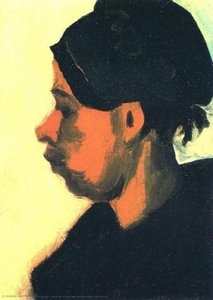
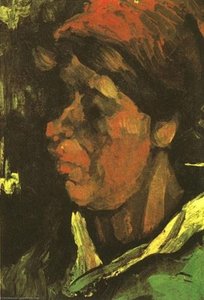
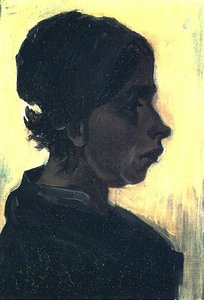
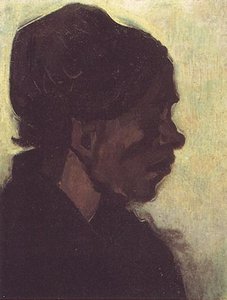
作家の略歴
A Quiet Observer of the Dutch Landscape: The Life and Art of Johannes Franciscus Hoppenbrouwers
Johannes Franciscus Hoppenbrouwers, a name perhaps less celebrated than some of his Dutch Romantic contemporaries, nevertheless occupies a significant place in the pantheon of 19th-century landscape painting. Born in 1819 in the Netherlands, Hoppenbrouwers dedicated his life to capturing the subtle beauty and melancholic atmosphere of his homeland’s countryside. While biographical details remain somewhat sparse, the enduring quality of his work speaks volumes about a keen eye for detail, a sensitive understanding of light, and a profound connection to the natural world. He wasn't a painter of grand historical narratives or dramatic allegories; instead, Hoppenbrouwers found poetry in the everyday—in frozen dykes, windswept dunes, and the quiet labors of rural life. His paintings offer a glimpse into a Netherlands undergoing change, yet steadfastly rooted in its traditions.Early Influences and Artistic Development
Hoppenbrouwers’ artistic journey unfolded during a period when Romanticism was flourishing across Europe. Though not directly associated with any specific school or movement, his work clearly reflects the Romantic sensibility—a fascination with nature's power, an emphasis on emotion and atmosphere, and a tendency towards introspection. The Dutch landscape tradition itself provided a strong foundation for his development. Artists like Jacob van Ruisdael and Jan van Goyen, masters of depicting cloudscapes and expansive vistas, likely served as early inspirations. However, Hoppenbrouwers distinguished himself through a more subdued palette and a focus on winter scenes—a subject matter that allowed him to explore the nuances of light and shadow in a particularly evocative way. His initial works demonstrate a careful study of realism, but he gradually moved towards a looser brushstroke and a greater emphasis on capturing the *feeling* of a place rather than its precise topographical details.Themes and Techniques: A World Shrouded in Winter
The defining characteristic of Hoppenbrouwers’ oeuvre is undoubtedly his depiction of winter landscapes. These are not merely representations of snow-covered fields; they are imbued with a sense of stillness, solitude, and quiet contemplation. Frozen dykes, often featuring solitary figures skating or walking across the ice, became a recurring motif. He masterfully rendered the textures of ice and snow, capturing their crystalline quality and subtle variations in tone. Beyond winter scenes, Hoppenbrouwers also painted dune landscapes—evocative depictions of the Dutch coastline with its shifting sands and windswept grasses. His technique is characterized by a delicate layering of paint, creating a soft, atmospheric effect. He employed a muted palette dominated by grays, browns, and blues, which further enhances the sense of melancholy and introspection that pervades his work. Light plays a crucial role in his paintings—often diffused and ethereal, it bathes the landscapes in a gentle glow, highlighting the beauty of even the most desolate scenes.Major Achievements and Lasting Legacy
While Hoppenbrouwers may not have achieved widespread fame during his lifetime, his work has garnered increasing recognition in recent years. Paintings such as “View in the Dunes” (1855) and “A Man Skating on a Frozen Dyke, Passing a Bridge” are particularly admired for their atmospheric quality and technical skill. His ability to capture the essence of the Dutch landscape—its quiet beauty, its subtle variations in light and shadow—sets him apart from his contemporaries. Hoppenbrouwers’ paintings offer a valuable glimpse into 19th-century rural life in the Netherlands, providing a counterpoint to more dramatic or idealized depictions of the countryside. His work continues to resonate with viewers today, offering a moment of quiet contemplation in an increasingly fast-paced world.- Masterful depiction of winter landscapes.
- Sensitive use of light and shadow.
- Evocative portrayal of Dutch rural life.
Historical Significance and Continued Appreciation
Johannes Franciscus Hoppenbrouwers’ historical significance lies in his ability to capture a specific moment in time—a Netherlands poised between tradition and modernity. His paintings are not simply landscapes; they are reflections of a changing society, imbued with a sense of nostalgia and quiet beauty. He represents a strand of Dutch Romanticism that prioritized observation and emotional resonance over grand narratives or dramatic spectacle. Today, his work is appreciated for its technical skill, atmospheric quality, and ability to evoke a sense of place. As interest in 19th-century landscape painting continues to grow, Hoppenbrouwers’ contribution to the art world is sure to be further recognized and celebrated—a testament to the enduring power of quiet observation and artistic sensitivity.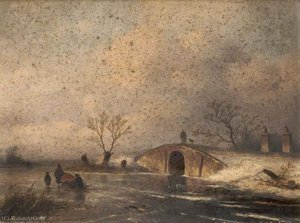
johannes franciscus hoppenbrouwers
1819 - 1866 , Netherlands
プロフィール概要
- Artistic Movement Or Style: Romantic Painting
- Artists Who Influenced This Artist: ['Andreas Schelfhout']
- Date Of Birth: 1819
- Date Of Death: 1866
- Full Name: Johannes Franciscus Hoppenbrouwers
- Nationality: Dutch
- Notable Artworks:
- View in the Dunes
- A Winter Landscape
- Man Skating on Dyke
- Place Of Birth: The Hague, Netherlands

