

 プレビュー
プレビュー
 プリントを購入
 シェアする
シェアする シェアする
シェアする
 詳細を見る
詳細を見る

 ダウンロード
 似ている作品
 X線調査
X線調査 スライドショー
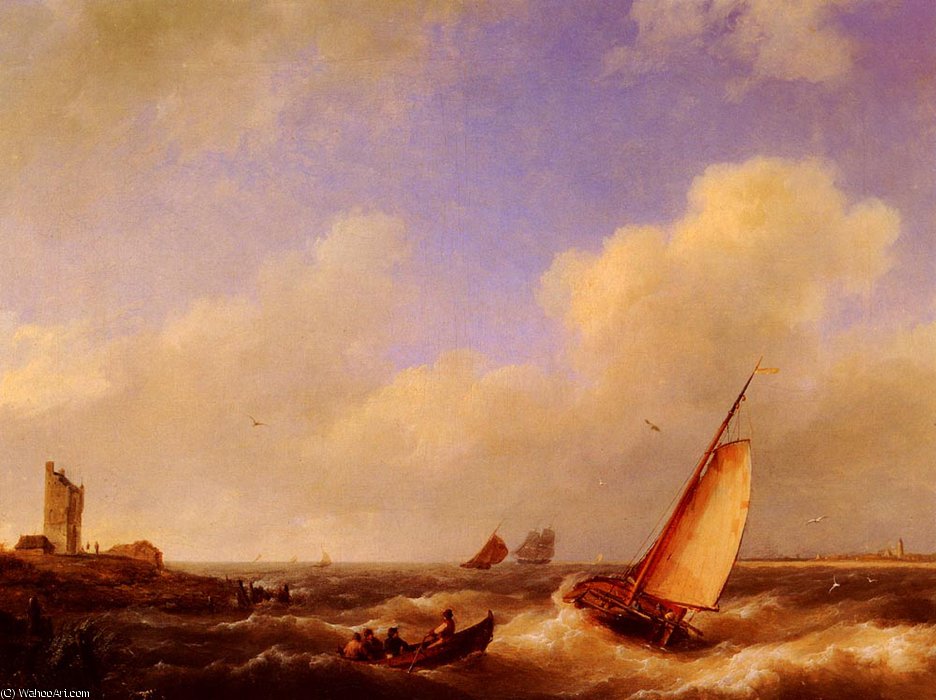
The scheldt river at flessinghe

 詳細を見る
詳細を見る
オンラインプレビューをはるかに凌ぐ、高解像度で鮮明なデジタル画像をご購入いただけます。
各ファイルは、社内の専門家が高度なツールと熟練した手作業によるレタッチを用いて、細心の注意を払って準備されています。すべての画像において、卓越した鮮明度、正確な色彩再現性、そして繊細なディテールを保証いたします。
最終ファイルは、プロフェッショナルな編集・印刷環境ですぐにご利用いただけるよう最適化された状態で、72時間以内にメールにてお届けいたします。これは、一流のデザインスタジオ、出版社、ギャラリーから信頼されているものと同等の品質です。
デジタル画像のご注文に付随する特典
高品質なデジタル画像配信を、確かな品質で。
ArtsDot.com を選ぶことは、単に画像を手に入れることではありません。それは、プロの手によって精密に仕上げられ、満足保証が付いた高品質なデジタルアートワークを受け取ることを意味します。ご注文いただいた際に自動的に付随する内容は、以下の通りです:

メールですぐにお届け
ご注文から72時間以内に、高解像度のデジタル画像ファイルがメールでお手元に届きます。すぐにそのままご利用いただけます。

AI技術で最適化されたデジタルファイル
お客様の作品は、高度なAIツールと専門家による手作業の編集を組み合わせてプロフェッショナルに最適化されており、細部のディテール、鮮明さ、そして正確な色再現性を最大限に引き出しています。

一生涯無料の再送サービス
ファイルを誤って削除したり、紛失してしまったりしましたか?ご安心ください。いつでも無料で再送いたします。

輸入手数料は一切かかりません
関税や手数料、配送料を気にすることなく、お気に入りのアートワークをすぐにお楽しみいただけます。デジタルダウンロードは常に免税です。

色彩再現の保証
プロ仕様のツールとカラーマネジメント技術を用いることで、デジタル画像が元の色を最大限に忠実に再現することを保証いたします。

60日間満足保証
ご購入いただいたデジタル画像にご満足いただけない場合は、60日以内であれば、修正または100%の返金(理由を問う必要はありません)をさせていただきます。

100% 返金保証
ご満足いただけない場合は、デジタルファイルを受け取ってから60日以内であれば、理由を問わず全額返金いたします。

まとめ買い割引
3枚購入で10%OFF - 5枚購入で15%OFF - 10枚以上購入で20%OFF。クリエイティブなプロジェクト、ギャラリー、エージェンシーに最適です。
関連作品
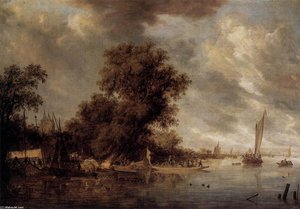
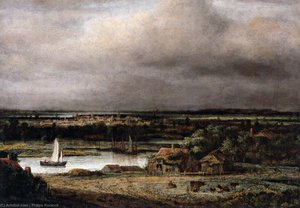
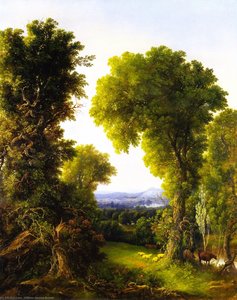
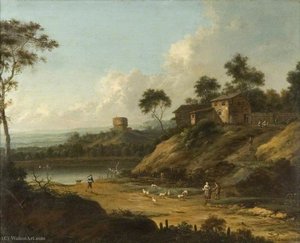
作家の略歴
A Legacy Rooted in Dutch Soil: The Life and Art of Johannes Hermanus Koekkoek
Johannes Hermanus Koekkoek, born in the small Dutch village of Vierslag in 1778, emerged as a pivotal figure in the transition of Dutch painting from the dramatic flourishes of Romanticism towards a more grounded realism. He wasn’t simply an artist; he was the progenitor of a remarkable artistic dynasty, a family whose name became synonymous with landscape and maritime artistry throughout the 19th century. From his earliest days, Koekkoek was immersed in a creative atmosphere – his father, Hermanus Koekkoek, himself a painter, laid the foundation for a lineage that would include his brothers Willem and nephew Barend Cornelis, each contributing to the rich tapestry of Dutch artistic heritage. This familial influence wasn’t merely circumstantial; it fostered an environment of constant learning, critique, and shared passion that profoundly shaped young Johannes's development. Initially trained by his father and later honing his skills at the Drawing Academy in Middelburg, Koekkoek began his career steeped in the Romantic tradition, crafting idealized landscapes filled with dramatic skies and evocative scenes.From Romantic Visions to Realistic Depictions
Koekkoek’s artistic journey wasn't one of static adherence but rather a dynamic evolution. While initially embracing the Romantic aesthetic championed by his father, around 1864 – though scholarly sources offer slight variations on this timeline – he began to subtly shift his approach. This wasn’t an abrupt departure, but a gradual refinement influenced significantly by the burgeoning Hague School. This group of Dutch artists prioritized direct observation and the honest depiction of everyday life, rejecting the often-exaggerated emotionalism of Romanticism in favor of capturing the nuances of light, atmosphere, and the unvarnished realities of their surroundings. The Hague School’s emphasis on *plein air* painting – working outdoors to directly capture natural effects – resonated deeply with Koekkoek, prompting him to adopt a more meticulous and detailed approach. He began to focus less on grand narratives and more on the subtle beauty of Dutch rural life, the power of the sea, and the quiet dignity of those who lived and worked within these landscapes. This transition is evident in his evolving subject matter, moving from purely idealized scenes towards depictions that felt palpably real, imbued with a sense of authenticity.A Diverse Oeuvre: Seascapes, Landscapes, and Daily Life
The breadth of Koekkoek’s artistic output reflects both his technical skill and his evolving interests. He became particularly renowned for his captivating seascapes – turbulent scenes of ships battling stormy weather, serene coastal views, and the raw power of the ocean itself. These weren't merely depictions of maritime activity; they were explorations of humanity’s relationship with nature, showcasing both its beauty and its unforgiving force. Alongside these dramatic marine paintings, Koekkoek also produced a wealth of Dutch rural landscapes, featuring farms nestled amongst rolling fields, quaint villages bathed in golden light, and expansive skies that seemed to stretch endlessly towards the horizon. He possessed an exceptional ability to capture the unique character of the Dutch countryside, imbuing his scenes with a sense of tranquility and timelessness. But Koekkoek’s artistry wasn't limited to landscapes; he also turned his attention to scenes of daily life, depicting farmers at work in their fields, people traveling along country roads, and the everyday activities that defined 19th-century Netherlands. Works like “Vessels on a Lee Shore in a Gale of Wind” (1844) exemplify his mastery of dramatic composition and atmospheric perspective, while pieces such as "On the Beach" showcase his ability to capture the subtle nuances of coastal life.Technique, Legacy, and Historical Significance
Koekkoek’s artistic style is characterized by a remarkable attention to detail, particularly in his rendering of natural elements and everyday objects. He possessed an exceptional eye for light and shadow, skillfully employing these tools to create depth, atmosphere, and a sense of realism within his compositions. His commitment to portraying scenes as they appeared in reality – especially during his later period – set him apart from many of his contemporaries. This dedication to authenticity, combined with his technical prowess, cemented his place as an important figure in the transition from Romanticism to Realism in Dutch painting. While perhaps not as widely celebrated as some of the more prominent members of the Hague School, Johannes Hermanus Koekkoek played a crucial role in shaping the artistic landscape of 19th-century Netherlands. His work provides invaluable insights into Dutch life and culture during this period, offering a glimpse into the everyday realities of a nation undergoing significant social and economic change. Moreover, his influence extended far beyond his own lifetime, inspiring generations of Dutch artists who continued to explore themes of realism, naturalism, and the enduring beauty of their homeland. The Koekkoek name itself became synonymous with artistic excellence, ensuring that his legacy would continue to flourish through the work of his sons, grandsons, and great-grandsons – a testament to the power of family, tradition, and unwavering dedication to the art of painting.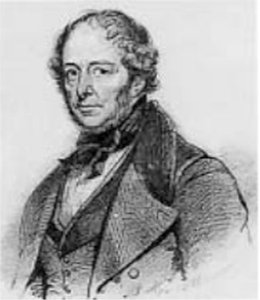
Johannes Hermanus Koekkoek
1778 - 1851

