

 プレビュー
プレビュー
 プリントを購入
 シェアする
シェアする シェアする
シェアする
 詳細を見る
詳細を見る

 ダウンロード
 似ている作品
 X線調査
X線調査 スライドショー
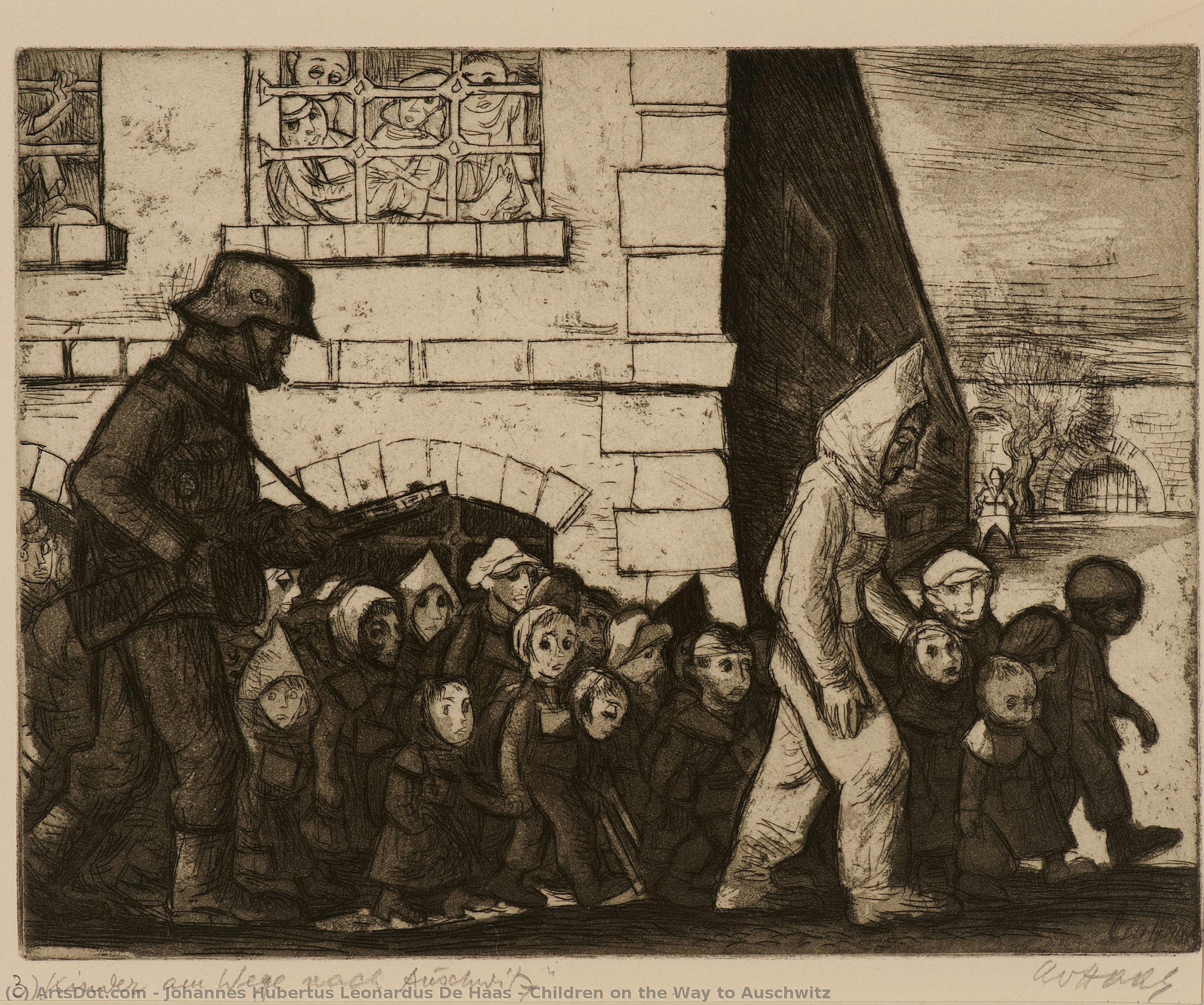
Children on the Way to Auschwitz


 詳細を見る
詳細を見る
オンラインプレビューをはるかに凌ぐ、高解像度で鮮明なデジタル画像をご購入いただけます。
各ファイルは、社内の専門家が高度なツールと熟練した手作業によるレタッチを用いて、細心の注意を払って準備されています。すべての画像において、卓越した鮮明度、正確な色彩再現性、そして繊細なディテールを保証いたします。
最終ファイルは、プロフェッショナルな編集・印刷環境ですぐにご利用いただけるよう最適化された状態で、72時間以内にメールにてお届けいたします。これは、一流のデザインスタジオ、出版社、ギャラリーから信頼されているものと同等の品質です。
デジタル画像のご注文に付随する特典
高品質なデジタル画像配信を、確かな品質で。
ArtsDot.com を選ぶことは、単に画像を手に入れることではありません。それは、プロの手によって精密に仕上げられ、満足保証が付いた高品質なデジタルアートワークを受け取ることを意味します。ご注文いただいた際に自動的に付随する内容は、以下の通りです:

メールですぐにお届け
ご注文から72時間以内に、高解像度のデジタル画像ファイルがメールでお手元に届きます。すぐにそのままご利用いただけます。

AI技術で最適化されたデジタルファイル
お客様の作品は、高度なAIツールと専門家による手作業の編集を組み合わせてプロフェッショナルに最適化されており、細部のディテール、鮮明さ、そして正確な色再現性を最大限に引き出しています。

一生涯無料の再送サービス
ファイルを誤って削除したり、紛失してしまったりしましたか?ご安心ください。いつでも無料で再送いたします。

輸入手数料は一切かかりません
関税や手数料、配送料を気にすることなく、お気に入りのアートワークをすぐにお楽しみいただけます。デジタルダウンロードは常に免税です。

色彩再現の保証
プロ仕様のツールとカラーマネジメント技術を用いることで、デジタル画像が元の色を最大限に忠実に再現することを保証いたします。

100日間満足保証
ご購入いただいたデジタル画像にご満足いただけない場合は、100日以内であれば、理由を問わず修正または100%の返金対応をさせていただきます。

100% 返金保証
ご満足いただけない場合は、デジタルファイルを受け取ってから100日以内であれば、理由を問わず全額返金いたします。

まとめ買い割引
3枚購入で10%OFF - 5枚購入で15%OFF - 10枚以上購入で20%OFF。クリエイティブなプロジェクト、ギャラリー、エージェンシーに最適です。
関連作品
作家の略歴
The Pastoral Soul of the Hague School
Johannes Hubertus Leonardus de Haas remains a profound, if quietly observant, voice within the tapestry of nineteenth-century Dutch art. Born in 1832 in the village of Hedel, de Haas possessed an innate sensitivity to the rhythms of the natural world, a quality that would later define his reputation as a master of animal and landscape painting. While history often shines its brightest spotlight on the more radical innovators of the Hague School, de Haas occupied a vital space within this movement, acting as a bridge between traditional Dutch realism and the atmospheric, tonal experiments of the Barbizon influence. His canvases do not merely depict scenery; they capture the very breath of the Dutch countryside, rendered with a meticulous devotion to the textures of fur, grass, and light.
His artistic journey began in the bustling streets of Amsterdam, where he sought formal instruction through evening classes at the Koninklijke Academie. This early period of academic rigor provided him with the technical foundation necessary for his later, more fluid works. However, it was his move to Haarlem that truly ignited his professional development. Under the mentorship of Pieter Frederik van Os, a titan of the Haarlem School, de Haas learned the art of subtle observation. It was during these formative years in Haarlem that he forged lasting bonds with fellow rising stars such as Paul Gabriel and Hendrik Dirk Kruseman van Elten. This circle of young artists shared a common goal: to move away from stiff, idealized compositions toward a more honest, atmospheric representation of the landscape.
Oosterbeek and the Mastery of Atmosphere
The year 1853 marked a transformative chapter in de Haas’s life when he, alongside his companions, traveled to Oosterbeek. This location was far more than a mere scenic destination; it was the beating heart of Dutch landscape painting, a sanctuary where the principles of the French Barbizon School were being translated into a uniquely Netherlandish idiom. In Oosterbeek, de Haas encountered the influential Johannes Warnardus Bilders, whose studio served as a crucible for artistic debate and experimentation. It was here that de Haas’s style began to mature, moving toward a focus on tonal harmony and the ephemeral effects of light and weather. This period also brought personal significance to his life, as he met and eventually married Caroline, the daughter of Bilders, further intertwining his destiny with the very fabric of this artistic community.
As his technique evolved, de Haas became particularly renowned for his ability to imbue animal subjects with a sense of quiet dignity. His depictions of cattle—often grazing in lush, sun-dappled meadows or standing stoically against a darkening sky—are hallmarks of his oeuvre. He possessed a rare talent for capturing the weight and musculature of livestock, yet he never allowed the anatomical precision to overshadow the emotional resonance of the scene. Through his brush, a simple young bull or a resting herd becomes a symbol of the enduring, peaceful relationship between man, beast, and the land. His work reflects a deep-seated respect for the pastoral life, celebrating the serene beauty of rural Holland with a sincerity that resonates across generations.
Legacy of a Quiet Observer
The historical significance of Johannes Hubertus Leonardus de Haas lies in his contribution to the broader narrative of Dutch Impressionism and the Hague School. Though he may not have sought the avant-garde provocations of his more famous contemporaries, his commitment to capturing the "mood" of a landscape helped solidify the aesthetic identity of his era. His ability to balance the meticulous detail of his training with the soft, atmospheric textures of the Barbizon style allowed him to create works that feel both grounded in reality and elevated by poetic light.
Today, de Haas is remembered as an artist who found greatness in the understated. His legacy is preserved in the quiet strength of his compositions and the enduring charm of his pastoral visions. To look upon a de Haas painting is to step into a world where time slows down, inviting the viewer to appreciate the subtle shifts in a summer afternoon or the tranquil presence of life in the Dutch meadows. His work remains a testament to the power of observation and the beauty found in the most humble corners of the natural world.
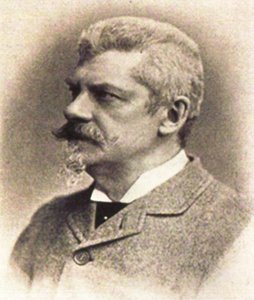
Johannes Hubertus Leonardus de Haas
1832 - 1908 , Netherlands
プロフィール概要
- Artistic Movement Or Style: Hague School; Barbizon school
- Artists Or Movements Influenced By This Artist: ['Barbizon School']
- Artists Who Influenced This Artist:
- Johannes Warnardus Bilders
- Paul Gabriel
- Hendrik Dirk Kruseman van Elten
- Date Of Birth: 1832
- Date Of Death: 1908
- Full Name: Johannes Hubertus Leonardus de Haas
- Nationality: Dutch
- Notable Artworks:
- Young Bull
- Life, The Market Place
- Place Of Birth: Hedel, Netherlands