

 プレビュー
プレビュー
 プリントを購入
 シェアする
シェアする シェアする
シェアする
 詳細を見る
詳細を見る

 ダウンロード
 似ている作品
 X線調査
X線調査 スライドショー
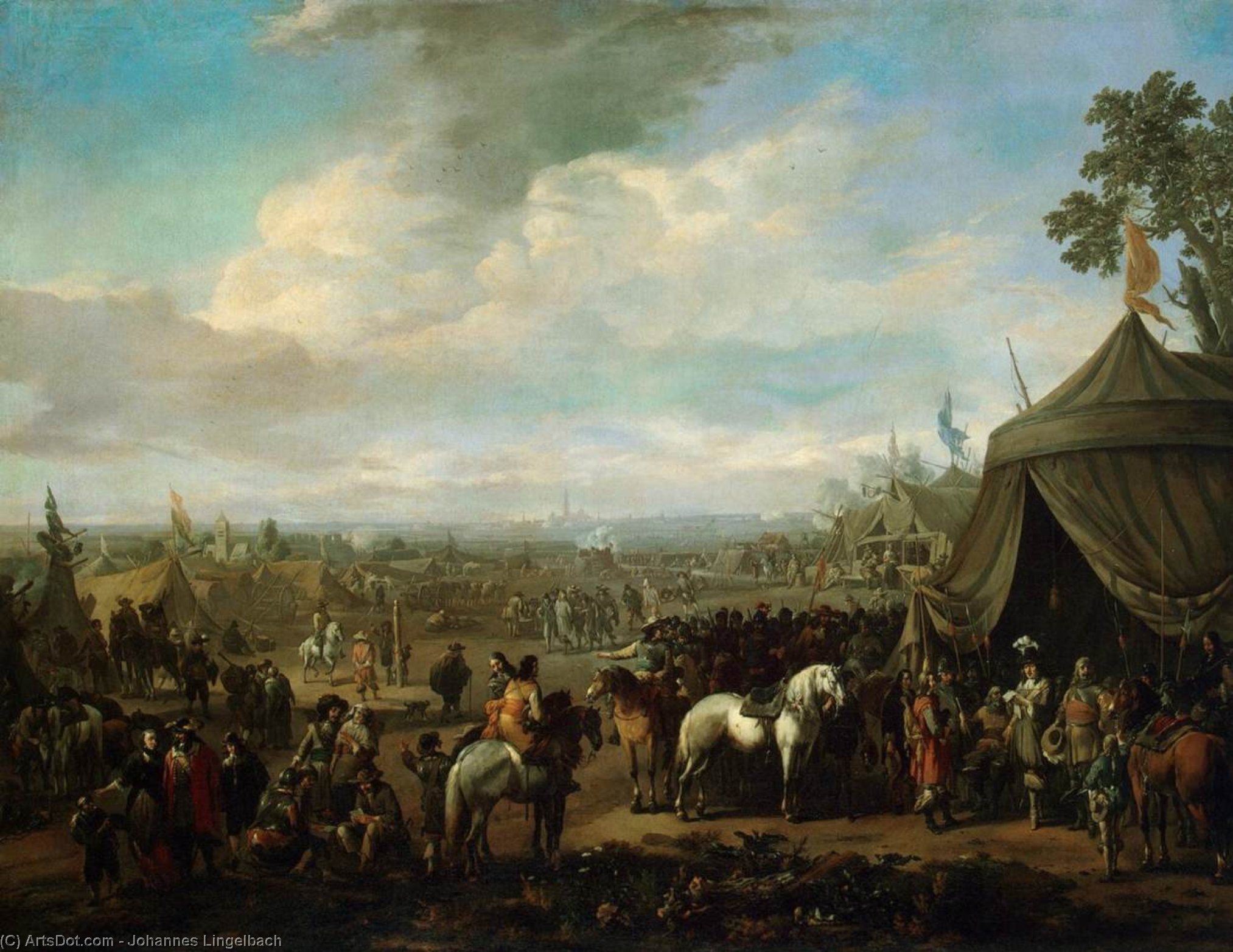
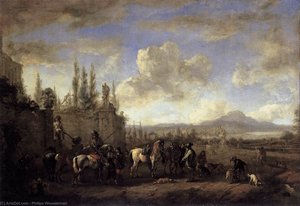
Flemish Town Sieged by the Spanish Soldiers
 Oil On Canvas
- WallArt
- Bambocciate
 1674
1674 89.0 x 114.0 cm
 エルミタージュ美術館
 詳細を見る
詳細を見る




P118B $10

P118H $10

P118W $10

P438Z $10

P508JH $12

P508YH $12

P805H $10

P805Z $10

P919BZ $10

P919G $10

P919XJ $10

P959ZH $10

P968JZ $12

W106C $8

W218G $10

W218JH $8

W218Y $10

W307PJ $10

W316G $10

W316PJ $8

W316Y $10

W398PJ $8

W4111J $10

W500HY $15

W500JH $15

W692G $12

W849H $8

W940BG $15

W953PJ $8




作品のオリジナル比率に合わせた、当店の規定サイズからお選びください。

特定のフレームやスペースに合わせて、ご希望のサイズをご入力いただけます。選択されたサイズが元の画像の比率と異なる場合、アートワークをトリミングするか、手描きで要素を追加して絵画を拡張いたします。デジタルモックアップ を制作し、制作開始前にご確認(承認)をいただきます。
画面上のプレビューは、実際のトリミングや拡張を正確に反映しているものではありません。最終的な構図は、モックアップによってのみ正確にご確認いただけます。
カスタムサイズもご利用いただけますが、元の比率を維持するためには、あらかじめ用意されたリストからサイズを選択することをお勧めいたします。
ご注文後、ArtsDot.com チームより詳細な指示をお送りするとともに、仕上がりイメージ(モックアップ)をご提供いたします。


 ガラスオプションは、110cm未満のサイズでのみご利用いただけます。

Flemish Town Sieged by the Spanish Soldiers
複製技法
複製画のサイズ
-


合計金額
$ 263
Johannes Lingelbach’s “Flemish Town Sieged by the Spanish Soldiers” – A Chronicle of Conflict and Resilience
Painted in 1674 during the height of the Dutch Golden Age, Johannes Lingelbach's "Flemish Town Sieged by the Spanish Soldiers" is more than just a historical depiction; it’s a potent tableau of human drama set against the backdrop of escalating conflict. This oil on canvas masterpiece, now housed within the esteemed Hermitage Museum in St. Petersburg, offers a compelling glimpse into a turbulent era – a time when shifting alliances and military ambitions shaped the fate of European nations. Lingelbach, a key figure within the Bambocciate movement, masterfully blends influences from Caravaggio’s dramatic lighting with the Northern European realism that defined his artistic milieu, creating an image brimming with both immediacy and carefully considered composition.
The scene unfolds in a densely populated Flemish town square, rendered with remarkable detail. The chaos of siege is palpable: soldiers, identifiable by their distinctive armor and banners, clash with townsfolk who desperately defend their homes. A diverse cast of characters—farmers wielding pitchforks, merchants attempting to safeguard their wares, women shielding children – embodies the universal experience of vulnerability in the face of overwhelming force. Lingelbach doesn’t shy away from portraying the brutality of war; fallen bodies litter the ground, and expressions of fear and determination are etched on the faces of those caught in the fray. Yet, amidst this devastation, there's a subtle undercurrent of resilience – a refusal to surrender that speaks volumes about the spirit of the besieged community.
The Bambocciate Legacy: Italian Roots, Dutch Expression
Lingelbach’s artistic journey is deeply intertwined with the Bambocciate movement, a group of painters who, during the 1620s and 30s, established a vibrant studio in Rome. This collective, known for its genre scenes depicting everyday life, drew heavily on the innovations of Italian masters like Caravaggio – particularly his masterful use of *chiaroscuro*, or dramatic contrasts between light and shadow. Lingelbach’s work reflects this influence vividly; the scene is bathed in a theatrical light that highlights key figures and intensifies the sense of drama. However, he skillfully integrated these Italian techniques with the established conventions of Dutch painting, resulting in a unique synthesis of styles.
His time in Rome exposed him to the works of Viviano Codazzi, an architectural Vedutisti (view painter), whose meticulous depictions of urban landscapes profoundly impacted Lingelbach’s approach to composition and detail. This influence is evident in the carefully rendered buildings and streets of the besieged town – each element contributing to a sense of realism and spatial accuracy. Furthermore, Lingelbach's early training in Frankfurt and Amsterdam provided him with a strong foundation in Northern European genre painting, which he skillfully combined with his Italian influences.
Symbolism and Emotional Resonance
Beyond its immediate depiction of military conflict, “Flemish Town Sieged by the Spanish Soldiers” is rich in symbolic meaning. The siege itself represents not only a physical threat but also broader anxieties about political instability and the fragility of peace. The diverse group of defenders—farmers, merchants, women—underscores the idea that resistance comes from all levels of society. The presence of a clock in the background subtly emphasizes the passage of time and the urgency of the situation – a reminder that every moment counts in the face of adversity.
Lingelbach’s masterful use of light and shadow further enhances the emotional impact of the scene. The bright, focused illumination on the figures engaged in combat contrasts sharply with the darker areas of the background, creating a sense of tension and immediacy. The overall effect is one of heightened drama – a visual representation of the psychological turmoil experienced by those caught in the throes of war. It’s a painting that doesn't simply show us a battle; it invites us to *feel* the fear, desperation, and unwavering determination of its inhabitants.
A Timeless Masterpiece: Reproduction Possibilities
Today, “Flemish Town Sieged by the Spanish Soldiers” stands as a testament to Lingelbach’s artistic skill and his ability to capture the complexities of human experience. ArtsDot offers high-quality reproductions that faithfully recreate the painting's rich colors, intricate details, and dramatic atmosphere. Whether you are an art collector seeking to expand your collection or an interior designer looking for a striking piece to adorn your walls, a reproduction of this compelling artwork is sure to make a statement.
Our custom reproduction service allows you to select the size and framing options that best suit your needs, ensuring that your chosen artwork will be displayed in its full glory. Experience the power and beauty of Lingelbach’s masterpiece – brought to life with meticulous attention to detail and a commitment to preserving the original's artistic integrity.
関連作品


アーティストの略歴
ヨハネス・リンゲルバッハ:オランダのジャンル絵画に響くローマの残響
ヨハネス・リンゲルバッハ(1622年–1674年)は、17世紀オランダ美術の鮮やかなタペストリーの中に息づく魅惑的な存在であり、特にバンボッチアニ派と関連付けられた第二世代の一人として知られています。ドイツのフランクフルトに生まれた彼の人生は、複数のヨーロッパの中心地を舞台に展開しました。当初は家族がアムステルダムに移り住んだことに始まり、その後フランス、イタリア(主にローマ)、そして最終的にオランダに定住するという道のりを辿ります。リンゲルバッハの芸術的な旅路は、北ヨーロッパの伝統と、特にカラヴァッジオの絵画に見られる勃興しつつあるイタリア絵画のリズムが織りなす、魅惑的な融合を体現しています。彼は単なる画家ではありませんでした。彼は観察者であり、賑やかな都市環境の中での日常生活の光景、建築的な細部、そして人間同士の交流の微妙な機微を見事に捉え続けたのです。初期の生活と影響:フランクフルトからアムステルダムへ
リンゲルバッハの幼少期は、彼の父であるドイツの技術者、ダヴィッド・リンゲルバッハの影響を強く受けました。父は1630年代後半にアムステルダムで迷路のような娯楽施設を築き上げます。この異様な環境――聖書や神話の展示物で満たされた機械工学の驚異――は、若いヨハネスの中に、精巧なデザイン、演劇的な演出への深い理解、そしてダイナミックな設定の中の人物を描くという芽生えを育んだに違いありません。その後、家族がフランスやイタリアへと移り住んだことは決定的な転機となり、彼を大陸の芸術潮流に晒しました。特にローマでの時間は極めて形成的なものであり、街の活気ある芸術の雰囲気に没入し、都市生活の場面を専門とするジャンル画家たち、すなわちバンボッチアニ派の様式に直接触れることとなりました。ピエター・ファン・ラーが「イル・バンボッチオ」として知られる影響は特に強く、リンゲルバッハが日常の瞬間を驚くべきリアリズムと鋭い観察眼をもって捉える傾向の中にそれが色濃く表れています。様式と技法:北と南の伝統を結びつける
リンゲルバッハの芸術様式は、北ヨーロッパとイタリアの影響が見事に融合した洗練された合成物によって特徴づけられています。彼はバンボッチアニ派から、都市生活の場面を描くというコミットメントを受け継ぎました。そこには、衣服の質感、顔の表情、そして建築的な背景の細部を捉えるリアリズムへの強い重点が置かれています。しかし、同時代の画家たちの中にはいるものの、リンゲルバッハは自身の作品に明確なイタリア的な感性を吹き込みました。特にカラヴァッジオから多大な影響を受けた「キアロスクーロ」、すなわち光と影の劇的な相互作用を用いる点にそれが顕著です。彼の構図はしばしばダイナミックで混雑しており、ギャンブルをする人々、会話を交わす人々、あるいはただ周囲の世界を眺める人々の姿で満ち溢れています。彼はまた、別の著名な風景画家であるヴィヴィアーノ・コダッツィが描いた緻密な都市景観から着想を得て、建築的要素を正確に描写する驚くべき能力を発揮しました。リンゲルバッハの作品は単なる光景の記録ではありません。それは鑑賞者にとって没入型の体験であり、彼らを賑やかなローマの通りや広場の中心へとといざなうのです。著名な作品と歴史的意義
リンゲルバッハの作品群は、街の風景、市場の広場、室内画、肖像画など、多様な主題を網羅しています。彼の技術と芸術的ビジョンを証明するいくつかの傑作が際立っています。「カード遊びをするローマの通り」のような作品は、キアロスクーロの熟練度と、公衆が集まる場所のエネルギーやドラマを捉える能力を象徴しています。「ポポロ広場を望む宿屋前の人物像」の描写からは、建築的な細部への几帳面な配慮と空間的関係性の深い理解が示されています。また、当初ピエター・ファン・ラーに帰属していたいくつかの作品が、後に正当にリンゲルバッハのものであると特定されたことは重要であり、この画家がバンボッチアニ派の様式に与えた大きな貢献を際立たせています。リンゲルバッハの影響は自身の絵画にとどまらず、マインデルト・ホッヘマやヤン・ファン・デル・ヘイデンといった他の芸術家の風景の中に人物や動物を描く依頼を受けることも多く、その時代における視覚的な景観を形作る広範な役割を果たしていたことがわかります。遺産と永続的な影響
ヨハネス・リンゲルバッハの遺産は、静かでありながらも確かな影響力を持っています。彼が同時代の画家たちほど広く称賛されているわけではないかもしれませんが、彼の作品は17世紀オランダの社会と文化を垣間見るユニークな窓を提供してくれます。北ヨーロッパ的なリアリズムとイタリア的なドラマを見事に融合させる彼の能力は、バンボッチアニ派の中での彼の地位を確固たるものにし、その進化に大きく貢献しました。リンゲルバッハの緻密な観察眼、熟練した技術、そして都市生活を描き出す情緒豊かな描写は、今日に至るまで鑑賞者の心に響き続けており、ジャンル絵画が人間の経験の本質を捉える持つ永続的な力を私たちに思い出させてくれます。彼の絵画は単なる場面の再現ではありません。それらは過ぎ去った時代の鮮やかなスナップショットであり、そこに生きた人々の生活と時代の一端を垣間見せてくれるのです。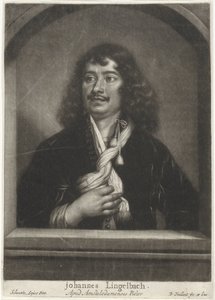
ヨハネス・リンゲルバッハ
1622 - 1674 , ドイツ
基本情報
- Artistic Movement Or Style: バンボッチアニ
- Artists Or Movements Influenced By This Artist:
- ピーター・ファン・ラール
- ヴィヴィアーノ・コダッツィ
- Artists Who Influenced This Artist:
- フィリップス・ヴーウェルマンス
- カラヴァッジオ
- Date Of Birth: 1622年、ドイツのフランクフルト
- Date Of Death: 1674年、アムステルダム
- Full Name: ヨハネス・リンゲルバッハ
- Nationality: オランダ人
- Notable Artworks:
- ローマの街の風景
- ロカーンダ前の人物像
- 野営地
- Place Of Birth: ドイツのフランクフルト
関連記事

黄金世紀の巨匠たち:バロック絵画が彩る10選|ArtsDot
オランダ黄金時代の10大傑作を紐解く!レンブラント、フェルメール…バロック絵画の魅力と時代背景を深く探求。ArtsDotで、至高のアートコレクションと空間演出のヒントを見つけよう。高品質なアートプリントで、お部屋を華やかに。

Dutch Baroque Masters: 10 Paintings That Shaped an Era | ArtsDot
Journey through the Golden Age with our guide to the Top 10 Dutch Baroque masterpieces! Explore iconic paintings by Rembrandt, Vermeer & Frans Hals. Find museum-quality art reproductions and elevate your home decor at ArtsDot.com.
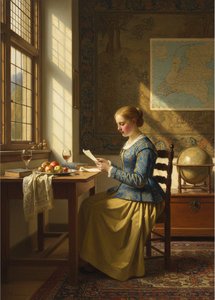
Johannes Vermeer: Light, Intimacy & the Dutch Golden Age – A Comprehensive Exploration
Explore the life, techniques & enduring legacy of Johannes Vermeer, a master of Dutch Golden Age painting. Discover symbolism in his iconic works like 'The Milkmaid' and learn about his revolutionary use of light.

Golden Age Reflections: Dutch Baroque Painting & Cultural Innovation
Explore the Dutch Golden Age of painting! Discover key artists like Vermeer & ter Borch, their innovative techniques, and the rich cultural context behind these Baroque masterpieces. Learn about collecting & appreciating this iconic art period.
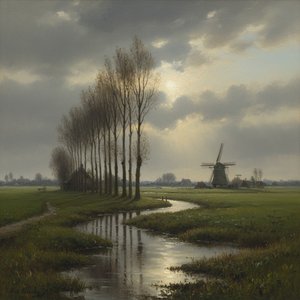
Johannes Bosboom: Light, Landscape & the Dutch Realist Tradition
Explore the captivating world of Johannes Bosboom, a master of Dutch Realism renowned for his evocative church interiors & landscapes. Discover his life, techniques, and enduring legacy with ArtsDot.

