

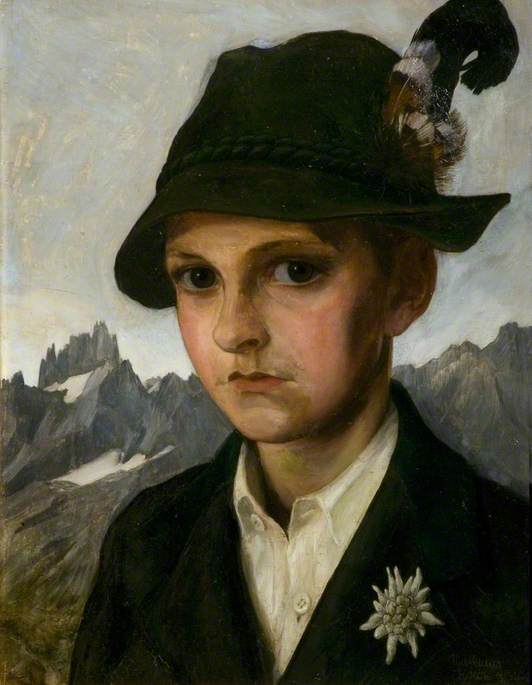
 プレビュー
プレビュー
 シェアする
シェアする シェアする
シェアする
 詳細を見る
詳細を見る

 ダウンロード
 似ている作品
 X線調査
X線調査 スライドショー
 統計情報
統計情報Portrait of the Artist's Son, Siegfried, Aged 12
 Contemporary Realism
 1935
1935 38.0 x 30.0 cm
 New Walk Museum - Art Gallery
 詳細を見る
詳細を見る
ジークレー/アートプリント
迅速な制作と多彩な仕上げオプションを備えた、ミュージアムクオリティのジークレーまたはキャンバスプリント。 ( 手描きの絵画を購入 デジタル画像販売へ切り替え)




































作品のオリジナル比率に合わせた、当店の規定サイズからお選びください。

特定のフレームやスペースに合わせて、ご自身でサイズを指定することも可能です。選択されたサイズが元の画像の比率と一致しない場合、作品をトリミングするか、鏡面反射または単色での塗りつぶしによって画像を拡張いたします。制作を開始する前に、ご確認用のデジタルモックアップをお送りいたします。
画面上のプレビューには、実際のトリミングや拡張は反映されませんのでご注意ください。最終的な構図を正確に確認できるのは、モックアップのみとなります。
カスタムサイズも承っておりますが、元の比率を維持するためには、あらかじめ用意されたリストからサイズを選択することをお勧めいたします。


 ガラスオプションは、110cm未満のサイズでのみご利用いただけます。

Portrait of the Artist's Son, Siegfried, Aged 12
ジークレー/アートプリント
複製画のサイズ
-


合計金額
$ 62
関連作品
アーティストの略歴
A Witness in Charcoal: The Life and Art of Johannes Matthaeus Koelz
Johannes Matthaeus Koelz is a name that resonates with a particular weight, inextricably linked to the tumultuous history of 20th-century Germany. Born into an era poised on the brink of unprecedented conflict, his artistic journey became a profound and often harrowing chronicle of societal decay, moral crisis, and the desperate search for humanity amidst barbarity. While biographical details remain somewhat sparse – Koelz himself preferred his work to speak rather than personal narratives – we understand he emerged as a significant figure within the Expressionist movement, though one who charted a uniquely somber and politically charged course. He wasn’t merely *observing* history; he was actively wrestling with it on canvas and paper, using his art as both a warning and a lament. Koelz's work is not easily categorized; it exists in the space between raw emotionality, stark realism, and deeply ingrained religious conviction.The Shadow of War: Early Influences and Artistic Development
Koelz’s formative years were steeped in the anxieties that preceded World War II. The rise of National Socialism cast a long shadow over German society, and this pervasive sense of dread found its way into his early artistic explorations. While influenced by the broader Expressionist trends – the distorted forms, intense colors, and psychological probing of artists like Ernst Ludwig Kirchner and Käthe Kollwitz – Koelz quickly developed a distinctive style characterized by a masterful use of charcoal and a muted palette. He eschewed flamboyant displays of technique in favor of directness and emotional impact. His early portraits, often depicting ordinary people with an unsettling intensity, hinted at the psychological toll of political upheaval. These were not idealized representations; they were studies in vulnerability, fear, and quiet desperation. The influence of religious art is also palpable from this period, foreshadowing the monumental works that would later define his career. He wasn’t simply documenting faces; he was searching for the soul within them, a soul increasingly threatened by the encroaching darkness.The Hitler Sketch: A Moment Frozen in Time
Perhaps Koelz is most widely recognized today for his sketch of Adolf Hitler, created in 1932. This isn’t a grandiose portrait intended to glorify the Führer; it's a remarkably intimate and unsettling depiction of a man consumed by his own ideology. The sketch captures Hitler during a moment of apparent contemplation, but there is no nobility or heroism present – only a chilling emptiness and an almost predatory intensity in his gaze. It’s a study in psychological portraiture that reveals far more about the subject's inner darkness than any heroic pose could ever convey. The significance of this sketch lies not just in its artistic merit, but in its historical context. Created before Hitler rose to absolute power, it stands as an eerily prescient warning, a visual premonition of the horrors to come. The sketch became a powerful symbol of resistance and remains a haunting reminder of the dangers of unchecked ambition and ideological fanaticism. It’s a testament to Koelz's courage and his willingness to confront uncomfortable truths.“Thou Shalt Not Kill”: A Triptych for a Broken World
Following World War II, Koelz embarked on what would become his magnum opus: the “Thou Shalt Not Kill” triptych. This monumental work is a searing indictment of war and its devastating consequences. Composed of three panels, it depicts scenes of unimaginable suffering – the bombing of cities, the horrors of concentration camps, and the anguish of survivors. Unlike many depictions of wartime trauma, Koelz’s work doesn't focus on heroic battles or grand narratives. Instead, he concentrates on the individual human cost, portraying victims with a profound sense of empathy and dignity. The triptych is rendered in stark black and white, further emphasizing the bleakness and moral emptiness of war. The religious undertones are particularly strong here, referencing traditional altarpieces but subverting their celebratory function to create a powerful anti-war statement. It’s a work that demands contemplation, forcing viewers to confront the brutal realities of conflict and question the very foundations of human morality.Legacy and Historical Significance
Johannes Matthaeus Koelz's art is not easy viewing. It’s challenging, disturbing, and often deeply unsettling. However, it is precisely this unflinching honesty that makes his work so profoundly important. He wasn’t interested in creating beautiful or comforting images; he was driven by a moral imperative to bear witness to the horrors of his time and to warn future generations against repeating the mistakes of the past.- His “Hitler Sketch” remains an iconic symbol of resistance.
- The “Thou Shalt Not Kill” triptych is considered a masterpiece of anti-war art.
- Koelz’s work continues to resonate with contemporary audiences, reminding us of the enduring fragility of peace and the importance of moral courage.
関連記事

The Enduring Power of Painting: A Historical & Contemporary Exploration of Form and Emotion
Explore the rich history & enduring techniques of oil painting with ArtsDot. Discover masterpieces, learn about art collecting, and find authentic handmade reproductions crafted by skilled artists.
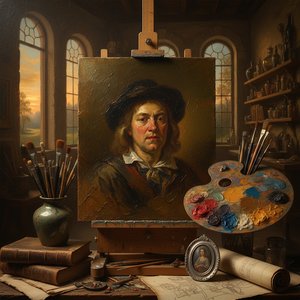
The Enduring Legacy of Oil Paint: Technique, History & Emotional Resonance in Western Art
Explore the rich history & techniques of oil painting! Discover Renaissance masters, scientific principles behind color, and emotional resonance in art. Learn about glazing, layering, and atmospheric perspective – a guide for enthusiasts & collectors.

Oil on Canvas: A Historical & Technical Exploration of a Timeless Artistic Medium
Explore the rich history & enduring techniques of oil painting on canvas. Discover the science behind its longevity, conservation practices, and contemporary relevance. Expert insights for art enthusiasts.

The Enduring Legacy of Oil on Canvas: Technique, History & Aesthetic Impact
Explore the rich history & techniques of oil painting – from Renaissance masters to Impressionism. Discover pigments, layering methods, and why this timeless medium endures. Expert insights for artists & art enthusiasts.

油彩のキャンバス:技法、歴史、そして現代の実践 - 古典美術愛好家へ
油彩の技法、歴史、巨匠たちの秘密を徹底解説。古典美術愛好家向けに、初期フランドル絵画から現代の実践まで深く掘り下げます。ArtsDotで高品質な複製画やカスタムオーダーも承ります。