

 プレビュー
プレビュー
 プリントを購入
 シェアする
シェアする シェアする
シェアする
 詳細を見る
詳細を見る

 ダウンロード
 似ている作品
 X線調査
X線調査 スライドショー
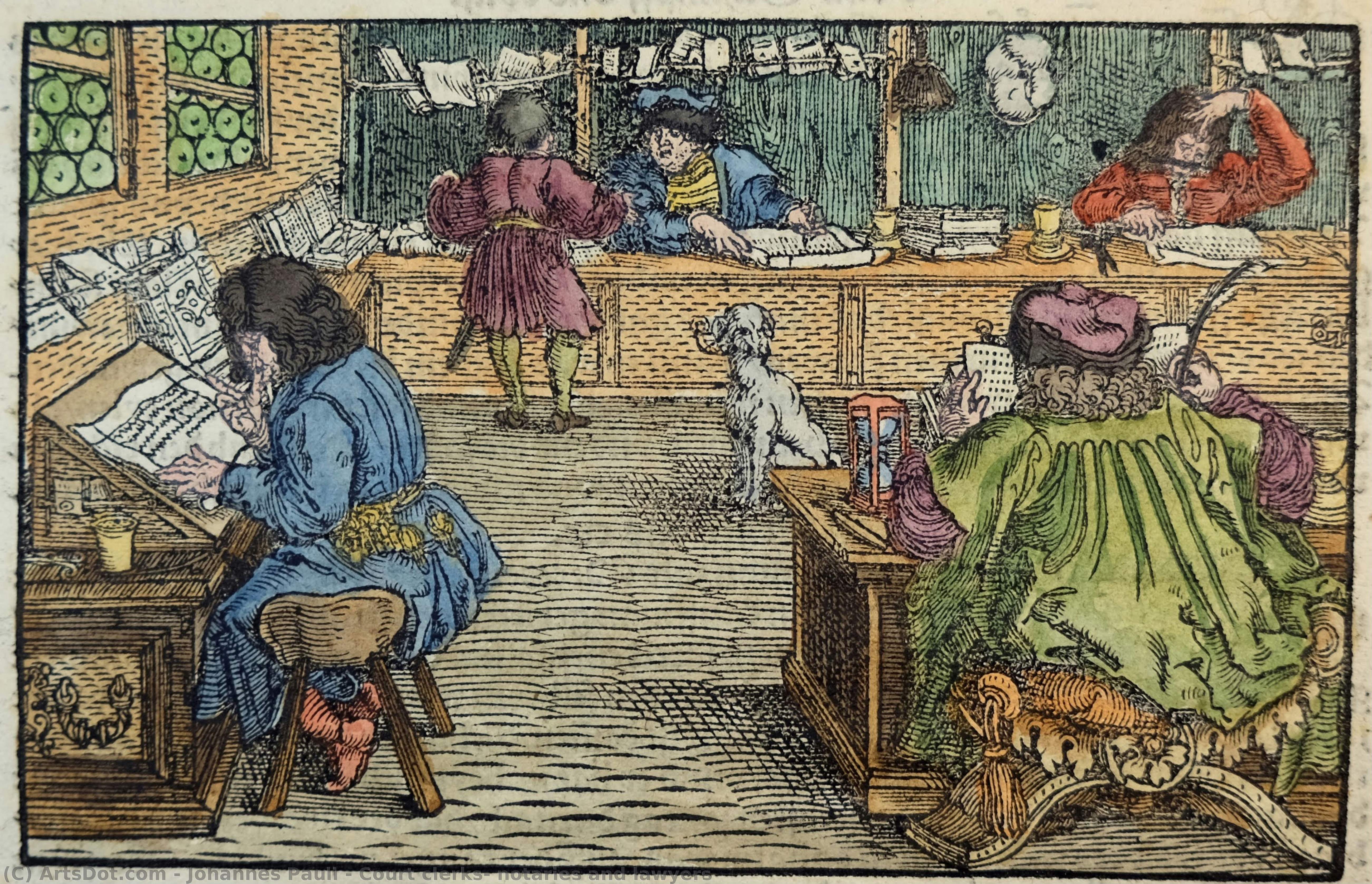
Court clerks, notaries and lawyers

 詳細を見る
詳細を見る
オンラインプレビューをはるかに凌ぐ、高解像度で鮮明なデジタル画像をご購入いただけます。
各ファイルは、社内の専門家が高度なツールと熟練した手作業によるレタッチを用いて、細心の注意を払って準備されています。すべての画像において、卓越した鮮明度、正確な色彩再現性、そして繊細なディテールを保証いたします。
最終ファイルは、プロフェッショナルな編集・印刷環境ですぐにご利用いただけるよう最適化された状態で、72時間以内にメールにてお届けいたします。これは、一流のデザインスタジオ、出版社、ギャラリーから信頼されているものと同等の品質です。
デジタル画像のご注文に付随する特典
高品質なデジタル画像配信を、確かな品質で。
ArtsDot.com を選ぶことは、単に画像を手に入れることではありません。それは、プロの手によって精密に仕上げられ、満足保証が付いた高品質なデジタルアートワークを受け取ることを意味します。ご注文いただいた際に自動的に付随する内容は、以下の通りです:

メールですぐにお届け
ご注文から72時間以内に、高解像度のデジタル画像ファイルがメールでお手元に届きます。すぐにそのままご利用いただけます。

AI技術で最適化されたデジタルファイル
お客様の作品は、高度なAIツールと専門家による手作業の編集を組み合わせてプロフェッショナルに最適化されており、細部のディテール、鮮明さ、そして正確な色再現性を最大限に引き出しています。

一生涯無料の再送サービス
ファイルを誤って削除したり、紛失してしまったりしましたか?ご安心ください。いつでも無料で再送いたします。

輸入手数料は一切かかりません
関税や手数料、配送料を気にすることなく、お気に入りのアートワークをすぐにお楽しみいただけます。デジタルダウンロードは常に免税です。

色彩再現の保証
プロ仕様のツールとカラーマネジメント技術を用いることで、デジタル画像が元の色を最大限に忠実に再現することを保証いたします。

100日間満足保証
ご購入いただいたデジタル画像にご満足いただけない場合は、100日以内であれば、理由を問わず修正または100%の返金対応をさせていただきます。

100% 返金保証
ご満足いただけない場合は、デジタルファイルを受け取ってから100日以内であれば、理由を問わず全額返金いたします。

まとめ買い割引
3枚購入で10%OFF - 5枚購入で15%OFF - 10枚以上購入で20%OFF。クリエイティブなプロジェクト、ギャラリー、エージェンシーに最適です。
関連作品









作家の略歴
A Voice from the Medieval Hearth: The Life and Legacy of Johannes Pauli
Johannes Pauli, born around 1455 in the small Franconian village of Pfettisheim, Germany, remains a fascinating yet somewhat enigmatic figure in the landscape of late medieval German literature. His life, pieced together from fragmented records and scholarly conjecture, reveals a man deeply embedded in the religious and social currents of his time—a Franciscan writer who sought to blend instruction with amusement, seriousness with jest. While details surrounding his early years are scarce, we know he pursued theological studies in Strasbourg before embracing the Franciscan order, becoming known as a charismatic preacher traveling through various church institutions and cities throughout southern Germany. This itinerant life undoubtedly exposed him to a diverse tapestry of stories, observations, and the everyday realities of common people—a wealth of material that would later form the core of his most enduring work.The Creation of ‘Schimpf und Ernst’: A Mirror to Society
Pauli’s lasting fame rests upon his collection of tales, ‘Schimpf und Ernst’ (roughly translated as “Reproof and Earnestness”), published in 1515. This wasn't a work born from scholarly isolation but rather a vibrant compilation of 693 jests, moral anecdotes, and farces drawn from ancient sources, medieval traditions, and the rich oral culture surrounding him. It’s a remarkably accessible text, written in plain language that resonated with a broad audience—from the literate elite to those who relied on public readings for entertainment and edification. The collection isn't simply a series of humorous stories; it functions as a keen social commentary, offering pointed satire on the foibles of human nature, the corruption within institutions, and the complexities of daily life. Pauli’s genius lay in his ability to cloak moral lessons within engaging narratives, making them palatable—and memorable—for his contemporaries. He didn't aim for high-brow philosophical discourse but instead sought to gently nudge readers towards self-reflection through laughter and relatable characters.Influences and Literary Context
Pauli did not operate in a vacuum. His work clearly demonstrates the influence of figures like Geiler von Kaisersberg, a Dominican preacher renowned for his own vivid sermons and moralizing tales. Geiler’s emphasis on using contemporary examples to illustrate theological points likely inspired Pauli's approach to storytelling. Furthermore, the broader tradition of medieval exempla—short illustrative stories used in sermons to reinforce ethical teachings—provided a structural foundation for ‘Schimpf und Ernst’. However, Pauli distinguished himself through his unique voice and his willingness to embrace humor as a primary pedagogical tool. He wasn’t merely retelling existing tales; he was actively shaping them, adapting them to his own purposes, and infusing them with a distinctly Franconian sensibility. The work also foreshadows elements of the Renaissance *fabliau*, though rooted in a more explicitly religious framework.Impact and Historical Significance
The immediate success of ‘Schimpf und Ernst’ is evidenced by its numerous printings and widespread circulation throughout the 16th century. It became a foundational text for German popular literature, influencing generations of writers and storytellers. Perhaps most notably, Pauli's work served as a significant source of inspiration for Elizabethan playwrights and authors in England. The “Hundred Merry Tales”, a collection of English stories published in the late 16th century, drew heavily from ‘Schimpf und Ernst’, demonstrating the enduring appeal—and transcultural reach—of Pauli’s narratives. Beyond its literary influence, Pauli's work offers invaluable insights into the social and cultural landscape of early modern Germany. It provides a window into the concerns, anxieties, and aspirations of ordinary people during a period of significant religious and political upheaval. His ability to capture the nuances of everyday life—the petty squabbles, the moral dilemmas, the simple joys—makes him a uniquely compelling voice from the medieval past. Pauli’s legacy isn't simply as a writer of humorous tales but as a chronicler of his time, a social commentator who used laughter as a means of prompting reflection and fostering a sense of shared humanity.
johannes pauli
1455 - 1530 , Germany
プロフィール概要
- Artistic Movement Or Style: Medieval Literature
- Artists Or Movements Influenced By This Artist:
- Elizabethan Tales
- Hans Sachs
- Artists Who Influenced This Artist: ['Geiler of Kaisersberg']
- Date Of Birth: c. 1455
- Date Of Death: after 1530
- Full Name: Johannes Pauli
- Nationality: German
- Notable Artworks: ['Schimpf und Ernst']
- Place Of Birth: Pfettenheim, Germany