

 プレビュー
プレビュー
 シェアする
シェアする シェアする
シェアする
 詳細を見る
詳細を見る

 ダウンロード
 似ている作品
 X線調査
X線調査 スライドショー
 統計情報
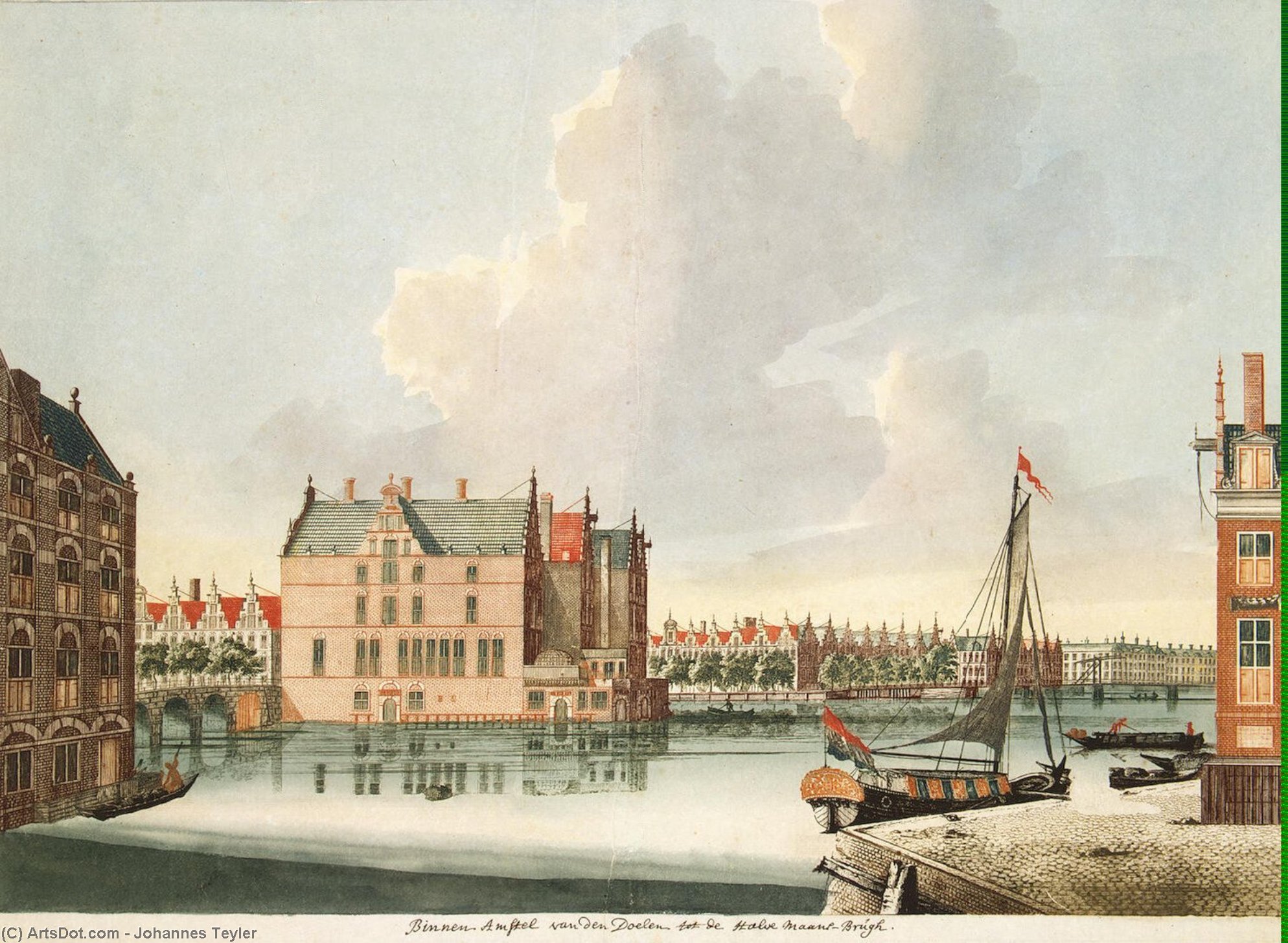
統計情報View toward the Amstel River
 Acrylic On Canvas
- WallArt
 1690
1690 399.0 x 550.0 cm
 エルミタージュ美術館
 詳細を見る
詳細を見る
ジークレー/アートプリント
迅速な制作と多彩な仕上げオプションを備えた、ミュージアムクオリティのジークレーまたはキャンバスプリント。 ( 手描きの絵画を購入 デジタル画像販売へ切り替え)




P118B $10

P118H $10

P118W $10

P438Z $10

P508JH $12

P508YH $12

P805H $10

P805Z $10

P919BZ $10

P919G $10

P919XJ $10

P959ZH $10

P968JZ $12

W106C $8

W218G $10

W218JH $8

W218Y $10

W307PJ $10

W316G $10

W316PJ $8

W316Y $10

W398PJ $8

W4111J $10

W500HY $15

W500JH $15

W692G $12

W849H $8

W940BG $15

W953PJ $8




作品のオリジナル比率に合わせた、当店の規定サイズからお選びください。

特定のフレームやスペースに合わせて、ご自身でサイズを指定することも可能です。選択されたサイズが元の画像の比率と一致しない場合、作品をトリミングするか、鏡面反射または単色での塗りつぶしによって画像を拡張いたします。制作を開始する前に、ご確認用のデジタルモックアップをお送りいたします。
画面上のプレビューには、実際のトリミングや拡張は反映されませんのでご注意ください。最終的な構図を正確に確認できるのは、モックアップのみとなります。
カスタムサイズも承っておりますが、元の比率を維持するためには、あらかじめ用意されたリストからサイズを選択することをお勧めいたします。


 ガラスオプションは、110cm未満のサイズでのみご利用いただけます。

View toward the Amstel River
ジークレー/アートプリント
複製画のサイズ
-


合計金額
$ 62
Johannes Teyler’s View Toward the Amstel River: A Window Into Dutch Golden Age Serenity
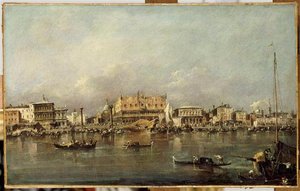
Johannes Teyler's "View toward the Amstel River," painted in 1690, stands as a quintessential embodiment of Dutch landscape painting during its zenith—the Golden Age. More than just a depiction of scenery, it’s a carefully crafted meditation on light, atmosphere, and the quiet grandeur of everyday life, housed presently within The Hermitage museum's collection in St. Petersburg. Examining this artwork reveals not only artistic prowess but also a profound understanding of the cultural values that defined seventeenth-century Holland.A Masterclass in Atmospheric Perspective
The painting’s immediate impact is one of tranquil beauty. Teyler skillfully employs atmospheric perspective—a technique pioneered during this period—to create an illusion of depth and distance. Layers of muted earth tones dominate the landscape, transitioning from darker hues at the foreground to paler shades as the eye moves towards the horizon. This subtle gradation isn’t merely aesthetic; it reflects a burgeoning scientific interest in optics and demonstrates Teyler's commitment to realism beyond mere surface representation. Notice how the reflections shimmering on the Amstel’s water surface amplify this sense of depth, mirroring the sky above with remarkable accuracy. The artist meticulously captures the interplay between light and shadow, highlighting architectural details while simultaneously conveying a palpable stillness.Symbolism Rooted in Observation
Beyond its technical brilliance lies a rich tapestry of symbolism subtly woven into the scene. The prominent building on the left—likely a civic edifice—represents stability and authority, mirroring the burgeoning prosperity of Amsterdam during this era. Its towering spire punctuates the skyline, symbolizing aspiration and ambition – values central to the Dutch humanist spirit. Furthermore, the boats moored along the river’s edge speak to the importance of commerce and maritime trade, vital components of Holland's economic dominance. The inclusion of oars suggests a connection to labor and daily life, grounding the idealized landscape in tangible reality.The Influence of Hendrick Jacobsz. van Balen I
Teyler’s artistic training under Hendrick Jacobsz. van Balen I profoundly shaped his style. Van Balen championed tonal painting—a method prioritizing subtle gradations of color to convey mood and texture—and Teyler adopted this approach wholeheartedly. This dedication to capturing the nuances of light and shadow distinguishes “View Toward the Amstel River” from more flamboyant Baroque landscapes, emphasizing instead a contemplative gaze upon the natural world. The meticulous attention to detail – from the textures of the building facades to the ripples on the water – underscores Van Balen’s legacy as a champion of realism.Reproductions Available: Bringing Dutch Golden Age Beauty Home
For those captivated by Teyler's vision, high-quality reproductions are available at https://ArtsDot.com/. Crafted by skilled artisans using traditional methods and materials, these prints ensure an authentic museum-caliber finish—allowing you to experience the serenity and intellectual depth of this iconic masterpiece in your own space. Explore /art/list/?Filter=8Y3JLT-Johannes-Teyler-View-toward-the-Amstel-River for more information on the reproduction process and order yours today!関連作品

アーティストの略歴
Johannes Teyler (1648 – 1709): A Pioneer of Dutch Landscape Painting
Johannes Teyler was a Dutch landscape painter born in Nijmegen, Netherlands, during the turbulent years leading up to the Thirty Years’ War. While his biographical details remain somewhat sparse compared to contemporaries like Rembrandt or Vermeer, he nonetheless stands as an important figure within the burgeoning Dutch Golden Age artistic movement—specifically recognized for his contributions to the genre of topographical landscapes and his innovative approach to capturing atmospheric perspective. His work reflects a fascination with the natural world combined with meticulous observation and skillful execution, cementing his place in art history.- Early Life & Training: Precise information about Teyler’s formative years is elusive. He apprenticed under Hendrick Jacobsz. van Balen I, a prominent Haarlem landscape painter who instilled in him the foundational principles of realism and tonal painting. This training undoubtedly shaped his artistic vision and technique.
- Notable Works & Style: Teyler gained considerable renown for his depictions of Amsterdam’s harbor area and surrounding countryside. His paintings are characterized by their remarkable accuracy—detailed renderings of ships, docks, buildings, and vegetation—demonstrating a dedication to scientific observation that was uncommon for artists of his time. He skillfully employed atmospheric perspective, creating depth and realism through subtle gradations of color and tone, anticipating techniques later championed by Canaletto and Claude Lorrain.
- Influences & Artistic Context: Teyler’s artistic sensibilities were deeply rooted in the humanist ideals prevalent during the Baroque period. Like many artists of his era, he drew inspiration from classical antiquities and sought to emulate the grandeur and clarity of Roman landscape paintings. However, unlike some of his peers who embraced Mannerism's stylized forms, Teyler prioritized naturalistic representation—a decisive step toward establishing landscape painting as a respected artistic genre.
- Museum Collections & Legacy: Several of Teyler’s canvases reside in prominent museums across Europe, including Stiftskirche St. Johann in Regensburg and Dortmund’s Propsteikirche. These artworks continue to inspire admiration for their technical brilliance and evocative portrayal of Dutch life during the seventeenth century. His contribution to topographical landscape painting is considered a cornerstone of Dutch artistic heritage.
Teylers Museum: A Reflection of Artistic Patronage
The Teylers Museum, established in Haarlem in 1687 by Willem Teylers van Scheltwijck II and his brother Johann Marius Teylers, serves as a testament to the importance of aristocratic patronage in fostering artistic innovation. Founded with the ambition to create a “Gallery of Antiquities” – showcasing both ancient sculptures and contemporary paintings – it quickly became a beacon for artists seeking recognition and financial support. Johannes Teyler’s works were proudly displayed within its walls, symbolizing Haarlem's commitment to preserving cultural excellence and furthering the advancement of artistic pursuits. The museum continues to host exhibitions celebrating Dutch art history and fostering dialogue between past and present.- The Founding Vision: Willem Teylers envisioned a space where scholars could study classical art alongside groundbreaking contemporary creations, establishing a precedent for museums as centers of learning and aesthetic appreciation.
- Teyler’s Contribution to the Collection: Johannes Teyler himself gifted several paintings to the museum's inaugural collection—primarily landscapes capturing scenes from the Dutch countryside. These artworks exemplify the museum’s dedication to showcasing exceptional artistic talent and preserving visual records of its time.
Johannes Bosboom & The Pursuit of Atmospheric Realism
While Johannes Teyler is less celebrated than some other masters of his era, he nonetheless represents a crucial element in the broader narrative of Dutch landscape painting during the Baroque period. Artists like Bosboom sought to capture not merely what the eye could see but also what the soul perceived—translating emotional experience into visual form through masterful use of tonal shading and color harmonies. This approach aligns closely with Teyler’s own artistic convictions, highlighting a shared commitment to conveying the grandeur and subtlety of nature.- Shared Artistic Principles: Both Bosboom and Teyler prioritized capturing the essence of their subjects—whether it be a serene church interior or a dramatic vista—rather than adhering to rigid stylistic conventions.
Concluding Remarks: An Artist Ahead of His Time
Johannes Teyler’s legacy resides not in fame or widespread recognition but rather in his pioneering role as a landscape painter who championed scientific observation and atmospheric perspective—techniques that would become hallmarks of European Baroque art. His paintings stand as enduring reminders of the Dutch Golden Age's artistic dynamism and its profound engagement with the natural world, securing his place among the most influential figures in Dutch art history.
johannes teyler
1648 - 1709 , Netherlands
基本情報
- Artistic Movement Or Style: Dutch Realism
- Artists Or Movements Influenced By This Artist: ['Johann Zoffany']
- Artists Who Influenced This Artist: ['Johannes Bosboom']
- Date Of Birth: 1648 Nijmegen, Netherlands
- Date Of Death: 1709
- Full Name: Johannes Teyler
- Nationality: Dutch
- Notable Artworks:
- View toward the Amstel River
- Admiralty Shipyard
- Place Of Birth: Nijmegen
関連記事
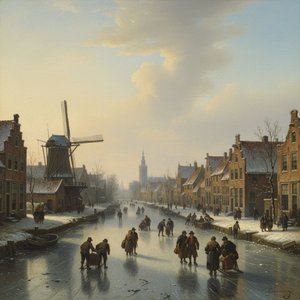
Charles Leickert: Capturing the Dutch Golden Age Light – A Comprehensive Study of Technique, Context, and Legacy
Explore the captivating winter landscapes of Charles Leickert, a master of Dutch Golden Age light & atmosphere. Discover his techniques, symbolism, and lasting legacy – a comprehensive study for art enthusiasts and collectors.

Golden Age Reflections: Dutch Baroque Painting & Cultural Innovation
Explore the Dutch Golden Age of painting! Discover key artists like Vermeer & ter Borch, their innovative techniques, and the rich cultural context behind these Baroque masterpieces. Learn about collecting & appreciating this iconic art period.
Golden Light & Dutch Skies: Bringing the Magic of Dutch Golden Age Landscapes into Your Home
Transform your home with the breathtaking light of Dutch Golden Age landscapes. Discover how hand-painted oil reproductions of masterworks like Ruisdael and Vermeer bring timeless elegance, atmosphere, and soulful texture to modern interiors. Elevate your space with museum-quality art.
Nicolaes Berchem: Dutch Golden Age Pastoralism & the Evolution of Landscape Painting
Explore the captivating world of Nicolaes Berchem, a leading Dutch Golden Age painter. Discover his idyllic landscapes, masterful technique & lasting influence on art history. Learn more at ArtsDot.

黄金世紀の巨匠たち:バロック絵画が彩る10選|ArtsDot
オランダ黄金時代の10大傑作を紐解く!レンブラント、フェルメール…バロック絵画の魅力と時代背景を深く探求。ArtsDotで、至高のアートコレクションと空間演出のヒントを見つけよう。高品質なアートプリントで、お部屋を華やかに。