

 プレビュー
プレビュー
 プリントを購入
 シェアする
シェアする シェアする
シェアする
 詳細を見る
詳細を見る

 ダウンロード
 似ている作品
 X線調査
X線調査 スライドショー
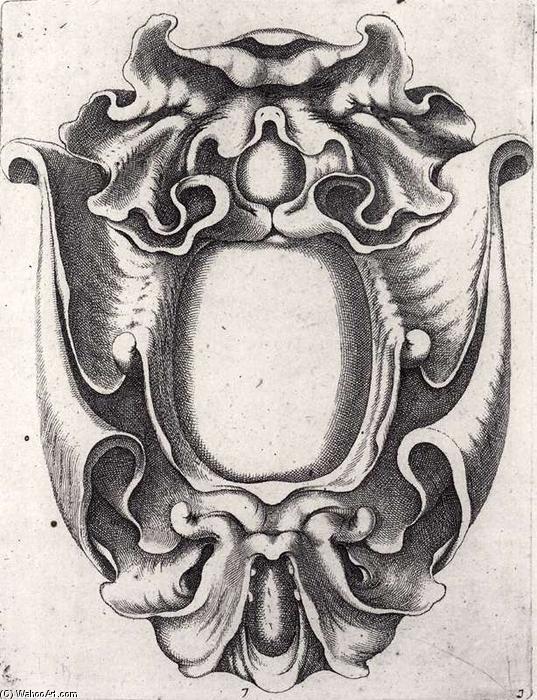
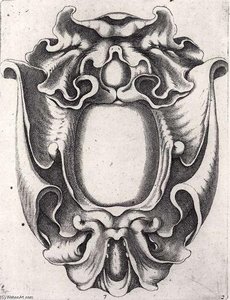
耳殻様式 カルトゥーシュ
 キャンバスにアクリル絵具
- ウォールアート
- Dutch Golden Age
 1654
1654 228.0 x 179.0 cm
 国立美術館 (Rijksmuseum)
 詳細を見る
詳細を見る
オンラインプレビューをはるかに凌ぐ、高解像度で鮮明なデジタル画像をご購入いただけます。
各ファイルは、社内の専門家が高度なツールと熟練した手作業によるレタッチを用いて、細心の注意を払って準備されています。すべての画像において、卓越した鮮明度、正確な色彩再現性、そして繊細なディテールを保証いたします。
最終ファイルは、プロフェッショナルな編集・印刷環境ですぐにご利用いただけるよう最適化された状態で、72時間以内にメールにてお届けいたします。これは、一流のデザインスタジオ、出版社、ギャラリーから信頼されているものと同等の品質です。
デジタル画像のご注文に付随する特典
高品質なデジタル画像配信を、確かな品質で。
ArtsDot.com を選ぶことは、単に画像を手に入れることではありません。それは、プロの手によって精密に仕上げられ、満足保証が付いた高品質なデジタルアートワークを受け取ることを意味します。ご注文いただいた際に自動的に付随する内容は、以下の通りです:

メールですぐにお届け
ご注文から72時間以内に、高解像度のデジタル画像ファイルがメールでお手元に届きます。すぐにそのままご利用いただけます。

AI技術で最適化されたデジタルファイル
お客様の作品は、高度なAIツールと専門家による手作業の編集を組み合わせてプロフェッショナルに最適化されており、細部のディテール、鮮明さ、そして正確な色再現性を最大限に引き出しています。

一生涯無料の再送サービス
ファイルを誤って削除したり、紛失してしまったりしましたか?ご安心ください。いつでも無料で再送いたします。

輸入手数料は一切かかりません
関税や手数料、配送料を気にすることなく、お気に入りのアートワークをすぐにお楽しみいただけます。デジタルダウンロードは常に免税です。

色彩再現の保証
プロ仕様のツールとカラーマネジメント技術を用いることで、デジタル画像が元の色を最大限に忠実に再現することを保証いたします。

60日間満足保証
ご購入いただいたデジタル画像にご満足いただけない場合は、60日以内であれば、修正または100%の返金(理由を問う必要はありません)をさせていただきます。

100% 返金保証
ご満足いただけない場合は、デジタルファイルを受け取ってから60日以内であれば、理由を問わず全額返金いたします。

まとめ買い割引
3枚購入で10%OFF - 5枚購入で15%OFF - 10枚以上購入で20%OFF。クリエイティブなプロジェクト、ギャラリー、エージェンシーに最適です。
作品の詳細
Cartouche in Auricular Style:Johannes Lutmaの革新的な銀細工技法と芸術的遺産
この作品は、ドイツの銀細工家ヨハネス・ルトマが制作した「アウリキュラールスタイル」のカートゥーシュである。このスタイルは、人間の耳の側面から見た形状を模倣し、滑らかな曲線と繊細な装飾で特徴づけられ、特に17世紀初頭のオランダ美術において重要な役割を果たした。ルトマの作品は、その洗練されたデザインと技術的な卓越性によって後世の銀細工家たちに大きな影響を与えた。このカートゥーシュは、アウリキュラールスタイルを代表する傑作であり、その美しいフォルムと複雑な模様は見る人の心を捉える力を持っている。- アーティスト:ヨハネス・ルトマ(約1584年生まれ、エメンデン出身)
- 制作年代:1654年
- 技法:銀細工、エッチング、レポウセーとチェイシングの組み合わせによる彫琢技術
- 美術館:リヒズムuseum(アムステルダム)
関連作品

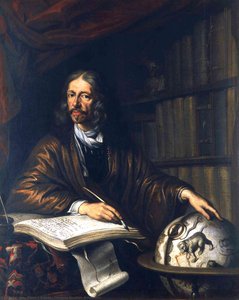
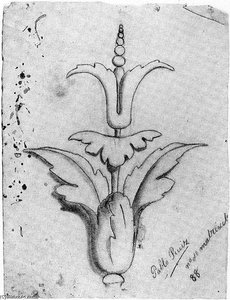
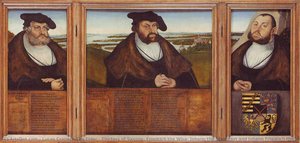
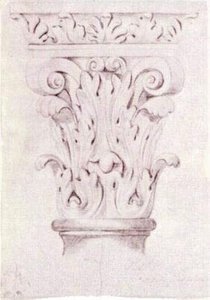
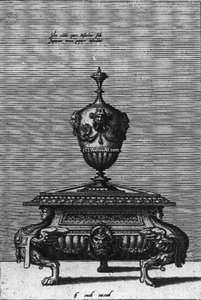
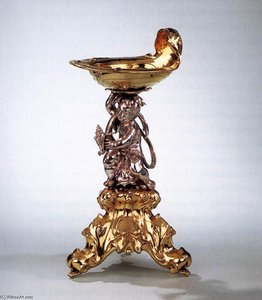
作家の略歴
Johannes the Elder Lutma: Master of Auricular Silver
Johannes Lutma the elder (born c. 1584 in Emden, Germany; died January 1669 in Amsterdam) stands as a pivotal figure in the late 17th-century Dutch goldsmithing scene – a period marked by unprecedented artistic innovation and opulent craftsmanship. Often overshadowed by his more famous contemporaries like Rembrandt, Lutma’s legacy lies in his pioneering work with “auricular” style silver, a technique that redefined decorative possibilities and profoundly influenced subsequent generations of artisans. His life was one of constant movement and adaptation, beginning in the German Rhineland before settling permanently in Amsterdam, where he established himself as a leading designer for wealthy patrons and ecclesiastical institutions.
Lutma’s early training remains somewhat shrouded in mystery, though it is generally accepted that he studied under Paulus van Vianen, a master known for his distinctive “auricular” style – characterized by smooth, ear-like forms. This stylistic approach, emphasizing flowing curves and subtle ornamentation, became the foundation of Lutma's own artistic vocabulary. Following a period in Paris around 1615, where he likely honed his skills amidst the burgeoning artistic scene, Lutma arrived in Amsterdam in 1621, marrying Mayken Roelants shortly thereafter, and later Saera de Bie. His time in the bustling commercial center of Amsterdam proved to be fertile ground for his creative development, offering access to a wealthy clientele eager for luxurious objects.
The Auricular Style and its Development
Lutma’s most significant contribution to the art world was undoubtedly his mastery of the auricular style. This technique involved creating flowing, undulating surfaces on silver that mimicked the shape of an ear – hence the name. It wasn't merely a stylistic choice; Lutma elevated it into a sophisticated design principle, utilizing it to create intricate patterns and dynamic compositions. He skillfully combined this smooth, organic form with sharp angles, geometric shapes, and elaborate embellishments, resulting in a remarkably versatile aesthetic. His designs weren’t simply decorative; they possessed a sense of movement and rhythm that captivated viewers.
Crucially, Lutma didn't invent the auricular style entirely. It had roots in earlier German goldsmithing traditions, but Lutma refined it, pushing its boundaries and establishing a distinct visual language. He employed techniques like chasing (hammering metal to create raised designs) and repoussé (pushing metal from the back to create raised designs), combined with meticulous engraving, to achieve his desired effects. His work demonstrated an exceptional command of materials and a deep understanding of how light interacted with surface textures.
Major Works and Commissions
Lutma’s career produced a remarkable body of work, encompassing a diverse range of objects – from elaborate salt dishes and ewers to monumental choir screens and decorative cartouches. His most celebrated achievement is arguably the choir-screen for the Nieuwe Kerk (New Church) in Amsterdam, a breathtaking example of his artistic vision. This massive panel, executed around 1638, features intricate scenes depicting biblical narratives interwoven with classical motifs, showcasing Lutma’s ability to seamlessly blend different stylistic influences.
Beyond the choir-screen, Lutma created numerous exquisite salt containers, often adorned with mythological creatures and floral designs. These objects are prized for their exceptional craftsmanship and delicate detailing. His work also includes a series of cartouches – decorative frames used to enclose inscriptions or coats of arms – which demonstrate his mastery of miniature design and intricate engraving. The Rijksmuseum in Amsterdam houses several significant examples of Lutma’s oeuvre, offering invaluable insights into the breadth and depth of his artistic talent.
Legacy and Influence
Despite not achieving widespread fame during his lifetime, Johannes Lutma's influence on subsequent generations of Dutch goldsmiths is undeniable. His innovative use of the auricular style paved the way for new approaches to decorative design, inspiring artists like his son, Johannes Lutma the Younger (Jan Lutma), who continued to develop and refine his father’s techniques. Lutma’s designs were also widely disseminated through printed series of engravings, ensuring their enduring popularity and influence.
Furthermore, Lutma's work reflects a broader cultural shift in 17th-century Europe – a move towards greater individualism and artistic experimentation. His willingness to challenge established conventions and embrace new stylistic approaches cemented his place as a key figure in the development of Dutch goldsmithing and a testament to the enduring power of artistic innovation.
johannes the elder lutma
1587 - 1669 , Germany
プロフィール概要
- Artistic Movement Or Style: Auricular Style
- Artists Or Movements Influenced By This Artist: ['Rembrandt']
- Artists Who Influenced This Artist: ['Paulus van Vianen']
- Date Of Birth: c. 1584
- Date Of Death: 1669
- Full Name: Johannes Lutma the Elder
- Nationality: German
- Notable Artworks:
- Choir-screen (Nieuwe Kerk)
- Salt containers
- Drinking bowl
- Place Of Birth: Emden, Germany

