

 プレビュー
プレビュー
 プリントを購入
 シェアする
シェアする シェアする
シェアする
 詳細を見る
詳細を見る

 ダウンロード
 似ている作品
 X線調査
X線調査 スライドショー
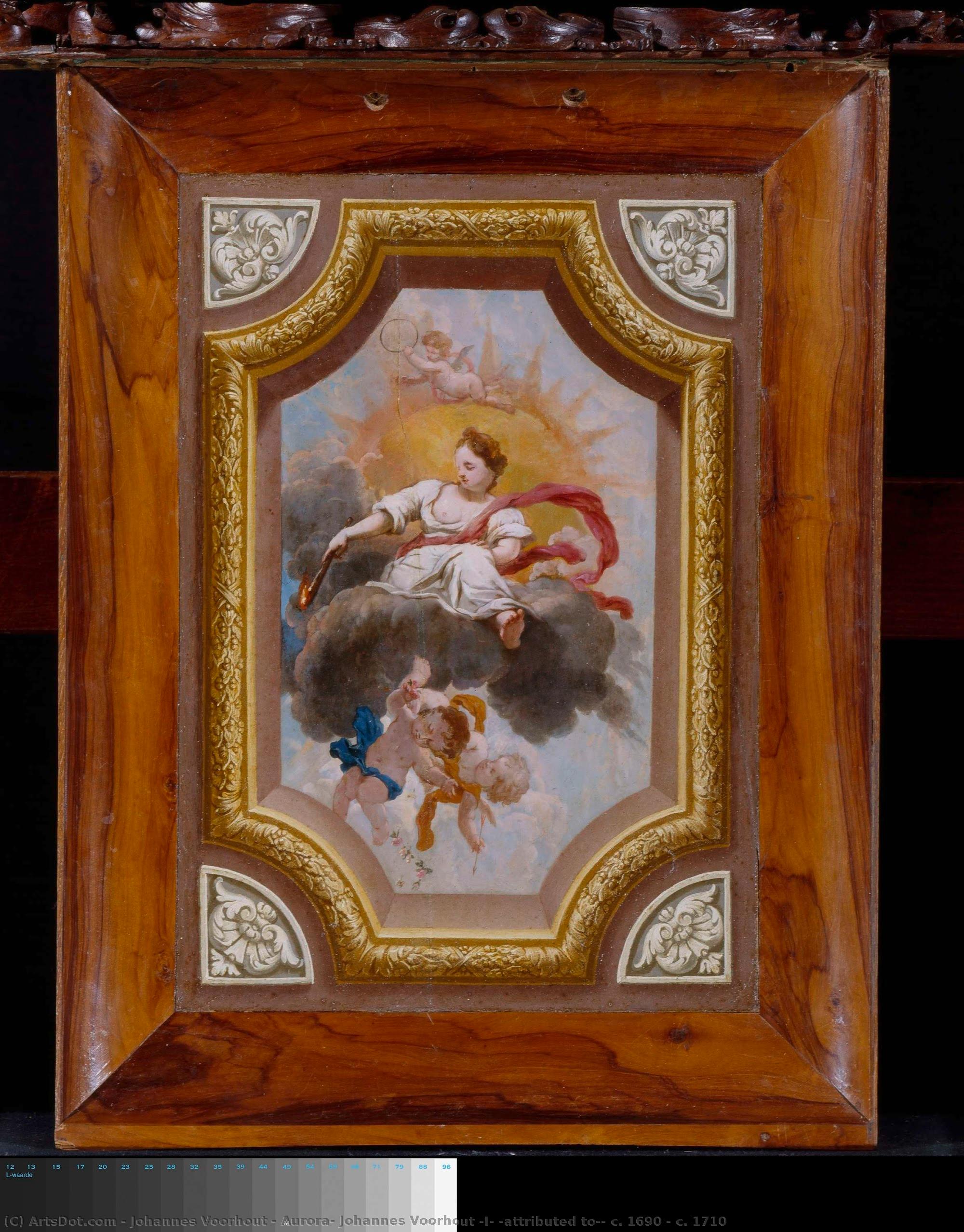
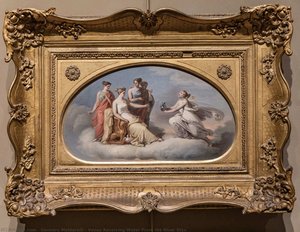
Aurora, Johannes Voorhout (I) (attributed to), c. 1690 - c. 1710


 詳細を見る
詳細を見る




P118B $10

P118H $10

P118W $10

P438Z $10

P508JH $12

P508YH $12

P805H $10

P805Z $10

P919BZ $10

P919G $10

P919XJ $10

P959ZH $10

P968JZ $12

W106C $8

W218G $10

W218JH $8

W218Y $10

W307PJ $10

W316G $10

W316PJ $8

W316Y $10

W398PJ $8

W4111J $10

W500HY $15

W500JH $15

W692G $12

W849H $8

W940BG $15

W953PJ $8




作品のオリジナル比率に合わせた、当店の規定サイズからお選びください。

特定のフレームやスペースに合わせて、ご希望のサイズをご入力いただけます。選択されたサイズが元の画像の比率と異なる場合、アートワークをトリミングするか、手描きで要素を追加して絵画を拡張いたします。デジタルモックアップ を制作し、制作開始前にご確認(承認)をいただきます。
画面上のプレビューは、実際のトリミングや拡張を正確に反映しているものではありません。最終的な構図は、モックアップによってのみ正確にご確認いただけます。
カスタムサイズもご利用いただけますが、元の比率を維持するためには、あらかじめ用意されたリストからサイズを選択することをお勧めいたします。
ご注文後、ArtsDot.com チームより詳細な指示をお送りするとともに、仕上がりイメージ(モックアップ)をご提供いたします。


 ガラスオプションは、110cm未満のサイズでのみご利用いただけます。

Aurora, Johannes Voorhout (I) (attributed to), c. 1690 - c. 1710
複製技法
複製画のサイズ
-


合計金額
$ 263
関連作品
アーティストの略歴
The Master of Allegory: The Life and Legacy of Johannes Voorhout
In the luminous era of the Dutch Golden Age, a period defined by mercantile prosperity and an unprecedented flourishing of the arts, few artists captured the intersection of historical gravity and symbolic elegance as gracefully as Johannes Voorhout. Born in 1647 to a family of skilled craftsmen—his father, Cornelis, was a respected Amsterdam clockmaker—Voorhout’s journey was one of transition from the technical precision of horology to the expressive depths of the canvas. While his lineage was rooted in the meticulous mechanics of time, Johannes sought to capture the eternal through the medium of paint. His early training under Constantijn Verhout in Gouda provided him with a vital foundation in contemporary history scenes, a genre that would become the cornerstone of his illustrious career.
The trajectory of Voorhout’s life was as dynamic as the political landscape of the seventeenth-century Netherlands. After honing his craft in Amsterdam under the guidance of Jan van Noordt, he experienced the profound disruptions caused by the French invasions of 1672. This period of upheaval forced a temporary exile to Friedrichstadt, yet even in displacement, Voorhout’s ambition remained undiminished. His subsequent move to Hamburg, encouraged by the esteemed Juriaan Ovens, marked a significant chapter of professional expansion and international exposure. It was during these years that he refined his ability to weave complex narratives into single, striking compositions, blending the intimacy of portraiture with the grandiosity of historical allegory.
Symbolism and the Art of Narrative
What truly distinguishes the work of Johannes Voorhout is his profound command over allegory. He did not merely paint scenes; he constructed visual metaphors that spoke to the triumphs, tragedies, and moral complexities of his age. His mastery is perhaps most evident in works such as the Allegory of the Treaty of Ryswick (1698). In this breathtaking composition, Voorhout utilizes personification to communicate the delicate balance of power and the longing for stability. Through the figure of Peace blowing her trumpet and the contrasting presence of a fleeing soldier representing War, he transformed a political milestone into a timeless meditation on human conflict and reconciliation.
Beyond the grand scale of historical treaties, Voorhout possessed a remarkable versatility that allowed him to excel in much more intimate settings. His ability to infuse even small-scale works with profound meaning is seen in his contributions to decorative arts, such as the exquisite paintings found within the intricate world of dollhouse miniatures. Whether depicting the celestial beauty of Aurora or the biblical gravity of the Finding of Moses, his brushwork remained imbued with a sense of wonder and meticulous detail. This duality—the ability to command both the monumental and the miniature—is a testament to his technical dexterity and his deep understanding of how light and shadow can evoke emotion.
A Lasting Impression on the Dutch Tradition
The historical significance of Johannes Voorhout lies in his role as a bridge between the rigorous realism of early Dutch masters and the more theatrical, emotive qualities of the Baroque period. His prestigious commissions, most notably the monumental portrait of William III on horseback for Dirk Clant, solidified his standing among the elite patrons of Europe. This work, intended for a grand castle near Groningen, serves as a pinnacle of his ability to merge royal iconography with masterful equestrian portraiture.
As we reflect on the vast tapestry of the Dutch Golden Age, Voorhout remains a vital thread. His life was a testament to resilience and adaptability, moving through the shadows of war and the light of prosperity to leave behind a legacy of profound beauty. His works continue to invite viewers into a world where every figure, every gesture, and every shadow carries a deeper meaning, reminding us that art is not merely a reflection of reality, but an elevated interpretation of the human soul.
Johannes Voorhout
1647 - 1723
基本情報
- Artistic Movement Or Style: Golden Age
- Artists Or Movements Influenced By This Artist: ['Jan van Noordt']
- Artists Who Influenced This Artist: ['Constantijn Verhout']
- Date Of Death: 1723
- Full Name: Johannes Voorhout
- Nationality: Dutch
- Notable Artworks:
- Allegory of Treaty of Ryswick
- Finding of Moses
- Aurora
- Place Of Birth: Amsterdam, Netherlands
関連記事

Dutch Baroque Masters: 10 Paintings That Shaped an Era | ArtsDot
Journey through the Golden Age with our guide to the Top 10 Dutch Baroque masterpieces! Explore iconic paintings by Rembrandt, Vermeer & Frans Hals. Find museum-quality art reproductions and elevate your home decor at ArtsDot.com.

Golden Age Reflections: Dutch Baroque Painting & Cultural Innovation
Explore the Dutch Golden Age of painting! Discover key artists like Vermeer & ter Borch, their innovative techniques, and the rich cultural context behind these Baroque masterpieces. Learn about collecting & appreciating this iconic art period.

黄金世紀の巨匠たち:バロック絵画が彩る10選|ArtsDot
オランダ黄金時代の10大傑作を紐解く!レンブラント、フェルメール…バロック絵画の魅力と時代背景を深く探求。ArtsDotで、至高のアートコレクションと空間演出のヒントを見つけよう。高品質なアートプリントで、お部屋を華やかに。
Decoding Baroque Grandeur: A Guide to the Drama and Emotion of 17th-Century Art
Explore the breathtaking drama of 17th-century Baroque art. Our expert guide decodes the use of chiaroscuro, emotional intensity, and historical grandeur to help you appreciate and curate timeless masterpieces for your collection.
Illuminating a Century of Change: Artistic Expression & Societal Shifts in 17th-Century Europe
Explore the artistic brilliance of the 17th-century Dutch Golden Age & Baroque period. Discover Rembrandt, genre painting, and chiaroscuro techniques. Expert insights for art lovers & collectors.

