

 プレビュー
プレビュー
 プリントを購入
 シェアする
シェアする シェアする
シェアする
 詳細を見る
詳細を見る

 ダウンロード
 似ている作品
 X線調査
X線調査 スライドショー
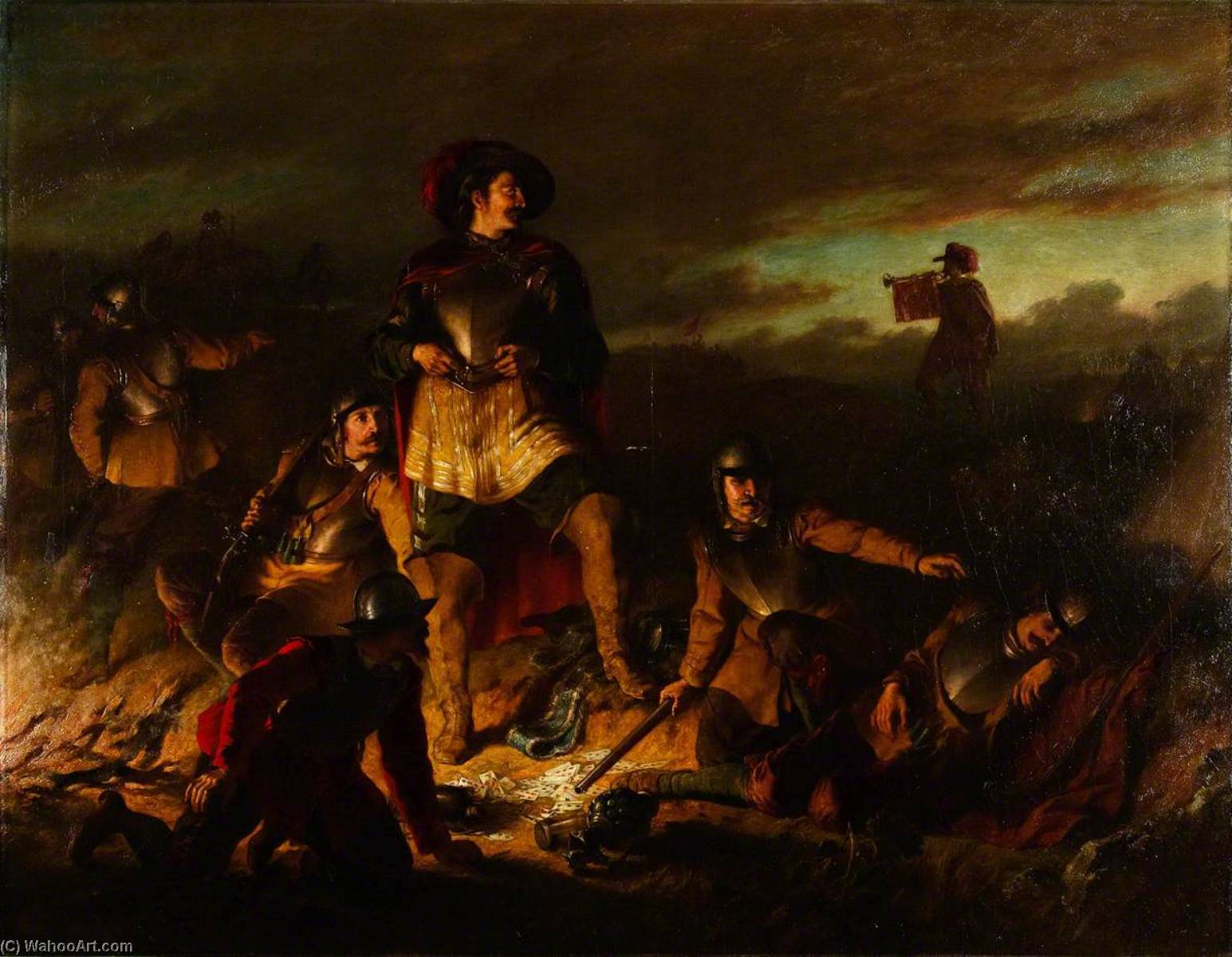
A Night Alarm in the Cavalier Camp
 1884
1884 86.0 x 112.0 cm
 Royal Scottish Academy of Art - Architecture
 詳細を見る
詳細を見る
オンラインプレビューをはるかに凌ぐ、高解像度で鮮明なデジタル画像をご購入いただけます。
各ファイルは、社内の専門家が高度なツールと熟練した手作業によるレタッチを用いて、細心の注意を払って準備されています。すべての画像において、卓越した鮮明度、正確な色彩再現性、そして繊細なディテールを保証いたします。
最終ファイルは、プロフェッショナルな編集・印刷環境ですぐにご利用いただけるよう最適化された状態で、72時間以内にメールにてお届けいたします。これは、一流のデザインスタジオ、出版社、ギャラリーから信頼されているものと同等の品質です。
デジタル画像のご注文に付随する特典
高品質なデジタル画像配信を、確かな品質で。
ArtsDot.com を選ぶことは、単に画像を手に入れることではありません。それは、プロの手によって精密に仕上げられ、満足保証が付いた高品質なデジタルアートワークを受け取ることを意味します。ご注文いただいた際に自動的に付随する内容は、以下の通りです:

メールですぐにお届け
ご注文から72時間以内に、高解像度のデジタル画像ファイルがメールでお手元に届きます。すぐにそのままご利用いただけます。

AI技術で最適化されたデジタルファイル
お客様の作品は、高度なAIツールと専門家による手作業の編集を組み合わせてプロフェッショナルに最適化されており、細部のディテール、鮮明さ、そして正確な色再現性を最大限に引き出しています。

一生涯無料の再送サービス
ファイルを誤って削除したり、紛失してしまったりしましたか?ご安心ください。いつでも無料で再送いたします。

輸入手数料は一切かかりません
関税や手数料、配送料を気にすることなく、お気に入りのアートワークをすぐにお楽しみいただけます。デジタルダウンロードは常に免税です。

色彩再現の保証
プロ仕様のツールとカラーマネジメント技術を用いることで、デジタル画像が元の色を最大限に忠実に再現することを保証いたします。

60日間満足保証
ご購入いただいたデジタル画像にご満足いただけない場合は、60日以内であれば、修正または100%の返金(理由を問う必要はありません)をさせていただきます。

100% 返金保証
ご満足いただけない場合は、デジタルファイルを受け取ってから60日以内であれば、理由を問わず全額返金いたします。

まとめ買い割引
3枚購入で10%OFF - 5枚購入で15%OFF - 10枚以上購入で20%OFF。クリエイティブなプロジェクト、ギャラリー、エージェンシーに最適です。
関連作品









作家の略歴
John Adam Houston: Weaver of Scottish Landscapes and Historical Echoes
John Adam Houston (1812-1884) wasn’t merely a watercolorist; he was a meticulous recorder of the fading grandeur of Scotland, a skilled interpreter of its history, and a subtle observer of human experience. Born in Gwydir Castle, Wales, to a family with strong Irish roots, his early life instilled within him a deep appreciation for both landscape and heritage – qualities that would profoundly shape his artistic vision. His relocation to Edinburgh around 1820 marked the beginning of a career dedicated to capturing the essence of his adopted homeland, a journey punctuated by study in Paris and Germany before he firmly established himself as a respected artist within Scotland’s art scene.
Houston's early training at the Trustees Academy in Edinburgh provided him with a solid foundation in technique, but it was his subsequent travels and independent observation that truly defined his style. He wasn’t interested in simply replicating scenes; he sought to imbue them with atmosphere, emotion, and a sense of timelessness. His work frequently depicts historical events – most notably, “The Secreting of the Regalia of Scotland in Kinneff Church, 1652,” a dramatic composition that vividly portrays a pivotal moment in Scottish history. This piece, along with others like "The Battle of Flodden Field," demonstrates his ability to not only accurately represent historical scenes but also to convey the drama and significance of those events through careful composition, lighting, and color.
- Technique & Style: Houston’s watercolor technique is characterized by a remarkable level of detail and precision. He employed a layering approach, building up colors gradually to achieve subtle tonal variations and atmospheric effects. His use of light was particularly masterful, creating a sense of depth and realism that belies the medium's inherent limitations.
- Subject Matter: While historical scenes dominated his output, Houston also produced numerous landscapes – often depicting the rugged beauty of the Scottish Highlands and Lowlands. These works are imbued with a quiet dignity and a deep connection to the land.
- Influence: Houston’s work reflects the influence of the Romantic movement, which emphasized emotion, imagination, and the sublime power of nature. However, he tempered this influence with a distinctly Scottish sensibility, capturing the unique character of his homeland.
A London Chapter & Expanding Horizons
In 1858, Houston’s family moved to London, marking a significant shift in his artistic practice and exposure. While Edinburgh had provided him with a stable base and a network of patrons, London offered new opportunities for exhibition and engagement with the wider art world. During this period, he continued to produce works that reflected both his Scottish heritage and his growing familiarity with English landscapes and subjects.
His move to Upper Phillimore Place in Kensington allowed him to establish a more prestigious studio and attract a broader range of clients. He maintained a consistent output throughout this phase of his career, producing paintings for private collectors and exhibiting regularly at the Royal Academy and other prominent galleries. Despite the change of scenery, Houston never abandoned his commitment to capturing the essence of Scotland – a theme that remained central to his artistic practice.
The Legacy of a Scottish Observer
John Adam Houston’s contribution to Scottish art is significant not only for the quality of his work but also for his ability to capture the spirit of a nation undergoing profound change. His paintings offer a valuable glimpse into the social, political, and cultural landscape of 19th-century Scotland – a period marked by both optimism and uncertainty.
His meticulous attention to detail, combined with his deep understanding of history and his innate artistic talent, resulted in works that are both visually stunning and intellectually stimulating. Today, Houston’s paintings can be found in major museums and private collections around the world, serving as a testament to his enduring legacy as one of Scotland's most accomplished watercolorists. His work continues to resonate with viewers who appreciate the beauty of the Scottish landscape and the power of historical narrative.
Key Works & Notable Achievements
- The Secreting of the Regalia of Scotland in Kinneff Church, 1652: Arguably his most famous work, this painting captures a dramatic moment in Scottish history with remarkable detail and emotional intensity.
- The Battle of Flodden Field: Another significant historical scene, showcasing Houston’s ability to convey the scale and drama of battle.
- Views of Pisa, Florence, and Siena (1855): Demonstrating his versatility and willingness to explore new subjects and techniques during his time in London.
- Numerous Landscape Paintings: A substantial body of work depicting the diverse landscapes of Scotland, from the rugged Highlands to the rolling Lowlands.
A Lasting Impression
John Adam Houston’s artistic journey is a compelling story of talent, dedication, and cultural observation. He wasn't merely an artist; he was a chronicler of his time, a preserver of Scottish heritage, and a master of watercolor technique. His paintings continue to captivate viewers with their beauty, detail, and evocative power – ensuring that the legacy of this remarkable Scottish artist will endure for generations to come.
john adam houston
1812 - 1884
プロフィール概要
- Artistic Movement Or Style: Watercolorist
- Artists Who Influenced This Artist: ['Sir William Allan']
- Date Of Birth: 1812
- Date Of Death: 1884
- Full Name: John Adam Plimmer Houston
- Nationality: British
- Notable Artworks:
- The Secreting of the Regalia
- View of Glasgow
- Place Of Birth: Gwydir Castle, Wales

